


Trauma Simulation: Building an Airborne Transfer Network for Critical Care in the Greater Bay Area


In a landmark emergency simulation led by the University of Hong Kong–Shenzhen Hospital (HKU-SZH), trauma teams, air rescue providers, and hospital emergency departments joined forces to rehearse rapid medical evacuation from an offshore platform to an ICU in Shenzhen. TKP Medical Assistance played a key role in the prehospital airborne response and shared insights on air-medical coordination post-exercise.
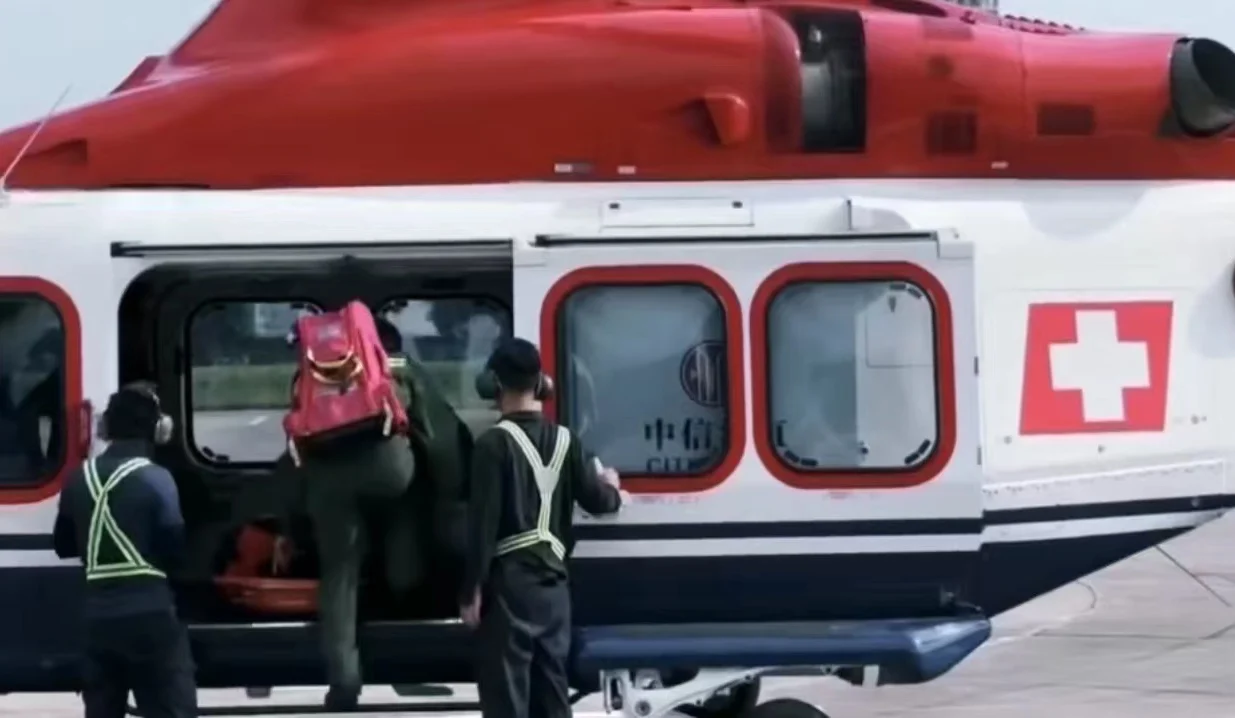
TKP medical team departs for the offshore platform alongside staff from CITIC Offshore Heliport
Collaborative Training for Offshore Emergency Response
To strengthen trauma preparedness and cross-border rescue capabilities, HKU-SZH’s trauma surgery department—part of Shenzhen’s prestigious “Three Famous Medical Teams” initiative—led a high-fidelity simulation involving a fall-related injury on an offshore oil platform. The exercise, designed to minimize casualties and economic loss, integrated air rescue, hospital triage, and critical care coordination.

Medical helicopter arrives at the helipad of the University of Hong Kong–Shenzhen Hospital
Seamless Helicopter Transfer by TKP Medical Assistance
Following the mock distress call, TKP’s flight medical team boarded a standby helicopter from the CITIC Offshore Heliport in Shenzhen. Upon arrival at the simulated offshore site, they assessed the “patient,” provided prehospital stabilization, and initiated helicopter transfer to HKU-SZH. The emergency department had already activated its trauma protocol and mobilized a multidisciplinary team across surgery, orthopedics, anesthesia, and interventional radiology.
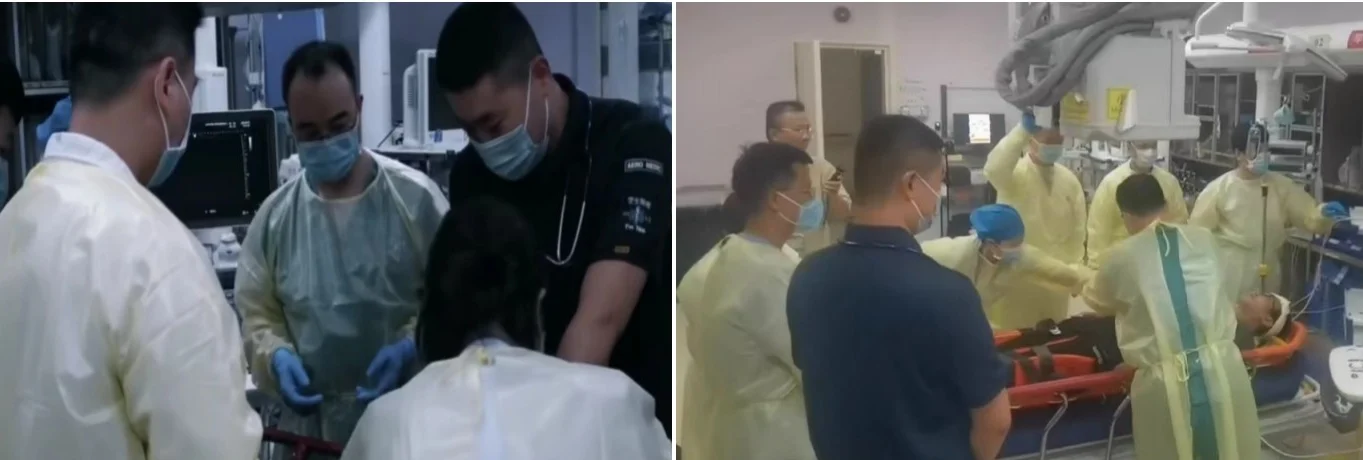
TKP team hands over the patient to the trauma unit at HKU-SZH for further evaluation and care
Post-Drill Insights: Advocating for Scalable Air-Medical Networks
After a successful simulation and ICU handoff, stakeholders gathered for a debrief session. TKP’s Director of Operations, Mr. Xu Jianping, proposed an integrated “One Hub, Multi-Hospital” air medical model—led by government collaboration and built upon centralized helicopter infrastructure. His concept, inspired by Hong Kong’s Government Flying Service (GFS), received wide recognition as a blueprint for scalable, cost-effective emergency air-medical systems in the Greater Bay Area.
Frequently Asked Questions
Need help understanding how international medical rescue works? Browse our most common questions to learn about service coverage, response times, documentation requirements, and more. We’re here to support you every step of the way.
Q: Which countries are covered by the cross-border medical rescue service?
A: We cover major countries and regions worldwide to ensure timely rescue
Q: How can I request cross-border medical rescue?
A: Please submit an emergency rescue request through our official website or customer service.
Q: What documents are needed for medical rescue?
A: Patient ID, medical diagnosis report, and emergency contact information are required.
Q: How is the rescue service fee settled?
A: Fees can be paid via insurance claims or direct payment for the service.
Q: How quickly does the rescue response start?
A: In emergencies, rescue operations typically begin within a few hours.
Submit Your Request
Recent Posts
Tags
- Air Ambulance
- Bedside To Bedside
- Cross Border Aid
- Emergency Evacuation
- Global Medical Rescue
- How can I ensure the patient's stability while in the air?
- How do I request an air medical transport?
- How is it different from an air ambulance
- how to activate emergency aircraft service
- how to request an air ambulance
- Is air medical transport safe
- Is international transport possible
- Medical Rescue
- Medical Transport
- Patient Repatriation
- Remote Rescue
- Seamless Coordination
- Telemedicine Support
- Tourists And Expats Medical Escort
- What are the benefits of a cross-border medical transfer
- What are the different types of transfers
- What are typical use cases
- What documents do I need to prepare for a transfer?
- What does high-speed rail patient transfer stands for
- What is air ambulance
- What is air medical transport?
- What is cross-border medical transfer
- What is emergency aircraft
- what is high-speed rail patient transfer
- What is medical charter flight
- what is neonatal ICU transfer
- What is patient air transfer
- What medical equipment is available on board the aircraft
- What situations shouldn't use air medical transport?
- What types of air ambulance are there?
- What types of air ambulance exist
- What's the difference between international and domestic transfers?
- what’s the difference between air medical transport and regular ambulance?
- When is emergency air transport necessary
- Which patients require air medical transport?
- who is included in the medical team
- who needs an air ambulance