


How to Speed Up Booking a Flight Stretcher Service Safely


Booking a flight stretcher service feels urgent, and every minute counts. Families want speed. Clinicians demand safety. Airlines ask for approvals and exact details. Visas and documents add pressure. One missing record can delay departure. The patient waits. You need a plan that moves fast without risking care. This guide shows how to cut hours from the timeline, prepare the right files, and choose the safest route. It also reveals where most delays really begin – and how to avoid them. Ready to move sooner and safer? The first step may not be what you expect.
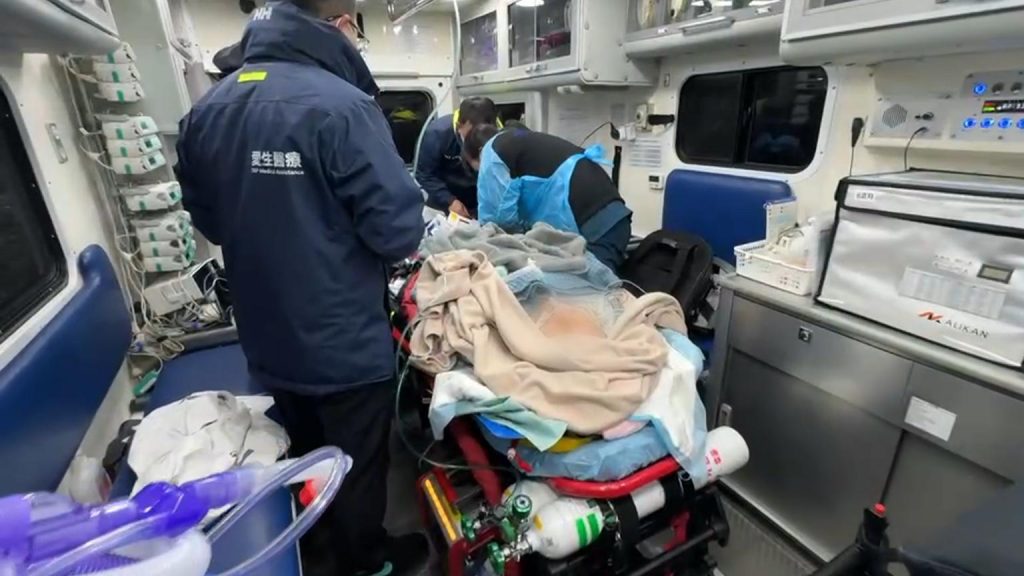
Why Speed And Safety Both Matter
When a patient is stable but still needs continuous monitoring, every hour between beds counts. Delays creep in from small gaps: a missing discharge note, a visa that needs one more letter, an airline asking for a clearer oxygen plan. If these steps don’t align, the departure window slips and stress rises.
From our vantage point, three pain points create most slowdowns in Booking a flight stretcher service:
- Airline approvals stall when clinical summaries are incomplete or unclear
- Routing changes late due to remote airports, weather, or hospital bed timing
- Equipment fit (oxygen flow, monitors, infusion pumps) isn’t matched to acuity early
TKP addresses these head-on. We specialize in post-stabilization critical care transfers and time-sensitive evacuations. We coordinate commercial stretcher options with airline approval, deploy air ambulance when isolation or speed is essential, and connect gaps using high-speed rail and ground ambulance – all under one clinical standard and one accountable coordinator.
How TKP Cuts Time Without Cutting Corners
Speed is a process, not a promise. Our method compresses wait time by making each decision once, with the right data, and by keeping medical and logistics teams in the same loop.
Fast Intake, Clear Picture
We begin with a single, structured call – day or night. Our coordinator gathers the current diagnosis, recent notes, medication list, ventilatory or oxygen needs, escort requirements, preferred dates, and payer information. No back-and-forth forms. This “first-pass completeness” lets us request airline approval or book an air ambulance without guessing.
Clinical Gatekeeping That Unlocks Approvals
A TKP nurse or physician reviews the case immediately. They specify the escort level (e.g., flight nurse, critical-care specialist), equipment, and risk controls (airway plan, oxygen targets, monitoring). This is the language airlines and aviation medical directors understand. Clear prescriptions lead to faster yes/no answers, which shortens the path for Booking a flight stretcher service.
Smart Routing That Saves Hours
Not every “fastest flight” is the fastest transfer. We design door-to-door routes that consider runway length, ground times, bed readiness, and clearances – not just airborne minutes. When it helps, we bypass congested hubs with airports that have minimal infrastructure, then connect using high-speed rail or local ambulance for shorter total time bedside-to-bedside. Our operations desk watches flights in real time and adjusts legs for weather, airspace restrictions, or hospital readiness so the patient keeps moving.
Transparent Costs, No Surprise Holds
We issue a clear quotation and, if applicable, assist with insurance preauthorization. Early financial clarity prevents the quietest delay of all: waiting for payment guarantees when everything else is ready.
✅ Safety Baked Into Each Leg
• Clinical sign-off before requesting airline stretcher approval
• Redundant oxygen and monitoring across air, rail, and road segments
• Confirmed bed availability at the receiving facility to avoid corridor holds
- A Quick Scenario
A ventilated but stable patient in a remote area needed tertiary care. A single long-haul flight would have meant a 36-hour wait for the right slot. We instead used a regional airfield → commercial stretcher segment → high-speed rail → short ambulance leg to the ICU. By aligning hospital bed timing and using a low-infrastructure airport, the patient arrived a day earlier with uninterrupted monitoring.
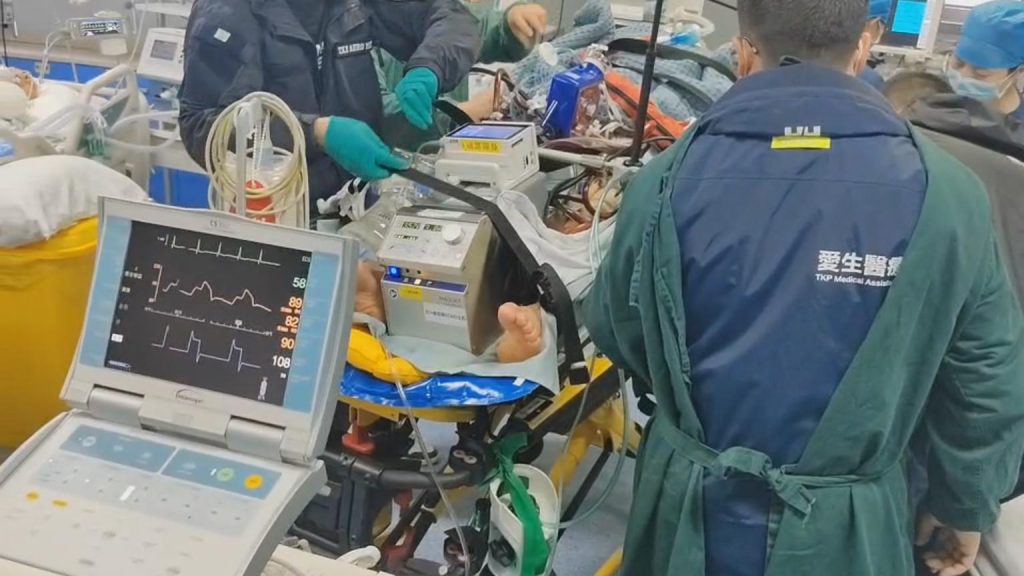
What Families And Coordinators Can Do Right Now
You can accelerate Booking a flight stretcher service by a full day – or even more – by preparing a few essentials before we start approvals.
✅ Your Practical Pre-Flight Checklist
- Recent Medical Records: Discharge summary, current diagnoses, treatment plan, and medication list. English versions speed airline and embassy reviews.
- Travel Documents: Passports for patient and companions; visas where needed. Keep scans ready so time zones don’t slow emailing or verification.
- Insurance & Payment: Policy copy, insurer contacts, and a named payer if insurance won’t cover all costs. This prevents last-minute financial holds.
- Authorized Decision-Maker: Assign one reachable representative plus a backup. Tell us your preferred hospital or language support needs.
- Visa & Embassy Steps: Some medical visas take 24–72 hours. We provide invitation letters and coordinate, but earlier starts protect timelines.
Choosing The Right Mode (Simple Rules Of Thumb)
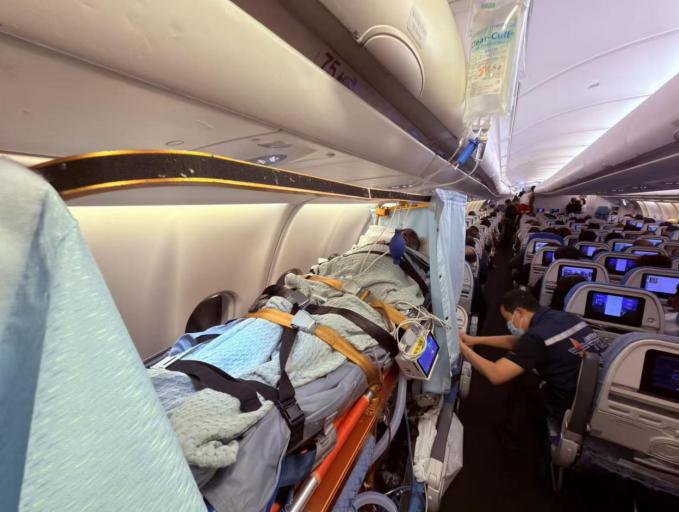
- Commercial Stretcher: Best when the patient is stable, needs to lie flat, and cost control matters. We arrange airline-approved stretcher compartments and provide a medical escort throughout the flight.
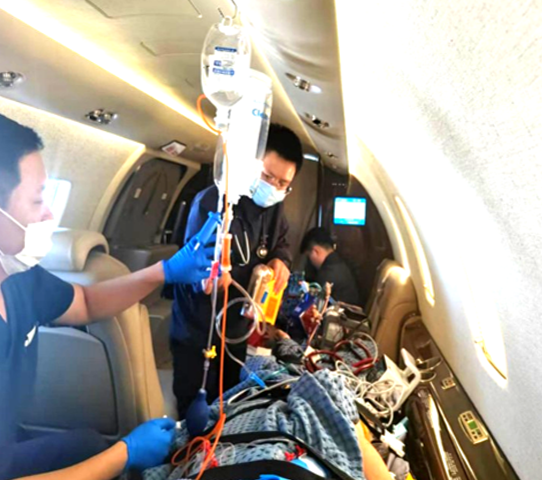
- Air Ambulance: Right for isolation, rapid turnarounds, or advanced life support end-to-end. Ideal when timing or clinical risk rules out commercial options.
- Hybrid Itineraries: High-speed rail plus ground ambulance can beat busy hubs, reduce total transfer time, and keep clinical continuity tight.
❓ Why This Matters For SEO-Minded Readers Too?
If you’re researching solutions, you’ll see broad claims and complex jargon. Look for providers who explain how they compress time: intake completeness, clinical gatekeeping, multi-mode routing, real-time operations, and bed-ready handovers. These are the levers that actually speed Booking a flight stretcher service, not just marketing copy.
✅ What Sets TKP Medical Assistance Apart
- One Coordinator, One Standard: A single accountable lead who owns timing and safety across every leg.
- Bedside-To-Bedside Clinical Continuity: Escorted care that doesn’t reset at each handoff.
- Operational Agility: Dynamic scheduling and route changes without starting from zero.
- Documentation Discipline: Approvals move faster when documentation is designed for the reviewers who must sign them.
Call To Action
If your family or facility needs to move quickly, contact TKP Medical Assistance 24/7. Share the latest medical records, confirm who can sign, and tell us your desired destination. We’ll respond with a rapid clinical review and a route that balances speed, safety, and cost. Ready to begin Booking a flight stretcher service safely? Send us your documents and a call-back number. We’ll align the approvals, mobilize the escort team, and keep your patient moving – bed to bed, without unnecessary stops.
Submit Your Request
Recent Posts

Tags
- Air Ambulance
- Bedside To Bedside
- Cross Border Aid
- Emergency Evacuation
- Global Medical Rescue
- How can I ensure the patient's stability while in the air?
- How do I request an air medical transport?
- How is it different from an air ambulance
- how to activate emergency aircraft service
- how to request an air ambulance
- Is air medical transport safe
- Is international transport possible
- Medical Rescue
- Medical Transport
- Patient Repatriation
- Remote Rescue
- Seamless Coordination
- Telemedicine Support
- Tourists And Expats Medical Escort
- What are the benefits of a cross-border medical transfer
- What are the different types of transfers
- What are typical use cases
- What documents do I need to prepare for a transfer?
- What does high-speed rail patient transfer stands for
- What is air ambulance
- What is air medical transport?
- What is cross-border medical transfer
- What is emergency aircraft
- what is high-speed rail patient transfer
- What is medical charter flight
- what is neonatal ICU transfer
- What is patient air transfer
- What medical equipment is available on board the aircraft
- What situations shouldn't use air medical transport?
- What types of air ambulance are there?
- What types of air ambulance exist
- What's the difference between international and domestic transfers?
- what’s the difference between air medical transport and regular ambulance?
- When is emergency air transport necessary
- Which patients require air medical transport?
- who is included in the medical team
- who needs an air ambulance