


Why Families Struggle Booking Commercial Airline Stretcher for Patients


Most people only hear the term Commercial Airline Stretcher for Patients when something has already gone wrong. A loved one is in a hospital abroad, the doctor is talking about “medical repatriation”, and suddenly the family has to arrange an international transfer they’ve never heard of before.
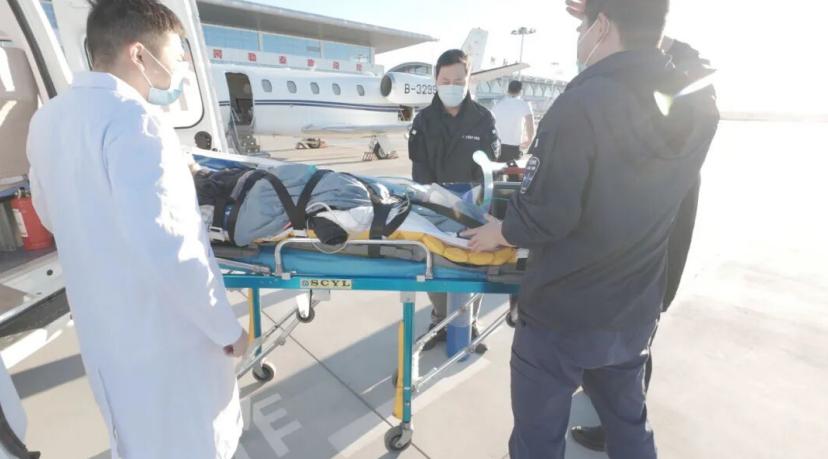
At TKP Medical Assistance, we speak with sons, daughters, and spouses who are under huge pressure. They are scared of making the wrong decision, unsure who to trust, and surprised by how complicated a “simple flight with a stretcher” can become.
Below, we break down why families so often struggle, how we actually plan and operate these missions, and what you can prepare in advance to save time and stress.
Why A Stretcher Flight Is Much More Than A Ticket
On paper, a Commercial Airline Stretcher for Patients sounds like a normal flight with a bed instead of a seat. In reality, it is a complex medical and logistical operation that has to satisfy airlines, hospitals, immigration authorities, and sometimes insurers and embassies at the same time.
Families usually run into problems because several things must happen in the right order:
•The airline must review and approve the medical case
•The sending and receiving hospitals must agree the patient is fit to travel
•Visas, passports, and entry permissions must be checked and sometimes updated
•Payment or insurance guarantees must be confirmed
•Airport and ground ambulance timelines need to match the flight schedule
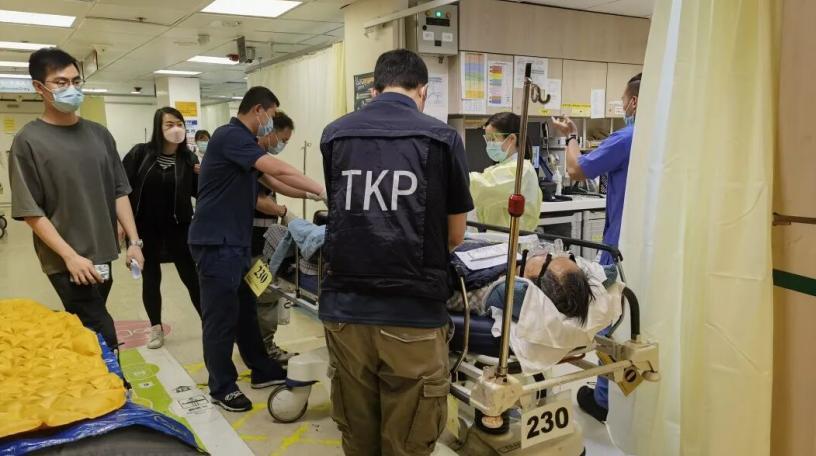
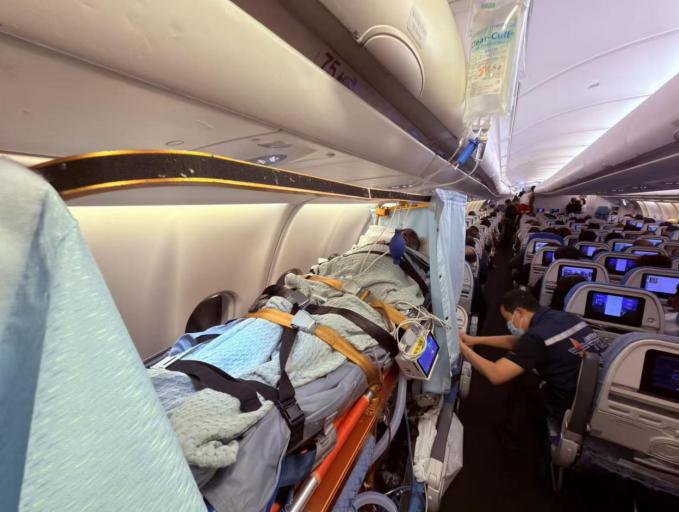
Every airline has its own rules for stretcher cases. Some fleets simply cannot install stretchers on certain aircraft types. Other routes may not allow oxygen cylinders or medical escorts. On top of that, a stretcher usually occupies several rows of seats, so the airline needs time to block those seats and adjust its booking system.
For a family already dealing with shock or grief, this maze of rules can feel unbearable. They may be trying to coordinate from another country, in another time zone, sometimes in a language they do not speak well. Without a specialist guiding the process, it is very easy to lose crucial days just trying to understand who to contact and what to send.
This is exactly where TKP Medical Assistance steps in: we turn that chaos into a clear, realistic plan and handle the coordination on your behalf.
How TKP Medical Assistance Designs Safe, Door-To-Door Transfers
TKP Medical Assistance was founded in 2001 in Shenzhen and has spent more than 20 years focused on cross-border medical evacuation and patient transfer. Over the years, we have helped thousands of patients move between cities, regions, and continents, often under intense time pressure.
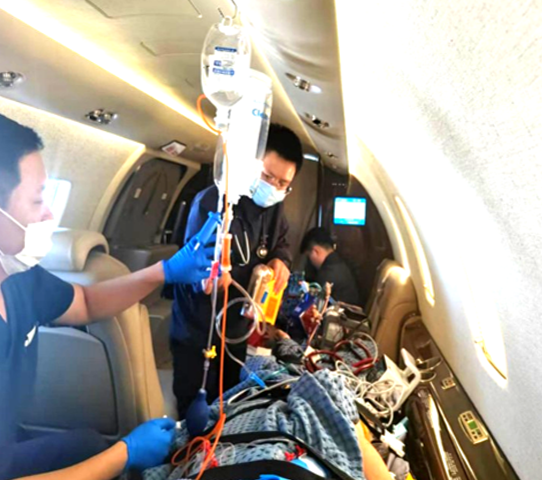
Instead of thinking in terms of “one flight”, our team always designs a full transfer chain. Depending on the case, this may combine different modes of transport:
✅Commercial Airline Stretcher for Patients where airline approval is possible and medically appropriate
✅Air ambulance for unstable patients or routes where commercial options are not safe
✅High-speed rail for medium distances when flying is not ideal
✅Ground ambulance from bedside to airport and from airport to receiving hospital
Many of our cases start far away from major hubs. Patients may be in regional hospitals or remote cities with limited medical infrastructure. To bridge that gap, we maintain a flexible route network that makes use of both large international airports and smaller, less equipped ones when needed.
Our operations team:
- Maps out the fastest and safest combination of ground and air legs
- Aligns the timing of each segment so the patient is not left waiting on a stretcher in a corridor or on a tarmac
- Monitors flights in real time and adjusts plans if there are delays, diversions, or weather disruptions
- Keeps direct contact with doctors on both ends to ensure continuity of care
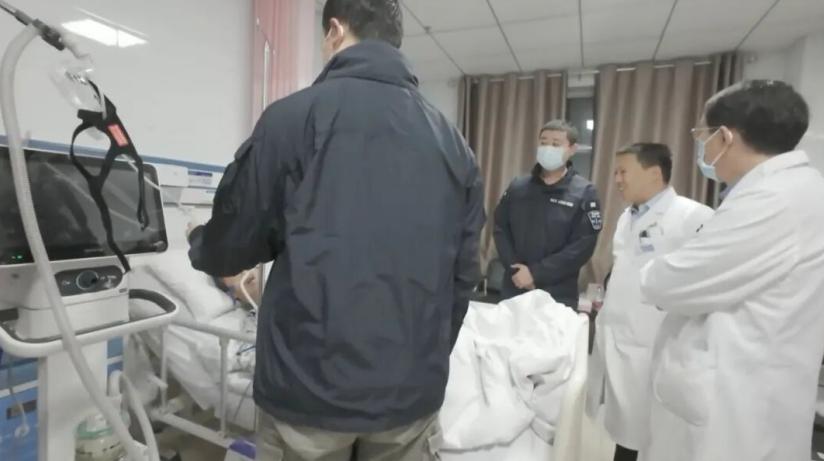
For families, this means one main point of contact instead of dozens of phone numbers. You do not have to negotiate with airlines, airports, and ambulance providers separately. We do that for you, while explaining each step in clear language so you remain in control of the decisions.
Call-to-Action: If you are comparing options between air ambulance and a Commercial Airline Stretcher for Patients, our medical coordination team can review your case and suggest the safest and most cost-effective route. A short conversation can save days of confusion.
What Families Can Prepare To Avoid Delays
Even with an experienced provider on your side, there are a few key items that only the family can supply. Having these ready early makes it much easier for us to design the right solution and get a stretcher flight approved in time.
1. Recent Medical Information
We need a clear picture of the patient’s condition. This usually includes discharge summaries, current diagnoses, treatment plans, and a list of medications. If possible, having these documents in English helps with communication between hospitals and airlines. Contact details of the attending doctor are especially useful so our medical team can speak directly with them.
2. Travel And Identity Documents
For a Commercial Airline Stretcher for Patients, airlines and immigration authorities require valid passports for the patient and any accompanying relatives. Depending on the destination, visas, residence permits, or other immigration documents may also be necessary. For children, birth certificates or legal consent letters can be required. Keeping scanned copies on your phone or laptop speeds up many checks.
3. Insurance And Financial Clarity
If there is travel or international health insurance, we will ask for the policy and the insurer’s contact details. In some situations, the insurer covers part or all of the transfer. In others, an upfront deposit or financial guarantee is needed. Knowing who will take responsibility for payment helps avoid painful last-minute surprises.
4. A Single Decision Maker
In difficult situations, many relatives want to help – which is natural. However, from a practical point of view, it is best to appoint one main family representative who can sign documents, make decisions quickly, and stay reachable at all times. A backup contact is also helpful if phone batteries die or someone is in transit.
5. Visa And Entry Rules For Medical Travel
Some countries offer special medical or humanitarian visas for urgent cases, but these still need time to process. TKP Medical Assistance can support with medical invitation letters and embassy communication, yet we cannot fully control government processing times. This is why we recommend starting visa checks as early as possible, especially for escorting family members who may need separate visas.
When To Reach Out – And What Happens Next
Many families wait until they have “all documents ready” before contacting us about a Commercial Airline Stretcher for Patients. In practice, it is often better to reach out as soon as the doctor starts talking about transfer, even if you are still missing reports or forms.
When you contact TKP Medical Assistance, our team will typically:
- Listen to your situation and ask a few focused questions
- Review any medical information you already have
- Give an initial view on whether stretcher, air ambulance, or a mixed solution is appropriate
- Outline the likely timeline and key steps, so your family and the treating doctors know what to expect
From there, we stay beside you until your loved one is safely handed over to the receiving hospital. Our role is not only to move patients, but also to reduce uncertainty for families at a very difficult time.
Call-to-Action
If you are facing a tough decision about cross-border medical transport, you do not have to navigate it alone. Contact TKP Medical Assistance to discuss your case, explore the option of Commercial Airline Stretcher for Patients, and plan a safe, realistic route from the current bedside to the next stage of care.
Submit Your Request
Recent Posts
Tags
- Air Ambulance
- Bedside To Bedside
- Cross Border Aid
- Emergency Evacuation
- Global Medical Rescue
- How can I ensure the patient's stability while in the air?
- How do I request an air medical transport?
- How is it different from an air ambulance
- how to activate emergency aircraft service
- how to request an air ambulance
- Is air medical transport safe
- Is international transport possible
- Medical Rescue
- Medical Transport
- Patient Repatriation
- Remote Rescue
- Seamless Coordination
- Telemedicine Support
- Tourists And Expats Medical Escort
- What are the benefits of a cross-border medical transfer
- What are the different types of transfers
- What are typical use cases
- What documents do I need to prepare for a transfer?
- What does high-speed rail patient transfer stands for
- What is air ambulance
- What is air medical transport?
- What is cross-border medical transfer
- What is emergency aircraft
- what is high-speed rail patient transfer
- What is medical charter flight
- what is neonatal ICU transfer
- What is patient air transfer
- What medical equipment is available on board the aircraft
- What situations shouldn't use air medical transport?
- What types of air ambulance are there?
- What types of air ambulance exist
- What's the difference between international and domestic transfers?
- what’s the difference between air medical transport and regular ambulance?
- When is emergency air transport necessary
- Which patients require air medical transport?
- who is included in the medical team
- who needs an air ambulance