


Step-by-Step Approach to ECMO Transfer for Critical Care Patients


Ecmo Transfer For Critical Care Patients demands precision, speed, and calm coordination – at TKP Medical Assistance, we build the pathway so clinicians and families can focus on the patient. From the bedside outward, our ICU-trained teams handle equipment, staffing, routing, clearances, and handovers. We operate ECMO and IABP continuously, including during international flights, and we simplify the details that often derail urgent moves. This guide explains how we work, what families should prepare, and why hospitals choose us for high-acuity transport.
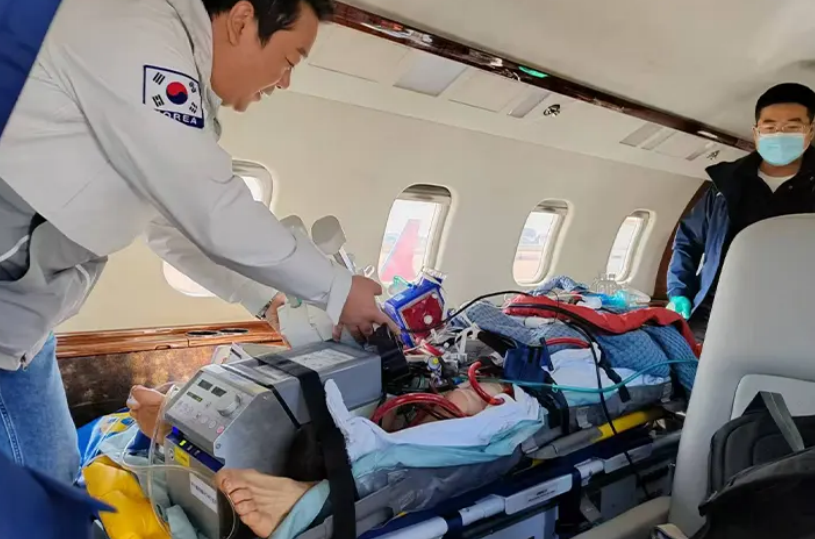
Why TKP Excels in Ecmo Transfer For Critical Care Patients
The typical transfer breaks down at predictable points: missing paperwork, unclear roles, equipment limits, and delays between facilities. Each gap adds risk. We remove friction with disciplined planning and a pediatric-first mindset. Our clinicians run ECMO, IABP, ventilators, and monitoring end to end – an approach designed for premature infants, postoperative neonates, and children with complex cardiac or respiratory conditions. Repeated cross-province and cross-border missions, including transfers for Guangzhou Women and Children’s Medical Center, have shaped a reliable playbook that holds up under pressure.
When distance is long and timing is tight, small efficiencies protect stability. Our team aligns clinical needs with the safest available route and the fastest achievable clearances. Communication is continuous: sending physicians, our transport crew, and the receiving ICU stay in lockstep, so settings and therapies evolve without pause. Families get one point of contact and clear expectations – from the first call to final handover.
•Full support in flight segments: Continuous operation of ECMO, IABP, ventilators, and advanced monitoring.
•Specialized pediatric focus: Premature infants, postoperative neonates, congenital heart disease, respiratory failure.
•Cross-border execution: Coordination, staged handovers, and logistics refined through repeated international cases.
For families seeking a cross-border pediatric ECMO transfer or an ECMO neonatal transport service, our method turns a stressful journey into a structured, clinically consistent process.
Step-by-Step: How We Move Safely
We follow a nine-stage activation flow that prioritizes safety and speed while keeping decisions transparent for clinicians and families.
- Intake & Clinical Review
Our 24/7 Coordination Center captures requests immediately and gathers essentials – recent history, current therapy, timing, and insurance details. A nurse or physician conducts a focused review of stability and treatment requirements. We define the exact equipment and personnel needed, ensuring that life-support and monitoring can be maintained without interruption.
- Route, Quotation & Consent
Air, ground, and rail options are evaluated against patient acuity, distance, transit time, and regulatory clearances. The target is always the fastest safe route. We then present a transparent quotation, obtain consent, and secure insurance preauthorization. With clarity on scope and cost, everyone is aligned before resources roll.
- Activation, Pickup & In-Transit Care
Once approved, we mobilize flight nurses, critical-care attendants, medical escorts, and validated equipment. At bedside pickup we run safety checks, stabilize the patient, and confirm settings. During transit, our clinicians watch trends in real time, adjust ventilators and life-support as needed, and communicate updates so the receiving ICU is ready to pick up care without delay.
- Destination Handover & Follow-Up
On arrival, we deliver a structured transfer: medical reports, equipment handoff, and a verbal brief for the receiving team. Afterward, we manage outcomes follow-up, billing, and insurance claims, and we address any post-transfer questions. The goal is continuity – no gaps, no missing data, no surprises.
Call to Action: Need urgent ECMO/IABP transport? Contact TKP Medical Assistance now. We will assess, plan, and deploy – quickly and safely.
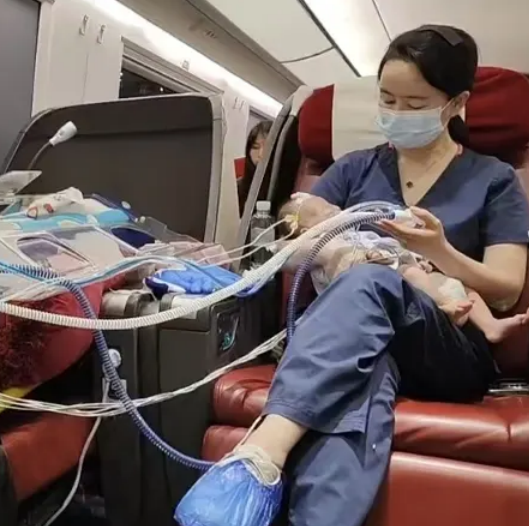
What Speeds Approval
Preparation cuts hours off timelines and reduces stress. For cross-border cases, documents often move the needle as much as clinical readiness. Please organize the following in advance:
• Patient medical information: Recent records, discharge summaries, diagnoses, treatment plans, and current medications. English translations help. Include the attending physician’s contact to enable direct clinical coordination.
• Travel and ID documents: Passports for the patient and accompanying family; visas if required. For minors, include a birth certificate or authorization letter. Keep scanned or photographed copies for rapid submission.
• Insurance and payment details: Policy documentation and insurer contacts. Identify the paying party if coverage does not apply. Some missions require upfront guarantees and consent for provider–insurer communication.
• Authorized representative: Designate a reachable decision-maker and a secondary contact. Share any preferred receiving hospital or country; if not set, we propose options based on medical needs and visa accessibility. Note early any oxygen needs, language assistance, or mobility support.
• Visa specifics: Rules vary by destination and nationality. Many transfers need a medical visa or humanitarian permit. We assist with invitation letters and embassy coordination, but processing can take 24–72 hours, so begin as soon as possible. Ensure escorting family documents are also in order.
✅How preparation helps your patient
•Faster clearances and route confirmation.
•Fewer back-and-forths during a critical window.
•Smooth handovers at departure and arrival.
Why this matters: During Ecmo Transfer For Critical Care Patients, stable therapy and predictable timelines go hand in hand. When your documents are ready, equipment and teams move sooner, and the clinical plan stays ahead of logistics rather than chasing it.
At TKP Medical Assistance, our promise is simple: keep the patient stable, keep the process clear, and keep everyone informed. We pair pediatric specialists with continuous operation of ECMO, IABP, ventilators, and monitoring across every leg – ground, air, and international segments. Our stepwise activation flow removes guesswork, and our communication standards ensure that bedside teams on both ends work as one.
If you are planning Ecmo Transfer For Critical Care Patients, or comparing providers for a complex neonatal or pediatric move, talk to us. Share the patient summary, current therapies, location, and timing. We will return a concise plan – route options, resources, quotation, and next steps – so you can act with confidence.
CTA – Speak with TKP Medical Assistance today. One call sets the process in motion: clinical review, route design, consent and insurance checks, and rapid activation. When minutes matter, a proven pathway makes all the difference.
Submit Your Request
Recent Posts

Tags
- Air Ambulance
- Bedside To Bedside
- Cross Border Aid
- Emergency Evacuation
- Global Medical Rescue
- How can I ensure the patient's stability while in the air?
- How do I request an air medical transport?
- How is it different from an air ambulance
- how to activate emergency aircraft service
- how to request an air ambulance
- Is air medical transport safe
- Is international transport possible
- Medical Rescue
- Medical Transport
- Patient Repatriation
- Remote Rescue
- Seamless Coordination
- Telemedicine Support
- Tourists And Expats Medical Escort
- What are the benefits of a cross-border medical transfer
- What are the different types of transfers
- What are typical use cases
- What documents do I need to prepare for a transfer?
- What does high-speed rail patient transfer stands for
- What is air ambulance
- What is air medical transport?
- What is cross-border medical transfer
- What is emergency aircraft
- what is high-speed rail patient transfer
- What is medical charter flight
- what is neonatal ICU transfer
- What is patient air transfer
- What medical equipment is available on board the aircraft
- What situations shouldn't use air medical transport?
- What types of air ambulance are there?
- What types of air ambulance exist
- What's the difference between international and domestic transfers?
- what’s the difference between air medical transport and regular ambulance?
- When is emergency air transport necessary
- Which patients require air medical transport?
- who is included in the medical team
- who needs an air ambulance