


How Helicopter Medical Aircraft Solve Rural Emergency Gaps


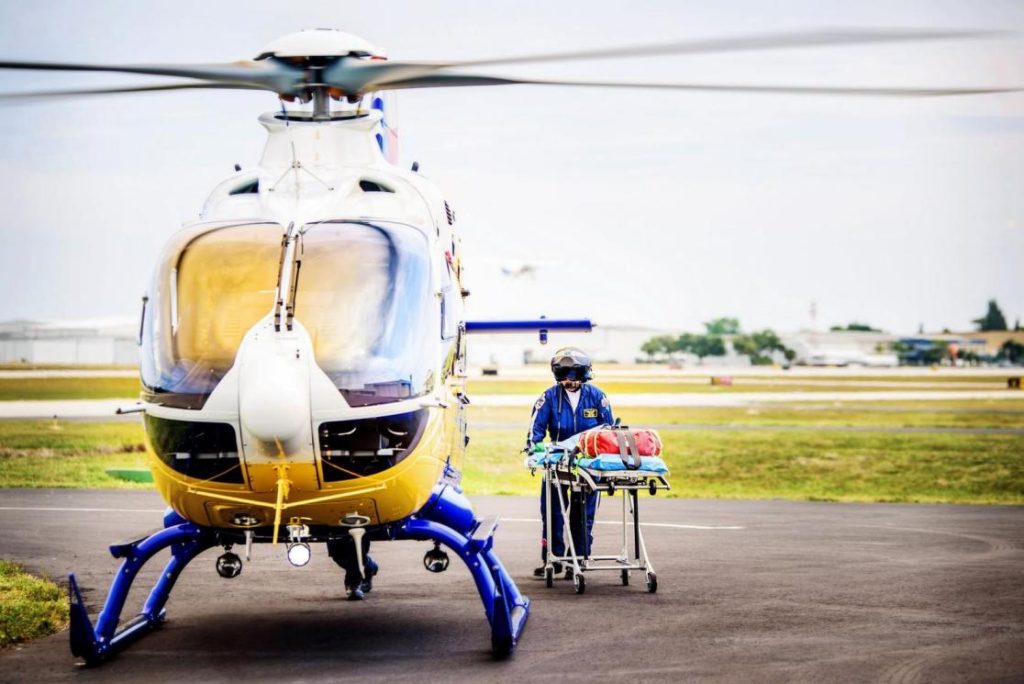
Helicopter Medical Aircraft shorten distance, buy time, and move patients of rural areas, offshore platforms, mountains and deserts toward definitive care when minutes feel like hours. In many regions, the hardest part of treatment isn’t the diagnosis. It’s the journey. At TKP Medical Assistance, a trusted provider of cross-border medical evacuation and patient transfer services, we build practical pathways that connect isolated communities with the right hospital on the first attempt – without losing momentum in between.
1) The First Ten Minutes: Turning Distance Into Time Savings
Rural medicine lives with constraints. Long roads. Patchy networks. Limited beds. A clinic can stabilize a patient, but specialty services may sit a mountain pass or a border away. Referrals involve multiple calls, and families juggle uncertain travel. Weather changes quickly, and so do road conditions. Each delay compounds risk.
What changes with Helicopter Medical Aircraft? Altitude removes obstacles. Crews lift directly from near the patient, bypassing traffic, damaged roads, or river crossings. Communication is coordinated in advance so the receiving team knows when to expect the handover. Instead of stringing together a series of improvised steps, TKP aligns one continuous plan: bedside assessment, lift-off, en-route care, and a ready bay at the destination.
We focus on post-stabilization critical transfers and time-sensitive evacuations – cardiac events, trauma, neonatal complications, and post-operative issues that cannot wait. Mode selection is case-by-case. Helicopter to reach a hub. Fixed-wing for distance. Rail segments where flight isn’t optimal. Ground ambulance for the last mile. The result is fewer risky handovers and clearer timelines for families.
2) Integrated Transfer Options Built For Continuity
Our philosophy is simple: choose the safest, fastest, most appropriate mode for the patient’s condition, not the one that happens to be closest. Helicopter Medical Aircraft are a cornerstone, but they work best inside an integrated system.
- Air Ambulance And ICU-Level Care
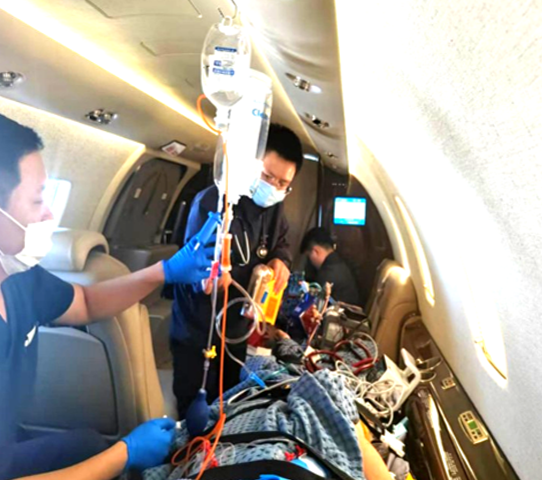
When a patient needs intensive support, we operate air ambulance missions equipped with ICU-grade monitoring, ventilators, and life support. Flight-trained nurses and intensive care physicians manage altitude, cabin pressure, and medication protocols with a calm, repeatable routine. A rural clinic alerts our coordination center; we match the aircraft and crew to the clinical picture and confirm capacity at the receiving facility before wheels up. Helicopters often handle the first, most critical leg to a runway or regional hub; a fixed-wing aircraft can then extend the reach without breaking continuity.
✅ Key advantages:
- ICU-grade equipment for continuous in-flight monitoring
- Flight-trained medical escorts for complex presentations
- Planned handovers to reduce confusion and clinical drift
- Commercial Stretcher Transfers
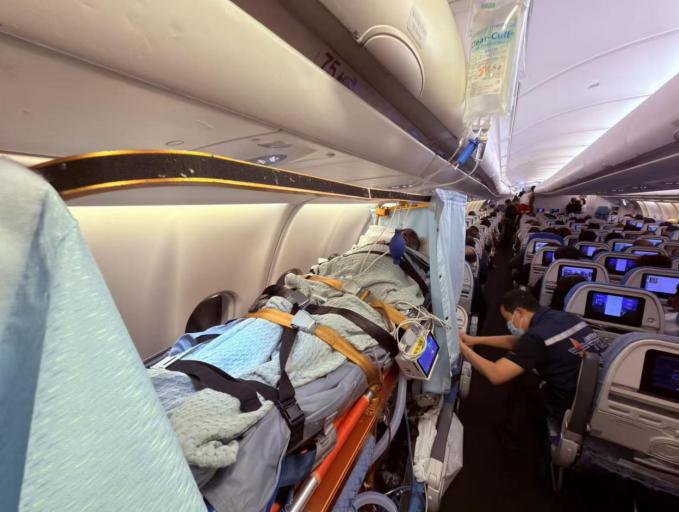
Some patients are stable but remain bedridden. For them, commercial stretcher transport offers a cost-effective, dignified solution for cross-border travel. With airline approval, a dedicated stretcher compartment is arranged on international or domestic flights. Medical escorts accompany the patient the entire way, guiding boarding logistics, oxygen needs, and medication schedules – without the expense of a dedicated aircraft.
✅ Ideal for:
- Stable post-surgery cases needing long-range transfer
- Patients requiring professional monitoring, not full ICU ventilation
- Families prioritizing predictable schedules and controlled costs
- Rail – Ambulance Integration
High-speed rail is remarkably smooth and punctual. For intercity or cross-border routes where flying is not optimal, we coordinate rail segments with ambulance pickup and hospital delivery. Neonates and recent surgical patients often benefit from the gentle ride and dependable timetables. Our teams map station access, stretcher pathways, and onboard positioning to keep the chain of care unbroken.
✅ Benefits at a glance:
- Reduced turbulence risk versus some air routes
- Reliable timetables that simplify clinical planning
- Seamless handoffs to ground ambulance at both ends
CTA: Unsure which mode fits a current case? Talk to TKP Medical Assistance for an assessment that weighs condition, distance, weather, and budget – then recommends the safest route.

3) Route Planning And Cross-Border Coordination Without The Guesswork
Speed matters, but planning prevents wasted speed. The emergencies of rural areas, offshore platforms, mountains and deserts demand smart routing, clear documentation, and partners who know how to move across jurisdictions. Our route network links remote airstrips, regional hubs, and major centers. We use strategically selected airports, including those with minimal infrastructure, to reach communities other providers often overlook. Helicopter Medical Aircraft frequently serve as the first lift from a village to the nearest airfield; from there, we expand options – fixed-wing, rail, or ground – depending on the case.
What our routing delivers:
- Dynamic scheduling matched to patient urgency and stability
- Domestic and international coverage for true end-to-end transfers
- Use of airports with minimal infrastructure for remote access
- Optimized paths that reduce flight time and exposure to risk
- Close coordination with hospitals and embassies for smooth clearances
A dedicated operations team tracks every mission in real time. Weather, airspace restrictions, or bed availability can change mid-journey; our planners adapt routes while keeping clinical aims intact. This integrated approach outperforms ad-hoc arrangements because it limits surprises. Fewer gaps. Fewer phone calls. Faster, safer arrivals.
Where do Helicopter Medical Aircraft fit best? The first mile and the last mile. They lift near the patient, land closer to the receiving team, and erase geography that keeps families waiting. Combined with commercial stretcher programs, ICU-capable air ambulances, and rail-ambulance integration, they create a bed-to-bed solution that respects time, clinical stability, and cost.
Closing Words
Ready to close the distance for your patients? Partner with TKP Medical Assistance for coordinated Helicopter Medical Aircraft missions and multi-modal transfers that keep care continuous from the first call to the final handover. Share the case details today, and we’ll outline a safe, efficient route – step by step.
Submit Your Request
Recent Posts

Tags
- Air Ambulance
- Bedside To Bedside
- Cross Border Aid
- Emergency Evacuation
- Global Medical Rescue
- How can I ensure the patient's stability while in the air?
- How do I request an air medical transport?
- How is it different from an air ambulance
- how to activate emergency aircraft service
- how to request an air ambulance
- Is air medical transport safe
- Is international transport possible
- Medical Rescue
- Medical Transport
- Patient Repatriation
- Remote Rescue
- Seamless Coordination
- Telemedicine Support
- Tourists And Expats Medical Escort
- What are the benefits of a cross-border medical transfer
- What are the different types of transfers
- What are typical use cases
- What documents do I need to prepare for a transfer?
- What does high-speed rail patient transfer stands for
- What is air ambulance
- What is air medical transport?
- What is cross-border medical transfer
- What is emergency aircraft
- what is high-speed rail patient transfer
- What is medical charter flight
- what is neonatal ICU transfer
- What is patient air transfer
- What medical equipment is available on board the aircraft
- What situations shouldn't use air medical transport?
- What types of air ambulance are there?
- What types of air ambulance exist
- What's the difference between international and domestic transfers?
- what’s the difference between air medical transport and regular ambulance?
- When is emergency air transport necessary
- Which patients require air medical transport?
- who is included in the medical team
- who needs an air ambulance