


Russian Patient’s Long Road Home — TKP Medical Assistance Ensures Safe Return


A critically ill Russian national stranded in Beijing due to post-surgical complications was successfully repatriated with the support of TKP Medical Assistance. Combining medical precision, cross-border coordination, and logistical planning, TKP orchestrated a complex land-and-sea medical transfer from China to Russia — demonstrating that borders should never hinder lifesaving care.
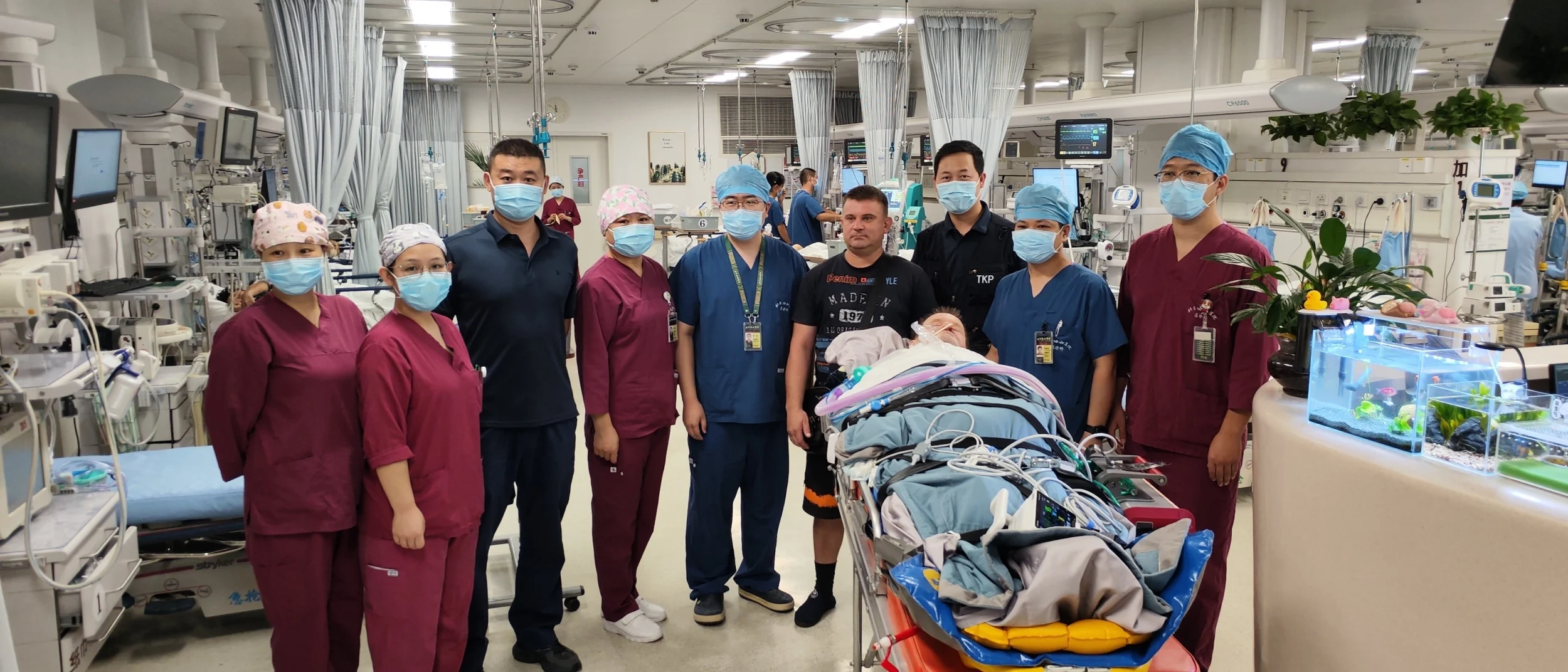
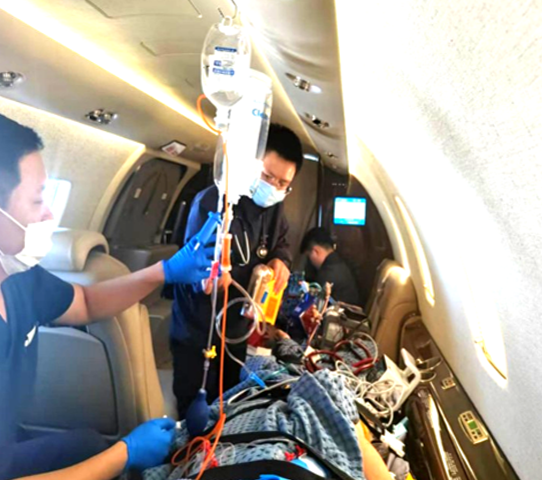
TKP medical team completed bedside assessment and handover with local ICU staff before departure from Beijing
Emergency in Transit: A Sudden Crisis at Beijing Airport
Mr. Leonid, a Russian businessman previously injured in a traffic accident in South Korea, was transiting through Beijing when he suffered sudden respiratory failure and cardiac arrest. Immediate resuscitation at Beijing Daxing Airport, followed by ICU admission and ventilator support, stabilized his condition. However, due to his neurological status, recent airway complications, and high seizure risk, commercial air travel was deemed too dangerous.
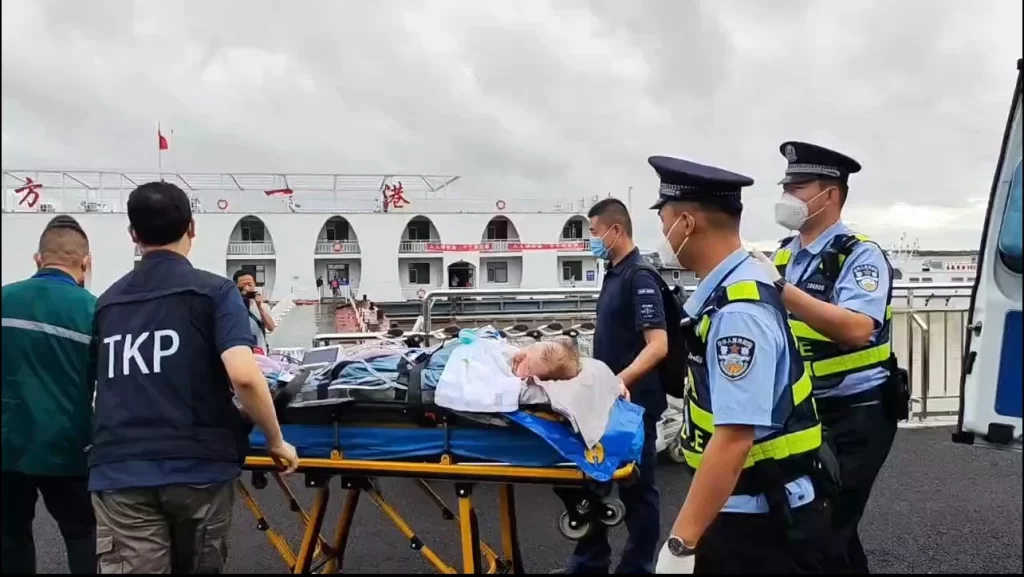
With full support from customs officers, the patient was swiftly escorted onto the cross-border ferry to Khabarovsk
Rethinking the Route: From Beijing to the Russian Border by High-Speed Rail
With no safe flight options and Russia-bound routes complicated by geopolitical restrictions, TKP Medical Assistance proposed an innovative overland route. After a thorough bedside assessment, the team coordinated a high-speed rail transfer from Beijing to the remote Fuyuan port in northeast China — the country’s easternmost border crossing. There, the patient would cross the Amur River by ferry to Khabarovsk, Russia.
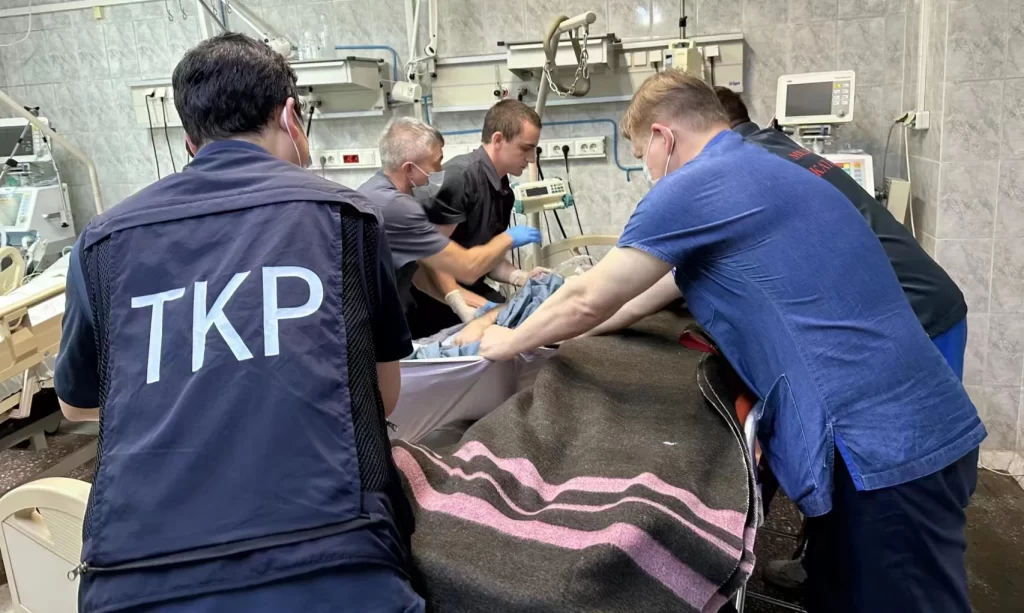
Mr. Leonid was safely admitted to a local hospital in Khabarovsk for continued treatment after cross-border transfer
Cross-Border Precision: Green Channel for Life
At 5:30 AM, the TKP-led convoy arrived at the Fuyuan border checkpoint. Thanks to pre-coordinated support from customs, port, and health officials, the team cleared border procedures in under 10 minutes. Leonid was safely transferred to a cross-border passenger vessel and continued his journey home. This operation marks a milestone in cross-border medical logistics, underscoring TKP’s commitment to life above all politics and distance.
Frequently Asked Questions – Cross-Border Medical Rescue
Need help understanding how international medical rescue works? Browse our most common questions to learn about service coverage, response times, documentation requirements, and more. We’re here to support you every step of the way.
Q: Which countries are covered by the cross-border medical rescue service?
A: We cover major countries and regions worldwide to ensure timely rescue
Q: How can I request cross-border medical rescue?
A: Please submit an emergency rescue request through our official website or customer service.
Q:What documents are needed for medical rescue?
A: Patient ID, medical diagnosis report, and emergency contact information are required.
Q: How is the rescue service fee settled?
A: Fees can be paid via insurance claims or direct payment for the service.
Q: How quickly does the rescue response start?
A: In emergencies, rescue operations typically begin within a few hours.
Submit Your Request
Recent Posts

Tags
- Air Ambulance
- Bedside To Bedside
- Cross Border Aid
- Emergency Evacuation
- Global Medical Rescue
- How can I ensure the patient's stability while in the air?
- How do I request an air medical transport?
- How is it different from an air ambulance
- how to activate emergency aircraft service
- how to request an air ambulance
- Is air medical transport safe
- Is international transport possible
- Medical Rescue
- Medical Transport
- Patient Repatriation
- Remote Rescue
- Seamless Coordination
- Telemedicine Support
- Tourists And Expats Medical Escort
- What are the benefits of a cross-border medical transfer
- What are the different types of transfers
- What are typical use cases
- What documents do I need to prepare for a transfer?
- What does high-speed rail patient transfer stands for
- What is air ambulance
- What is air medical transport?
- What is cross-border medical transfer
- What is emergency aircraft
- what is high-speed rail patient transfer
- What is medical charter flight
- what is neonatal ICU transfer
- What is patient air transfer
- What medical equipment is available on board the aircraft
- What situations shouldn't use air medical transport?
- What types of air ambulance are there?
- What types of air ambulance exist
- What's the difference between international and domestic transfers?
- what’s the difference between air medical transport and regular ambulance?
- When is emergency air transport necessary
- Which patients require air medical transport?
- who is included in the medical team
- who needs an air ambulance