


How Medical Aircraft Equipment Enhances Critical Care Response


Medical Aircraft Equipment is the backbone of fast, safe patient transport – and at TKP Medical Assistance, we turn equipment into outcomes. In time-critical missions, delays cost lives. Our role is to shorten every minute from bedside to destination while maintaining ICU-level care. We combine certified air ambulance systems with commercial stretcher solutions, high-speed rail, and ground ambulance to keep care continuous and communication clear.
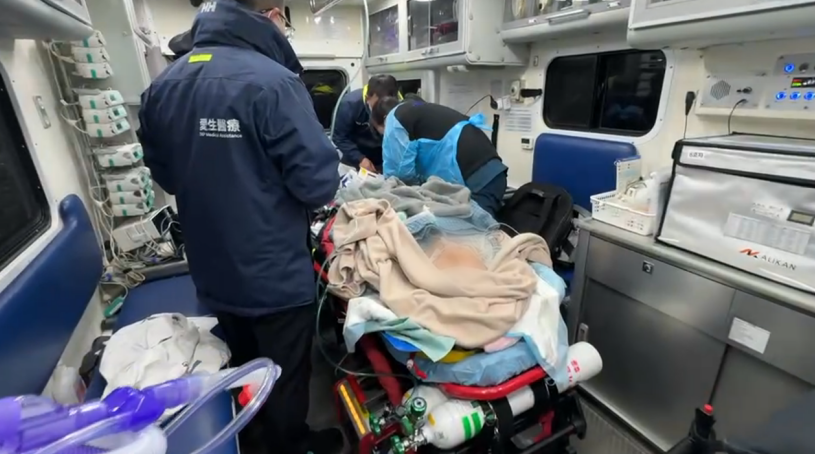
Why Medical Aircraft Equipment Leads Faster Response
Emergency transfers often face familiar pain points: slow approvals, fragmented handoffs, limited airport access, and inconsistent clinical standards between cities or countries. Weight limits and cabin layout also restrict what can fly, which can reduce monitoring capacity or medication stocks. These frictions extend timelines and raise clinical risk.
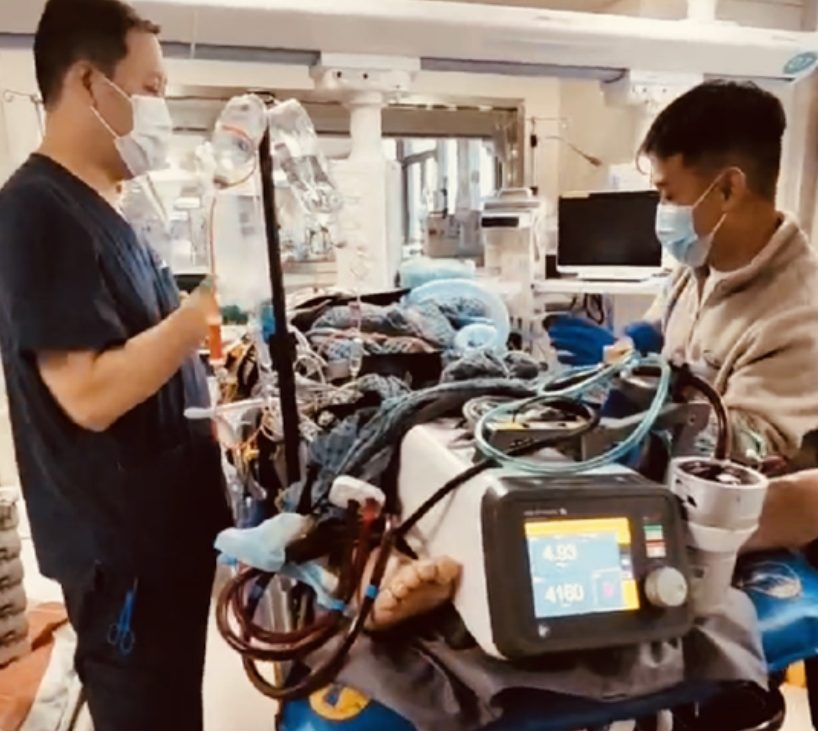
TKP tackles these issues with a simple principle: post-stabilization, continuous care. Our aircraft are equipped with ICU-grade monitors, ventilators, and life-support devices that maintain high-altitude stability. We plan for power, redundancy, and space, so critical drugs and devices are ready when the patient boards. Each mission pairs gear with people: every medical escort is ICU/ER-trained and experienced in in-flight care. That means faster decisions, smoother transitions, and safer outcomes.
From mainland China to Southeast Asia, Europe, and North America, our network keeps transfers moving even when infrastructure is limited. We select the right aircraft, airports, and connectors to reduce ground time and avoid bottlenecks. Fewer handoffs, fewer surprises.
✅ From Stabilization to Arrival: Continuous Care
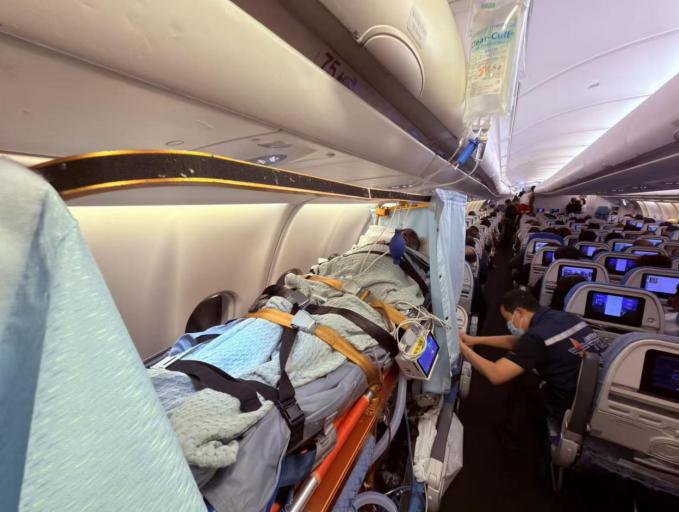
We design each transfer around the patient’s condition. If a patient is stable yet bedridden, a commercial stretcher with airline approval can be the most cost-effective option. If the case is high-acuity, we deploy an air ambulance with ICU-level in-flight care. For intercity routes that favor speed and comfort on the ground, we align high-speed rail with ambulance pickup and drop-off. No matter the mode, the Medical Aircraft Equipment and the clinical team stay aligned to one plan.
How TKP Uses Medical Aircraft Equipment to Cut Delays
We reduce response times by matching modality to medical need, then locking in permissions, escorts, and equipment early. That eliminates the last-minute scramble that so often stalls departures.
Services Built for Time-Critical Transfers
✅ Commercial stretcher transport with airline approval.
Cost-effective for stable, bedridden patients; dedicated stretcher compartments on international or domestic flights with full medical escort.
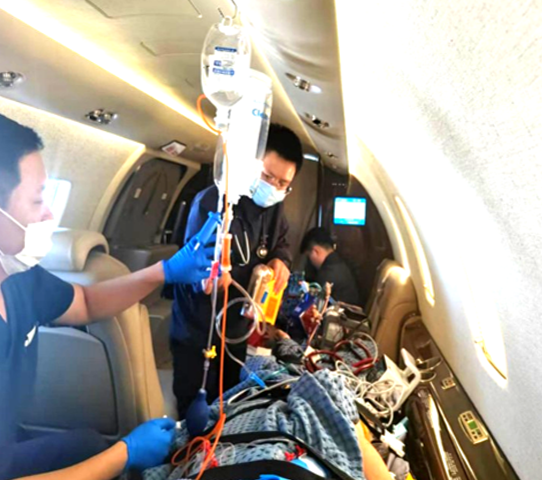
✅ Air ambulance services with ICU-level escort care.
ICU-grade monitoring, ventilators, and life support; missions led by intensive care doctors and flight-trained nurses for high-altitude stability – ideal for ICU-level in-flight care (long-tail keyword).
✅ Integrated high-speed rail and ambulance.
Coordinated rail segments with ambulance pickup/drop-off; suitable for neonatal or post-surgery patients who need continuous monitoring off-flight.
Alongside the platforms, our differentiators tighten the chain of care. Each transfer is matched with ICU-trained doctors, nurses, and critical medications. We provide multilingual case coordination (Mandarin, English, Cantonese) for accurate communication with patients, hospitals, and families. One dedicated medical coordinator manages a closed-loop process – from pre-assessment to arrival – so information never gets lost between teams or borders.
For complex cases, we create personalized critical transport plans. From ECMO to pediatric incubators, we confirm device compatibility, cabin power, and mounting points before wheels-up. This planning protects clinical quality and shortens turnaround times. It also aligns with air ambulance equipment standards so hospitals and insurers can trust the pathway.
Route Planning with Medical Aircraft Equipment
Route design is where minutes become lives saved. Our transfer route map connects remote, underserved, or emergency locations to leading medical facilities worldwide. We choose airports that keep ground times short – even those with minimal infrastructure – while preserving safety margins and clinical control. Our operations team tracks missions in real time and can adjust routes as patient status or weather changes.
✅ Transfer Route Map: Designed for Urgency
• Dynamic flight scheduling tailored to patient condition and urgency
• Global coverage spanning domestic and international locations
• Use of airports with minimal infrastructure for remote access
• Optimized routes to reduce flight time and protect patient safety
• Close coordination with hospitals and embassies for smooth transfers
This system removes the usual delays – unclear paperwork, misaligned handoffs, and equipment constraints – by planning for them in advance. The result is faster activation, cleaner transfers, and more predictable arrival times. Most important, it means Medical Aircraft Equipment is not just present; it is configured for the exact patient in the exact aircraft on the exact route.
Ready to move fast – and safely?
Call to Action: If you need a cross-border emergency or non-emergency transfer, contact TKP Medical Assistance today. Our ICU/ER-trained escorts, integrated transport options, and rigorously planned Medical Aircraft Equipment configurations help you cut delays and safeguard outcomes. We’ll assess the case, propose the optimal modality, and coordinate every step until your patient arrives.
Submit Your Request
Recent Posts

Tags
- Air Ambulance
- Bedside To Bedside
- Cross Border Aid
- Emergency Evacuation
- Global Medical Rescue
- How can I ensure the patient's stability while in the air?
- How do I request an air medical transport?
- How is it different from an air ambulance
- how to activate emergency aircraft service
- how to request an air ambulance
- Is air medical transport safe
- Is international transport possible
- Medical Rescue
- Medical Transport
- Patient Repatriation
- Remote Rescue
- Seamless Coordination
- Telemedicine Support
- Tourists And Expats Medical Escort
- What are the benefits of a cross-border medical transfer
- What are the different types of transfers
- What are typical use cases
- What documents do I need to prepare for a transfer?
- What does high-speed rail patient transfer stands for
- What is air ambulance
- What is air medical transport?
- What is cross-border medical transfer
- What is emergency aircraft
- what is high-speed rail patient transfer
- What is medical charter flight
- what is neonatal ICU transfer
- What is patient air transfer
- What medical equipment is available on board the aircraft
- What situations shouldn't use air medical transport?
- What types of air ambulance are there?
- What types of air ambulance exist
- What's the difference between international and domestic transfers?
- what’s the difference between air medical transport and regular ambulance?
- When is emergency air transport necessary
- Which patients require air medical transport?
- who is included in the medical team
- who needs an air ambulance