


Tour Bus Crash in Utah: TKP Ensures Safe Medical Repatriation of Chinese Tourists


On September 20, 2019, a tragic tour bus accident near Bryce Canyon National Park injured 26 Chinese tourists, four of them fatally. In response, TKP Medical Assistance was entrusted by government and corporate entities to coordinate the complex repatriation of injured patients across borders. Within two weeks, TKP completed four rounds of successful medical transfers, ensuring all patients returned safely to China for continued care.
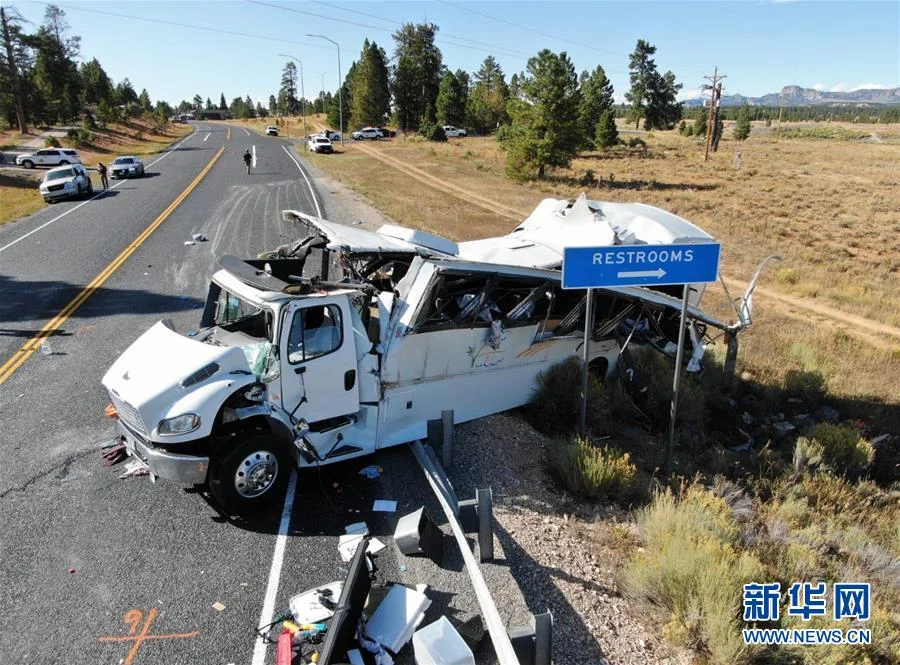
Emergency responders at the Utah crash site provide immediate assistance to injured Chinese tourists following a devastating bus accident near Bryce Canyon
Tragedy in Utah: Chinese Tourists Caught in Devastating Crash
At approximately 11:30 a.m. on September 20, 2019, a tour bus carrying 30 Chinese nationals overturned on Highway 12, west of Bryce Canyon National Park. The group, composed of tourists from Shanghai, Jiangsu, Zhejiang, and other provinces, was en route to the park when the vehicle veered off the road. The crash resulted in four fatalities and 26 injuries, including three in critical condition. Local hospitals reported this as one of the most severe incidents in the past 15 years. The Chinese Embassy and Shanghai municipal authorities responded immediately, activating emergency protocols and dispatching officials to assist the injured.
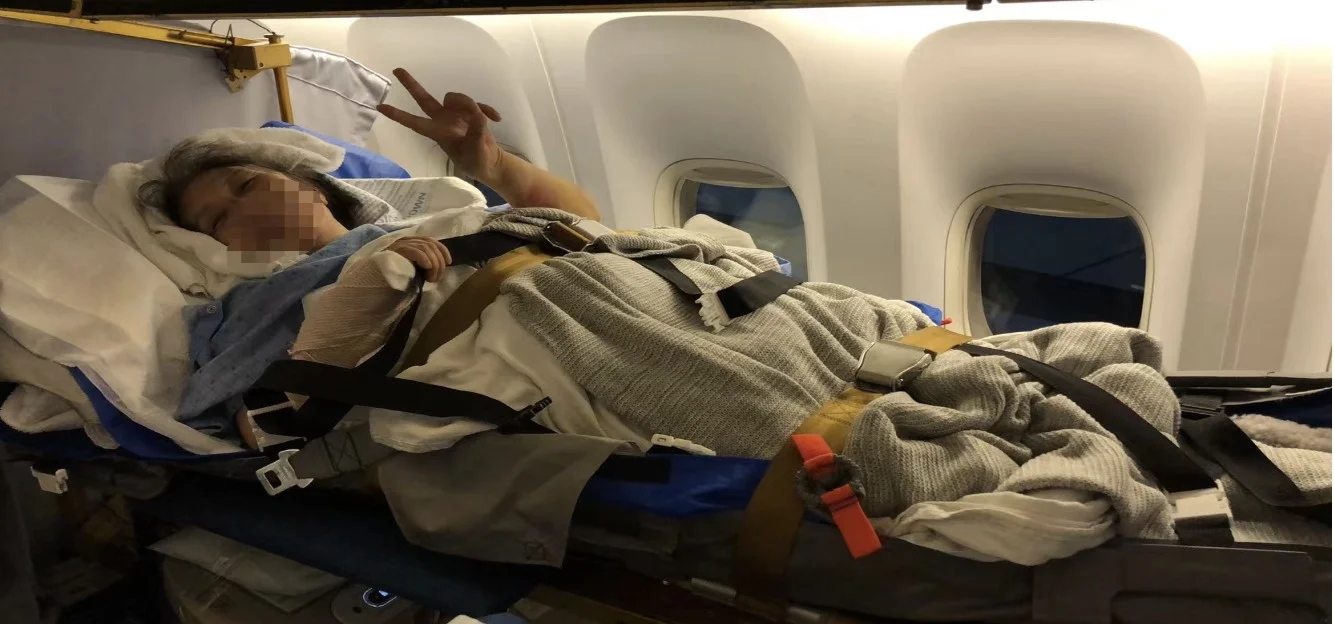
A critically injured patient rests on an onboard stretcher, accompanied by TKP medical staff during the long-haul repatriation flight back to China
TKP Responds: Cross-Border Medical Repatriation Mobilized
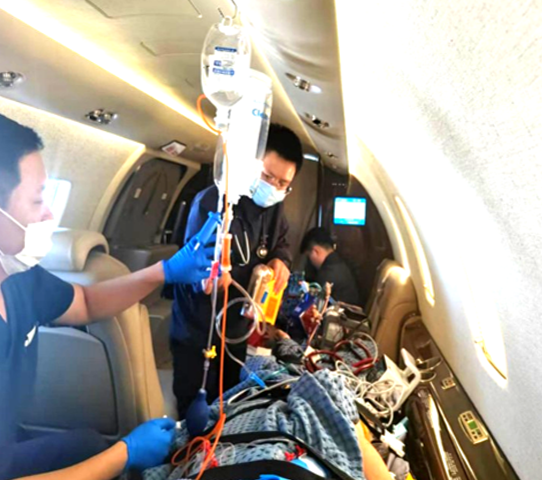
Leveraging its long-standing expertise in international medical transport, TKP Medical Assistance was commissioned by the Chinese government and related stakeholders to develop and execute a multi-phase medical evacuation plan. For each critically injured patient, TKP’s medical experts conducted remote assessments, formulated customized transfer protocols, and ensured compliance with international health and aviation regulations. Each stage prioritized patient safety and stability throughout the long-haul return journey.
Mission Accomplished: All Injured Safely Returned Home
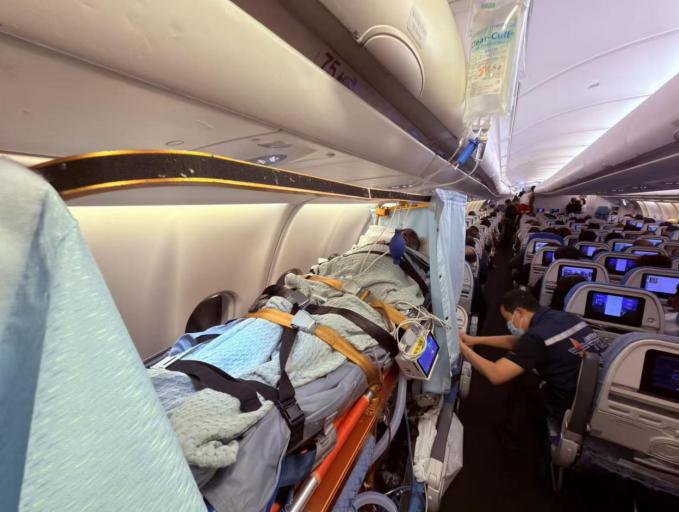
Over the course of two weeks, TKP deployed four separate medical escort teams to Utah, working in close coordination with local hospitals, consulates, and flight providers. All patients were transported back to China—some via commercial air ambulance, others on regular flights with onboard medical escorts. The final repatriation marked the completion of a complex and compassionate mission, demonstrating TKP’s commitment to safeguarding lives across borders.
Frequently Asked Questions
Need help understanding how international medical rescue works? Browse our most common questions to learn about service coverage, response times, documentation requirements, and more. We’re here to support you every step of the way.
Q: Which countries are covered by the cross-border medical rescue service?
A: We cover major countries and regions worldwide to ensure timely rescue
Q: How can I request cross-border medical rescue?
A: Please submit an emergency rescue request through our official website or customer service.
Q: What documents are needed for medical rescue?
A: Patient ID, medical diagnosis report, and emergency contact information are required.
Q: How is the rescue service fee settled?
A: Fees can be paid via insurance claims or direct payment for the service.
Q: How quickly does the rescue response start?
A: In emergencies, rescue operations typically begin within a few hours.
Submit Your Request
Recent Posts
Tags
- Air Ambulance
- Bedside To Bedside
- Cross Border Aid
- Emergency Evacuation
- Global Medical Rescue
- How can I ensure the patient's stability while in the air?
- How do I request an air medical transport?
- How is it different from an air ambulance
- how to activate emergency aircraft service
- how to request an air ambulance
- Is air medical transport safe
- Is international transport possible
- Medical Rescue
- Medical Transport
- Patient Repatriation
- Remote Rescue
- Seamless Coordination
- Telemedicine Support
- Tourists And Expats Medical Escort
- What are the benefits of a cross-border medical transfer
- What are the different types of transfers
- What are typical use cases
- What documents do I need to prepare for a transfer?
- What does high-speed rail patient transfer stands for
- What is air ambulance
- What is air medical transport?
- What is cross-border medical transfer
- What is emergency aircraft
- what is high-speed rail patient transfer
- What is medical charter flight
- what is neonatal ICU transfer
- What is patient air transfer
- What medical equipment is available on board the aircraft
- What situations shouldn't use air medical transport?
- What types of air ambulance are there?
- What types of air ambulance exist
- What's the difference between international and domestic transfers?
- what’s the difference between air medical transport and regular ambulance?
- When is emergency air transport necessary
- Which patients require air medical transport?
- who is included in the medical team
- who needs an air ambulance