


What Medical Transportation by Air Really Costs and Covers: 2026 Guide


Medical Transportation by Air is more than a flight; it is a clinical pathway and a precise logistics plan that protects the patient from bedside to bedside. This guide will help you master the essentials: what the service is, what it covers, which factors shape cost, how to select the right mode, how to prepare for cross-border transfers, and how risks are controlled throughout. Written from the perspective of TKP Medical Assistance, it translates technical capabilities into practical value you can use today.
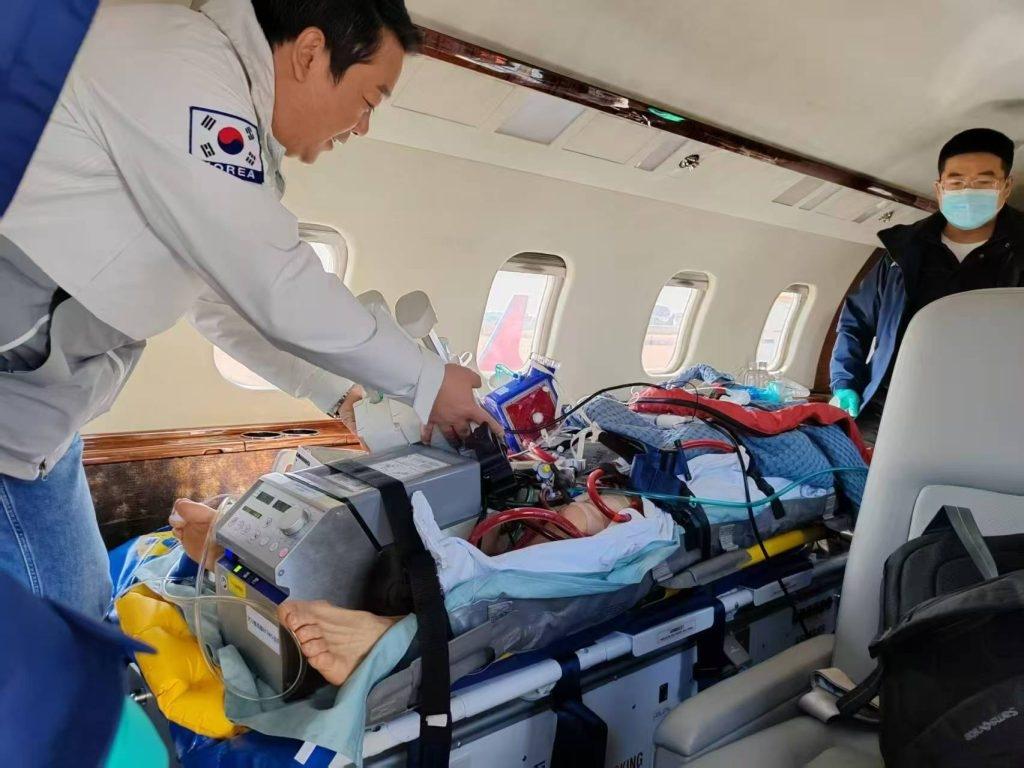
Understanding Medical Transportation by Air
Medical Transportation by Air moves a patient under medical supervision between hospitals or across borders when ground travel is too slow or unsafe. It includes air ambulance missions, commercial stretcher approvals on scheduled airlines, business class escort solutions, and integrated ground ambulance legs. The core objective is continuity of care. We focus on post-stabilization critical care transfers and time-sensitive evacuations, so the patient’s clinical status remains stable at altitude and during each handover.
For each case, TKP designs a route that links the current hospital to the receiving facility with minimal delay. The plan covers bedside preparation, airport access, aircraft selection, onboard medical escort, oxygen and equipment configuration, and ground ambulance on both ends. Our operations team monitors flights in real time and coordinates with hospitals and embassies to resolve changes quickly. The result is a controlled journey where medical safety and timing are aligned.
What Medical Transportation by Air Covers and What Drives Cost
A complete service plan should make costs transparent without quoting a one-size-fits-all price. In practice, cost reflects the clinical demand and the logistics environment. Coverage items are equally important, because gaps create risk. TKP structures missions so families understand what is included and why it matters.
Typical Coverage Components:
•Pre-transfer clinical assessment and escort team assignment
•ICU-grade monitoring, oxygen planning, and life support as required
•Airline approvals for commercial stretcher, or chartered air ambulance aircraft
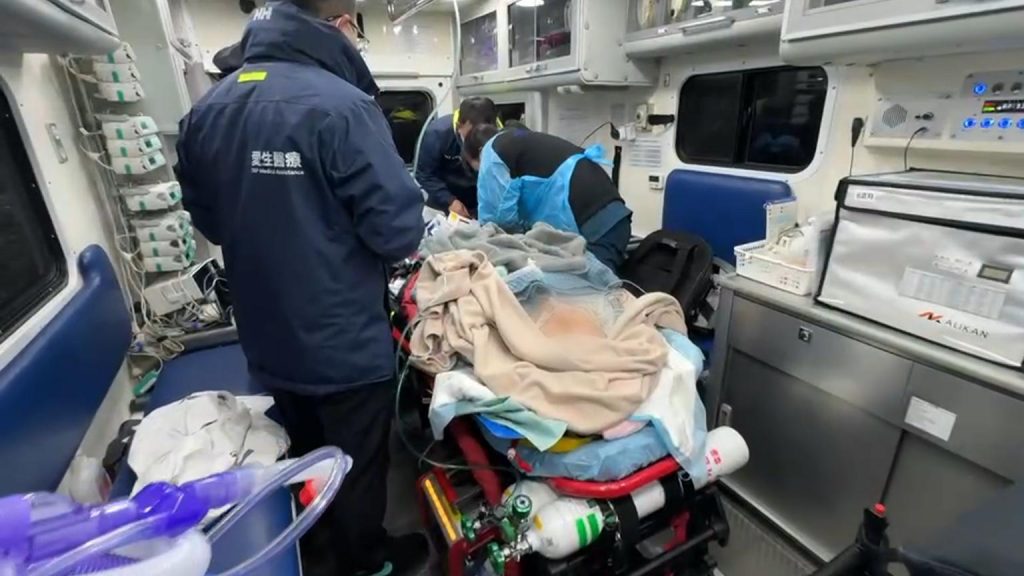
•Ground ambulance at origin and destination, plus high-speed rail integration if faster or safer
•Route planning using suitable airports, including those with limited infrastructure
•Real-time flight monitoring and proactive re-routing when needed
•Embassy communication and documentation support
•Bed coordination and direct handover at the receiving hospital
Key Factors that Drive Cost:
•Patient acuity and required equipment (ICU ventilator, ECMO support, pediatric setup)
•Team composition (intensive care doctor, flight nurse, pediatric specialist)
•Distance, flight time, and whether commercial or chartered aircraft are used
•Airport handling, permits, oxygen and battery rules, and stretcher approvals
•Time constraints, readiness windows, and visa processing (often 24-72 hours)
•Ground legs complexity, night operations, and remote airport access
Selecting the Right Mode for Your Case
Choosing between air ambulance, commercial stretcher, business class escort, or integrated rail and ground depends on stability, range, and speed. The decision should balance clinical safety and operational feasibility.
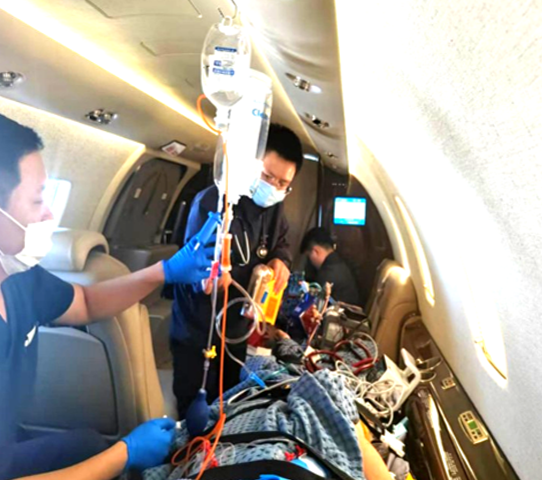
Air ambulance is the standard for critically ill or unstable patients. The aircraft carries ICU–grade monitoring, ventilators, and life support. Missions are managed by intensive care physicians and flight-trained nurses to maintain high-altitude clinical stability. When minutes matter, readiness can be achieved within 6 -24 hours, subject to permits and airport slots. This mode reaches remote or restricted airports and avoids the constraints of scheduled airlines.
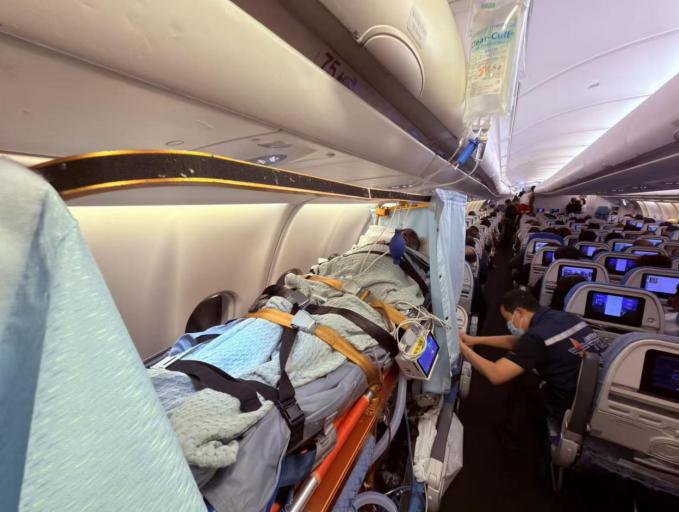
Commercial stretcher transport fits stable, bedridden patients when airlines grant approval to install a dedicated stretcher area. A medical escort remains with the patient for the entire journey. It is a cost-efficient solution for cross-border transfers where time and clinical risk are manageable. Approval and aircraft configuration require planning, so early engagement is essential.
Business class with medical escort serves hemodynamically stable patients who can sit upright for at least 40 minutes. It supports clinical monitoring, medication administration, oxygen inhalation, and minor procedures during the flight. This mode leverages existing airline schedules but still demands careful seat selection, oxygen planning, and ground ambulance coordination.
Integrated ground ambulance can compress door-to-door time in specific corridors. A clinician remains in charge, and transfers are synchronized to reduce dwell time.
Cross–Border Preparation and Documents Checklist
International transfers succeed when documents and contacts are ready. Early preparation reduces delay and prevents discharge gaps. TKP handles requirements and embassy communication to speed processing.
•Clinical dossier: diagnoses, problem list, latest notes, discharge summary, treatment plan, current meds; English translation; imaging (DICOM), lab results, allergies and adverse events, vaccination record, prior surgeries
•Care coordination: named physician contact, preferred communication channel, planned arrival time window
•Legal and consent: cross-border data-sharing consent (HIPAA/GDPR), medical power of attorney/guardianship docs, advance directives/DNR if applicable
•Identity and travel: passports, companion IDs, visas; minors need birth certificate or legal authorization; check quarantine or health entry rules
•Financials: insurance policy and benefits, pre-authorization letters, payer confirmation for self-pay, cost estimate, deposit arrangements
•Airline/transport: fit-to-fly clearance, MEDIF if required, wheelchair/stretcher requests, oxygen and device compliance, backup travel plan
•Authorized signatory: primary family representative; secondary emergency contact
•Destination strategy: chosen facility/country or TKP recommendation aligned with clinical needs and visa access; backup facility option
•Special provisions: oxygen specs, interpreter/language services, mobility assistance, pediatric support, dietary needs
Visa processing is country-and nationality-dependent. Even with medical priority, it often takes 24 – 72 hours. Invitation letters and embassy coordination help, but families should begin as soon as the medical plan is formed. Scanned copies of all documents can speed urgent cases.
Route Planning, Risk Control, and Operational Realities
Medical Transportation by Air demands clinical governance and real-time operations. The route must match the patient’s condition, not just the shortest path on a map. TKP uses dynamic flight scheduling tailored to urgency and stability. We select airports with minimal infrastructure requirements when remote access is needed and optimize legs to reduce flight time.
Risk control starts with a pre-transfer assessment: oxygen consumption at altitude, ventilator settings, pressurization effects, medication stability, and infection control. The escort team prepares contingencies for cabin environment and turbulence. Adaptive routing backed by live flight monitoring. Embassy and hospital partnerships clear borders and secure admission on arrival.
Managing Real-World Constraints
•Stretcher approvals: time-bound, aircraft-dependent
•Visas and permits: variable, even during urgent missions
•Flight capacity and slots: fluctuating; night ops are regulated
•Oxygen/battery rules: carrier-and country-specific
•Discharge/bed timing: align to prevent delays
Our promise: transparent plans, active updates, defined milestones, and handovers from start to finish.
Why TKP Medical Assistance: Turning Capabilities into Your Outcomes
Founded in 2001 and headquartered in Shenzhen, TKP Medical Assistance has completed more than 10,000 missions across China and the Greater Bay Area, with partners in Hong Kong, Southeast Asia, and Europe. Our focus is safe, efficient cross-border emergency and non-emergency transfers, delivered by teams who understand both the bedside and the flight deck.
What this means for you:
•ICU-grade aircraft equipment: continuous monitoring, ventilators, life support – fewer in-flight compromises and higher clinical stability
•ECMO and pediatric expertise: advanced therapies and child-specific protocols – appropriate care for complex cases and younger patients
•Remote airport access: use of airports with limited infrastructure – faster reach to underserved regions and earlier hospital arrival
•Real-time flight monitoring: active route oversight and rapid adjustments – fewer delays and more predictable handovers
•Embassy coordination: letters and communication to support visas and permits – shorter administrative paths and improved cross-border clearance
•Integrated modes: air ambulance, commercial stretcher, business class escort, high-speed rail, and ground ambulance – tailored journeys that balance safety, speed, and cost drivers
•24/7 operations with regional coverage: six branch offices across China and trusted international partners – consistent response in complex time zones
Call to Action: Speak With TKP’s 24/7 Response Center
If you need Medical Transportation by Air, contact TKP Medical Assistance now. Our 24/7 Response Center will assess the case, outline mode options, confirm documentation needs, and provide a time plan from bedside to bedside. We will coordinate hospitals, embassies, airports, rail segments, and ambulances to deliver safe, timely, and clinically sound transfer. Reach out to begin the assessment and let our team guide you through every decision with clarity and speed.
Submit Your Request
Recent Posts
Tags
- Air Ambulance
- Bedside To Bedside
- Cross Border Aid
- Emergency Evacuation
- Global Medical Rescue
- How can I ensure the patient's stability while in the air?
- How do I request an air medical transport?
- How is it different from an air ambulance
- how to activate emergency aircraft service
- how to request an air ambulance
- Is air medical transport safe
- Is international transport possible
- Medical Rescue
- Medical Transport
- Patient Repatriation
- Remote Rescue
- Seamless Coordination
- Telemedicine Support
- Tourists And Expats Medical Escort
- What are the benefits of a cross-border medical transfer
- What are the different types of transfers
- What are typical use cases
- What documents do I need to prepare for a transfer?
- What does high-speed rail patient transfer stands for
- What is air ambulance
- What is air medical transport?
- What is cross-border medical transfer
- What is emergency aircraft
- what is high-speed rail patient transfer
- What is medical charter flight
- what is neonatal ICU transfer
- What is patient air transfer
- What medical equipment is available on board the aircraft
- What situations shouldn't use air medical transport?
- What types of air ambulance are there?
- What types of air ambulance exist
- What's the difference between international and domestic transfers?
- what’s the difference between air medical transport and regular ambulance?
- When is emergency air transport necessary
- Which patients require air medical transport?
- who is included in the medical team
- who needs an air ambulance