


What Patients Should Know Before Using Air Transfer Services


Patient Air Transfer Services can be the difference between delay and decisive care during a cross-border emergency. Yet many families face the same roadblocks: unclear options, spiraling costs, and confusing coordination. TKP Medical Assistance – a trusted provider of cross-border medical evacuation and patient transfer services – removes that uncertainty with a single, accountable team that manages bedside pickup, international transit, and hospital handover.
What Patient Air Transfer Services Mean For Your Situation
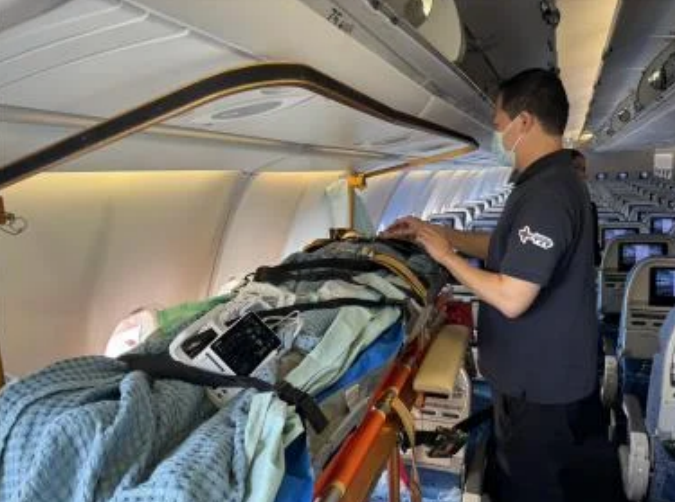
Every case is different. The goal is the same: move the patient safely, quickly, and with the right level of clinical support. TKP provides emergency and non-emergency transfers via commercial stretcher, air ambulance, high-speed rail, and ground ambulance. We match the mode to clinical need, not convenience. That protects outcomes and keeps risk under control.
Families commonly encounter three pain points. First is the timeline: approvals, visas, and clearances can stretch when no one is coordinating end-to-end. Second is clinical consistency: onboard care varies widely if the escort, equipment, and airline are chosen in isolation. Third is access: remote areas often lack robust infrastructure, which can stall a transfer before it starts. TKP addresses each issue with unified clinical and logistics planning, hospital-to-hospital coordination, and real-time mission oversight.
1.Transport Options At A Glance
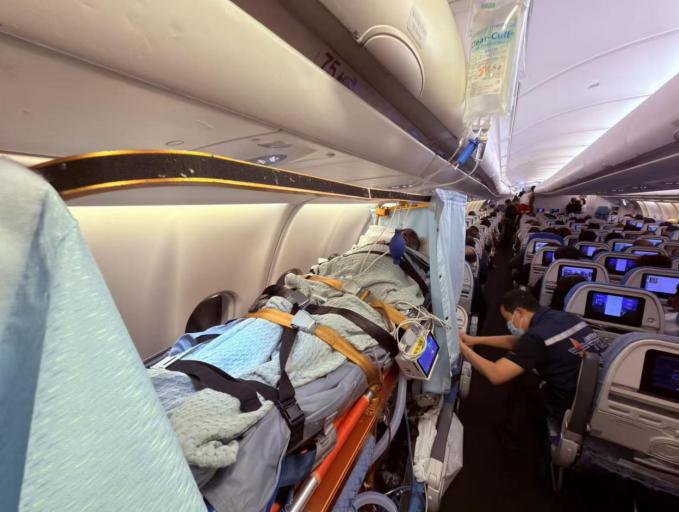
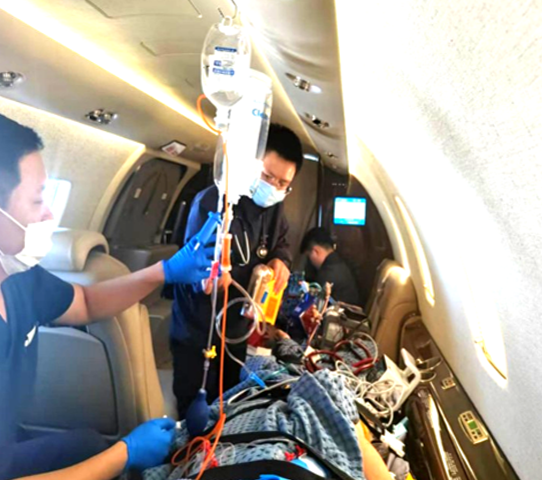
Commercial stretcher transport suits stable, bedridden patients who can fly on a scheduled route with airline approval. A dedicated stretcher bay is prepared, and a medical escort remains at the patient’s side from takeoff to final handover. For unstable or high-acuity cases, TKP operates air ambulance missions using ICU-grade monitoring, ventilators, and life-support equipment. These flights are staffed by intensive-care physicians and flight-trained nurses to maintain clinical stability at altitude. Where flying isn’t possible or necessary for a segment, we pair high-speed rail with ambulance pickup and drop-off. This solution works well for neonatal or post-surgery patients who still require continuous monitoring between cities.
- Commercial stretcher with airline approval and full escort
- Air ambulance with ICU-level equipment and clinical team
- High-speed rail + ambulance for seamless intercity or cross-border legs
2.Route Design That Reaches Remote Areas
Moving a patient quickly is not just about speed; it’s about smart routing. TKP builds routes that link underserved regions to top medical centers worldwide, including through airports with minimal infrastructure. Dynamic scheduling adapts to the patient’s condition and urgency. Optimized waypoints shorten flight time and reduce clinical exposure. We coordinate with receiving hospitals and embassies so documents and clearances do not become critical path blockers. Throughout the mission, our operations team tracks progress in real time and can alter the route if weather, capacity, or clinical status changes.
- Dynamic flight scheduling and clinical risk assessment
- Global coverage – domestic and international
- Access to remote airfields with efficient clearances
- Continuous monitoring and rapid rerouting when needed
How TKP Plans And Delivers Safe Cross-Border Transfers
Patient Air Transfer Services should feel structured, not chaotic. TKP follows a clearly staged process that compresses timelines and keeps everyone informed.
- Activation, Step By Step
Our 24/7 Coordination Center logs the inquiry, gathers medical history, timing, and insurance details, and opens a case file. A nurse or physician performs a clinical review to confirm stability and specify the right escort type, equipment, and medications. Next, we design the route and mode across air, rail, and ground, considering distance, patient acuity, transit time, and regulatory needs. You receive a transparent quotation and consent package. Once approved, we mobilize resources: flight nurses, critical-care attendants, and specialized equipment are assigned; ventilators and monitors are tested and ready.
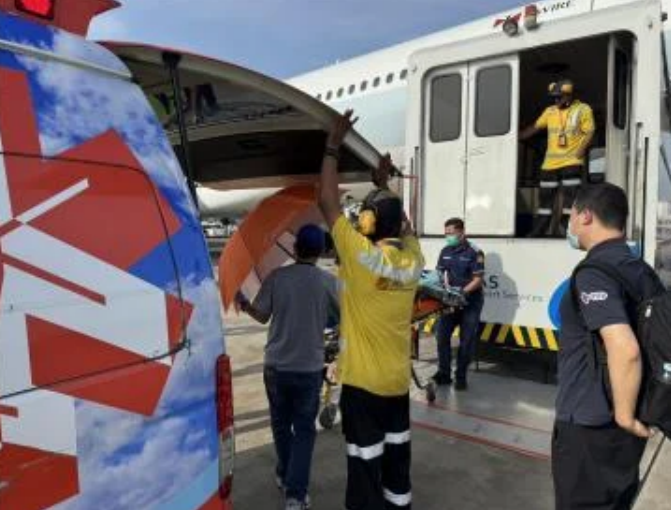
On pickup, our team conducts a bedside handover with the sending hospital, stabilizes the patient for travel, and completes safety checks. During transit, clinicians track vital signs, administer treatment, and adjust settings for altitude and cabin conditions. At destination, we deliver a structured handover to the receiving team with complete documentation and equipment transfer. After the mission, we support feedback, billing, and insurance claims, so the administrative burden does not fall on the family.
- 24/7 coordination with real-time flight monitoring
- ICU-capable escorts when indicated
- Bedside-to-bedside continuity of care
❓ Why This Workflow Matters
Integrated planning reduces handoffs, which is where delays and errors often occur. A single provider is accountable for clinical quality and logistics, so decisions are faster and tradeoffs are transparent. Families gain predictable timelines and fewer last-minute surprises about routing, approvals, or cost. Hospitals benefit from cleaner documentation and a defined point of contact from start to finish.
What To Prepare And How To Decide
Preparation accelerates approvals and keeps stress in check. Before you book Patient Air Transfer Services, gather recent medical records – diagnoses, discharge summaries, treatment plans, the medication list – and provide the sending physician’s direct contact. English documentation helps speed international coordination. Note any special requirements early, such as medical oxygen, mobility assistance, or language support, so the correct staff and equipment are ready.
Travel documents matter. Confirm the patient’s passport and IDs for accompanying family members. Some destinations require a medical or humanitarian visa; minors may need a birth certificate or authorization letter. TKP can help with invitation letters and embassy communication, but processing can take 24 – 72 hours. Starting early protects your timeline.
Insurance clarity prevents delays. Share policy details and the insurer’s contact. Some cases need an upfront financial guarantee if coverage is limited. If insurance does not apply, designate the payer and sign consent forms for information sharing between providers and insurers. Appoint an authorized family representative who can make decisions and stay reachable; name a secondary contact as backup. If you have a preferred receiving hospital or country, tell us – otherwise we’ll recommend options based on clinical need and visa accessibility.
- Medical records and physician contact
- Passports, visas, and documents for minors
- Insurance policy and payment confirmation
- Authorized family representative and backup contact
- Cost And Value – A Practical View
Pricing varies by distance, aircraft type, escort level, and ground or rail segments. Commercial stretcher solutions are often the most economical for stable patients. Air ambulance flights cost more, but they are designed for critical care and rapid access to destinations that scheduled airlines cannot reach. TKP’s quotes are transparent and itemized, so families can compare options by clinical need, timeline, and budget – not guesswork.
Final Words
If you are evaluating Patient Air Transfer Services – or want a plan you can activate quickly – contact TKP Medical Assistance for a no-obligation clinical review and route proposal. We will recommend the safest mode, outline expected timelines, and provide an itemized estimate so you can decide with confidence.
Choosing TKP means one team, one plan, and uninterrupted care when minutes matter most.
Submit Your Request
Recent Posts

Tags
- Air Ambulance
- Bedside To Bedside
- Cross Border Aid
- Emergency Evacuation
- Global Medical Rescue
- How can I ensure the patient's stability while in the air?
- How do I request an air medical transport?
- How is it different from an air ambulance
- how to activate emergency aircraft service
- how to request an air ambulance
- Is air medical transport safe
- Is international transport possible
- Medical Rescue
- Medical Transport
- Patient Repatriation
- Remote Rescue
- Seamless Coordination
- Telemedicine Support
- Tourists And Expats Medical Escort
- What are the benefits of a cross-border medical transfer
- What are the different types of transfers
- What are typical use cases
- What documents do I need to prepare for a transfer?
- What does high-speed rail patient transfer stands for
- What is air ambulance
- What is air medical transport?
- What is cross-border medical transfer
- What is emergency aircraft
- what is high-speed rail patient transfer
- What is medical charter flight
- what is neonatal ICU transfer
- What is patient air transfer
- What medical equipment is available on board the aircraft
- What situations shouldn't use air medical transport?
- What types of air ambulance are there?
- What types of air ambulance exist
- What's the difference between international and domestic transfers?
- what’s the difference between air medical transport and regular ambulance?
- When is emergency air transport necessary
- Which patients require air medical transport?
- who is included in the medical team
- who needs an air ambulance