


How Patient Transfer Services Improve Comfort and Care


In critical moments, patient transfer services can turn chaos into calm. They connect bedsides, teams, and families with careful planning and real clinical support. Comfort improves because small details matter: gentle handling, clear updates, and the right transport mode. Care improves because monitoring never stops and handovers are tight. Yet the real difference is often hidden – route design, approvals, timing, and the people who make it all work. What happens when weather shifts, gates change, or a patient needs stabilization mid-journey? The answer shapes outcomes and peace of mind. In the next section, we reveal how the best teams keep everything on track.
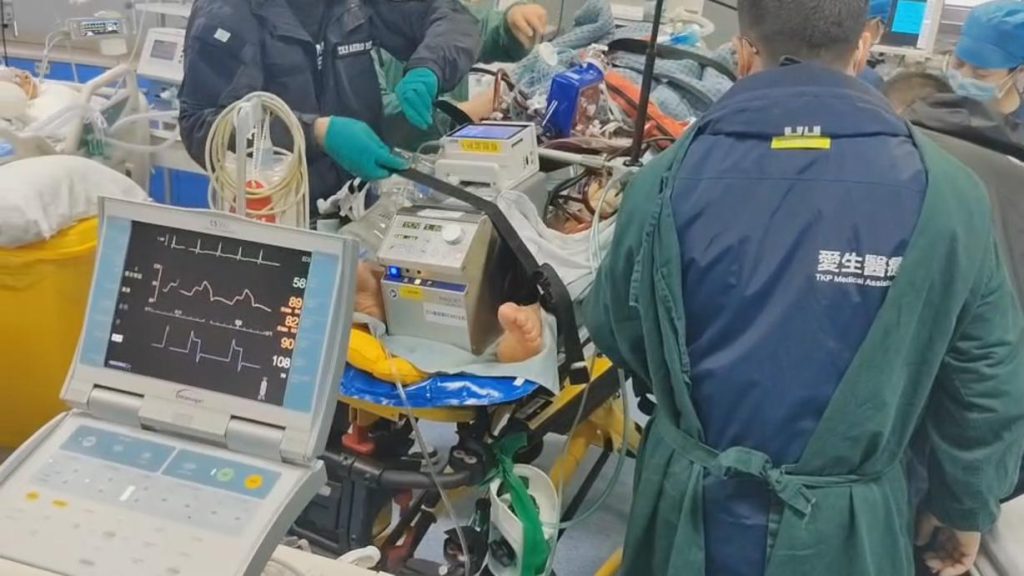
Comfort and Continuity in Patient Transfer Services
At TKP Medical Assistance, we build routes around the patient – not the timetable. Our coordinators and clinical teams match the mode of transport to condition, urgency, and budget, then stay accountable from bed to bed. That balance matters: families want clarity; clinicians want continuity; patients need both. By aligning clear communication with disciplined medical protocols, we make bedside-to-bedside medical transport feel humane and predictable.
- Commercial stretcher transport with airline approval
- Air ambulance services with full onboard medical escort
- Integrated transfers via high-speed rail and ground ambulance
- Commercial Stretcher: Cost-Smart, Clinician-Led
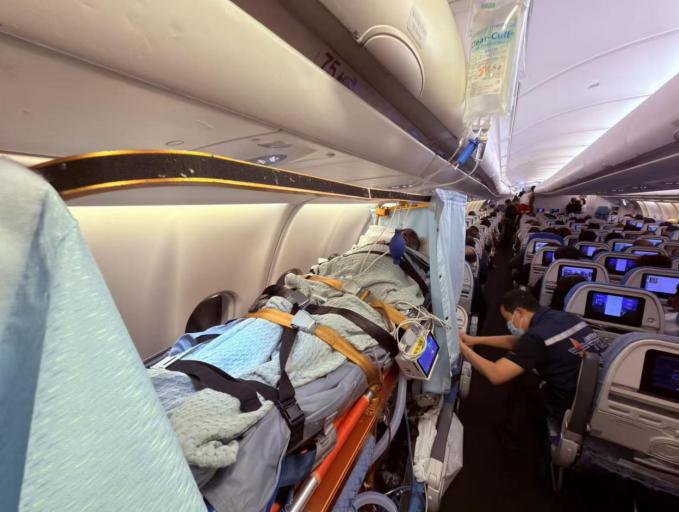
When a patient is stable but must remain recumbent, we arrange airline-approved stretcher compartments on domestic or international flights. Our medical escort stays with the patient at every handoff – check-in, boarding, cabin care, and arrival. Families appreciate the cost advantage compared with a dedicated aircraft, while clinicians value continuous monitoring, medication management, and clear documentation. For many cross-border cases, this is the right mix of safety, speed, and economy within modern patient transfer services.
- Air Ambulance ICU: Stability at Altitude
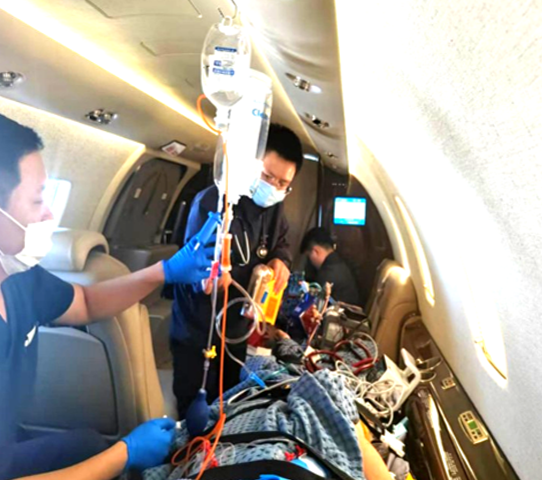
Some journeys require ICU-grade support. Our air ambulance missions carry advanced monitoring, ventilators, and life-support equipment. Every flight is managed by intensive care physicians and flight-trained nurses who understand the physiology of altitude and time-critical decisions. Workflows are rehearsed; roles are defined; treatments stay consistent from runway to runway. For time-sensitive cases, this level of control turns distance into a manageable variable, not a clinical risk.
- High-Speed Rail: Quiet Care Between Cities
Not every route favors the sky. For intercity and cross-border segments, we combine high-speed rail with ambulance pick-up and drop-off. The result is a steady environment that suits neonatal and post-surgery patients who benefit from lower vibration and easier access to station-side medical facilities. Handoffs are choreographed so observation never lapses, and the family travels with reassurance rather than uncertainty.
Cross-Border Planning That Feels Effortless
Great logistics should feel like compassion in motion. We work closely with commercial airlines, general aviation partners, and major insurers – domestic and international. Our network spans borders and is included in the National Health Commission’s foreign emergency rescue network unit. The outcome is fewer surprises, faster clearances, and smoother clinical handovers. This is where patient transfer services often fail in the industry: approvals stall, airports are poorly chosen, and time zones slow decisions. We remove those frictions with disciplined planning.
1) Route Design Focused on Safety
Our route map is built to connect remote or underserved locations with leading hospitals worldwide. We choose airports that shorten stretcher time, simplify ground transfers, and reduce clinical exposure. Every itinerary is tailored to condition and urgency, not just schedules.
- Dynamic flight scheduling aligned to clinical status
- Global coverage for domestic and international routes
- Access through airports with minimal infrastructure when needed
- Optimized paths to reduce flight time and risk
- Close coordination with medical institutions and embassies for smooth clearances
These choices translate into real comfort. The patient spends less time between care environments. The family gets consistent updates. The receiving hospital knows exactly when to prepare. That is how cross-border medical evacuation should work.
2) Real-Time Oversight, Real-World Flexibility
Conditions change. Weather shifts, runway slots move, and clinical priorities evolve. Our operations team watches each leg in real time and adjusts fast – rerouting when a diversion saves minutes, advancing an ambulance call-out when recovery is ahead of plan, or arranging interim stabilization when rest is the safer option. The family sees a composed journey. The medical team sees an unbroken chain of care. Patient transfer services must be more than transport; they must be active clinical coordination.

Proof in Practice and How to Get Started
Experience is the most reliable risk reducer. Since our founding in 2001, TKP Medical Assistance has handled 71,000 pieces of global information and 10,000 operational cases. Those numbers reflect deep resources and practical judgment, tested across borders and care systems.
• Case Snapshot: Abidjan → Paris → Beijing (2017-09-14)
A post-cranial surgery patient in a comatose state required a multi-leg stretcher transfer across two international flights and several ground segments. From Africa to Europe to Asia, each step demanded precise timing and clear communication among carriers, airport teams, and clinical staff. We arranged a 10-hour layover ICU setup at CDG to maintain real-time stabilization. At 30,000 feet, vital signs were monitored continuously while the patient rested on the in-flight stretcher system. Upon landing, the ground ambulance took over and completed the final link to definitive care. This mission illustrates what disciplined patient transfer services can deliver: a clinical bridge that holds, even when continents change beneath it.
• Why TKP Medical Assistance + Next Steps
Families and providers choose us because we align transport mode with medical need, timeline, and budget – then stand by the plan when variables shift. We protect comfort through gentle handling, clear briefings, and professional escorts. We protect care through ICU-grade equipment, skilled clinicians, and route control that anticipates obstacles rather than reacting to them.
Closing Words
If you are planning a move now – or preparing for one soon – share three essentials: the patient’s condition, current location, and the desired window for transfer. We will outline a route, propose the safest mode, and coordinate the approvals needed for border crossings and clinical handovers. Call to Action: Contact TKP Medical Assistance to design a tailored, bedside-to-bedside plan that keeps the journey calm and the care continuous. With the right partner, patient transfer services become less about distance and more about certainty.
Submit Your Request
Recent Posts

Tags
- Air Ambulance
- Bedside To Bedside
- Cross Border Aid
- Emergency Evacuation
- Global Medical Rescue
- How can I ensure the patient's stability while in the air?
- How do I request an air medical transport?
- How is it different from an air ambulance
- how to activate emergency aircraft service
- how to request an air ambulance
- Is air medical transport safe
- Is international transport possible
- Medical Rescue
- Medical Transport
- Patient Repatriation
- Remote Rescue
- Seamless Coordination
- Telemedicine Support
- Tourists And Expats Medical Escort
- What are the benefits of a cross-border medical transfer
- What are the different types of transfers
- What are typical use cases
- What documents do I need to prepare for a transfer?
- What does high-speed rail patient transfer stands for
- What is air ambulance
- What is air medical transport?
- What is cross-border medical transfer
- What is emergency aircraft
- what is high-speed rail patient transfer
- What is medical charter flight
- what is neonatal ICU transfer
- What is patient air transfer
- What medical equipment is available on board the aircraft
- What situations shouldn't use air medical transport?
- What types of air ambulance are there?
- What types of air ambulance exist
- What's the difference between international and domestic transfers?
- what’s the difference between air medical transport and regular ambulance?
- When is emergency air transport necessary
- Which patients require air medical transport?
- who is included in the medical team
- who needs an air ambulance