


How Pediatric ICU Transfer Equipment Prevents Critical Delays


Pediatric ICU Transfer Equipment is often invisible to families, yet it’s the backbone of a safe, timely move when a child’s condition turns fragile. At TKP Medical Assistance – a trusted provider of cross-border medical evacuation and patient transfer services – we treat every minute as a clinical variable. The right kit, in the right hands, shrinks handover friction, keeps physiology stable, and converts a complex journey into a predictable, well-sequenced flow of care.
Speed, Safety, And The Hidden Bottlenecks You Can Eliminate
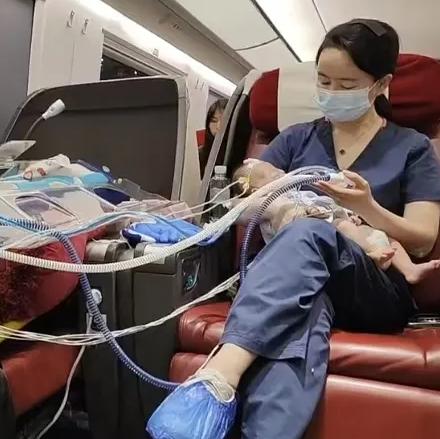
In pediatric emergencies, delays rarely come from a single dramatic failure. They come from many small frictions: a missing adapter, a crowded platform, an unclear handoff, a power mismatch. Pediatric ICU Transfer Equipment helps neutralize each of these risks. Portable incubators protect thermal balance and allow direct visualization without unnecessary handling. Transport ventilators maintain consistent respiratory support across mode changes. Nitric oxide delivery can be integrated for selected patients with pulmonary hypertension. But hardware alone does not win the minute. Every device must be pre-configured, cross-checked for power and gas compatibility, and paired with a tested backup plan.
That is where TKP’s process matters. We map the whole journey – bedside to bedside – long before departure: ground ambulance, rail or air segments, platform access, receiving-unit readiness. Our teams secure green channels, align with rail or airline crews, and preload documentation so clearance never becomes the rate-limiting step. When you address the pathway with the same rigor as the patient, Pediatric ICU Transfer Equipment can perform as designed instead of being forced into last-second workarounds.
What Hospitals Often Overlook
Hospitals frequently optimize the patient and the sending team, but not the path between the two ICUs. Without a synchronized route plan, even excellent equipment sits idle while staff improvise. TKP builds a single, time-stamped timeline so everyone – from bedside nurse to train conductor to receiving NICU – knows the exact moment and method of handover. This is how you protect momentum and keep vital signs, not logistics, in command.
A Case In Point: Guiyang To Guangzhou, Minutes Saved At Every Step
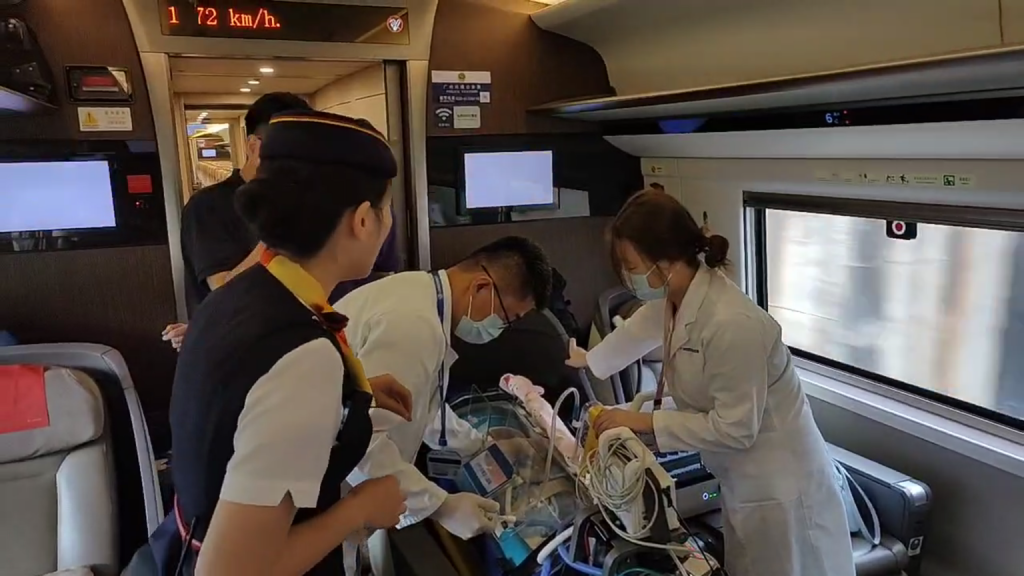
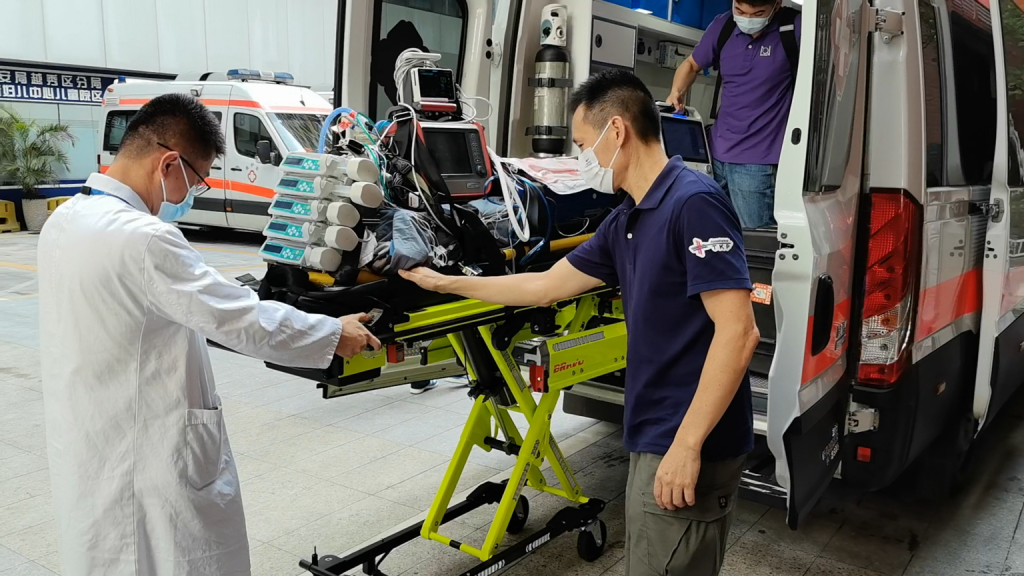
On July 3, 2024, TKP coordinated the transfer of a two-month-old infant with severe pneumonia, respiratory failure, and pulmonary arterial hypertension. The route moved Guiyang → Guangzhou South Station via CRH high-speed rail stretcher, then ambulance to the hospital for direct NICU admission. The clinical priorities were clear: maintain ventilation, control pulmonary pressures, and prevent temperature swings or agitation.
We deployed a portable incubator, a transport ventilator, and nitric oxide therapy – each verified against transport power and gas supplies before the first lift. A prearranged green channel at the high-speed rail platform enabled fast loading and unloading; crew members supported a quiet, secure compartment for the child. Upon arrival, our ground team was already staged, allowing a direct, paperwork-light transfer to the receiving NICU.
- Continuous pediatric monitoring. A pediatric nurse trended vital signs throughout the rail segment and adjusted settings within defined protocols.
- Crew integration. Train staff preserved a low-stimulus environment and expedited clearances at intermediate stops.
- Seamless handover. The ambulance met the train at the designated car; clinical data and ventilator settings were relayed forward so the NICU could prepare targeted therapies.
Small choices add up. By eliminating micro-delays – waiting for an elevator, searching for a cable, reprogramming a ventilator – Pediatric ICU Transfer Equipment did what it should do: buy back minutes and protect physiology during a vulnerable window.
Capabilities That Travel With The Child – Not Just The Team
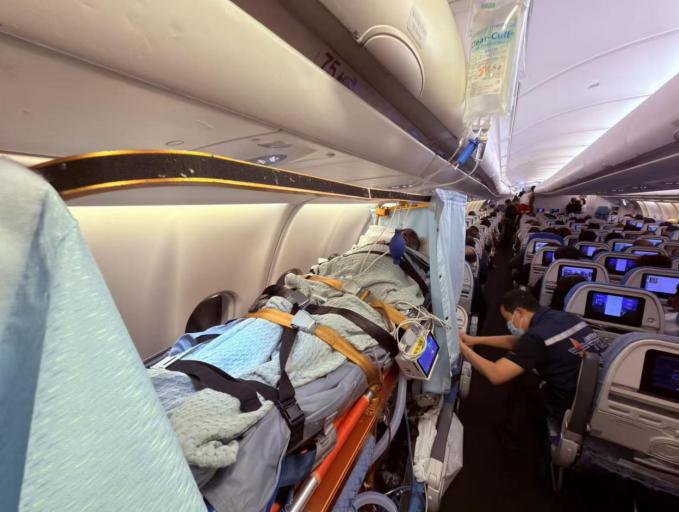
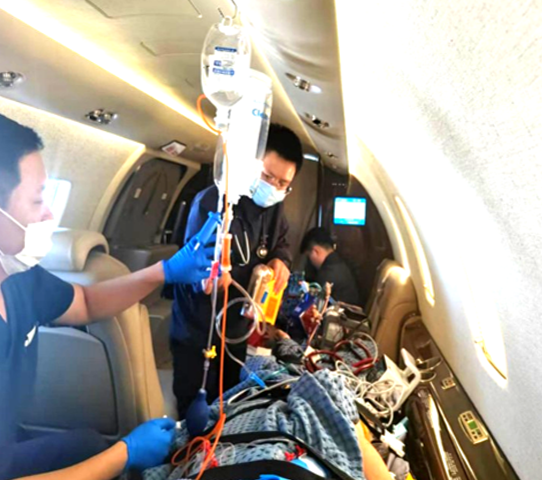
Pediatric transfers do not respect borders. Standards, power systems, oxygen connectors, and documentation vary by region and by carrier. TKP’s ICU-trained teams operate across these variables. We support ventilators, ECMO, IABP, and other life-sustaining systems from departure through arrival, including international flight segments when required. Our focus populations include premature infants, postoperative neonates, children with congenital heart disease, and pediatric patients in respiratory failure. For each cohort, the equipment package and settings are tailored to physiology, not just distance.
We are trusted by leading institutions – such as Guangzhou Women and Children’s Medical Center – for complex, repeated transfers across provinces and borders. The trust is earned by preparation: harmonized device interfaces; redundant power strategies; and a documentation kit that meets carrier and border expectations. The result is predictable motion from one ICU to the next.
Route Planning, Optimized For Outcomes
- Dynamic scheduling aligned to clinical urgency. Transport timing is matched to the patient’s stability window, not the other way around.
- Global coverage, domestic and international. We choose the right modality – ground, rail, or air – based on clinical need and time-to-bed.
- Access to remote areas. Where infrastructure is limited, we select airports and platforms that minimize transfers and handling.
- Reduced total exposure time. Fewer handoffs, fewer stops, fewer opportunities for destabilization.
- Tight institutional coordination. Hospitals, carriers, and – when needed – embassies are pre-briefed and aligned.
- Real-time oversight. Our operations center monitors progress and can reroute promptly if conditions change.
The effect is simple but powerful: administrative uncertainty no longer competes with clinical priorities. With a clear pathway, Pediatric ICU Transfer Equipment delivers its full value – stable ventilation, protected temperature, controlled hemodynamics, and a receiving team ready to act on arrival. This approach also answers long-tail needs many families search for, including cross-border pediatric transport services and a robust neonatal emergency transfer protocol that covers the hours when risk is highest.
Equipment Plus Expertise: Why This Combination Matters
Even the best device can be undermined by a poorly timed handover or a power mismatch. TKP closes that gap with prefit kits, power and gas testing, and role-specific checklists: who adjusts ventilator modes at the platform, who communicates vitals at the car door, who confirms oxygen reserves before the next segment. These disciplined habits turn technology into outcomes.
Final Thoughts
If your hospital – or your family – needs a partner who can move fast without sacrificing safety, contact TKP Medical Assistance. We combine seasoned pediatric teams with Pediatric ICU Transfer Equipment that is configured for the child and the route. The goal is straightforward: reach the right ICU, with the right support, at the right time – without the critical delays that can change a trajectory.
Submit Your Request
Recent Posts

Tags
- Air Ambulance
- Bedside To Bedside
- Cross Border Aid
- Emergency Evacuation
- Global Medical Rescue
- How can I ensure the patient's stability while in the air?
- How do I request an air medical transport?
- How is it different from an air ambulance
- how to activate emergency aircraft service
- how to request an air ambulance
- Is air medical transport safe
- Is international transport possible
- Medical Rescue
- Medical Transport
- Patient Repatriation
- Remote Rescue
- Seamless Coordination
- Telemedicine Support
- Tourists And Expats Medical Escort
- What are the benefits of a cross-border medical transfer
- What are the different types of transfers
- What are typical use cases
- What documents do I need to prepare for a transfer?
- What does high-speed rail patient transfer stands for
- What is air ambulance
- What is air medical transport?
- What is cross-border medical transfer
- What is emergency aircraft
- what is high-speed rail patient transfer
- What is medical charter flight
- what is neonatal ICU transfer
- What is patient air transfer
- What medical equipment is available on board the aircraft
- What situations shouldn't use air medical transport?
- What types of air ambulance are there?
- What types of air ambulance exist
- What's the difference between international and domestic transfers?
- what’s the difference between air medical transport and regular ambulance?
- When is emergency air transport necessary
- Which patients require air medical transport?
- who is included in the medical team
- who needs an air ambulance