


What are the Benefits of a Cross-Border Medical Transfer | Guide


Why is a Cross-Border Medical Transfer Beneficial?
Cross-border medical transfer is a savior to the lives of patients who need specialized medical care or when the patient has to get back home following an accident in a foreign country. In the modern global society, where international patient transfer and global medical evacuation are available, healthcare is not confined by borders.
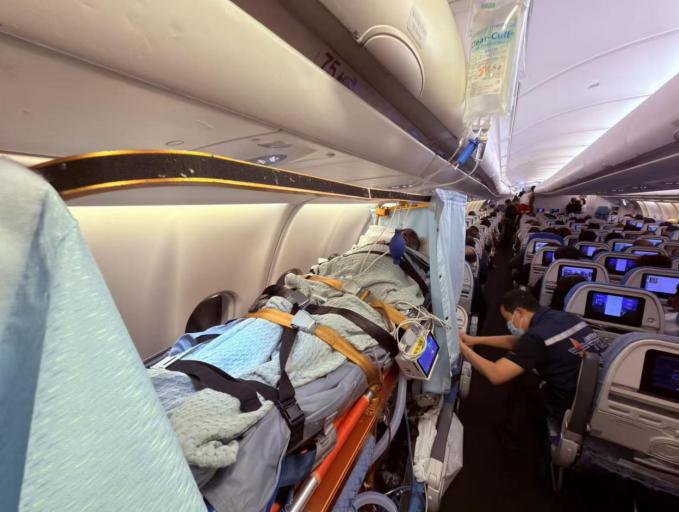
What are the benefits of a cross-border medical transfer? A cross-border medical transfer involves the procedure of transferring a patient across the country through the safe movement of a patient to another nation due to his or her medical reasons. It may be arranged through air ambulance, ground ambulance, or even commercial flight stretcher services, based on the condition of the patient and the distance. It is needed most of the time in situations like:
- Medical emergencies abroad
- Post-treatment repatriation
- The accession to special hospitals abroad.
- Return on insured patients.
It entails international coordination, aviation medical clearance, inter-country documentation, and real-time communication amongst hospitals, doctors, and air medical teams. Companies such as TKP Assistance deal with air ambulance and global patient transfer, providing a continuous mobility of healthcare across the continents.
Availability of State-of-the-Art Medical Centres
- Amongst the main benefits of cross-border transfer are the ability to access high-quality health facilities, which might be lacking in the domestic market. There are countries with state-of-the-art treatment options of state-of-the-art, with good diagnostics or with surgical groups that could make a difference in severe situations.
- An example is when a patient in an underdeveloped country can be ferried to an institution in Europe to obtain life-saving heart treatment, or to the U.S, where he/she can receive specialized cancer treatment. This global medical mobility does not leave patients behind in their search to find the most appropriate treatment, despite their location at any given moment.

Safe and Supervised Movement of Patients
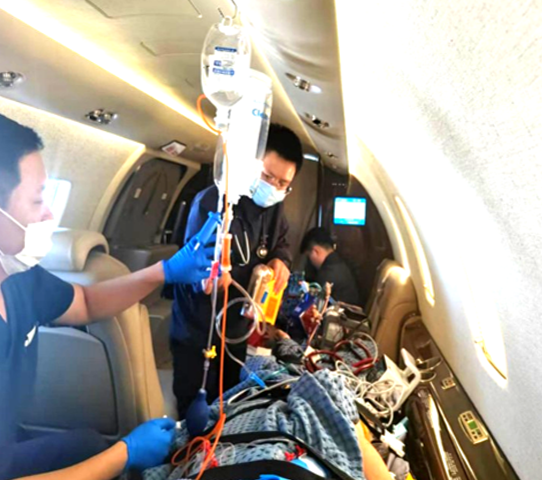
Not only is cross-border medical evacuation transportation, but also a mobile ICU environment. Medical escorts, paramedics, or even critical care doctors accompany patients and have them continuously monitored throughout the journey. This can be referred to as continuity of medical care, as the patient gets oxygen therapy, cardiac monitoring, ventilator support, or IV medication when traveling, just as in a hospital. All the air ambulances at TKP Assistance have onboard life-support systems and real-time patient monitoring, and they uphold security throughout the flight, including the landing and the take-off.
Inter-Hospital Continuity of Care
- The transfers across borders are organized according to hospital-to-hospital guidelines, and no problem is observed in the transfer of medical records, laboratory findings, and treatment regimens.
- Such doctor-to-doctor communication and a clinical report exchange ensure that no information about treatment is missed, and the likelihood of medical errors or delays is minimized.
- The destination hospital healthcare teams already know the condition of the patient, and hence treatment can continue immediately when the patient arrives.
Faster Emergency Response
In case of time constraint, cross-border medical evacuation provides a quick response. Air ambulances have the capability of overcoming traffic and border delays, and patients are transported to centers of treatment in a fraction of the time that road transport takes. The 24/7 availability allows companies to deploy missions within hours, hence it can be an invaluable service in life-threatening emergencies, natural disasters, or accidents abroad.
Alternative to Long-Term Hospitalization
In the case of stabilized patients, the cross-border transfer can even save money. Rather than an extended stay in a foreign hospital, repatriation is offered so that the patient can proceed with treatment in their country of origin, where the cost is usually lower, and insurance coverage usually fits better. Furthermore, international healthcare insurance frequently has global medical repatriation benefits, and this guarantees the families with financial peace of mind.
Family Support and Comfort
The fact that one is treated away from home is emotionally depleting. Repatriation services help patients to heal with their loved ones, with family support. This enhances psychological health and helps in the rapid healing. The families also have the capability of direct communication with the local doctors, thus there will be transparency and participation in the treatment of the patient.
Health and Safety and International Standards
Quality services are offered on the basis of international health standards like those of the World Health Organization (WHO) and airline safety standards. Sterilized surroundings to staffed medical teams, each mission is very safe with a high adherence to safety regulations, patient data confidentiality, infection control, and international regulations.
Critical Care of the Patients
Not only can stable patients transfer to other countries. At the sky ICU level, it is possible to transport patients who require:
- Ventilator support
- Cardiac monitoring
- Post-surgery stabilization
- Neonatal or pediatric care
Medical escort team: A team of specialists can guarantee real-time interventions during travel through the help of telemedicine communication with the specialists of the hospital.
International Medical Connectedness
The medical transfer across borders is a part of an expanding global healthcare system. With the help of international collaboration, telehealth, and digital medical data exchange, patients can receive individualized treatment courses regardless of their location. The given model of borderless healthcare is strengthening medical diplomacy and facilitating equal access to specialized care globally.
Laws and Regulations
International Healthcare laws, aviation safety measures, and data privacy laws govern cross-border medical transport. The important regulatory factors are:
- ICAO Air medical transport standards IATA.
- Data exchange in compliance with GDPR.
- WHO International Health Regulations (IHR).
- Procedures of insurance claim compliance.
Such frameworks help companies such as TKP Assistance to be trusted and transparent in legal affairs across the globe.
Conclusion
What are the benefits of a cross-border medical transfer? In a word, medical transfer across borders is much more than a logistical exercise; it is a lifeline to the continuity of healthcare in the world. It provides quality care that is not limited by geographical boundaries because of the integration of high technology in medicine, regulation, and human care. Visit it in case you or your loved one requires an international medical transportation partner that you can rely on. TKP Assistance – Worldwide Air ambulance Services and Repatriation Services.
Submit Your Request
Recent Posts

Tags
- Air Ambulance
- Bedside To Bedside
- Cross Border Aid
- Emergency Evacuation
- Global Medical Rescue
- How can I ensure the patient's stability while in the air?
- How do I request an air medical transport?
- How is it different from an air ambulance
- how to activate emergency aircraft service
- how to request an air ambulance
- Is air medical transport safe
- Is international transport possible
- Medical Rescue
- Medical Transport
- Patient Repatriation
- Remote Rescue
- Seamless Coordination
- Telemedicine Support
- Tourists And Expats Medical Escort
- What are the benefits of a cross-border medical transfer
- What are the different types of transfers
- What are typical use cases
- What documents do I need to prepare for a transfer?
- What does high-speed rail patient transfer stands for
- What is air ambulance
- What is air medical transport?
- What is cross-border medical transfer
- What is emergency aircraft
- what is high-speed rail patient transfer
- What is medical charter flight
- what is neonatal ICU transfer
- What is patient air transfer
- What medical equipment is available on board the aircraft
- What situations shouldn't use air medical transport?
- What types of air ambulance are there?
- What types of air ambulance exist
- What's the difference between international and domestic transfers?
- what’s the difference between air medical transport and regular ambulance?
- When is emergency air transport necessary
- Which patients require air medical transport?
- who is included in the medical team
- who needs an air ambulance