


What is Emergency Aircraft – Importance of Medical Evacuation


What is an Emergency Aircraft?
What is emergency aircraft? At a time when each second matters, the speed of transfer of a patient across borders or between hospitals can be the difference between life and loss. This is the point when emergency aircraft are involved – special air vehicles that help to deliver a fast medical evacuation, intensive care in-flight, as well as worldwide access to healthcare.
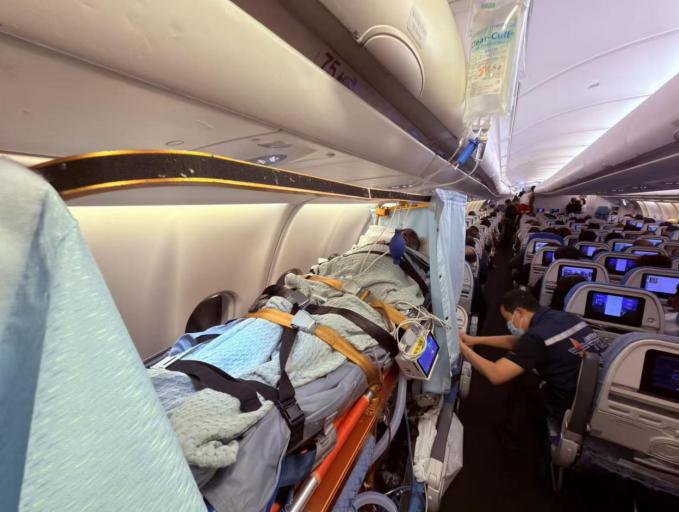
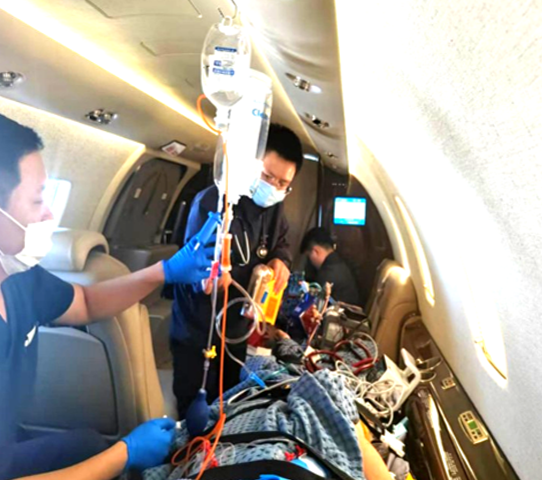
- An emergency aircraft is not a plane with a few modifications; it is an entire flying intensive care unit (ICU). These planes are fitted with life-support, medical oxygen, defibrillators, ventilators, and high-tech monitoring technology to enable medical staff to stabilize and provide treatment to patients during flight.
- In TKP Assistance, we are experts in emergency air evacuation, where the patient is not left behind. This is our mission: to make emergency medical transportation across the globe secure, quick, and dependable.
- Technically, it is defined as an aviation medical response system that has the capability to deal with urgent patient relocation and critical condition transportation. In comparison to commercial flights, emergency planes are subjected to the aviation medical clearance procedures and can be swiftly dispatched in the air even in constraining circumstances.
Medical Services: A Flying Intensive Care Unit (ICU)
You will even have a miniature hospital inside the aircraft in an emergency plane. These are not normal passenger planes; they are designed as critical care planes.
Key Onboard Features
- Onboard Life-Support Systems – These are oxygen, infusion pumps, and cardiac monitors.
- Airborne ICU Facilities – Since it is possible to perform medical interventions in real time during flight.
- Medical Escort Team – A team of doctors, paramedics, and nurses who are trained in aeromedical procedures.
- In-Flight Patient Monitoring – This is to ensure that vital signs are maintained during the journey.
- Pre-Flight Medical Assessment – Establishes patient readiness to be transferred and equipment.
There is patient stabilization, which begins before take-off, which guarantees safety and comfort even during severe medical emergencies.
Technical Emergency Aircraft Operations
The work of an emergency aircraft is a complicated technical procedure, including compliance with aviation safety, international regulations, and real-time coordination. Key Technical Parameters:
- Aircraft Medical Configuration: These are planes that have been modified with interiors to fit the ICU beds and equipment.
- Crew Medical Certification: Flight crew and medical crew trained in high-altitude critical care.
- Air Evacuation Procedures: International Civil Aviation Organization (ICAO) requirements.
- Flight Clearance Procedures: To request emergency landing clearance and border overflight permits.
- Onboard Equipment: Portable life-support systems, defibrillators, ECG-monitors, and ventilators.
These parameters guarantee aviation emergency standards are achieved and offer a secure international Medicational guidelines to patients worldwide.

International Coordination & Compliance with Regulations
Cross-border coordination is one of the important aspects of emergency air evacuation. All international flights should be in accordance with the WHO emergency transport recommendations and ICAO aviation laws.
Global Healthcare Network
Emergency aircraft belong to a global emergency response network that interconnects hospitals, insurance companies, and medical escort crews. At TKP Assistance, we manage:
- Documentation of border control of medical flights.
- Insurance approvals and payments.
- Customs and immigrant clearance.
- Of international hospital hands over.
Through our international medical evacuation system, we have zero turnaround time, even when patients are moving across continents.
When is an Emergency Aircraft Utilised?
The aircraft services that are normally deployed to an emergency are those that are activated when the use of ground transport becomes unfeasible or too slow. These aircraft are ideal for:
- Critical condition (ICU and trauma cases) transport.
- Response to emergencies during natural disasters.
- The transfer of patients across their borders needs rapid care.
- Remote area rescues
- Delivery flights for organ transplantation.
- Bringing back injured tourists.
They offer quicker emergency services and access to high-tech medical institutions – particularly when time or space restricts the conventional modes of transportation.
How Emergency Air Evacuation Works?
Emergency air transport works like this:
- Medical Evaluation: The condition of the patient is evaluated for flight.
- Flight Planning: According to medical requirements, the route and destination must be specified.
- Aircraft Set-Up: Provided with the necessary medical flight equipment.
- Crew Mobilization: Medical team and pilot, and aviation crew briefed.
- Clearance and Coordination: Get international rescue compliance and border permits.
- Takeoff/Monitoring: In-flight monitoring and interventions.
- Handover: Patient arrived safely at the destination hospital.
The use of this real-time coordination guarantees a time-critical medical evacuation with 24/7 preparedness.
Rapidity, Security, and Accuracy: The Marks of Emergency Aircraft
An emergency helicopter functions on time-bound rescue operations, which involve speed and medical competence. Rapid Response Features:
- 24/7 Emergency Preparedness Plan.
- Immediate Flight Dispatch
- Fast-track Border Clearance
- ICU-equipped Jets
- Emergency Readiness Teams
All these functions allow critical care aviation to operate 24/7 – no one makes a call, and the aviation does not respond.
Modern Technology Within Air Medical Activities
Currently used emergency aircraft use cutting-edge air medical technology and computerized flight coordination systems. Key Innovations:
- Telemedicine in Airborne Care: Allows physicians on the ground to check on patients in the air.
- Digital Health Records: Provide access to medical history in real time.
- Satellite Communication: Provides real-time information on long-distance flights.
- Artificial Intelligence Routing Systems: Maximize flight time and fuel consumption.
This combination of medicine and technology ensures that evacuations via the air are safer, quicker, and more effective.
What is TKP Assistance? Why Select the Company?
At TKP Assistance, we have a reputation of a reliable emergency air evacuation leader. We have a track record of more than 10,000 successful missions, and we specialize in:
- ICU air transport
- International medical evacuation.
- Transfers in pediatric and ECMO.
- VIP medical repatriations
- Swift air rescue organization.
Our international liaison, medical, and aviation specialists are collaborating with each other to provide patients with a seamless experience – anywhere, anytime.
Conclusion:
What is emergency aircraft? Emergency aircraft are hope in motion, in a world where disasters, like literally any emergency strike, come without warning. They are the ideal combination of aviation accuracy, medical skills, and human understanding. For details, visit TKP Assistance.
Submit Your Request
Recent Posts

Tags
- Air Ambulance
- Bedside To Bedside
- Cross Border Aid
- Emergency Evacuation
- Global Medical Rescue
- How can I ensure the patient's stability while in the air?
- How do I request an air medical transport?
- How is it different from an air ambulance
- how to activate emergency aircraft service
- how to request an air ambulance
- Is air medical transport safe
- Is international transport possible
- Medical Rescue
- Medical Transport
- Patient Repatriation
- Remote Rescue
- Seamless Coordination
- Telemedicine Support
- Tourists And Expats Medical Escort
- What are the benefits of a cross-border medical transfer
- What are the different types of transfers
- What are typical use cases
- What documents do I need to prepare for a transfer?
- What does high-speed rail patient transfer stands for
- What is air ambulance
- What is air medical transport?
- What is cross-border medical transfer
- What is emergency aircraft
- what is high-speed rail patient transfer
- What is medical charter flight
- what is neonatal ICU transfer
- What is patient air transfer
- What medical equipment is available on board the aircraft
- What situations shouldn't use air medical transport?
- What types of air ambulance are there?
- What types of air ambulance exist
- What's the difference between international and domestic transfers?
- what’s the difference between air medical transport and regular ambulance?
- When is emergency air transport necessary
- Which patients require air medical transport?
- who is included in the medical team
- who needs an air ambulance