


What is Medical Charter Flight? Safe Patient Air Transport


What are Medical Charter Flights?
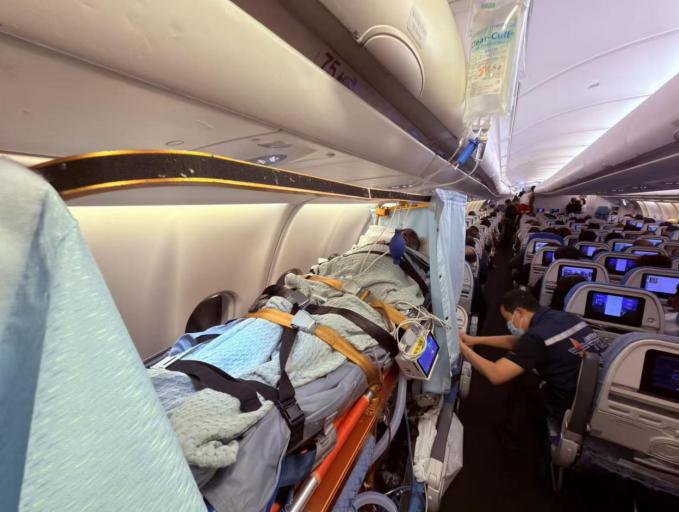
What is medical charter flight? When it comes to matters of medical emergencies, every second matters. In situations that put the lives of people at risk or are time-consuming through conventional methods of transporting people on land, a medical charter flight comes in as a savior. However, what is a medical charter flight? What is the difference between an air ambulance and it? And when should you book one? A medical charter flight is a privately organized aircraft that has medical facilities and personnel who are qualified health practitioners. It offers specialized medical services for transporting patients whose medical services require a flight, either locally or abroad.
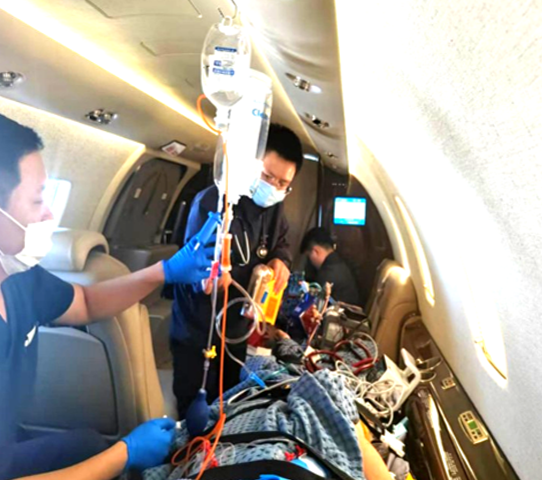
These aircraft that are equipped with ICU are not regular commercial planes, but are designed to provide critical care, monitoring, and treatment during flight. The aircraft may consist of:
- High-level life-support (ALS).
- Oxygen supply
- Cardiac monitors
- Ventilators
- Stretcher or bed setups
A medical charter flight is, in simpler terms, a flying hospital room, where the patients will be safely, stably, and taken care of throughout the transfer.
What are the Cases of Using a Medical Charter Flight?
A charter service offered by the medical service is appropriate in cases when:
- The patient is not allowed to fly on commercial flights.
- Special medical devices or oxygen are needed.
- It is too distant to use a ground ambulance.
- You require international transfers or repatriations between countries.
- This patient should be constantly monitored by a doctor on board.
The case in point is the patients who are recovering after a stroke, spinal injury, or surgery, and they usually use medical charter flights to ensure they can go home to their countries safely or receive specialized treatment in other countries.
How a Medical Charter Aircraft Flies?
A medical charter flight is also a matter of careful planning between the air crews, medical teams, and ground staff. We will go through the step-by-step process.
Step 1: First Investigation and Medical Exam
After calling a provider such as TKP Assistance, their medical coordination team (around the clock) gathers the necessary information:
- Patient’s medical condition
- Location and destination
- Consideration of the recommendation of the doctor.
- Preferred date and urgency
Then a medical check-up is carried out before the flight to ascertain whether the air transportation is safe.

Step 2: Flight Planning and Clearance
The provider:
- Choose a suitable aircraft (depending on the medical requirement and covered distance)
- Book medical escorts (doctor, nurse, paramedic)
- Obtains aviation permits, flight clearance, and insurance documentation.
Additional customs and immigration coordination can be demanded in case of international flights.
Step 3: Onboard Pre-Flight Briefing and Set Up
Before takeoff, the aircraft is medically-configured, i.e., equipped with:
- ICU monitors
- Ventilators
- Medication kits
- Stretcher or bed setup
- Life support units
Pre-flight briefing is done by the onboard medical escort team, where all safety and care practices are adhered to.
Step 4: The Flight Journey
The doctors and paramedics constantly check during the flight:
- Vital signs
- Oxygen saturation
- Medication schedules
- Comfort and stability of the patients.
In critical care flights, real-time telemedicine connections can be made between hospital specialists and staff on board.
Step 5: Ground Transfer and Arrival
An ambulance on the ground or a hospital liaison team is waiting at the airport when one arrives. The patient is directly transported to the hospital bed, which guarantees bedside-to-bedside continuity, a characteristic of professional air medical service.
Technical Insights: What Makes a Medical Charter a Safe Flight?
Medical charter flights meet very high standards of aviation and healthcare insurance:
- Aircraft Maintenance: Authorized in accordance with Part 135/Part 145 aviation rules.
- Training: Crew aeromedical transport.
- Medical Supervision: Onboard ICU nurses, paramedics, and emergency doctors.
- Airspace Coordination: Real-time tracking and flight clearance of patients.
- Infection Control: Frequent sanitization and PPE-crews.
Numerous providers, such as TKP Assistance, are ISO and EURAMI certified, which means that it is compliant globally and safe for patients.
Mediocre Price of a Medical Charter Flight
The cost depends on:
- Flight distance
- Aircraft type
- Medical staff requirements
- Equipment needed
- Landing and clearance fees
To use a case in point, a regional flight can cost between 8,000 and 15,000, whilst international flights can cost much more than 50,000 based on distance and complexity.
Why TKP Assistance to Use in Medical Charter Flights?
In the case of medical air transportation, trust and experience count. TKP Assistance is a leading provider of dependable, humane, and medically superior air charter services in the world. The company has more than 20 years of experience, and they have completed over 10,000 patient transfer missions- each of which was done with the highest levels of precision and care.
- TKP Assistance is a company specializing in cross-border medical evacuations and is active in China, Asia, and the Greater Bay Area to provide a seamless transfer of hospitals to hospitals. All of the planes are equipped with ICUs, providing the latest life support systems, oxygenation, and onboard monitoring tools to control critical conditions during air travel. Medical professionals such as flight doctors, nurses, and paramedics are on each mission and provide round-the-clock patient care in-flight.
- In addition to technology, TKP Assistance is also proud of its patient-first philosophy. Whether they transfer bedside-to-bedside or tailor-made care plans, they aim at making all the journeys safe, painless, and enjoyable. The 24/7 coordination and a connection to the global network make sure that TKP Assistance responds quickly and provides peace of mind to a family in need.
Conclusion
What is medical charter flight? A medical charter flight is not just a trip, but it is a lifeline in the sky. It has a combination of medical accuracy, aviation superiority, and human care that brings the patients to their destination safely and comfortably. Traditional travel is impossible due to the time, distance, and health factor; therefore, when you are not able to employ the traditional method to travel, trust professionals like the TKP Assistance to handle all the aspects of the travel, such as the bed-to-bed.
Submit Your Request
Recent Posts

Tags
- Air Ambulance
- Bedside To Bedside
- Cross Border Aid
- Emergency Evacuation
- Global Medical Rescue
- How can I ensure the patient's stability while in the air?
- How do I request an air medical transport?
- How is it different from an air ambulance
- how to activate emergency aircraft service
- how to request an air ambulance
- Is air medical transport safe
- Is international transport possible
- Medical Rescue
- Medical Transport
- Patient Repatriation
- Remote Rescue
- Seamless Coordination
- Telemedicine Support
- Tourists And Expats Medical Escort
- What are the benefits of a cross-border medical transfer
- What are the different types of transfers
- What are typical use cases
- What documents do I need to prepare for a transfer?
- What does high-speed rail patient transfer stands for
- What is air ambulance
- What is air medical transport?
- What is cross-border medical transfer
- What is emergency aircraft
- what is high-speed rail patient transfer
- What is medical charter flight
- what is neonatal ICU transfer
- What is patient air transfer
- What medical equipment is available on board the aircraft
- What situations shouldn't use air medical transport?
- What types of air ambulance are there?
- What types of air ambulance exist
- What's the difference between international and domestic transfers?
- what’s the difference between air medical transport and regular ambulance?
- When is emergency air transport necessary
- Which patients require air medical transport?
- who is included in the medical team
- who needs an air ambulance