


What is Neonatal ICU Transfer? A Complete Guide of 2025


What is Neonatal ICU Transfer?
In case of a premature newborn with breathing problems or who needs special treatment unavailable in the assigned hospital, neonatal ICU transfer is necessary. However, what is neonatal ICU transfer? The straightforward definition of it is the safe and medically controlled transportation of critically ill or premature babies in one hospital to another-typically to a hospital with a well-developed neonatal intensive care unit (NICU) and highly qualified personnel.
- These are no regular ambulance trips. These include technologically advanced neonatal transport incubators, life-support equipment, and a special neonatal transport staff with training in stabilization of the newborn and newborn emergency care. Be it via ground ambulance, airline, or high-speed rail, the result of a neonatal ICU transfer is to ensure that vulnerable newborns get the timely and specialized medical care.
- At TKP Assistance, we know that each second matters in neonatal cases of emergency. This is why our neonatal transfer services are 24/7, to provide fast, safe, and caring services to families in China, Hong Kong, Southeast Asia, and even further.
The Importance of Neonatal ICU Transfers
Transfers in the neonatal ICU save lives. Most hospitals do not have high-technology neonatal intensive care facilities, like ventilators to support the tiny lungs, thermal control incubators, or ECMO (Extracorporeal Membrane Oxygenation) apparatus of life-or-death heart and lung support. A hospital-to-hospital neonatal transfer in such situations makes the difference between life and death. With these transfers, access is available to:
- High-tech neonatal departments.
- Specialist teams of neonatal and pediatric critical care.
- Constant observation of the transportation process, stability.
- Medical coordination to save the lives of premature or high-risk babies.
The advantages of neonatal transfer are better survival rates, quicker recovery, and access to resources that are not seen in smaller facilities. It is a highly organized, medically controlled, and painstaking process, which makes sure that the smallest baby is given the best possible care at a world-standard level.
How Do Transfers in the Neonatal ICU Work?
Clinical assessment of every neonatal ICU transfer starts. The medical teams evaluate the condition of the newborn to decide whether they need to transfer the baby, the safest transfer mode, and the equipment they will need. Our transfer protocol of neonatal transfer at TKP medical assistance comprises:
- Pre-Transfer Stabilization – Maintaining temperature, oxygen, and vital signs normal.
- Preparation of Specialized Equipment – Preparation of neonatal ventilator, infusion pumps, vital sign monitors, and thermal control transport incubator.
- Deployment of Medical Escorts – Made up of a respiratory therapist, pediatrician, and neonatal nurse.
- Hospital Coordination – Up-to-date communication between sending and receiving hospitals.
- Real-Time Monitoring – Onboard oxygen supply as well as neonatal life support systems and in-flight stabilization.
Our NICU transfer service makes sure that no details of the safety of the newborn are compromised. We also customize every transfer, whether it is by air ambulance, medical jet, or high-speed rail, depending on the distance, urgency, and the infant’s stability.

Neonatal ICU Transfers: Equipment
Technical accuracy is critical to the success of a neonatal ICU transport. All neonatal retrieval services are equipped with the most current life-support devices, so that intensive treatment is maintained throughout the transportation. Common equipment includes:
- Temperature-controlled neonatal transport incubator.
- Oxygen and respirator units that are to be used in premature babies.
- Heart rate, oxygen, and temperature neonatal monitoring sensors.
- Nutrition and medication portable infusion pumps.
- Controlled breathing support by use of a pediatric transport ventilator.
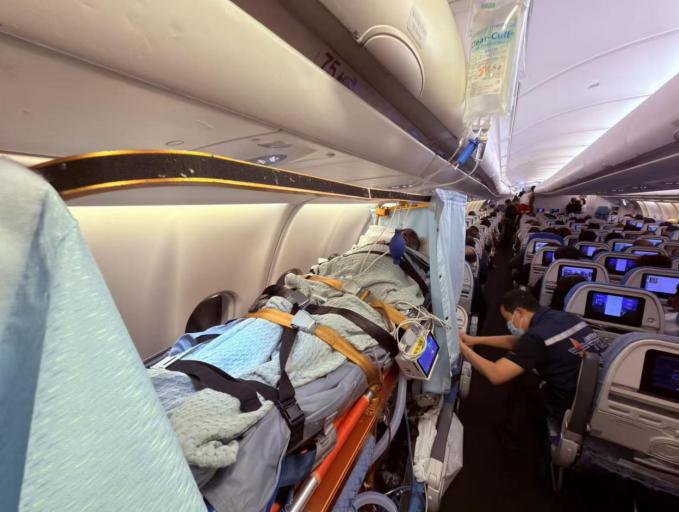
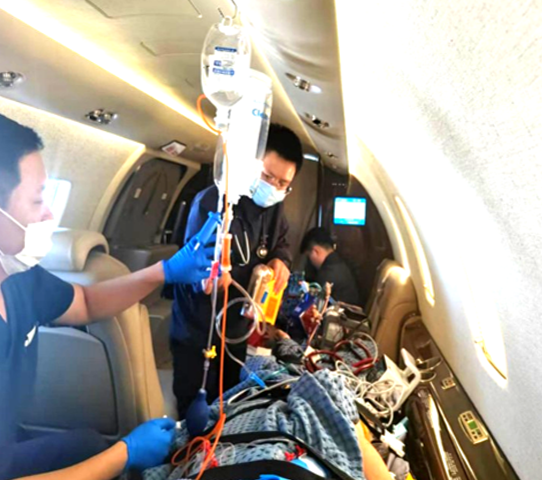
All medical-grade air ambulances have the features to recreate a mini NICU, which provides the safety of transporting newborns with respiratory support, IV infusion, or constant oversight.
Who Does the Neonatal ICU Transfers?
A highly trained NICU transport team can also be used when transferring neonatal ICU patients, which is a team of medical professionals specialized in transporting newborns using resuscitation and critical care. A typical neonatal transportation squad consists of:
- Neonatal Nurse – Specialist in newborn stabilization and monitoring.
- Pediatrician or Neonatologist – Oversaw clinical decisions in the transfer.
- Respiratory Therapist – In charge of oxygenation and ventilational support.
- Medical Transport Coordinator – Assures a smooth flow of communication between the hospital.
Such professionals adhere to the international standards of neonatal transfer, such as the WHO neonatal care guidelines and the global evacuation guidelines. At TKP Assistance, all missions are carried out in a medical way, with empathy and with adherence to the principles of patient safety across borders.
Neonatal Transfers International and Cross-Border
Cross-border neonatal transfers are necessary when a newborn has to get the selected treatment in a different country or a different city. These include international medical evacuation, usually by air ambulance flights that are fitted with neonatal transport systems. We also specialize in TKP Assistance:
- Cross-border neonatal transport in Asia.
- International neonatal evacuation.
- International liaison with health and immigration officers.
- Neonatal patient transfer regulatory compliance.
We take care of everything, including medical clearance, flight preparedness, and documentation, as well as hospital admission overseas. This makes sure that families are subjected to minimal stress and their baby is getting life-saving NICU treatment in another country.
Rapid Response Transfers and Emergency Transfers
In some cases, neonatal emergencies just happen out of the blue- respiratory distress, low birth weight, or heart problems can be observed immediately after the delivery. Where these happen, the provision of time-sensitive neonatal transfer becomes a healthcare urgent. TKP Assistance is an emergency neonatal transport service that provides real-time coordination and rapid response, which guarantees:
- Instead, immediate dispatch of the neonatal team.
- Rapid air or ground clearance.
- Quick evacuation of the neonate to the next level care centers.
Our 24/7 neonatal response team makes sure that we get there within minutes and not hours – because every heartbeat counts.
Every Transfer Has Technical and Medical Knowledge
Effective transfer of the newborn involves control of equipment, logistics, and patient care. In TKP Assistance, our team adheres to evidence-based neonatal transport protocols, which meet the international standards of air rescue of the pediatric population.
We Emphasize:
- Cold shipments.
- Constant ventilation and oxygenation.
- Real-time assessment of telemedicine monitoring.
- Uninterrupted care pediatric life support systems.
Every transfer is performed with a combination of medical knowledge, technical accuracy, and emotional awareness, with the guarantee of the comfort of the infant and the family.
Collaborate with TKP Assistance – Neonatal ICU Transfers Leaders
TKP Assistance has a reputation as a reliable partner in neonatal and pediatric evacuation with more than 20 years of experience. We also have an international network of neonatal transfers that covers China, Hong Kong, Southeast Asian countries, and Europe, guaranteeing international scope as well as local expertise.
We Provide:
- Complete neonatal transfer systems.
- Aircraft and ground ambulances that are of medical grade.
- Well-trained NICU transportation teams.
- 24/7 coordination and monitoring.
Conclusion
What is neonatal ICU transfer? It is an essential medical facility that provides newborns with high-quality care on a timely, skilled, and sustained basis when in critical conditions. It connects hospitals with experts and technology to save the lives of the weakest. It could be a premature baby, a high-risk newborn, or a baby requiring more complex care overseas; neonatal transfer service providers such as TKP Assistance ensure the trip is safe, efficient, and life-saving.
Submit Your Request
Recent Posts

Tags
- Air Ambulance
- Bedside To Bedside
- Cross Border Aid
- Emergency Evacuation
- Global Medical Rescue
- How can I ensure the patient's stability while in the air?
- How do I request an air medical transport?
- How is it different from an air ambulance
- how to activate emergency aircraft service
- how to request an air ambulance
- Is air medical transport safe
- Is international transport possible
- Medical Rescue
- Medical Transport
- Patient Repatriation
- Remote Rescue
- Seamless Coordination
- Telemedicine Support
- Tourists And Expats Medical Escort
- What are the benefits of a cross-border medical transfer
- What are the different types of transfers
- What are typical use cases
- What documents do I need to prepare for a transfer?
- What does high-speed rail patient transfer stands for
- What is air ambulance
- What is air medical transport?
- What is cross-border medical transfer
- What is emergency aircraft
- what is high-speed rail patient transfer
- What is medical charter flight
- what is neonatal ICU transfer
- What is patient air transfer
- What medical equipment is available on board the aircraft
- What situations shouldn't use air medical transport?
- What types of air ambulance are there?
- What types of air ambulance exist
- What's the difference between international and domestic transfers?
- what’s the difference between air medical transport and regular ambulance?
- When is emergency air transport necessary
- Which patients require air medical transport?
- who is included in the medical team
- who needs an air ambulance