


Who is Included in the Medical Team? Roles and Structure


Who is a Part of the Medical Team?
- The question of who is part of the medical team is one that always comes to mind in every hospital, clinic, and emergency center. A team of medical practitioners collaborating with accuracy, compassion, and skill hides behind all the successful treatment and patient recovery.
- Modern medicine is not an individual performance; it is a team-oriented practice guided by interprofessional collaboration, clinical care, as well as patient-centered values. Physicians, nurses, technicians, pharmacists, and so on, each job has its part to play in ensuring a healthy and effective healthcare system.
What is a Medical Team?
A medical team is an interprofessional team of medical practitioners working together to provide patients with all-inclusive care. Every member has distinct skills, expertise, and roles to enhance health outcomes. A clinical care team in a hospital or a clinic consists not only of direct caregivers (doctors, nurses, therapists, etc.) but also of support staff (laboratory technologists, pharmacists, administrators, etc.). There are three major pillars on which this structure is founded:
- Coordination: Timely care is attained through smooth communication.
- Skill: Every expert applies evidence-based practices.
- Collaboration: A common purpose – recovery of the patient.
The World Health Organization (WHO) states that good teamwork in healthcare helps minimize the number of errors and increases patient satisfaction.
Key Members of a Medical Team
To determine who is included in the medical team will entail, it is crucial to look into each member and his or her role and role in the team. These are the main positions that are common in most health care facilities:
- Physicians (Doctors)
The key element of any healthcare team is physicians. They diagnose diseases, develop treatment programs, and make medical decisions.
Types of Physicians:
- General Practitioners (GPs): GPs deal with preventive care and routine health problems.
- Specialists: Specialize in such areas as cardiology, oncology, or neurology.
- Surgeons: Do surgery and complicated medical operations.
They play a role in clinical assessment, evidence-based decision making, and interprofessional communication with other healthcare providers.
- Nurse Practitioners and Nurses
The front-runners of healthcare are nurses. They offer 24-hour services, observe vital signs, and assist physicians and patients. RNs and Nurse Practitioners (NPs) guarantee continuity of care, patient education, and emotional support. They assist in:
- Patient monitoring
- Medication administration
- Clinical coordination
Their technical expertise and empathy qualify them as important support personnel in the health care setting.

- Laboratory Technologists and Medical Technicians
In the background of any precise diagnosis, there will be a medical technician or technologist. They carry out laboratory tests, interpret blood tests, and verify clinical records. In their absence, the process of treating a patient would be inaccurate. As an illustration, lab technologists discover infections, track the functioning of the organs, and assist in emergency decision-making. They are the workhorses of diagnoses at hospitals.
- Pharmacists
The medication safety is under the control of pharmacists. They check prescriptions, drug interactions, and provide counseling on dosage and side effects to patients. They act directly in relation to doctors in hospital environments to promote safe pharmaceutical treatments. Their input is essential in preventing negative drug reactions and ensuring that patient care is of high quality.
- Emergency Staff and Paramedics
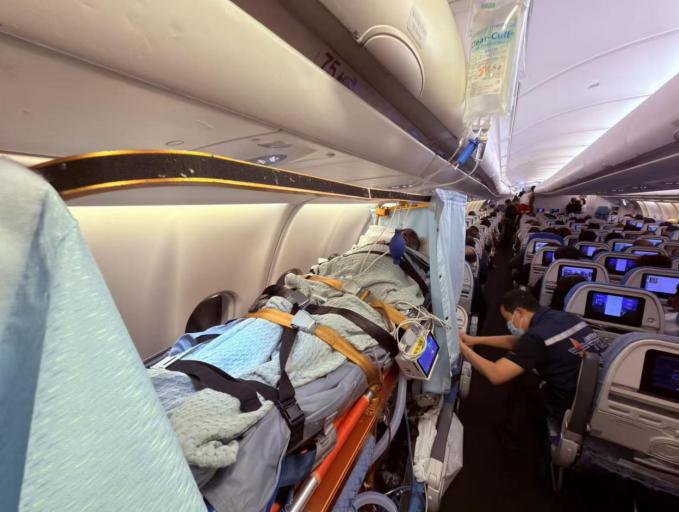
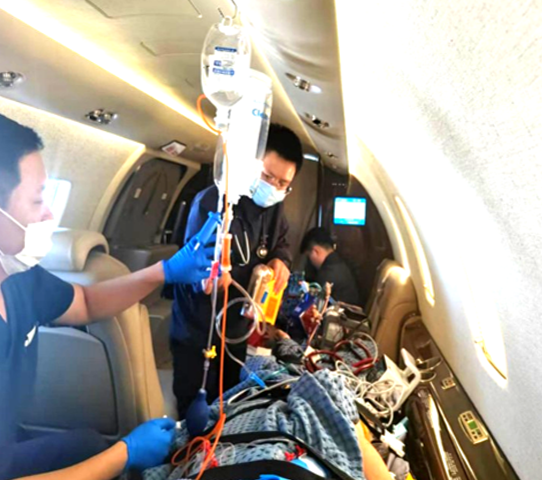
Paramedics, emergency doctors, and critical care nurses constitute a rapid-response unit in case of emergencies. They stabilize them, carry them safely in the hospitals, and carry out lifesaving interventions. Their collaboration in times of crisis demonstrates the role of coordination in clinical care.
What is the Working Process of a Multidisciplinary Medical Team?
Interdisciplinary teamwork is an organized collaboration of a multidisciplinary medical team. All members play a role in a hierarchy of responsibility in a hospital care setting and do this in a well-defined manner that is clearly communicated to them.
Step 1: Assessment
Clinical measurements and exchange of findings are done by doctors, nurses, and technicians.
Step 2: Planning
A treatment plan is developed by the team and takes into consideration the preferences of the patient.
Step 3: Implementation
Whichever professional, be it in the administration of medication or in therapy, conducts their business.
Step 4: Evaluation
Advancement is tracked down, and the adjustments are jointly made. Interprofessional collaboration is emphasized during this process, and the coordination of patient care is guaranteed.
Medical Team Leadership and Team Structure
Although healthcare teams work together, there is organization through leadership.
- Medical leadership entails
- Assigning responsibilities
- Managing workflow
- Promoting ethical care
The team is usually led by physicians or department heads. Nevertheless, joint models of leadership are gaining popularity, where decisions are made jointly. The hospitals also integrate their healthcare delivery systems, with their roles overlapping, in order to be flexible.
- Online Healthcare
With telemedicine and AI-based diagnosis, the collaboration teams in healthcare use technology as a means of coordinating care at a distance. Digital tools enable:
- Shared data Electronic Health Records (EHR).
- Remote diagnosis by use of teleconsultations.
We appreciate the use of technology at TKP Assistance in linking the global healthcare teams and offering 24/7 patient care.
- Interprofessional Communication
Effective interprofessional communication is essential to the effectiveness of a team. To eliminate confusion, healthcare organizations usually hold team briefings, handover meetings, and simulation training. Some of the communication principles are:
- Development: Be standardized in usage.
- Respect: Appreciate the contribution of each team member.
- Consistency: Have updates that are regularly made.
Conclusion
But who is included in the medical team? It is not only the case of doctors and nurses. It is a symbiotic system of medics, technicians, therapists, and support staff members all operating with one mission, which is quality patient care. At TKP Assistance, we have the honor of supporting healthcare teams around the globe in their medical and emergency response efforts through a comprehensive program- because the success of any effort starts with teamwork.
Submit Your Request
Recent Posts

Tags
- Air Ambulance
- Bedside To Bedside
- Cross Border Aid
- Emergency Evacuation
- Global Medical Rescue
- How can I ensure the patient's stability while in the air?
- How do I request an air medical transport?
- How is it different from an air ambulance
- how to activate emergency aircraft service
- how to request an air ambulance
- Is air medical transport safe
- Is international transport possible
- Medical Rescue
- Medical Transport
- Patient Repatriation
- Remote Rescue
- Seamless Coordination
- Telemedicine Support
- Tourists And Expats Medical Escort
- What are the benefits of a cross-border medical transfer
- What are the different types of transfers
- What are typical use cases
- What documents do I need to prepare for a transfer?
- What does high-speed rail patient transfer stands for
- What is air ambulance
- What is air medical transport?
- What is cross-border medical transfer
- What is emergency aircraft
- what is high-speed rail patient transfer
- What is medical charter flight
- what is neonatal ICU transfer
- What is patient air transfer
- What medical equipment is available on board the aircraft
- What situations shouldn't use air medical transport?
- What types of air ambulance are there?
- What types of air ambulance exist
- What's the difference between international and domestic transfers?
- what’s the difference between air medical transport and regular ambulance?
- When is emergency air transport necessary
- Which patients require air medical transport?
- who is included in the medical team
- who needs an air ambulance