


2026 Air Medical Rescue Explained| About Tech, Weather & Policy


Air Medical Rescue is evolving quickly in 2026. What has not changed is the mission: move patients safely, rapidly, and without breaking the chain of care. What has changed is how that mission gets done. Technology now decides launch windows and routes with far more precision. Weather has grown more volatile, pushing teams to build deeper contingencies. Policy and cross-border rules often determine what can happen next. This guide explains the tools, tactics, and approvals that make modern Air Medical Rescue work – and how TKP Medical Assistance turns them into bed-to-bed results.
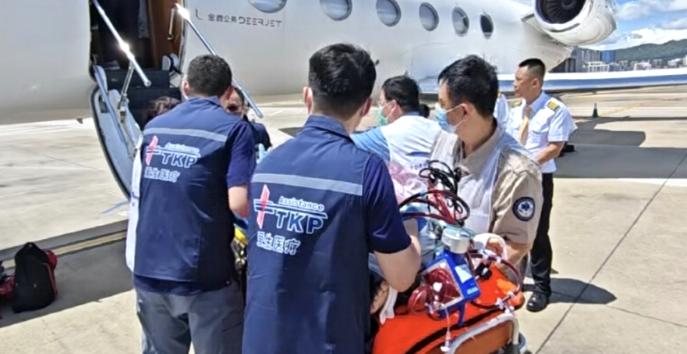
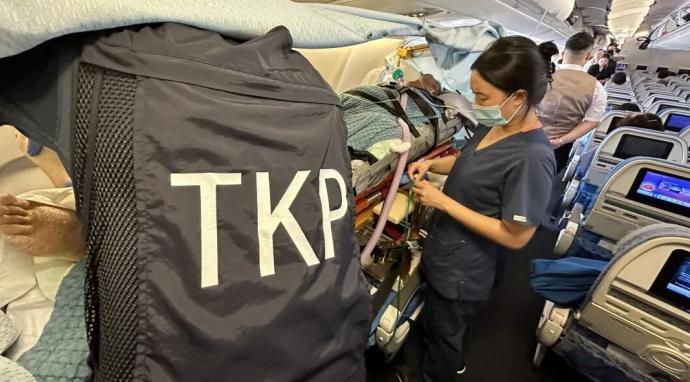
As a global provider, TKP Medical Assistance supports emergency and non–emergency transfers across borders. Depending on the clinical picture, we use commercial stretcher transport with airline approval, dedicated air ambulance aircraft for ICU-level patients, high-speed rail where it shortens total time, and ground ambulance before and after the flight. Our specialty is post-stabilization critical care and time-sensitive evacuations, so the patient moves with continuous monitoring from origin to arrival.
Technology that Accelerates Care in Air Medical Rescue
In 2026, speed comes from data. TKP Medical Assistance blends operational planning with clinical oversight so every decision serves the patient pathway. That means fewer pauses, fewer handoffs, and a timetable that adapts as conditions change.
• Dynamic launch and scheduling aligned to condition and urgency, with decision gates that favor safety and speed.
• Global coverage to connect domestic and international locations directly to receiving centers that match the diagnosis.
• Access to airports with minimal infrastructure requirements, letting teams reach remote or secondary airfields and shorten first-mile and last-mile.
• Route optimization that balances time, altitude, and turbulence avoidance while preserving medical safety margins.
• Real-time flight monitoring – ADS-B tracking, satellite communications, and operations dashboards – to adjust routing when weather, traffic, or patient status shifts.
• Embedded coordination with hospitals, consulates, and embassies for rapid permits and clinical acceptance.
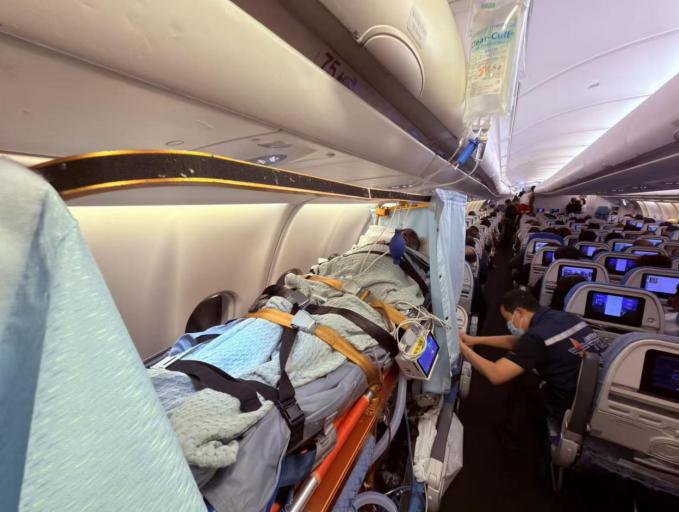
• Commercial stretcher transport on scheduled airlines when clinically appropriate, reducing cost while keeping bed-to-bed continuity.
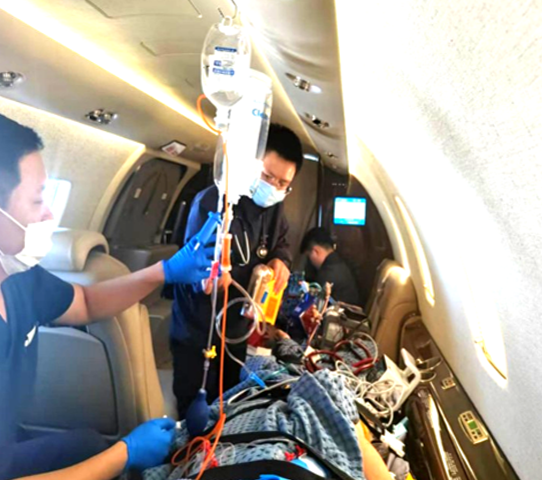
• Dedicated air ambulance aircraft with full medical escort, ventilators, ICU-level kits, and power supply redundancy for high-acuity patients.
These capabilities convert complex itineraries into predictable, patient-centric pathways. They also allow us to match mode to medical need, preventing over- or under-resourcing and avoiding avoidable delays.
Weather Strategy that Protects Flights and Schedules
Weather sits at the heart of go/no-go decisions in Air Medical Rescue. Forecasts are faster and richer than before; they also change more quickly. Remote corridors, hot-and-high airfields, and coastal systems can raise risk if teams are slow to adapt. TKP Medical Assistance counters this with layered planning and live oversight.
We pre-select alternates and diversion points, build buffer time into ground transfers, and choose routes that skirt known systems when those choices do not compromise care. Every mission is tracked in real time. If METARs, TAFs, or SIGMETs turn, we reshape the plan mid-journey – moving a handoff earlier, shifting an approach, or advancing to a secondary airport to preserve patient stability and timing.
Access matters as much as forecasts. Using airports with minimal infrastructure requirements keeps the first and last miles short for patients in underserved areas. That reduces exposure to deteriorating conditions and cuts total transfer time. Weather volatility will not disappear in 2026; disciplined planning, experienced crews, and live operational control keep missions viable and safe.
Policy, Permits, and Cross–Border Compliance
Policy sets the boundaries for Air Medical Rescue. Before an aircraft lifts, cross-border missions require overflight permissions, landing rights, airport slots, customs and immigration coordination, and confirmation that the receiving hospital is ready. For cross-border travel involving commercial stretchers, special medical baggage, or oxygen and medications, documentation must be precise.
TKP Medical Assistance handles every step, working with embassies and consulates, airport authorities, and medical institutions to keep care on schedule. Compliance protects both privacy and continuity; records, consents, escort IDs, and airline clearances must be compliant with requirements at origin, transit locations, and destination.
Typical cross-border preparation includes:
• Overflight permits and landing clearances in each jurisdiction.
• Airport slots and ground handling coordination at departure, alternate, and arrival.
• Customs, immigration, and, when applicable, medical entry letters or visas.
• Verified clinical acceptance and bed assignment at the receiving facility.
• Document control for records, consent, escort licenses, and airline stretcher approvals.
• Compliance with privacy regulations and chain-of-custody for medical information.
Your Patient Journey with TKP Medical Assistance
Every Air Medical Rescue begins with clinical assessment. We confirm stabilization, review vital trends, and choose the safest, fastest mode based on medical need and distance.
• Bed-to-bed oversight: clinical review, stabilization check, equipment preparation, and bedside briefing for the family.
• Mode selection: commercial stretcher with airline approval when the patient is stable; dedicated air ambulance with full medical escort when ICU-level support is needed; high-speed rail and ground ambulance integrated where they shorten total time to care.
• Route design: dynamic schedules, optimized paths, and access through remote or secondary airports when they reduce exposure and travel time.
• Cross-border enablement: embassy liaison, hospital coordination, and document control conducted in parallel so the mission moves without administrative pauses.
• Continuous monitoring: operations watch every leg, adjusting for weather, traffic, or clinical changes to keep the plan on time and the patient stable.
The result is a continuous chain of care from origin to destination. By minimizing transitions and keeping treatment uninterrupted, the patient arrives in better condition and families gain clarity about what happens next.
Turning Capabilities into Advantages You Can Feel
Technology and policy only matter if they improve outcomes. TKP Medical Assistance makes complex systems deliver tangible value for patients and families.
• Shorter time to definitive care through optimized routing and flexible airport choices.
• Enhanced safety margins via real-time telemetry, senior medical escort, and equipment redundancy on the ground and in the air.
• Cost-sensitive care pathways: choose commercial stretcher when suitable to contain costs; assign air ambulance to high-acuity, time-critical cases needing ICU-grade support.
• Global reach: coverage at home and abroad connects remote or underserved regions to centers of excellence.
Fewer administrative barriers through embassy and hospital coordination that expedites permits, handoffs, and admissions.
FAQs About Air Medical Rescue in 2026
• When should I choose commercial stretcher versus air ambulance?
Choose a commercial stretcher when the patient is stable and eligible under airline rules; it lowers cost while maintaining safety and continuity. For unstable patients or those needing ICU-level care, a dedicated air ambulance with full medical escort is the right choice.
• How do you manage sudden weather changes?
We include alternates in every plan and monitor flights live. If weather shifts, we adapt – diverting to a secondary airport, adjusting schedules, or resequencing legs to preserve patient safety and timing.
• Can you reach remote areas with limited airport infrastructure?
Yes. Our network includes airports with minimal infrastructure requirements. That capability shortens first-mile and last-mile travel and opens access from remote or underserved regions.
• How do you prevent delays at borders?
We coordinate with embassies and receiving hospitals in advance and manage all approvals and documentation – including overflight permits, slots, customs, immigration, and clinical acceptance – so the transfer keeps moving.
Call to Action
If you are planning an Air Medical Rescue in 2026, engage TKP Medical Assistance early. A brief clinical review and route assessment help us recommend the safest, fastest, and most cost-aligned option for your case. Contact our operations team to start a bed-to-bed plan – one that connects your patient to definitive care without delay and keeps every step compliant, monitored, and ready to adapt.
Submit Your Request
Recent Posts
Tags
- Air Ambulance
- Bedside To Bedside
- Cross Border Aid
- Emergency Evacuation
- Global Medical Rescue
- How can I ensure the patient's stability while in the air?
- How do I request an air medical transport?
- How is it different from an air ambulance
- how to activate emergency aircraft service
- how to request an air ambulance
- Is air medical transport safe
- Is international transport possible
- Medical Rescue
- Medical Transport
- Patient Repatriation
- Remote Rescue
- Seamless Coordination
- Telemedicine Support
- Tourists And Expats Medical Escort
- What are the benefits of a cross-border medical transfer
- What are the different types of transfers
- What are typical use cases
- What documents do I need to prepare for a transfer?
- What does high-speed rail patient transfer stands for
- What is air ambulance
- What is air medical transport?
- What is cross-border medical transfer
- What is emergency aircraft
- what is high-speed rail patient transfer
- What is medical charter flight
- what is neonatal ICU transfer
- What is patient air transfer
- What medical equipment is available on board the aircraft
- What situations shouldn't use air medical transport?
- What types of air ambulance are there?
- What types of air ambulance exist
- What's the difference between international and domestic transfers?
- what’s the difference between air medical transport and regular ambulance?
- When is emergency air transport necessary
- Which patients require air medical transport?
- who is included in the medical team
- who needs an air ambulance