


What an Air Medical Stretcher Checklist Includes in 2026?


In 2026, international medical transport demands precision. Aircraft options change at short notice, regulatory expectations are tighter, and patient acuity keeps rising. An Air Medical Stretcher checklist is the small, disciplined routine that keeps the entire mission safe and predictable. Done well, it prevents last-minute equipment swaps, stops documentation problems before they reach the runway, and gives clinical teams the confidence to deliver ICU-level care at altitude. Below is a practical guide to what belongs in a modern checklist, how clinical and regulatory needs align, and how TKP Medical Assistance turns checks into outcomes families can trust.
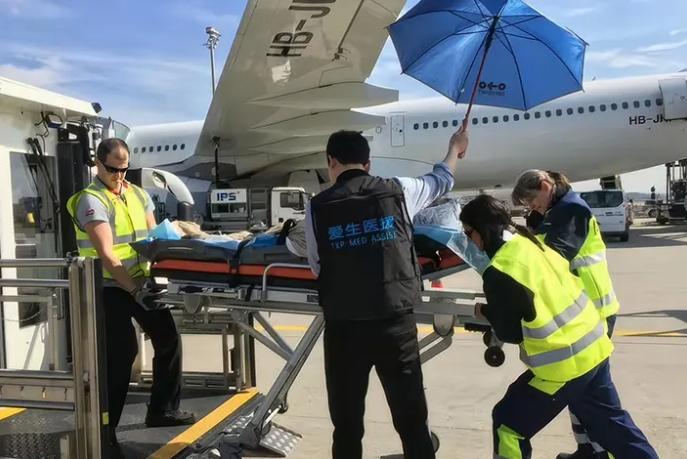
What is an Air Medical Stretcher Checklist and Why it Matters in 2026
Think of the checklist as a risk control system that starts the moment you accept the mission and ends only after handover at the destination hospital. It validates aircraft interface (fitment, locks, power and oxygen compatibility, weight and balance), confirms clinical readiness (ventilators, monitors, infusion pumps, consumables), organizes paperwork (authorizations, handovers, privacy), and covers human factors (comfort, restraint integrity, crew workflow). In 2026, when routes, aircraft variants, and border rules often change with minimal warning, a robust Air Medical Stretcher process is the single most effective way to avoid avoidable delays.
TKP Medical Assistance has operated globally since 2001, completing more than ten thousand transfers for ICU, ECMO, and VIP cases. Our philosophy is simple: every line on the list must remove a real operational risk. If an item does not prevent an error or accelerate decision-making, it does not belong there.
What the Safety and Compatibility Section Should Verify
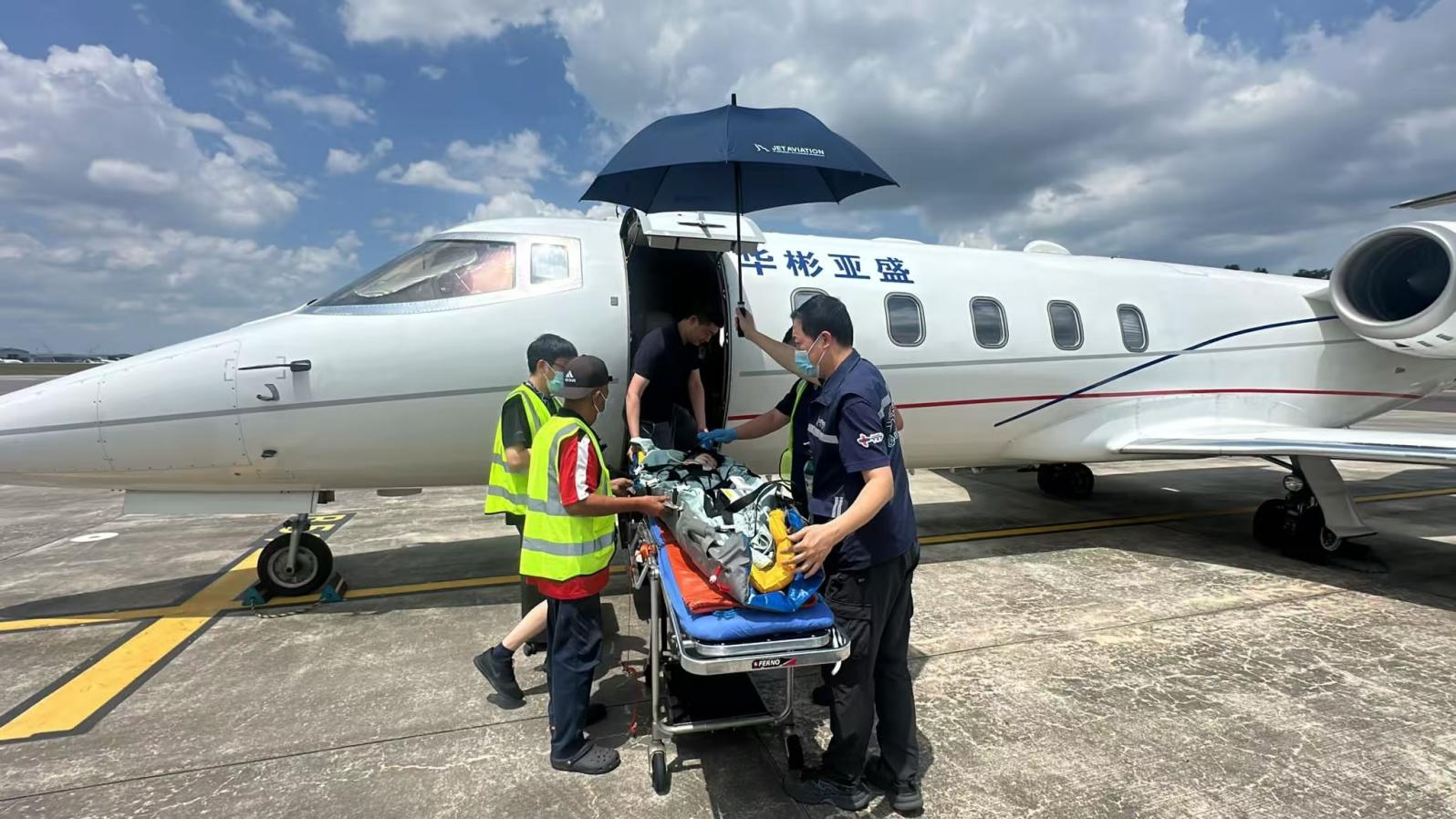
Loading and securement are where risk starts. The stretcher must fit the aircraft cabin geometry and lock down to approved rails or mounts. Each restraint – torso, pelvis, legs – should be inspected for wear and tested for smooth quick release. Crew must rehearse the loading path: door clearance, aisle width, and any turns or elevation changes between the vehicle and the aircraft.
Key Elements to Check
•Structural integrity and crashworthiness documentation is available for the specific stretcher and mount.
•Locking mechanisms engage positively; a second person (loadmaster or flight nurse) double-checks before departure.
•Weight and balance are calculated including patient, stretcher system, all medical devices, oxygen cylinders, and batteries.
•Aircraft power outlets and the Air Medical Stretcher’s power needs are matched; battery autonomy is verified with a realistic margin.
•Oxygen source, regulators, and fittings meet the required flow; masks, circuits, and adapters are confirmed for the exact devices in use.
A word on power and oxygen planning: in the cabin, devices draw more energy than you expect, especially with alarms, charging, and environmental variation. Document minimum battery runtime per device and a combined oxygen consumption plan (liters per minute at expected cabin altitude) with contingencies for delays or diversions.
Clinical Readiness: ICU and ECMO Care in the Sky
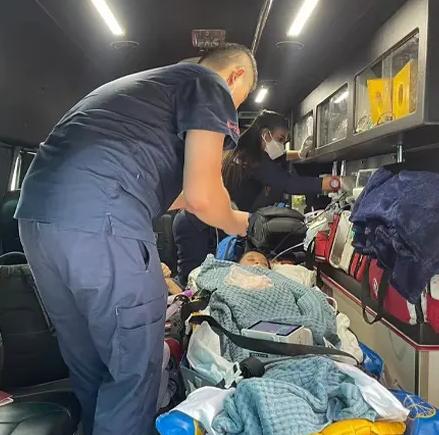
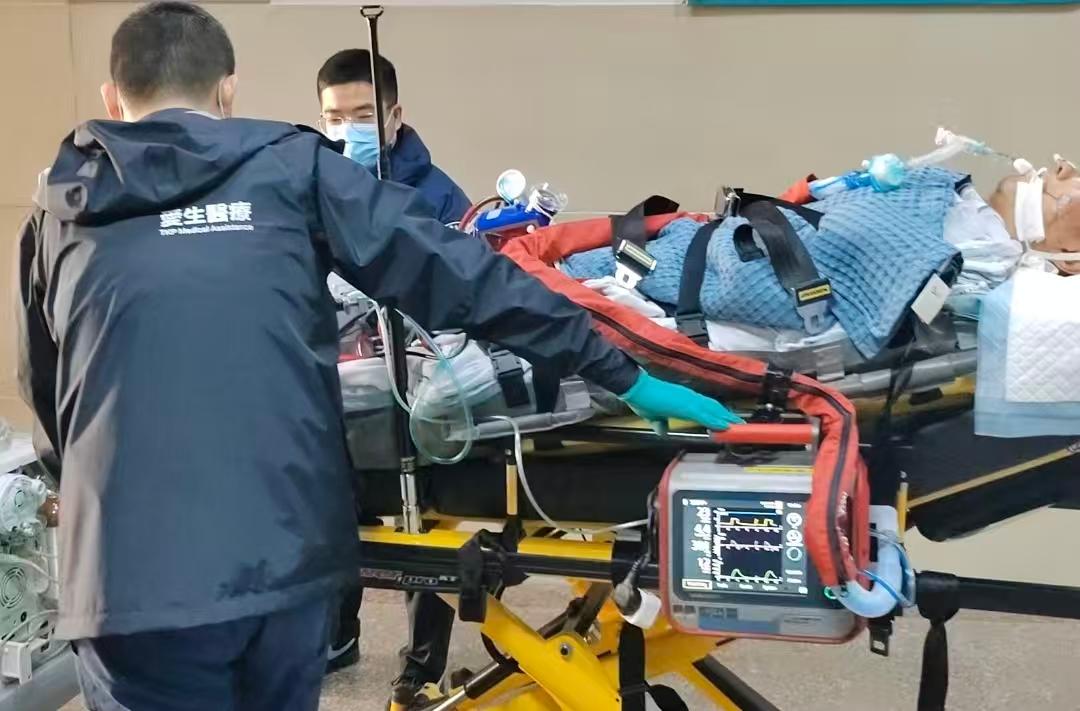
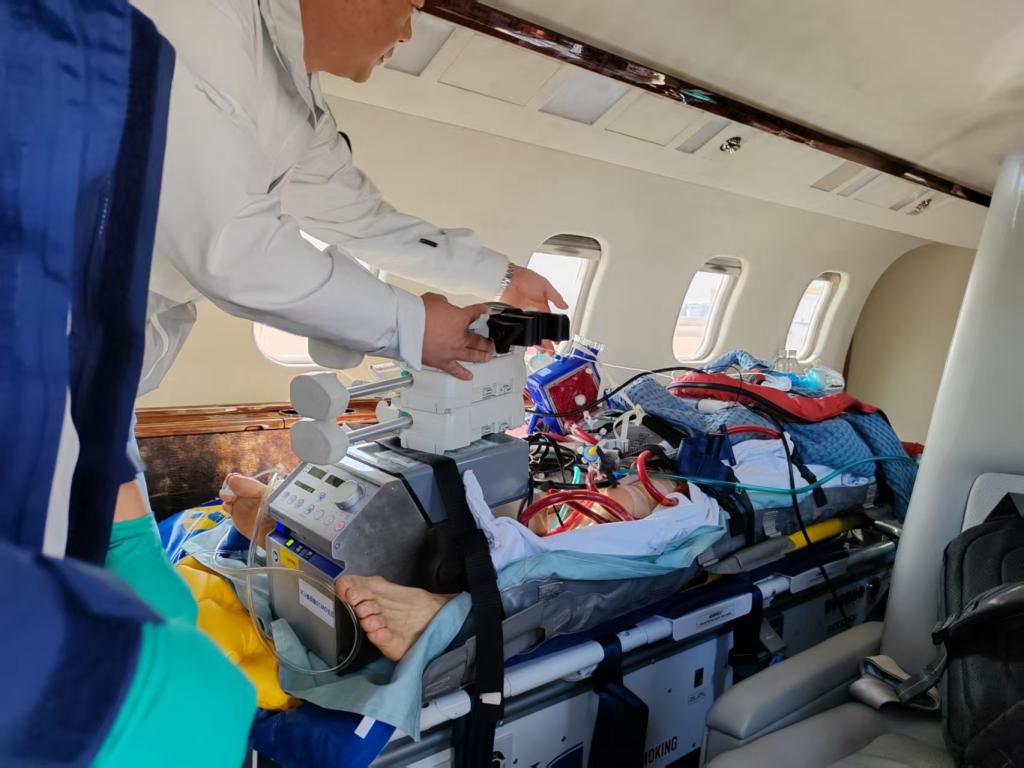
Translating hospital care to an aircraft means building an ICU ecosystem around the Air Medical Stretcher. Ventilators must be configured for altitude; monitoring secured with clear cable routing; infusions stabilized with backup plans; and infection control embedded in the workflow.
Make sure the team has:
•Ventilator settings validated for cabin pressure; leak tests complete; tubing and filters freshly replaced.
•Ensure all cardiac, pulse oximetry, and invasive monitoring is secured to approved mounts; dress and secure leads/lines to mitigate snag risk during patient loading.
•Document the medication plan, including drug stability and temperature controls; prepare pre-drawn, clearly labeled spare and emergency medications.
•Implement infection prevention controls: apply clean stretcher covers, provide PPE for crew, use closed waste systems, and stock hand hygiene supplies.
•ECMO-specific steps (if needed): cannula security checks, pump power redundancies, anticoagulation protocols, and clear cabin task allocation.
Altitude alters physiology. FiO2 requirements can rise, and gas expansion affects cuffs and drains. A strong Air Medical Stretcher checklist anticipates these changes, labels responsibilities (who watches ventilation, who manages infusions, who tracks oxygen), and ensures everyone knows the plan before the doors close.
Documentation, Compliance, and Cross–Border Coordination
Paperwork is often the bottleneck. The administrative layer must move as smoothly as the aircraft door. For 2026 missions crossing jurisdictions, align the stretcher’s airworthiness paperwork with the aircraft, secure operator approvals for all medical devices, and confirm any country-specific permissions or customs requirements for medications and oxygen equipment.
- Regulatory and Aircraft Approvals:
•Airworthiness documentation for the stretcher system and mounts is matched to the exact aircraft type and operator SOPs.
•Any required permissions for medical oxygen, batteries, and equipment are obtained prior to dispatch.
•Flight planning reflects medical needs: oxygen stops, altitude constraints, and weather contingencies are documented.
- Medical Documentation and Handover:
•Clinical summary complete: diagnosis, allergies, meds, devices in situ, recent labs, and current vital trends.
•Consent and privacy notices aligned with origin and destination laws; VIP confidentiality protocols triggered when necessary.
•Structured handover templates used at both ends; responsibilities for chain-of-care and data transfer are assigned to named people.
Human Factors: Comfort, Privacy, and Crew Workflow
Long sectors expose patients to noise, vibration, temperature shifts, and fatigue. A human-factors–oriented air medical stretcher checklist shall preserve patient dignity and mitigate stress, with enhanced provisions for VIP transports.
Include practical steps such as:
•Noise: provide patient/escort with headsets or earmuffs; ensure crew comms keep alarms audible.
•Temperature: use blankets, warmed fluids, and adjustable airflow to stabilize skin temperature.
•Light: apply dimmable/directed lighting to aid rest and neuro assessments.
•Privacy: plan discreet boarding, deploy screens when possible, and limit public exposure.
•Crew rest: rotation points, hydration, and brief pause checks to keep performance sharp through the duty period.
A short example from the field: on a winter flight into Zurich with a ventilated patient, the team avoided a re-routing delay by pre-calculating oxygen draw at cold ambient temperatures and pre-heating lines to maintain stable flows. The small steps were already in the checklist, so the mission moved without drama.
Turning Checks into Outcomes with TKP Medical Assistance
A list only works if the team executes it with discipline. TKP Medical Assistance integrates aircraft coordination, clinical leadership, and ground logistics into a single plan, led by a named mission manager. Since 2001, our teams have delivered ICU, ECMO, and VIP support across continents by treating the Air Medical Stretcher checklist as the backbone of the mission.
What we put in place:
•Pre-mission Air Medical Stretcher audit: aircraft fitment, power/oxygen compatibility, loading route, and risk review.
•Clinical configuration: ICU setup tailored to the patient; ventilator strategies aligned with altitude; infusion management detailed to the minute.
•Contingency planning: alternate airports, fuel and oxygen stops, weather and ATC coordination mapped out with realistic buffers.
•End-to-end handover: structured data exchange, clear chain of responsibility, and agreed family communication touchpoints.
•24/7 operations: rapid response, proactive updates, and real-time problem solving when plans outpace the original script.
FAQs About Air Medical Stretcher Readiness
•When should the checklist start?
Start at mission acceptance. Confirm aircraft, stretcher fit, power and oxygen compatibility on day one, not the day of flight.
•What causes most delays?
Documentation gaps and equipment mismatches lead the list. A pre-mission audit eliminates both before they become schedule issues.
•How do you protect VIP privacy?
Discreet routing, minimal exposure to public areas, strict data privacy controls, and pre-agreed communication plans with the family or principal.
Call to Action
If safety, speed, and a calm patient experience are non-negotiable, build your mission on a rigorous Air Medical Stretcher checklist. Contact TKP Medical Assistance to schedule a pre-mission audit and a tailored transport plan. We will align aircraft, clinical care, and documentation so your international transfer is safe, compliant, and seamless – no surprises, just dependable outcomes for patients and families.
Submit Your Request
Recent Posts
Tags
- Air Ambulance
- Bedside To Bedside
- Cross Border Aid
- Emergency Evacuation
- Global Medical Rescue
- How can I ensure the patient's stability while in the air?
- How do I request an air medical transport?
- How is it different from an air ambulance
- how to activate emergency aircraft service
- how to request an air ambulance
- Is air medical transport safe
- Is international transport possible
- Medical Rescue
- Medical Transport
- Patient Repatriation
- Remote Rescue
- Seamless Coordination
- Telemedicine Support
- Tourists And Expats Medical Escort
- What are the benefits of a cross-border medical transfer
- What are the different types of transfers
- What are typical use cases
- What documents do I need to prepare for a transfer?
- What does high-speed rail patient transfer stands for
- What is air ambulance
- What is air medical transport?
- What is cross-border medical transfer
- What is emergency aircraft
- what is high-speed rail patient transfer
- What is medical charter flight
- what is neonatal ICU transfer
- What is patient air transfer
- What medical equipment is available on board the aircraft
- What situations shouldn't use air medical transport?
- What types of air ambulance are there?
- What types of air ambulance exist
- What's the difference between international and domestic transfers?
- what’s the difference between air medical transport and regular ambulance?
- When is emergency air transport necessary
- Which patients require air medical transport?
- who is included in the medical team
- who needs an air ambulance