


Emergency Aircraft Services: Medical Equipment, Transfer Process & Insurance


When a medical emergency strikes far from home—whether due to sudden illness, accident, or chronic condition—every minute counts. Emergency Aircraft Services bridge the gap between critically ill patients and life-saving treatment. Among the most vital of these services is the air ambulance, a flying intensive care unit (ICU) designed to transport unstable or high-acuity patients across cities, borders, or continents.
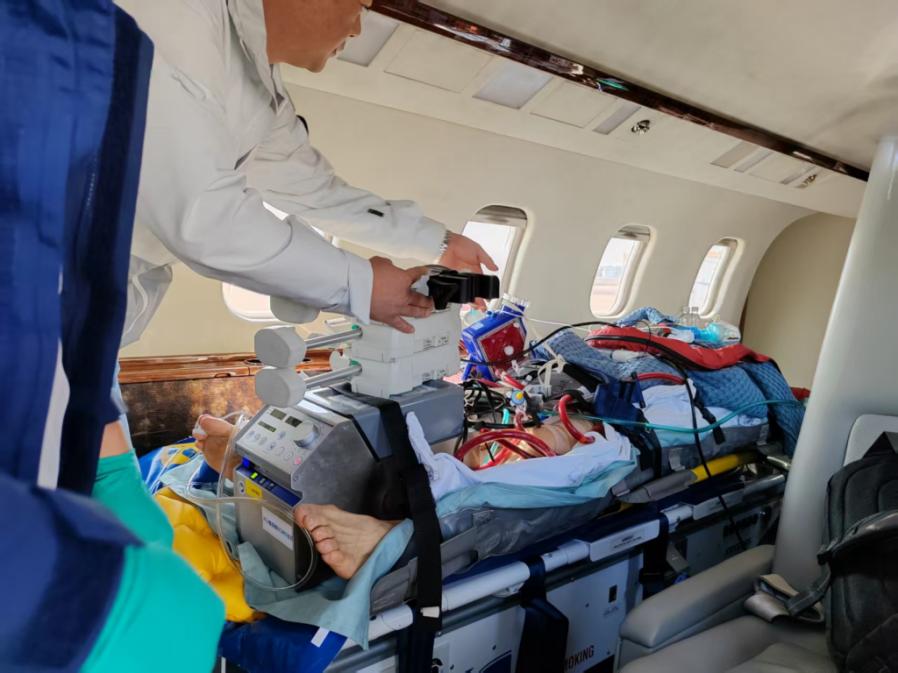
But how does an air ambulance actually work? What medical equipment is on board? What is the step-by-step transfer process? And most importantly, how do you navigate insurance to avoid financial ruin?
This comprehensive guide answers all these questions, with insights from TKP Medical Assistance, a global leader with over 24 years of direct-operation experience in Emergency Aircraft Services.
1. Critical Medical Equipment on an Air Ambulance
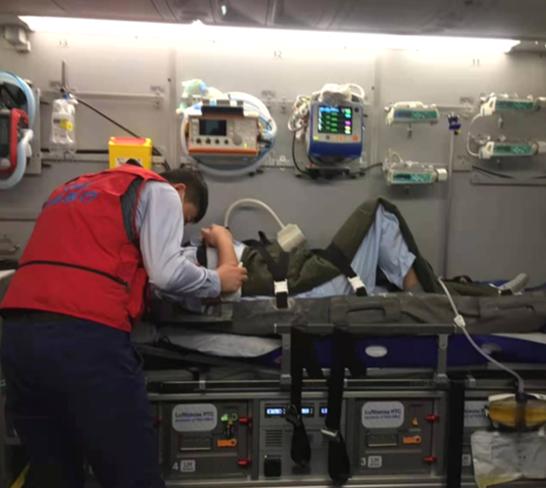
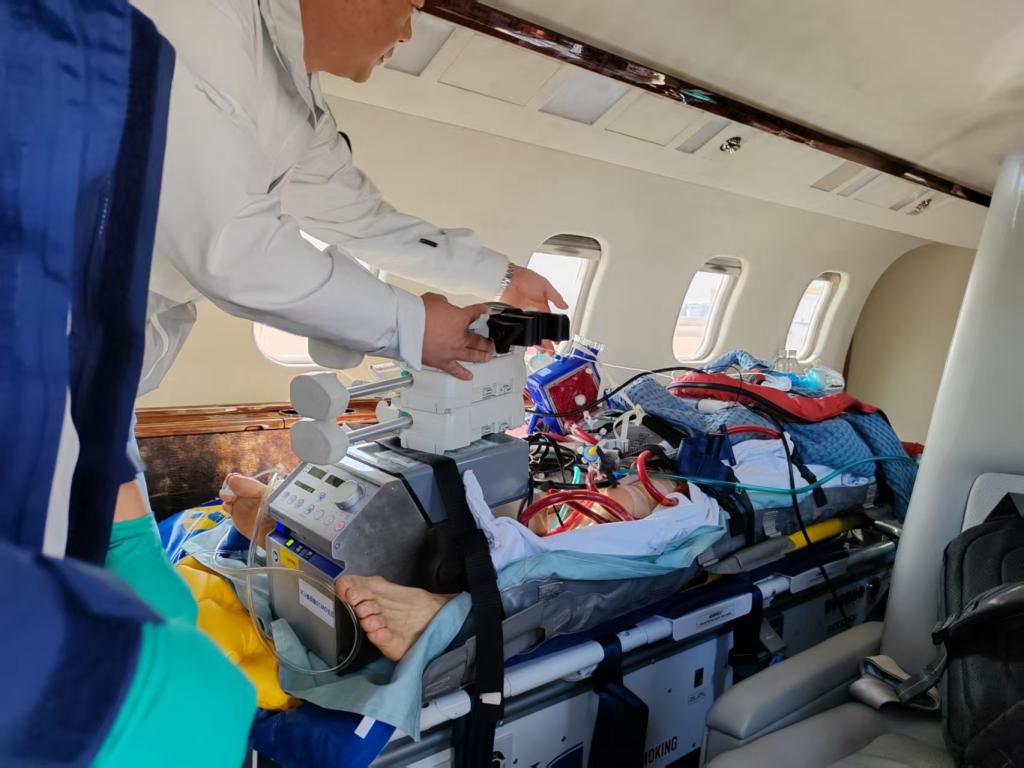
Unlike commercial flights with a basic first-aid kit, an air ambulance is essentially a mobile ICU. The following life-support systems are standard on all advanced Emergency Aircraft Services flights:
•Ventilators – For patients unable to breathe independently, with adjustable settings for neonatal, pediatric, and adult cases.
•Cardiac Monitors & Defibrillators – Continuous ECG, blood pressure, SpO₂, and end-tidal CO₂ monitoring, plus AED/capacitor capabilities.
•Infusion Pumps – If you need infusion of vasoactive drugs, sedatives or antibiotics in specific dosage amounts, use infusion pumps.
•Suction Units – There are more portable and battery-powered suction devices to help clear the airway quickly.
•Oxygen Systems – For longer trips, we have bigger bulky oxygen containers, and even liquid oxygen.
•Isolation Pods – Containment of infectious patients, e.g. COVID-19, Tuberculosis, with HEPA filtration.
•Emergency Medications & Blood Products – Kits for anaphylaxis, cardiac arrest, or hemorrhage control.
•Portable Ultrasound & Blood Gas Analyzer – Utility of bedside diagnosis and rapid lab result creation is now possible at flight levels of 35,000 feet.
✅ Why This Matters:
“Clinical Precision & Safety” is a necessity rather than a marketing slogan. TKP Medical Assistance’s teams are led by mostly ICU doctors and nurses, with all ACLS and BLS certified. Thus, every piece of equipment is utilized appropriately and each vital sign is responded to immediately.
2. The Air Ambulance Transfer Process: Step by Step
Professional Emergency Aircraft Services follow a structured, multi-phase protocol. Below is the proven 9-step activation flow used by TKP Medical Assistance, which guarantees zero major transfer incidents in over two decades.
Step 1: Receive Inquiry
The 24/7 global coordination center captures every request—collecting patient’s medical history, current condition, preferred schedule, and insurance details.
Step 2: Clinical Review
A nurse or physician with experience checks a patient’s stability, treatment needs, and determines if there’s a need for additional personnel or equipment.
Step 3: Route & Mode Planning
Logistical experts choose air, ground, and rail transports based on patient acuity, the distance, the time it takes to travel, and the necessary clearances. This can extend to choosing an airport with no infrastructure to support remote accessibility.
Step 4: Quotation & Consent
The entire quote is clear and unambiguous. Acceptance and consent forms are gathered with an insurance pre-authorization.
Step 5: Activate Resources
Additional resources are needed. The networks of flight nurses and critical care attendees are utilized. Life support, monitors, and medical supplies are checked and prepared.
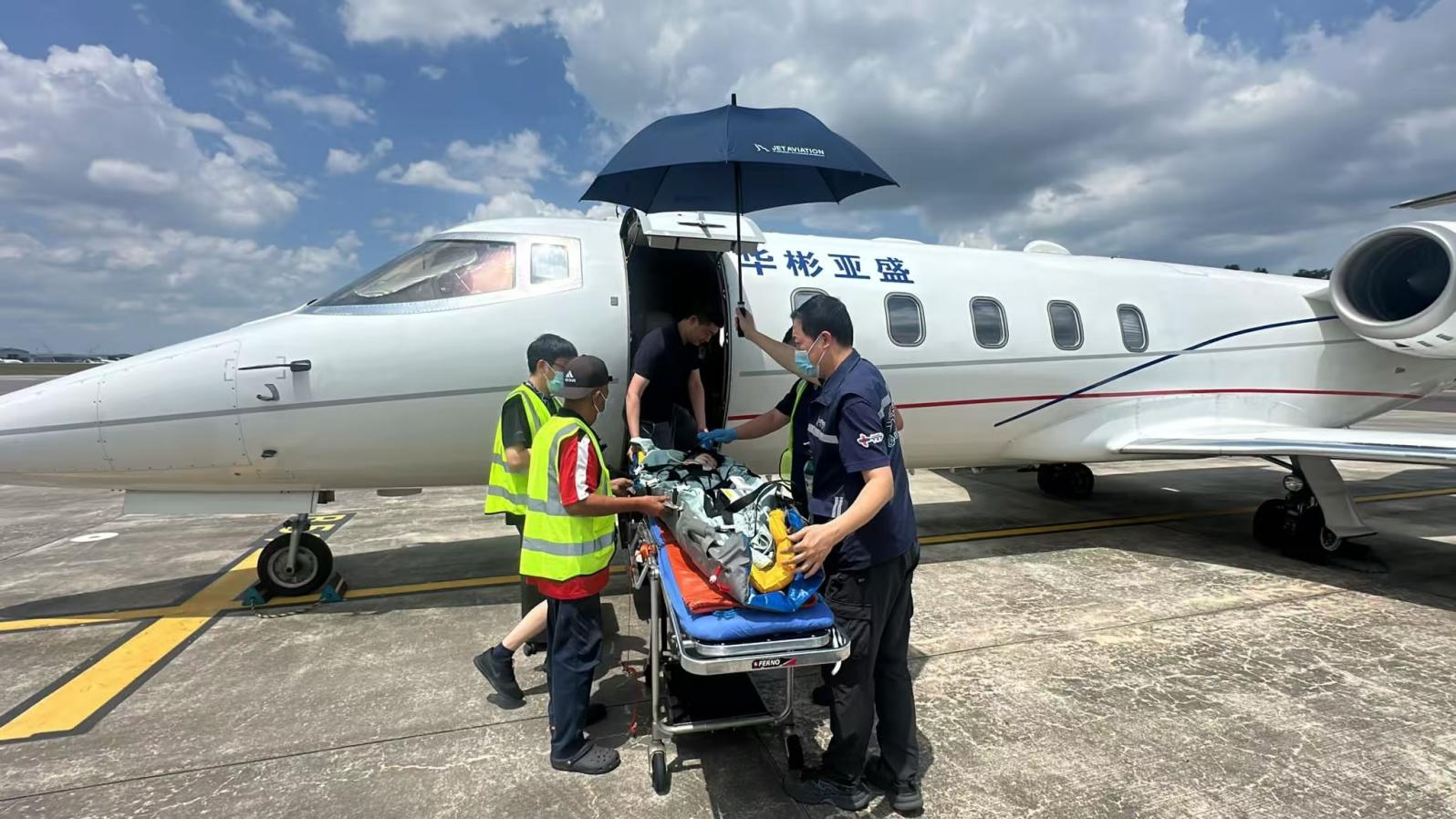
Step 6: On Site Pickup
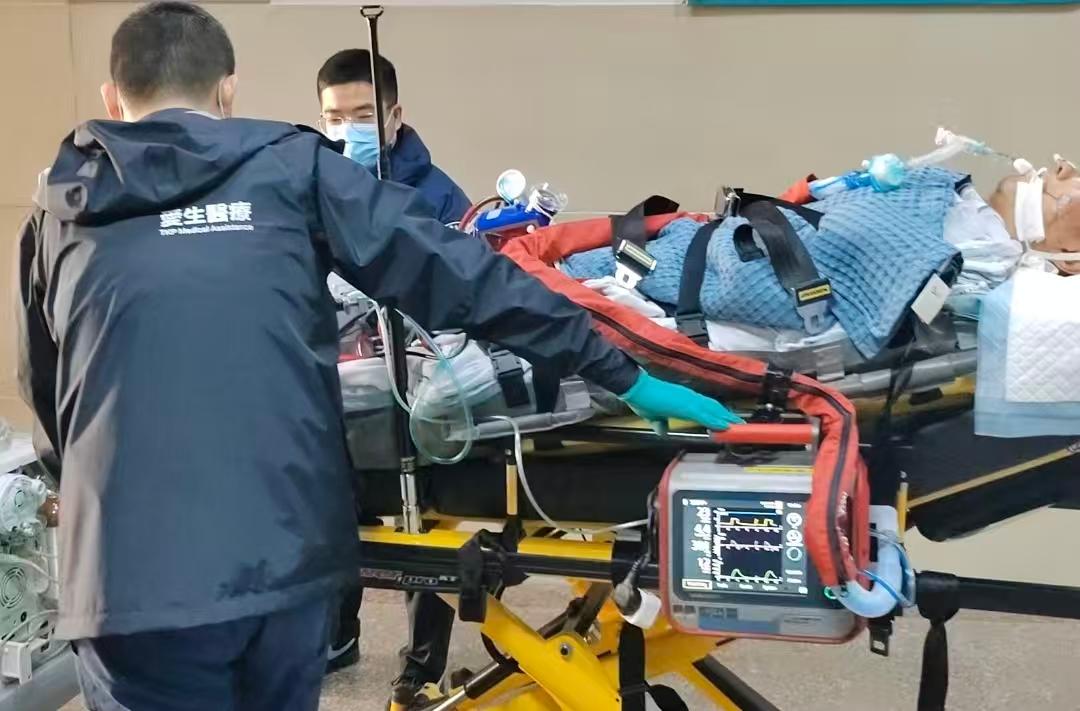
A bedside handover is performed by the transport team, who is responsible for stabilization, along with a fully equipped medical kit, and final safety checks.
Step 7: In Transit Care
During the flight, clinical staff are responsible for maintaining an ICU level of care, including constant monitoring of the patient’s vitals, and the administration of life sustainment and support along with other therapies.
Step 8: Destination Handover
A formal hand over is done at the reception.
Step 9: Follow Up & Claims
After the transfer is complete, follow up on the outcome of the patient and satisfaction is done. Then all necessary claims and billing is completed along with addressing any other concerns.
✅ Key Advantages of TKP Medical Assistance:
Without using middlemen, TKP Medical Assistance manages and processes every step internally. This lets TKP operate efficiently with rapid and culturally flexible precision day and night. Their multilingual team of over 5 language specialists (i.e. English and Chinese) is available 24/7/365.
3. Synchronization of Insurance with Air Ambulance Services
The price of emergency aircraft services usually falls between $25,000 and $200,000 for a cross-border evacuation. Without the right coverage, the cost is unmanageable. Here’s how to avoid that situation.
What Coverage Usually Encompasses
•Travel Insurance with a “Medical Evacuation” rider – This coverage most often provides up to $1 million to transport the patient to the nearest suitable medical facility..
•International Health Insurance – Providers such as Cigna, Allianz, and AXA include the coverage of medically essential air ambulance transport.
•Credit Cards (Premium) – Some cards (e.g., American Express Centurion) offer emergency evacuation benefits.
•Membership Programs – Global Rescue, Medjet, etc., are not insurance but provide direct evacuation services.
Documentation to Prepare Before a Crisis
•Medical records (discharge summary, diagnosis, treatment plan, medication list) – translated into English if possible.
•Patient’s passport and visas for the destination country.
•Insurance policy copy with insurer’s 24/7 emergency contact number.
•Letter of guarantee or pre-authorization from the insurer.
•Designated point of contact – a family member authorized to make decisions.
Step–by–Step Insurance Activation
- Call your insurer’s emergency hotline immediately after the incident.
- Request pre-authorization for medical evacuation. Without this, you may be liable for the full cost.
- Provide clinical justification – The insurer will require a physician’s statement that commercial flight is unsafe.
- Confirm direct billing – Some insurers pay the air ambulance provider directly; others reimburse after the fact.
- Keep all receipts and medical reports for claim submission.
⚠️ Common Pitfall: Many assume “any emergency” is covered. Read your policy’s “medical necessity” definition and geographic exclusions. For example, some policies require that the nearest adequate hospital is >100 miles away.
TKP Medical Assistance‘s Role in Insurance Coordination
TKP’s team assists with:
•Liaising with insurers to obtain pre-authorization quickly.
•Providing transparent cost estimates to avoid surprise bills.
•Submitting claims post-transfer on behalf of the patient or family.
•Handling embassy communication for medical visas when needed.
4. What Sets TKP Medical Assistance Apart?
With countless brokers and intermediaries in the Emergency Aircraft Services market, choosing the wrong provider can cost lives and money. TKP Medical Assistance stands out for three reasons:
�� Direct Operation – No Middleman
•Many companies simply subcontract to local ambulance services. TKP plans, coordinates, and delivers every transfer with its own clinical teams and operational control. This eliminates delays, miscommunication, and markups.
�� Clinical Excellence
•24+ years of frontline experience
•ACLS & BLS certified teams – zero major transfer incidents
•ICU-led medical direction – not just paramedics
�� 24/7 Global Coordination
•Multilingual staff (EN/CH/CN) with cultural sensitivity
•Real-time journey tracking and family updates
•Dynamic flight scheduling to remote or underserved locations
Conclusion
Emergency Aircraft Services—specifically air ambulances—are a critical lifeline for patients facing life-threatening conditions far from home. Understanding the medical equipment on board, the rigorous transfer process, and the intricacies of insurance coordination can save precious time and prevent financial disaster.
With a direct-operation model, 24/7 global coordination, and over two decades of zero major incidents, TKP Medical Assistance delivers what matters most: safe, dignified, and clinically excellent transport from bedside to bedside.
When every minute counts, choose a partner who has been there for 24 years. Contact TKP Medical Assistance today for a consultation or quote.
Frequently Asked Questions (FAQ)
Q1: How is an air ambulance different from a regular ambulance?
A regular ambulance provides basic life support and short-distance transport on roads. An air ambulance is a fully equipped flying ICU, with ventilators, cardiac monitors, infusion pumps, and a critical-care medical team — designed for long-distance or international transfers of unstable patients.
Q2: Does my insurance cover air ambulance services?
Not automatically. You need a travel insurance or international health insurance policy that specifically includes “medical evacuation” or “emergency repatriation.” Always call your insurer before the transfer to obtain pre-authorization; otherwise you could be liable for the full 25,000–200,000+ cost.
Q3: What documents must I prepare before an air ambulance transfer?
Patient’s medical records (diagnosis, treatment plan, medication list)
•Passport and any required visas
Insurance policy copy and emergency contact number
•A designated family representative to sign consents
•If possible, English translations of key medical documents
Q4: What makes TKP Medical Assistance different from other providers?
TKP operates directly — they are not a broker or middleman. With over 24 years of experience, ACLS/BLS-certified ICU teams, and a 24/7 multilingual coordination center, they handle every step from clinical assessment to bedside handover. Their track record includes zero major transfer incidents.
Q5: Can an air ambulance transport a patient with a contagious disease (e.g., active tuberculosis)?
Certainly. The modified air ambulances at Comfort Medical feature built-in isolation pods enhanced with HEPA filtration technology. Bird Air Med assist in following strict infection control guidelines. They help coordinate with the destination hospitals, as well as the public health departments, in order to ensure the transport of the flight crews and the public remains safe, allowing for continued exposure risk to be eliminated.
Submit Your Request
Recent Posts
Tags
- Air Ambulance
- Bedside To Bedside
- Cross Border Aid
- Emergency Evacuation
- Global Medical Rescue
- How can I ensure the patient's stability while in the air?
- How do I request an air medical transport?
- How is it different from an air ambulance
- how to activate emergency aircraft service
- how to request an air ambulance
- Is air medical transport safe
- Is international transport possible
- Medical Rescue
- Medical Transport
- Patient Repatriation
- Remote Rescue
- Seamless Coordination
- Telemedicine Support
- Tourists And Expats Medical Escort
- What are the benefits of a cross-border medical transfer
- What are the different types of transfers
- What are typical use cases
- What documents do I need to prepare for a transfer?
- What does high-speed rail patient transfer stands for
- What is air ambulance
- What is air medical transport?
- What is cross-border medical transfer
- What is emergency aircraft
- what is high-speed rail patient transfer
- What is medical charter flight
- what is neonatal ICU transfer
- What is patient air transfer
- What medical equipment is available on board the aircraft
- What situations shouldn't use air medical transport?
- What types of air ambulance are there?
- What types of air ambulance exist
- What's the difference between international and domestic transfers?
- what’s the difference between air medical transport and regular ambulance?
- When is emergency air transport necessary
- Which patients require air medical transport?
- who is included in the medical team
- who needs an air ambulance