


How Commercial Stretcher Options Improve Cross-Border Patient Mobility


Commercial Stretcher solutions turn complex international travel into safe, affordable medical transfers for stable, bedridden patients. At TKP Medical Assistance, we design, approve, and operate these stretcher setups on scheduled airlines so families and hospitals can move patients across borders without the cost and complexity of a private air ambulance. Our role is to make every step simple, clinical, and predictable.
The Practical Edge Of Commercial Stretcher Transfers
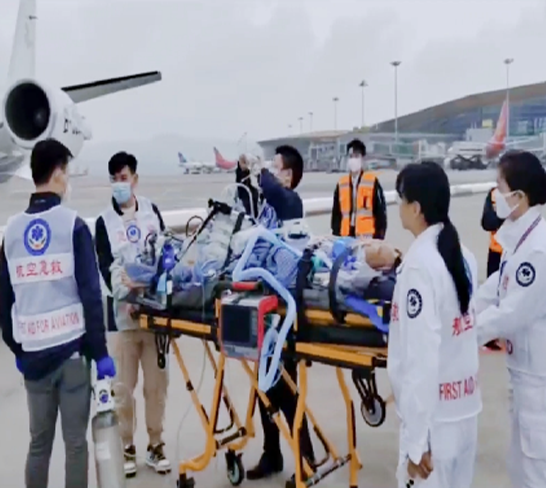
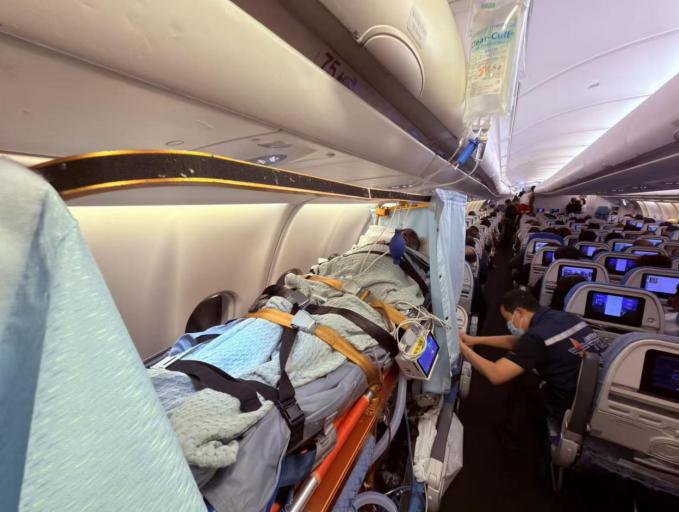
When a patient is stable but cannot sit for takeoff and landing, a Commercial Stretcher transfer fills the gap. With airline approval, we install a dedicated stretcher compartment in the cabin. The area includes privacy screening, power for monitors, and safe mounting points. A TKP medical escort stays with the patient from hospital bed to destination handover. This approach reduces cost while keeping clinical control and comfort.
The biggest pain points in international medical travel are uncertainty, downtime, and fragmented care. Families do not want to coordinate multiple vendors or decode airline rules. Hospitals need clear criteria and reliable timelines. We remove that friction by owning the medical standards, aircraft approvals, and bedside logistics. You get one plan, one accountable team, and continuous care.
What Problems Do They Solve?
• Admission Delays: We pre-brief receiving hospitals and share vital data, so admission is smoother on arrival.
• Cabin Constraints: Our Commercial Stretcher kits use lightweight frames, locking rails, and privacy curtains to create a quiet, stable space.
• Regulatory Hurdles: TKP secures airline and airport permissions, including medical fit-to-fly, oxygen planning, and documentation.
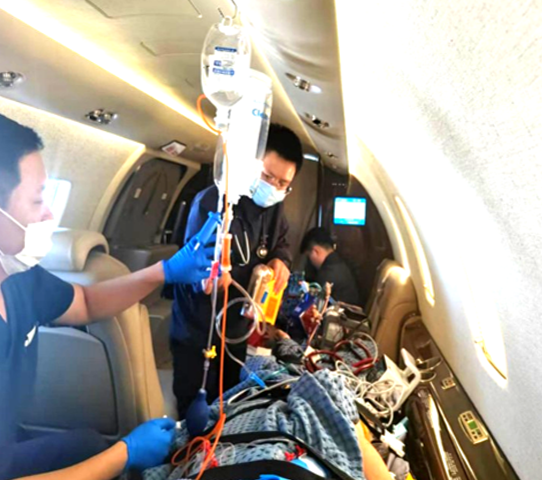
• Continuity Of Care: Monitors, oxygen, and essential meds travel with the patient; our escorts maintain observation throughout.
How TKP Delivers Continuity Of Care
A transfer starts long before wheels-up. We coordinate with the sending physician, confirm the clinical profile, and select the right mode: Commercial Stretcher, air ambulance, high-speed rail, or ground ambulance. For stretcher cases, our team chooses the routing and aircraft type that best matches cabin layout and medical needs, then reserves the stretcher bay with the airline. On the day, we provide bedside packaging, ground ambulance to the airport, and direct handoff to the cabin team.
Our operations center monitors every flight in real time. If weather or ATC changes, we adjust routings and ground links so the schedule holds. This is where experience matters. TKP brings 24+ years of aero-medical evacuation practice and 10,000+ completed missions. The result is process discipline: clear updates, tight checklists, and no surprises for families or clinicians.
- Integrated Modes Beyond The Cabin
Not every leg should be a flight. To shorten total travel time and reduce risk, we combine modes when it helps the patient.
• Commercial Stretcher on international or domestic routes with airline approval
• Air ambulance for time-critical or unstable cases
• High-speed rail where station access beats airport congestion
• Ground ambulance for door-to-door clinical continuity
- Smart Route Planning For Real-World Constraints
Our route design reflects clinical urgency and real geography, not just airline timetables:
• Dynamic scheduling tailored to condition and transfer window
• Global coverage using hubs and secondary airports with minimal infrastructure
• Optimized paths to cut total flight time and handoff delays
• Close coordination with hospitals, insurers, and embassies for smooth border procedures
Proof, Reliability, And When A Stretcher Is The Right Choice
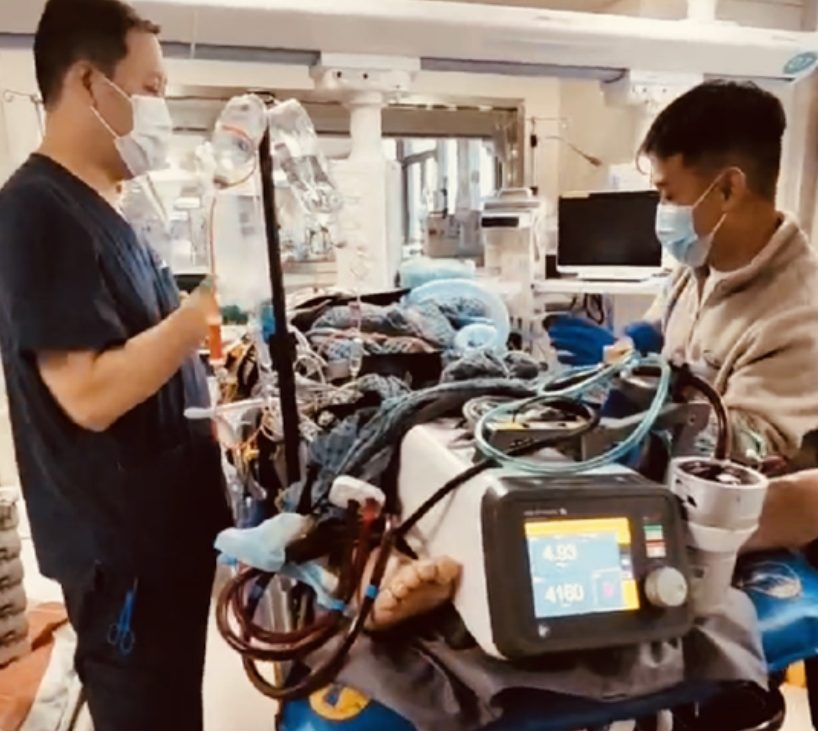
A Commercial Stretcher is ideal when the patient is medically stable after initial treatment but cannot tolerate seating. Typical cases include post-operative recovery, spinal injuries without ventilation, or stroke patients in rehabilitation. For ventilated or hemodynamically fragile patients, we will recommend an air ambulance. The decision is clinical first. Cost benefits only matter if safety is not compromised.
From a manufacturer’s standpoint, TKP’s stretcher assemblies are built for rapid, certified installation and gentle patient handling. Components are lightweight to protect cabin structures but rigid under load. Rails lock positively. Padding reduces shear. Privacy curtains minimize sensory stress. Our medical escorts carry compact monitors, suction, oxygen, and meds. Everything is standardized, so our teams in different countries work the same way, on the same checklists.
Families often ask about comfort and dignity. The stretcher bay is screened. Conversation is quiet. Essentials are within reach. We schedule transfers to avoid overnight airport waits whenever possible. Documentation and customs are prepared in advance to reduce exposure at borders. These small details prevent fatigue and confusion, and they matter as much as any device or certificate.
Hospitals want predictability. You will receive a clear medical acceptance, an hour-by-hour plan, and named contacts. We align with discharge planning, coordinate with insurers, and confirm bed availability at the destination facility. Our goal is to turn a daunting international move into a managed clinical process.
Call To Action
If you need to move a stable, bedridden patient across borders, talk to TKP Medical Assistance about a Commercial Stretcher plan. We will compare modes, outline risks, and propose routes that respect both medical safety and budget. Your patient’s journey should be continuous, calm, and clinically sound – start that plan with a team that does this every day.
Submit Your Request
Recent Posts
Tags
- Air Ambulance
- Bedside To Bedside
- Cross Border Aid
- Emergency Evacuation
- Global Medical Rescue
- How can I ensure the patient's stability while in the air?
- How do I request an air medical transport?
- How is it different from an air ambulance
- how to activate emergency aircraft service
- how to request an air ambulance
- Is air medical transport safe
- Is international transport possible
- Medical Rescue
- Medical Transport
- Patient Repatriation
- Remote Rescue
- Seamless Coordination
- Telemedicine Support
- Tourists And Expats Medical Escort
- What are the benefits of a cross-border medical transfer
- What are the different types of transfers
- What are typical use cases
- What documents do I need to prepare for a transfer?
- What does high-speed rail patient transfer stands for
- What is air ambulance
- What is air medical transport?
- What is cross-border medical transfer
- What is emergency aircraft
- what is high-speed rail patient transfer
- What is medical charter flight
- what is neonatal ICU transfer
- What is patient air transfer
- What medical equipment is available on board the aircraft
- What situations shouldn't use air medical transport?
- What types of air ambulance are there?
- What types of air ambulance exist
- What's the difference between international and domestic transfers?
- what’s the difference between air medical transport and regular ambulance?
- When is emergency air transport necessary
- Which patients require air medical transport?
- who is included in the medical team
- who needs an air ambulance