


What Travelers Should Know About the Cost of Medical Charter Flights?


When a loved one needs urgent transport, numbers come first. Cost of Medical Charter Flights can feel unclear. Prices shift by route, aircraft, and medical level. Some quotes look low, then rise later. Others seem high, yet save time and risk. Which one protects your family and your wallet? In the next section, we reveal the hidden drivers, the traps to avoid, and one choice most people overlook. The difference could change the entire journey. Ready to see what the brochures don’t say?
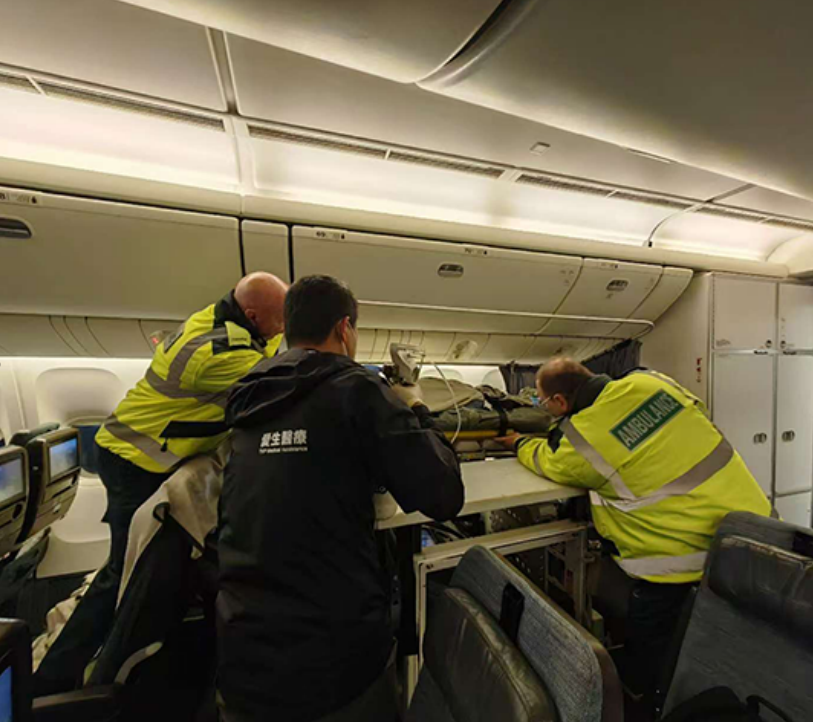
Why Prices Vary More Than You‘d Expect
Two trips can look identical on a map yet price out very differently. That gap isn’t a gimmick – it’s the result of clinical requirements, aircraft availability, routing rules, and real-world logistics that shift from case to case. Understanding these inputs helps you compare providers on facts rather than guesswork and turns the Cost of Medical Charter Flights from a mystery into a plan.
- Aircraft, Crew, And Clinical Level
Think of the aircraft as a flying ICU. Bigger jets carry more equipment and fly longer legs without refueling, which can shorten total mission time and reduce risk at altitude. But operating costs are higher. Clinical staffing changes the picture too. Ventilated patients, neonatal cases, or post-surgery transfers may require ICU physicians, flight-trained nurses, and advanced monitors. More capability means more readiness – and a higher price point – yet it also buys stability when it matters most.
✅ Key factors TKP evaluates
• Aircraft type, range, and current positioning
• Level of care: ICU, ventilator support, neonatal, or escort
• Distance, weather windows, and potential fuel stops
• Night operations, holiday readiness, and crew duty limits
- Routing, Permits, And Ground Legs
International missions aren’t just “point A to point B.” Overflight and landing permits, airport handling, and sometimes embassy coordination are essential. Remote or underserviced airports can be the fastest path to definitive care but demand careful planning. Each ambulance pickup, hospital handover, and tarmac transfer adds resources; done well, these steps preserve continuity of care and reduce clinical risk even if they influence the Cost of Medical Charter Flights.
✅ Operational items that add up
• Overflight/landing permits and on-ground handling
• Ambulance transfers at origin and destination
• Aircraft repositioning to reach your patient
• Weather diversions or last-minute route changes
Our network and route map are designed for flexibility. TKP uses strategically selected airports – including those with minimal infrastructure – to shorten door-to-door time, while our operations team monitors flights in real time and adjusts quickly when conditions change.
Practical Ways To Control The Cost – Without Risk
You can manage the Cost of Medical Charter Flights by matching clinical need to the right transport mode and by demanding transparent, all-in pricing. The goal is not “cheap at any cost,” but the safest medically appropriate solution at a predictable price.
- Ask For An All-In, Medically Led Quote
Beware of a low base rate that leaves out key items. Permits, ground legs, and specialized crew can turn into expensive add-ons after you’ve committed. TKP issues medically led quotes that spell out the aircraft, clinical team, equipment, ground transfers, and expected third-party fees. If a patient’s condition changes and a higher level of care is needed, we explain the implications before launch.
What to request from any provider?
• A single, door-to-door quote with line-item detail
• Defined clinical level (e.g., ICU with ventilator) plus equipment list
• Confirmed ambulance transfers and hospital handovers
• A contingency plan for weather, diversions, or clinical upgrades
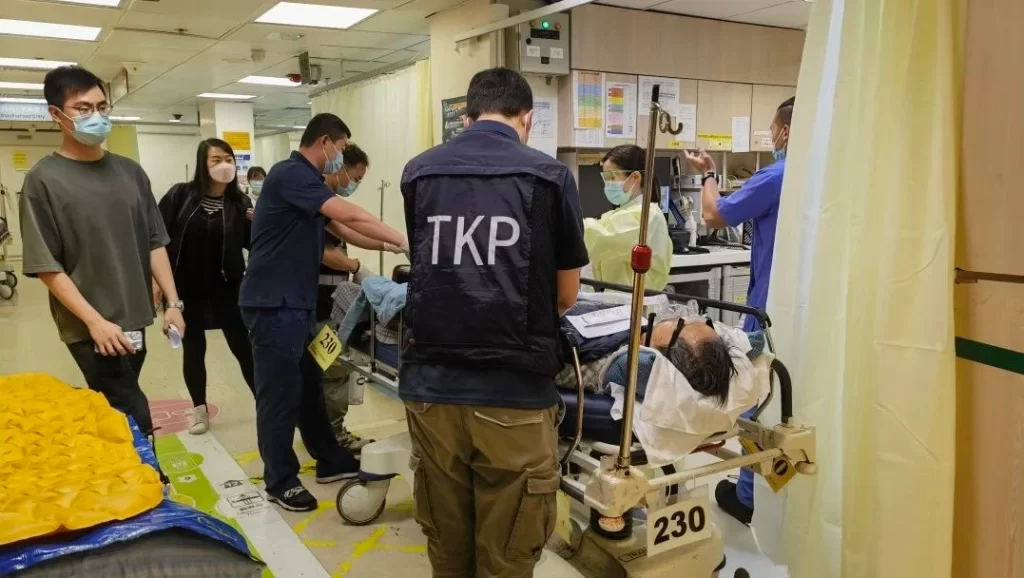
- Choose The Right Mode For The Condition
Not every case needs an air ambulance. Because TKP operates across modes, the medical plan – not a fixed fleet – drives the decision, which can cut cost without cutting safety.
- Commercial Stretcher Transfers
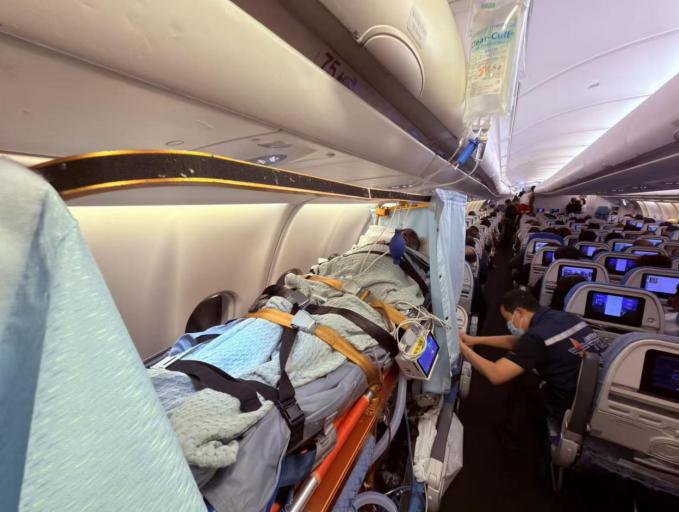
With airline approval, we install a dedicated stretcher bay on a scheduled flight and provide a medical escort from bedside to bedside. For stable, bed-bound patients, this is often the most cost-effective cross-border option and can reduce the Cost of Medical Charter Flights dramatically while maintaining continuous supervision.
- Rail-Based Medical Transfers
High-speed rail paired with ambulances for station pickups and hospital handoffs enables continuous monitoring without flight segments. It’s a strong choice for neonatal or post-operative patients when speed is needed but full airborne ICU support is not.
- Air Ambulance & ICU Missions
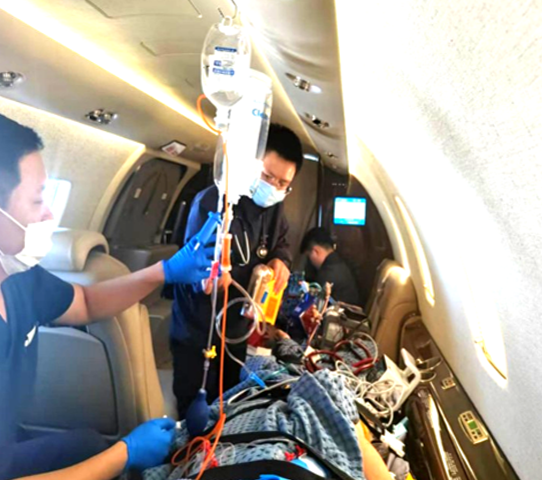
When a patient is unstable or ventilated, our aircraft function as mobile ICUs with advanced monitors, ventilators, and life-support systems, staffed by intensive care doctors and flight-trained nurses. It’s the highest cost mode, but also the right one when altitude physiology and time-critical care make all the difference.
- Confirm Insurance And Time Sensitivity
Insurance coverage or assistance benefits may offset out-of-pocket costs. TKP coordinates with insurers and hospitals so authorizations, medical necessity paperwork, and payments don’t stall an urgent move. Time also affects price: waiting for a cheaper option can mean longer hospital stays, additional complications, and, ultimately, a higher total bill. In some scenarios, a direct air ambulance today is less expensive than a multi-step plan that collapses tomorrow.
Why TKP Medical Assistance Delivers Value Beyond A Price Tag
For families and case managers, value means one thing: the patient arrives safely, on schedule, with no surprises. That’s the outcome we engineer.
- Continuous Care, Fewer Hand-Offs
We maintain a single accountable medical team from bedside to bedside. Our 24/7 operations center tracks missions in real time, synchronizing with hospitals and adjusting routes when weather or regulations shift. Fewer hand-offs reduce error risk and lower the chance of cost creep.
- Global Reach, Practical Access
TKP’s network spans domestic and international corridors, including remote locations with minimal infrastructure. By selecting practical airports and coordinating permits in advance, we shorten total mission time and the indirect Cost of Medical Charter Flights tied to waiting, repositioning, or long ground legs.
- Proven Experience, Transparent Communication
With 24+ years in aero-medical evacuation and 10,000+ successful missions, TKP helped pioneer cross-border medical pathways across the region. We work closely with embassies, hospitals, and insurers so permits, bed assignments, and billing do not become your burden. You’ll know who is on the clinical team, which equipment is on board, and what the plan is if conditions change.
- What This Means For You?
• Medically appropriate mode selection to avoid overspending
• ICU-capable teams when minutes and margins matter
• Dynamic flight scheduling matched to patient stability and urgency
• Clear scope of work so quotes stay predictable
Ready For A Case Review?
Share the patient’s condition, origin and destination, recent clinical notes, and desired timing. TKP Medical Assistance will provide a medically led transport plan and an all-in quote – whether that’s a commercial stretcher, a rail-ambulance combination, or a full ICU air ambulance. Let’s reduce the Cost of Medical Charter Flights while protecting what matters most: a stable patient, safely delivered to the right hospital, on time.
Submit Your Request
Recent Posts

Tags
- Air Ambulance
- Bedside To Bedside
- Cross Border Aid
- Emergency Evacuation
- Global Medical Rescue
- How can I ensure the patient's stability while in the air?
- How do I request an air medical transport?
- How is it different from an air ambulance
- how to activate emergency aircraft service
- how to request an air ambulance
- Is air medical transport safe
- Is international transport possible
- Medical Rescue
- Medical Transport
- Patient Repatriation
- Remote Rescue
- Seamless Coordination
- Telemedicine Support
- Tourists And Expats Medical Escort
- What are the benefits of a cross-border medical transfer
- What are the different types of transfers
- What are typical use cases
- What documents do I need to prepare for a transfer?
- What does high-speed rail patient transfer stands for
- What is air ambulance
- What is air medical transport?
- What is cross-border medical transfer
- What is emergency aircraft
- what is high-speed rail patient transfer
- What is medical charter flight
- what is neonatal ICU transfer
- What is patient air transfer
- What medical equipment is available on board the aircraft
- What situations shouldn't use air medical transport?
- What types of air ambulance are there?
- What types of air ambulance exist
- What's the difference between international and domestic transfers?
- what’s the difference between air medical transport and regular ambulance?
- When is emergency air transport necessary
- Which patients require air medical transport?
- who is included in the medical team
- who needs an air ambulance