


Air Medical Transport with ECMO: Feasible, Safe, and Available Now


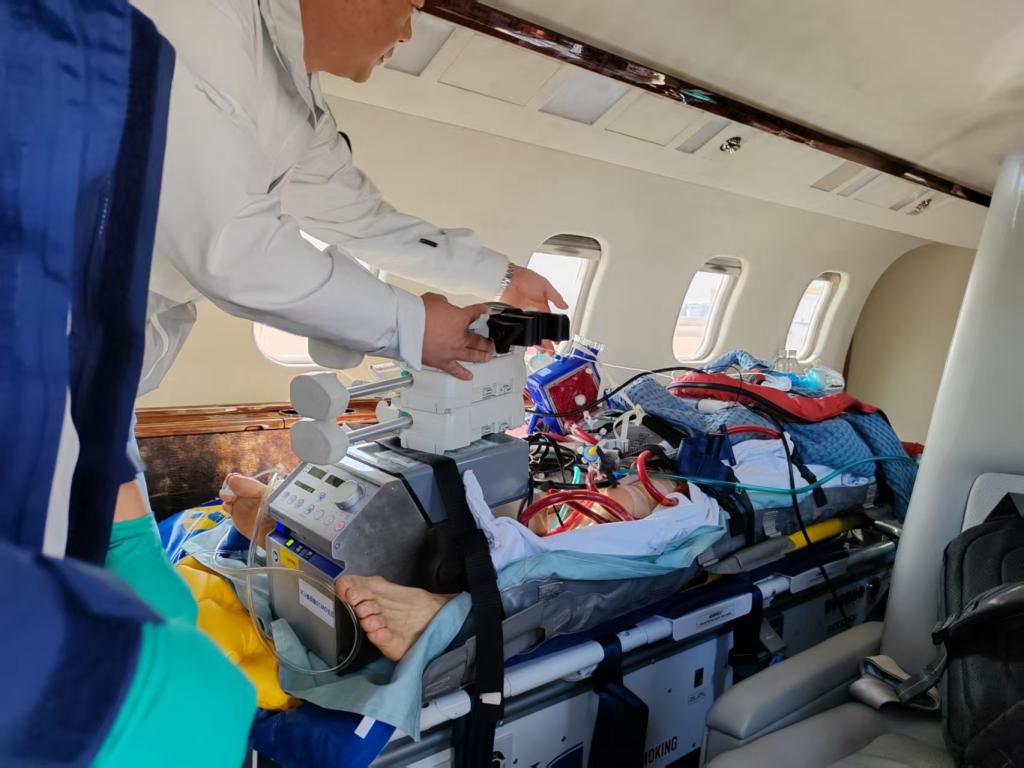
Air Medical Transport has long been considered too risky for patients on extracorporeal membrane oxygenation (ECMO), but clinical data and operational experience now confirm that ECMO-supported flights are both feasible and safe when executed by a properly equipped and trained team.
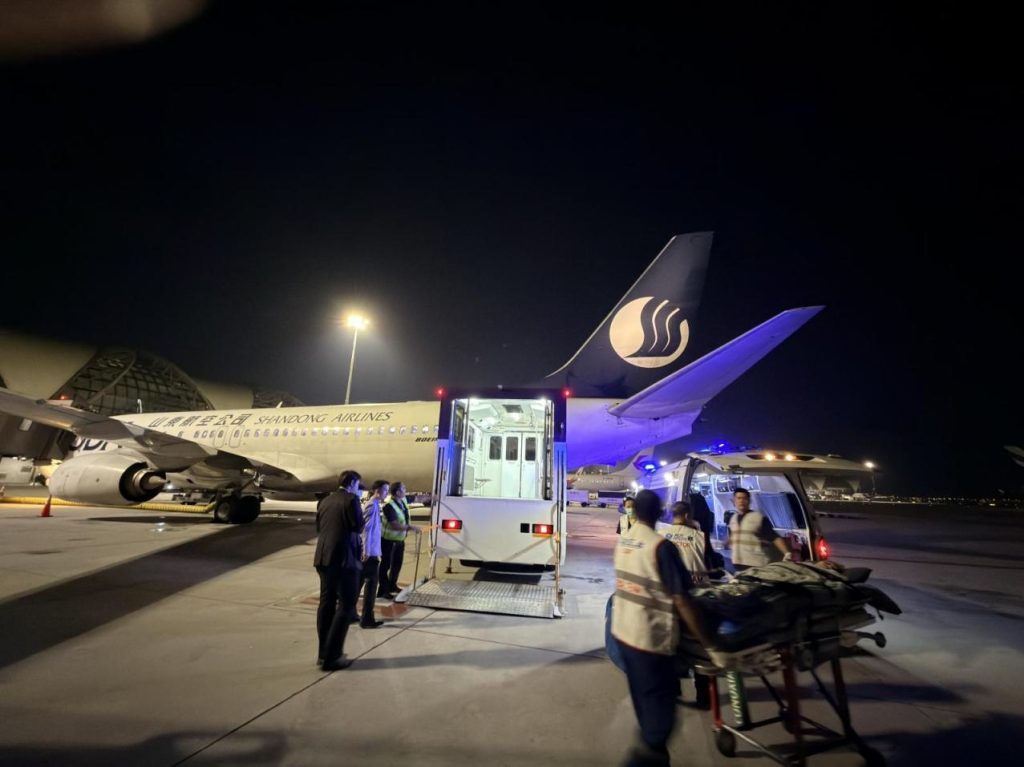
As a provider with over 24 years of experience in cross-border medical evacuation, TKP Medical Assistance has integrated portable ECMO into its clinical transfer protocols. Based in Shenzhen, China, with six regional offices across the country, we now offer aviation-certified ECMO as part of our standard ICU-level air medical transport for carefully selected critically ill patients. This article explains how modern air medical transport with ECMO works, which patients benefit, and why availability has expanded beyond specialized military or research programs.
Why ECMO Was Used to Be Excluded from Air Medical Transport
ECMO created several limitations to air medical ECMO transport in the past because of the following challenges:
•Power and battery limitations: ECMO supplies needed unstable, high-drain power batteries.
•Gas supply constraints: High consumptions of oxygen and compressed, medical air ECMO transport depleted the capacity of portable cylinders.
•Team expertise gap: Few intensive care doctors had both ECMO management and in-flight physiology training.
•Vibration and pressure effects: Air bubbles, circuit integrity, and pump function were poorly understood at altitude.
These concerns were valid but largely resolved in the past decade. Modern portable ECMO devices, combined with structured crew training, have changed the risk profile.
Current Feasibility: Equipment, Power, and Gas Management
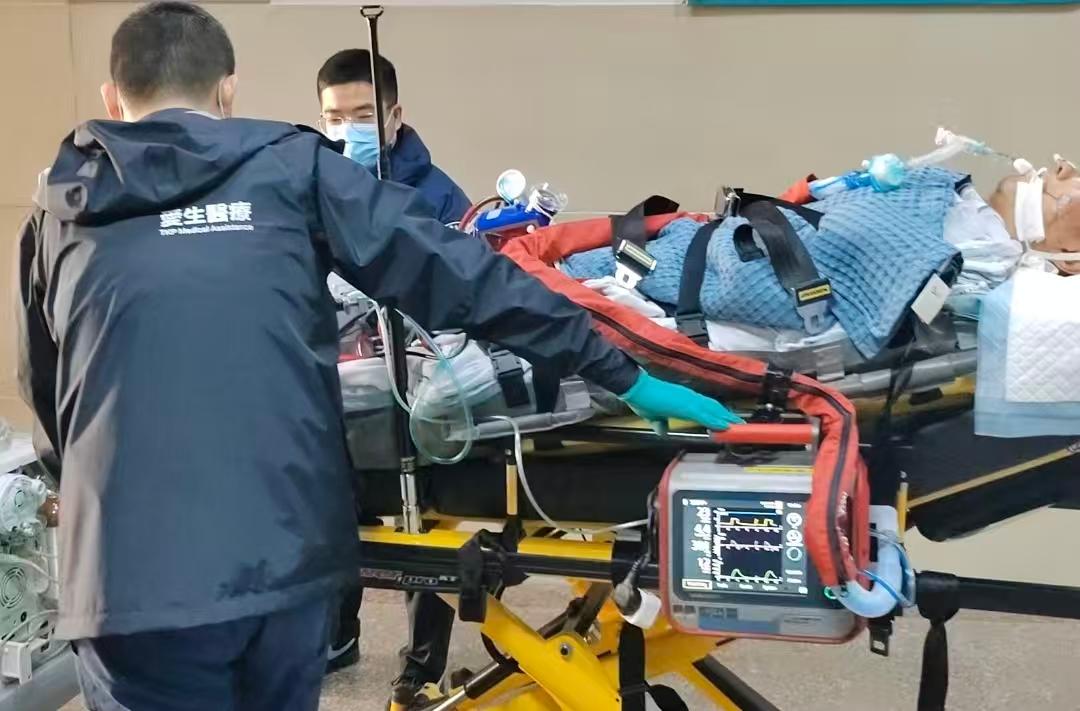
Portable ECMO systems used in air medical transport today are designed specifically for mobility. Key technical features include:
•Weight under 15 kg for the full circuit controller and pump head
•Battery runtime of 4–6 hours, swappable without stopping the pump
•Integrated pressure and bubble sensors with altitude compensation
•Low-priming volume, reducing blood product requirements
For gas supply, a standard air medical transport configuration carries:
•Two H-cylinders of oxygen (3,000 L each) with redundant regulators
•Medical air cylinder or pneumatic compressor for sweep gas
•Real-time oxygen consumption monitoring, updated every 15 minutes
These specifications allow ECMO runs of 8–10 hours including reserves—sufficient for most domestic and many international fixed-wing transfers.
Patient Selection: Who Is Suitable for ECMO Air Medical Transport
Not every ECMO patient is a candidate for air medical transport. Clinical stability before departure remains the strongest predictor of in-flight safety. Suitable patients typically meet these criteria:
•Hemodynamically stable on ECMO flows ≤ 3.5 L/min for at least 6 hours
•No active bleeding or unresolved cannula site issues
•PaO₂/FiO₂ ratio stable without frequent sweep gas adjustments
•No ongoing CPR or refractory arrhythmias within 24 hours
Unsuitable conditions include unresolved tension pneumothorax, uncontrolled coagulopathy (INR > 2.5 with active oozing), or rising lactate despite adequate flows. Proper screening reduces in-flight events to below 3% in published series.
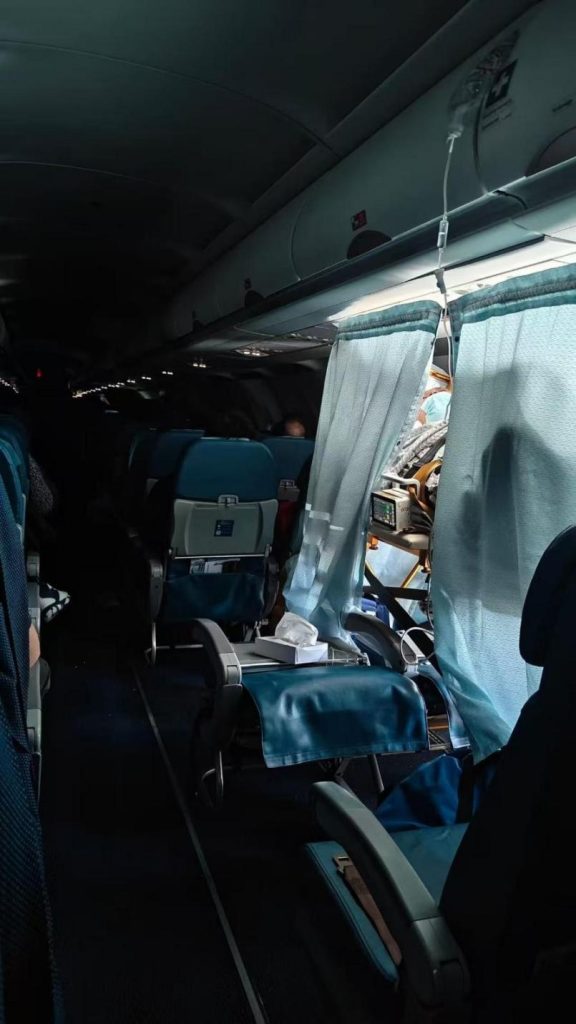
Safety Data from Civilian Air Medical Transport Programs
Multiple peer-reviewed studies have examined ECMO air medical transport over the past five years. Aggregate findings from programs in Europe, North America, and Asia show:
• Major adverse event rate: 4–7% (most are circuit changes or pressure alarms, not patient death)
• No in-flight circuit rupture or catastrophic gas embolism reported across 500+ transports
• 30-day survival after ECMO transport: comparable to ground-only ECMO patients (62–68%)
These figures do not indicate zero risk, but they demonstrate that air medical transport with ECMO falls within acceptable safety margins for high-acuity critical care.
Operational Protocols That Make ECMO Air Medical Transport Safe
TKP Medical Assistance follows a structured protocol built on clinical checklists and real-time redundancy. Each ECMO mission includes:
• Pre-flight altitude simulation: The circuit is tested at 8,000 ft cabin pressure equivalent using a hypobaric chamber
• Dual ECMO specialists: One perfusionist or trained ICU physician dedicated only to circuit management
• Backup manual pump handle: Mechanical hand crank stored in the same compartment as the circuit
• Decompression response plan: Immediate descent to 5,000 ft if air detected in venous line
Additionally, the flight plan includes preselected diversion airports with ECMO-capable ICUs within 200 nautical miles of the entire route.
Why Availability Has Expanded Beyond Academic Centers
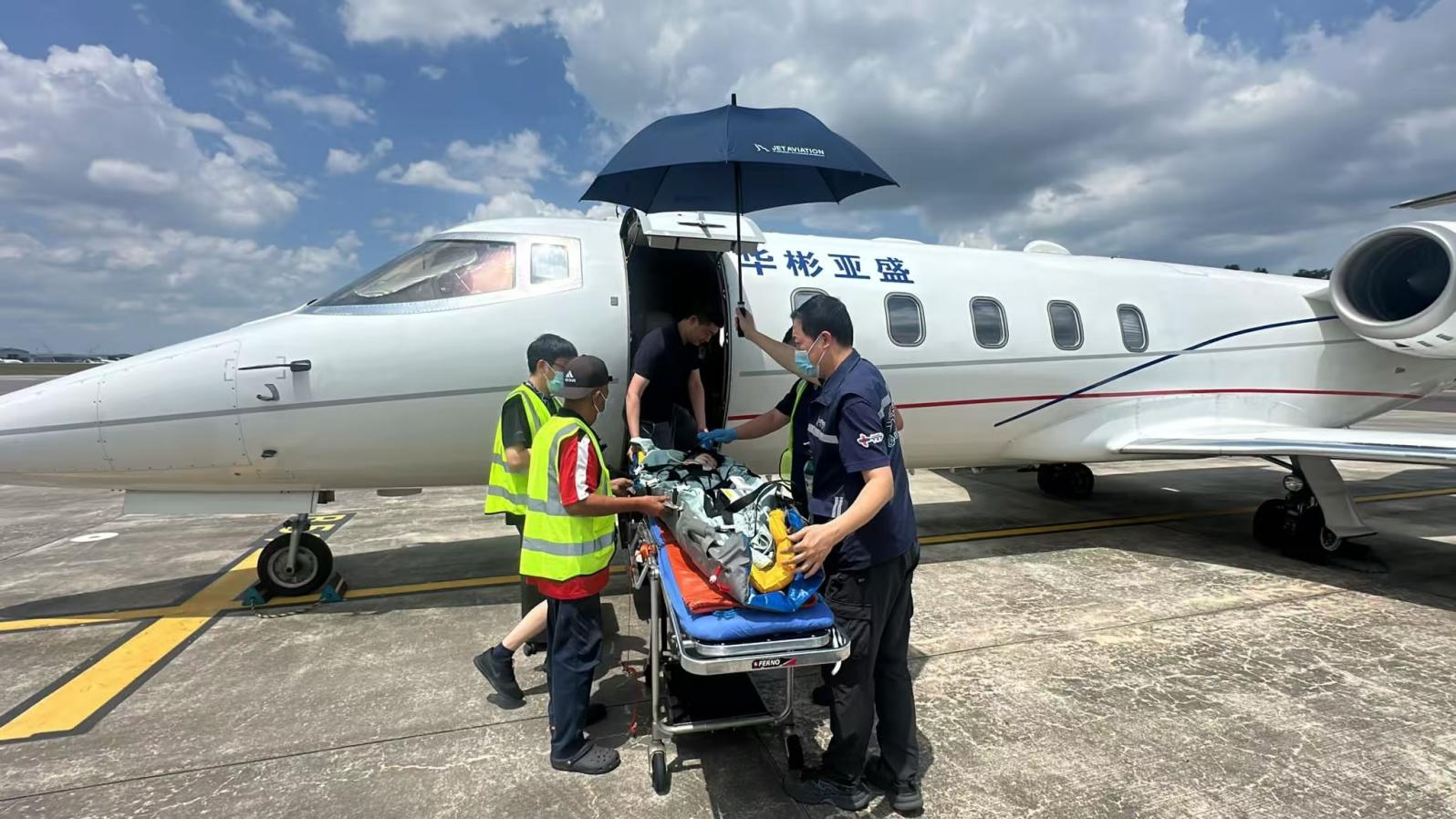
Five years ago, ECMO air medical transport was limited to a handful of university-affiliated programs. Today, several private and semiprivate providers offer this service because:
• Portable ECMO devices are commercially available with aviation certification
• Training curricula have standardized ECMO transport competencies
• Insurance and case management firms recognize the clinical value and cover reasonable costs
• Regional hospitals request ECMO retrievals from smaller facilities lacking long-term support
TKP Medical Assistance now performs ECMO transports on a scheduled and emergency basis, with response times under six hours from initial call to departure for domestic routes.
Limitations and Realistic Expectations
While ECMO air medical transport is feasible and safe, it is not a routine service. Important limitations include:
• Not available for all weight classes or cannulation types (e.g., dual-stage bicaval devices)
• Requires 4–6 hours of pre-flight clinical stabilization and equipment preparation
• Higher cost than standard air ambulance due to personnel and backup equipment
• Further research needed on very long flights (over 10 hours) and extreme altitude (>10,000 ft cabin)
• Patients requiring VA ECMO with high flows (>4 L/min) or those with continuous hemolysis remain poor candidates.
Conclusion: A Mature Option for Select Critically Ill Patients
Air Medical Transport with ECMO is no longer experimental. With portable circuits, trained dual-specialist crews, and real-time monitoring protocols, it offers a viable option for transferring the most fragile patients. TKP Medical Assistance integrates ECMO into its clinical transfer services when patient selection criteria are met. For referring physicians and case managers, the key question has shifted from “Is this possible?” to “Is this patient appropriately stabilized for the flight?”
When protocols are followed and equipment is aviation-certified, ECMO does not have to keep a patient grounded.
Questions You May Have
Q1: Is ECMO furnished in all Air Medical Transport flights?
No. ECMO is restricted to deliberately chosen, clinically stabilized, critically ill patients. ECMO flights necessitate a thorough assessment before transport.
Q2: What is the maximum amount of time procedures using ECMO can be performed when flying in an Air Medical Transport?
Portable ECMO units can manage flight durations up to 8-10 hours with battery and gas. Planned stops are necessary for longer flights to resupply the gas used in the ECMO.
Q3: How much does the cost of transport with ECMO assist in Air Medical transport increase?
Pricing is higher for dual ECMO providers, backup equipment, and further pre-flight packing. The route and condition of the patient will determine the cost.
Q4: Is the use of ECMO in pediatrics available in the TKP Medical Assistance program?
Yes, as appropriate. We keep separate pediatric ECMO circuits and cannula sizes. The eligibility to use ECMO circuits is dictated by the weight of the patient and their vascular access.
Q5: What are the actions when the flight is interrupted because the ECMO circuit is beeping?
There is a checklist that the crew will use. For the most part, the beeping in the circuit is corrected using adjustments to the sweep gas and changes in the flow. A manual pump in case of backup is available.
Submit Your Request
Recent Posts
Tags
- Air Ambulance
- Bedside To Bedside
- Cross Border Aid
- Emergency Evacuation
- Global Medical Rescue
- How can I ensure the patient's stability while in the air?
- How do I request an air medical transport?
- How is it different from an air ambulance
- how to activate emergency aircraft service
- how to request an air ambulance
- Is air medical transport safe
- Is international transport possible
- Medical Rescue
- Medical Transport
- Patient Repatriation
- Remote Rescue
- Seamless Coordination
- Telemedicine Support
- Tourists And Expats Medical Escort
- What are the benefits of a cross-border medical transfer
- What are the different types of transfers
- What are typical use cases
- What documents do I need to prepare for a transfer?
- What does high-speed rail patient transfer stands for
- What is air ambulance
- What is air medical transport?
- What is cross-border medical transfer
- What is emergency aircraft
- what is high-speed rail patient transfer
- What is medical charter flight
- what is neonatal ICU transfer
- What is patient air transfer
- What medical equipment is available on board the aircraft
- What situations shouldn't use air medical transport?
- What types of air ambulance are there?
- What types of air ambulance exist
- What's the difference between international and domestic transfers?
- what’s the difference between air medical transport and regular ambulance?
- When is emergency air transport necessary
- Which patients require air medical transport?
- who is included in the medical team
- who needs an air ambulance