


Medical Transfer Services: What You Need to Know Before an Emergency Strikes


Medical Transfer Services save lives when every second counts—but most people only learn about them when a crisis is already unfolding. Whether it is a tourist experiencing a stroke in a foreign country, an expatriate requiring urgent repatriation, or a patient needing inter-hospital critical care transport, understanding Medical Transfer Services before you need them can make all the difference.
What Are Medical Transfer Services?
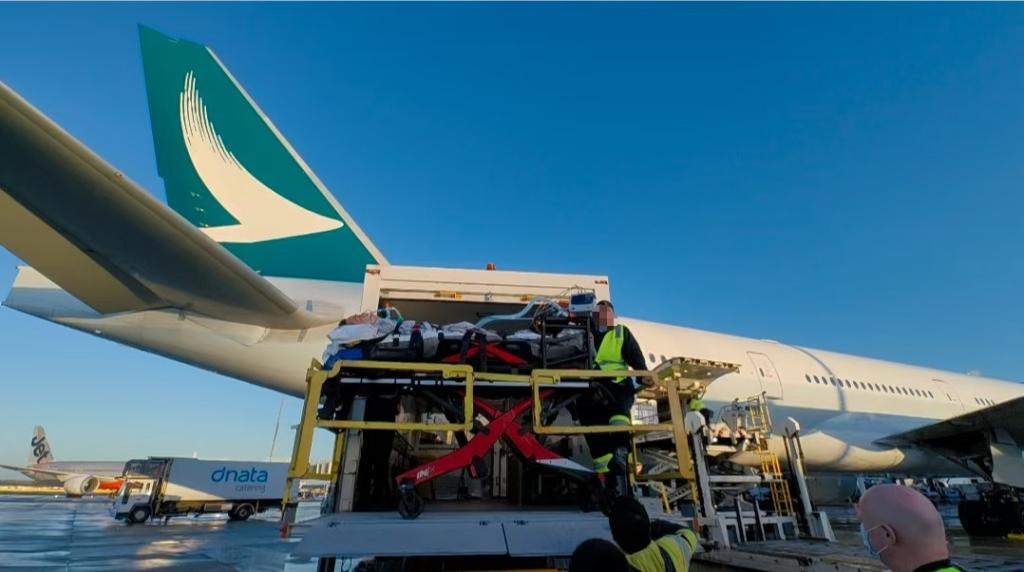
Medical Transfer Services transport patients who are critical, moving, or otherwise restricted so that they can be transferred directly from one medical institution to another or from one site to another across borders. These services transport patients directly to medical institutions where they can receive medical support.
Medical Transfer Services offer a variety of service options for patients that require transportation of a medical service for more than a short span. Medical Transfer Services are invaluable for people who become sick or sustain an injury while traveling or who need a higher level of care than what is offered at their current location or medical facility.
Medical Transfer Services provide transportation of a medical service that supports a medical service so that patients do not experience any interruption in care while providing Medical Transfer Services.
The Global Healthcare Transport Services Market Report
The increasing demand for Medical Transfer Services can be attributed to the number variations. Between 2025 and 2032 the Transport Services Market, for Healthcare is expected to grow from USD 106.25 to USD 158.40 billion, and the adult critical care transport segment is expected to grow from USD 2.249 to USD 4.036 billion. The air ambulance services market is projected to grow from USD 13.24 billion in 2025 to USD 21.21 billion in 2030.
What is causing the massive growth in Medical Transfer Services?
•Aging global population: increasing number of seniors traveling and living in different countries, the risk of sudden illness and injury away from home also increases.
•Rise of chronic diseases: medical emergencies justify transfer.
•Cross border and intra country transfer growth: The increase of business and leisure international travel, has increased the need for Medical Services Transfer.
•Patient centered care: Families often demand their family member to be treated at their choice. Based on their location, the Transfer can be local, intrastate, interstate and/or international.
New trends in 2026 also represent the increasing need for Medical Services Transfer:
•Disruptions in the international airspace
•Changes in the routes for Air services
•Volatile costs of air transfer
•New and more stringent health documents
•COVID has made the need for Medical Transfer Services extremely critical.
Types of Medical Transfer Services
Medical Transfer Services vary based of the need for the care, the travel distance. The condition of the patient also determines the best choice. Below are the most common types:
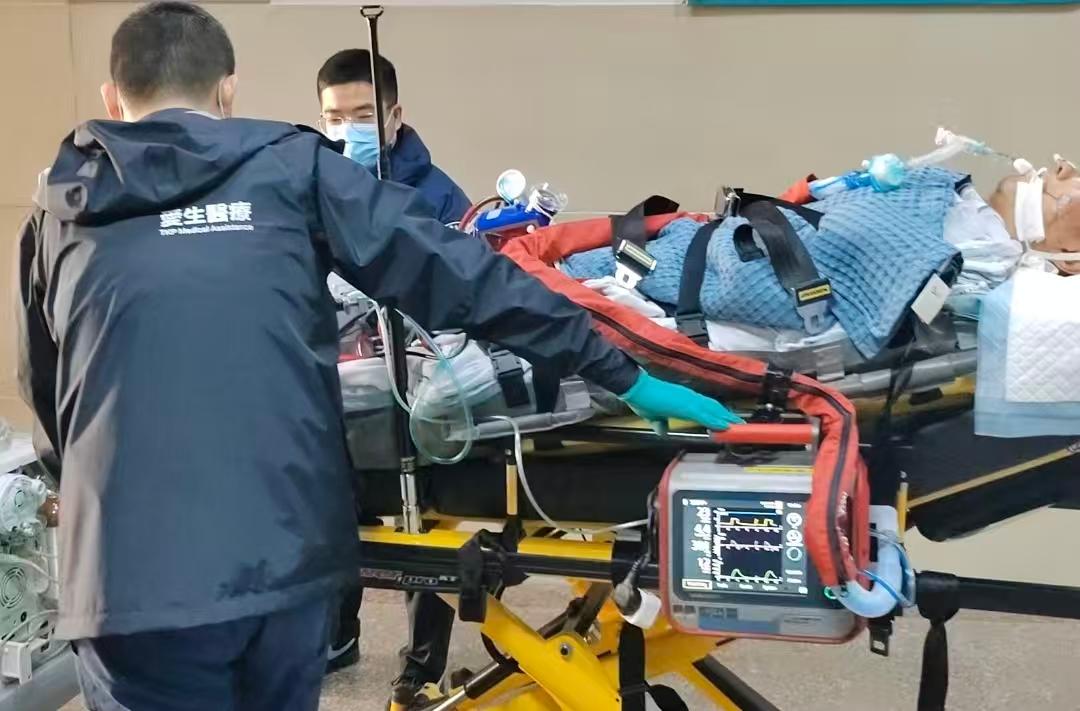
•Ground Ambulance (BLS, ALS, CCT): Basic Life Support (BLS) handles stable patients, while Advanced Life Support (ALS) and Critical Care Transport (CCT) units—staffed with paramedics and ventilators—serve those needing continuous monitoring during short to medium-distance Medical Transfer Services.
•Commercial Flight with Medical Escort: For patients in stable condition with stable vital signs and low oxygen requirement, FiO2 ≤ 40%–45%; Experienced team of physicians, nurses or paramedics escort them on a commercial flight—making this a cost-effective backbone of cross-border Medical Transfer Services.
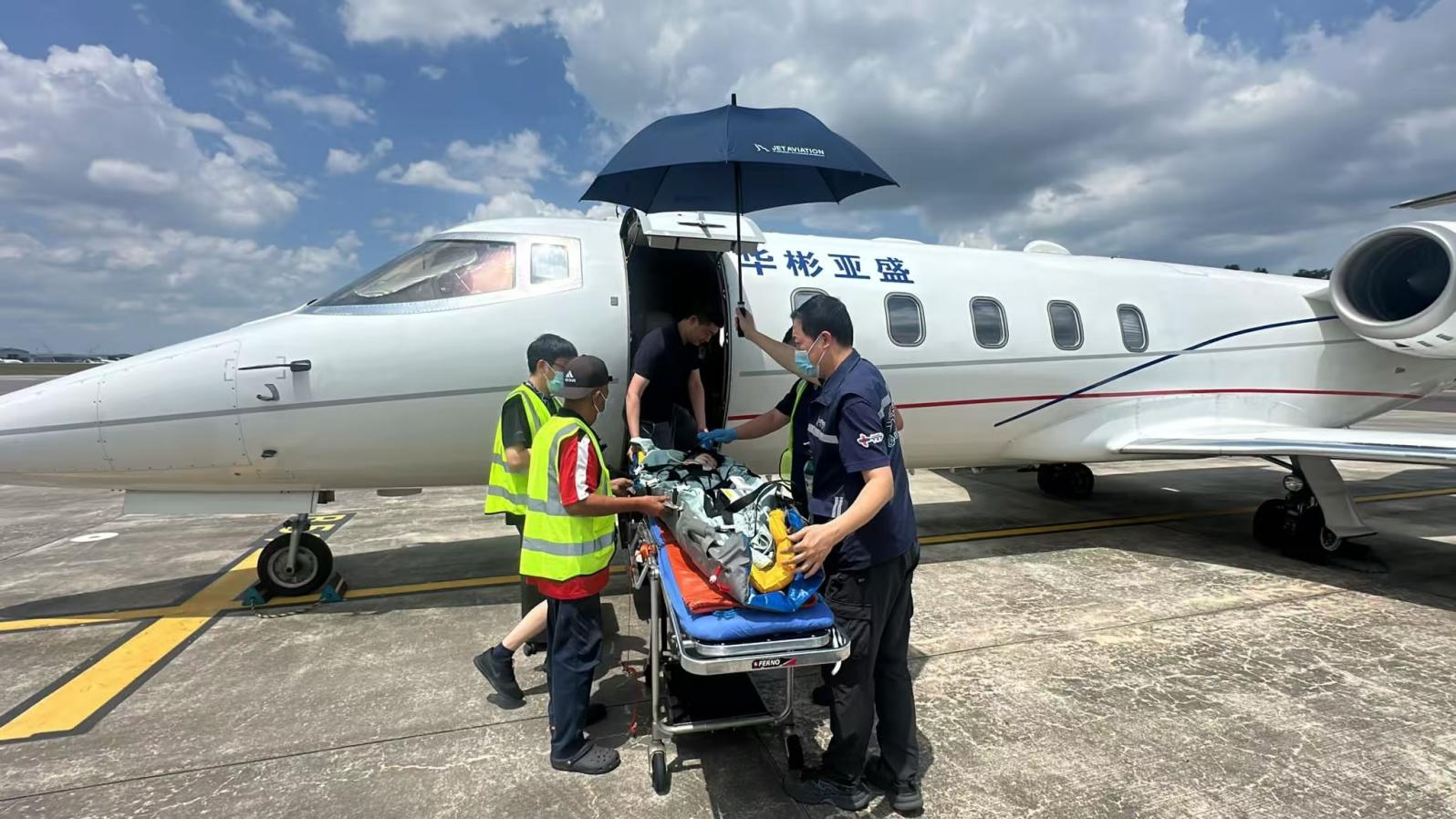
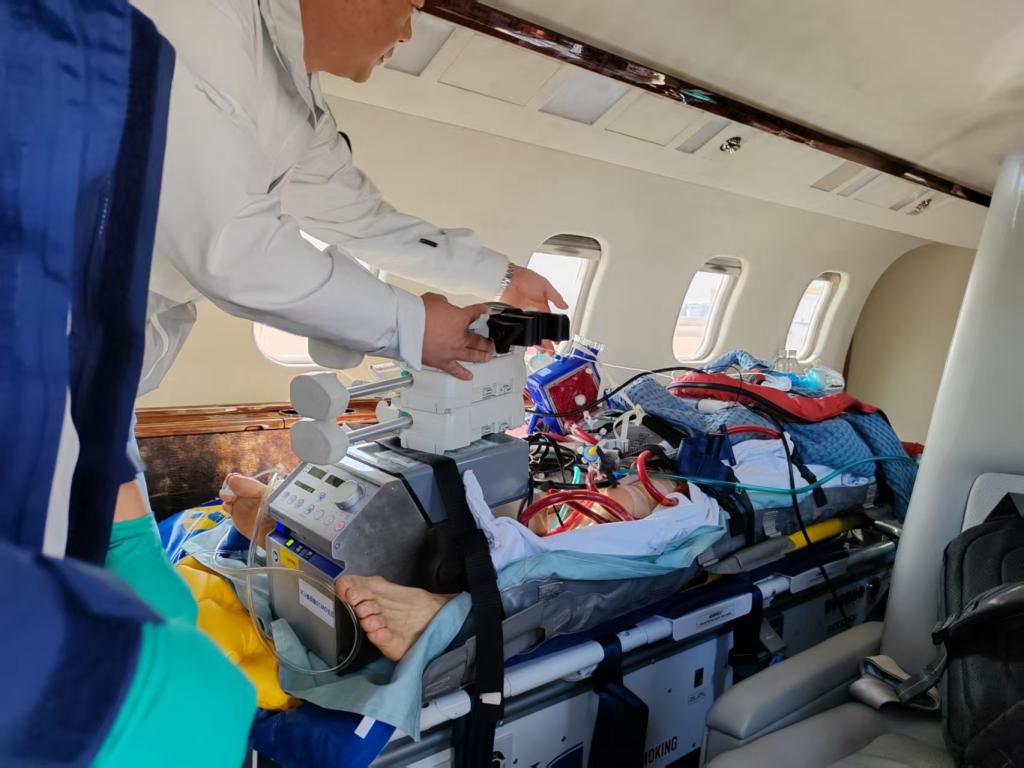
•Air Ambulance (Fixed-Wing or Rotary-Wing): Fully equipped mobile ICUs for critically ill patients; fixed-wing aircraft handle long distances and international transfers, while helicopters are for short-range, time-sensitive emergencies. This represents the highest-acuity tier of Medical Transfer Services.
•Medical Repatriation: Returning a patient to their home country for ongoing care or family proximity, using air ambulances, commercial escorts, or ground transport—requires physician clearance, documentation, and receiving facility readiness. Many international Medical Transfer Services specialize in repatriation.
•Non-Emergency Medical Transport (NEMT): Wheelchair-accessible vans with minimal medical supervision for stable patients needing assistance—such as hospital-to-rehabilitation center or dialysis appointments.

Criteria for Evaluating a Medical Transfer Services Provider
Families who experience a medical emergency while abroad often feel distraught. In addition to the medical emergency, there are many things that cannot be controlled: the language of the country, the health system, the different types of transportation, and the available options. We can help you choose a Medical Transfer Services Provider that works for you. Here are six of the most important features you can expect to find with a trustworthy partner:
•Self-Operational, No Intermediary: Only a handful of companies are completely self-operational. A Medical Transfer Services Provider that manages and operates each of the medical teams and vehicles in house assumes responsibility for the entire process, and maintains the highest level of control over quality, safety, and costs.
•Clinically Driven Transfers: At least one comprehensive clinical assessment should precede all medical transfers. In the process, the physician of the patient may be necessary for consultation. Only in this manner can the destination and the mode of transport, the level of escort, and the transport on-board items be determined and decided.
•Bed-To-Bed Service: True Medical Transfer Services do not end at the airport curb. The service should start at the patient’s hospital bed abroad and continue all the way to the receiving bed at the destination facility—managing ground ambulances, flight logistics, and bedside handover at both ends.
•24/7/365 Availability: Medical emergencies do not observe business hours. A reliable partner must operate a around-the-clock global coordination center, with multilingual staff ready to respond at any time. The most reliable Medical Transfer Services operate around the clock.
•Bilingual Medical Escorts: For patients with English as a secondary language and those without English as a primary language, traveling with a bilingual Medical Escort provides for a completion of the comfort zone, providing reassurance during the stressful travel experience.
•Transparent Single-Point Contracting: Current trends for Insurance Companies, Corporate Medical Units, and Assist Companies are favoring Single Point Contracts/Single Source Providers/Single Source Providers that are able to fulfill the entire Transfer Services inhouse. As a result, the administrative burden, the legal risks, and the Unit’s turnaround time (TAT) are all affected positively.
A Provider That Meets the Demands of 2026 and Beyond
For the past 22 years, and in over 10,000 transfers, TKP Medical Assistance has been the leader in the provision of cross border Medical Transfer Services. Based in Shenzhen, China, and with 6 branches in China’s key regions, TKP operates as an entity, not as a broker. They have over 24 years of experience, with clinical, RT, and compassion/staff 24/7.
•Clinically led and not one size fits all: Each TKP transfer is individually assessed to determine the safest mode of transport. For stable patients, a commercial flight with a Medical Escort is arranged, while for critical patients (including those that are on mechanical ventilation), an air ambulance is utilized.
•Bed to bed with multilingual support: Team members transport patients between their departure and destination. They also provide multilingual support (English and Chinese) and make real time updates to the patient’s family.
•Complete Quality and Cost Control: TKP manages all of its medical teams and coordinating centers directly. Thus, no broker fees or handoff delays exist. This model is what the rapidly evolving 2026 logistics environment needs.
•Responding to new obstacles: Airspace disruptions and new health documentation rules no longer pose challenges. TKP’s 24/ 7 coordination center eases these challenges. Families are not burdened to resolve these issues.
As global logistics sophistication keeps shifting patient transfer models, TKP Medical Assistance is astute to the important things. We keep patients at the center of everything and prioritize the transfer of patients securely, safely, and compassionately without exceptions.
Frequently Asked Questions (FAQ)
- What are Medical Transfer Services?
Medical Transfer Services are patient transport solutions for sick, injured, and mobility-restricted persons, clinically monitored and safely moved from one hospital to another or one country to another. The transport options can be air ambulance, ground ambulance, or even commercial flight accompaniment.
2.How fast can an emergency Medical Transfer Service be arranged?
For TKP Medical Assistance, where the service is provided 24/7, the assessment and transport plan can be done in a few hours. The actual takeoff time could depend on a number of factors – the stability of the patient, the flight, and the readiness of the destination.
3.Will my insurance cover this Medical Transfer Service?
Most international health and travel insurance coverage provide emergency medical evacuation. As for TKP, they partner with insurance and the aid companies to simplify the billing and pre-authorization process.
4.What is a medical escort and an air ambulance?
The only difference between the two is in the level of patient criticality/instability. An air ambulance is a licit mobile ICU to care for a ventilated patient while medical escort is a commercial flight nurse escort service for a stable patient.
5.Will TKP Medical Transfer Services be able to take a patient in any country?
Yes. With more than 24 years of experience and 10,000 plus missions, TKP takes care of all the logistics, documentation, and time translations. They take all transport missions, including from the largest to the most remote locations.
Submit Your Request
Recent Posts
Tags
- Air Ambulance
- Bedside To Bedside
- Cross Border Aid
- Emergency Evacuation
- Global Medical Rescue
- How can I ensure the patient's stability while in the air?
- How do I request an air medical transport?
- How is it different from an air ambulance
- how to activate emergency aircraft service
- how to request an air ambulance
- Is air medical transport safe
- Is international transport possible
- Medical Rescue
- Medical Transport
- Patient Repatriation
- Remote Rescue
- Seamless Coordination
- Telemedicine Support
- Tourists And Expats Medical Escort
- What are the benefits of a cross-border medical transfer
- What are the different types of transfers
- What are typical use cases
- What documents do I need to prepare for a transfer?
- What does high-speed rail patient transfer stands for
- What is air ambulance
- What is air medical transport?
- What is cross-border medical transfer
- What is emergency aircraft
- what is high-speed rail patient transfer
- What is medical charter flight
- what is neonatal ICU transfer
- What is patient air transfer
- What medical equipment is available on board the aircraft
- What situations shouldn't use air medical transport?
- What types of air ambulance are there?
- What types of air ambulance exist
- What's the difference between international and domestic transfers?
- what’s the difference between air medical transport and regular ambulance?
- When is emergency air transport necessary
- Which patients require air medical transport?
- who is included in the medical team
- who needs an air ambulance