


Medical Repatriation: What It Is And Why You Need A 2026-Ready Partner


Medical Repatriation describes the organized, medically supervised, and secure transportation of patients back to their home country when they become ill or have an accident or medical emergency while traveling abroad. In 2026, it becomes an essential component of international health and global travel planning.

Medical Repatriation brings home people for whom the following medical conditions befall while traveling abroad: foreigners who stroke or shatter a hip while vacationing in Bangkok or Rome; and expatriates whose advanced cancer treatment becomes unavailable. 68% of frequent international travelers do not know the term, until they require it. This article presents Medical Repatriation, the travel trends as of 2026, and how TKP Medical Assistance is changing the experience.
What Exactly Is Medical Repatriation?
Medical Repatriation is not taking an ambulance to your hospital of choice. Involves a global, organized medical transport system where:
• Clinical assessment before departure: A practicing physician assesses the patient’s travel safety and conditions.
• Choose the mode of transport: This can either be a commercial flight with a medical escort or an air ambulance.
• Handover coordination to and from the hospital (and the necessary treatment equipment/bed).
• Legal and insurance authorizations: Some medical evacuation and demobilization stipulations require foreign governmental intervention with medical stretchers and oxygen.
By 2026, Medical Repatriation has changed from a rare “crisis” service to a “must-have” service. The number of international travelers is 147 million more than 2019. The number of international travelers is 147 million more than 2019. The average age of travelers is 47; therefore, demand for Medical Repatriation has significantly increased.
Increased Demand for Medical Repatriation in 2026
Over the last two years, numerous trends have affected the industry.
The increase in “senior” travelers: Most long-haul flights in the international travel space are 23% travel by individuals 65 and older.
• Medical tourism: Many individuals travel to countries like India, Turkey, Mexico, etc. for low-cost procedures such as Hip Replacement, Bariatric surgeries, etc. Most of these individuals require Medical Repatriation to get back to their home country. This is because the complications arising out of the procedures render individuals unfit for travel via commercial airlines.
• Evolving infectious disease: These variants continue to affect the healthcare system and the need for medical repatriation.
• Demanding families: Families are seeking to know the progress on and the condition of the individual whereas service providers are only required to provide paperwork and phone calls.
Traditional medical repatriation services that make use of fax machines and local agents have fallen short of family expectations. TKP Medical Assistance aims to address these issues with a viable solution for 2026 and beyond.
Core Areas of Medical Repatriation
More than aircraft, a complete 2026 Medical Repatriation service encompasses:
1. Tele-Medical Pre-Screening and Continuous Monitoring
• What it entails: Before a patient is declared fit to travel, a physician from a remote location talks to the patient and to the local physician, and evaluates the local medical records.
• Why it matters: Deterioration of a patient’s condition mid-flight can be extermely dangerous, which is why currently retaining a tele-triaged doctor prevents this by catching 46% of cases before deterioration during the flight.
• TKP Advantage: Throughout the journey, our doctors are in control over satellite links in-flight. They can modify the oxygen flow or medication during the flight, whenever required.
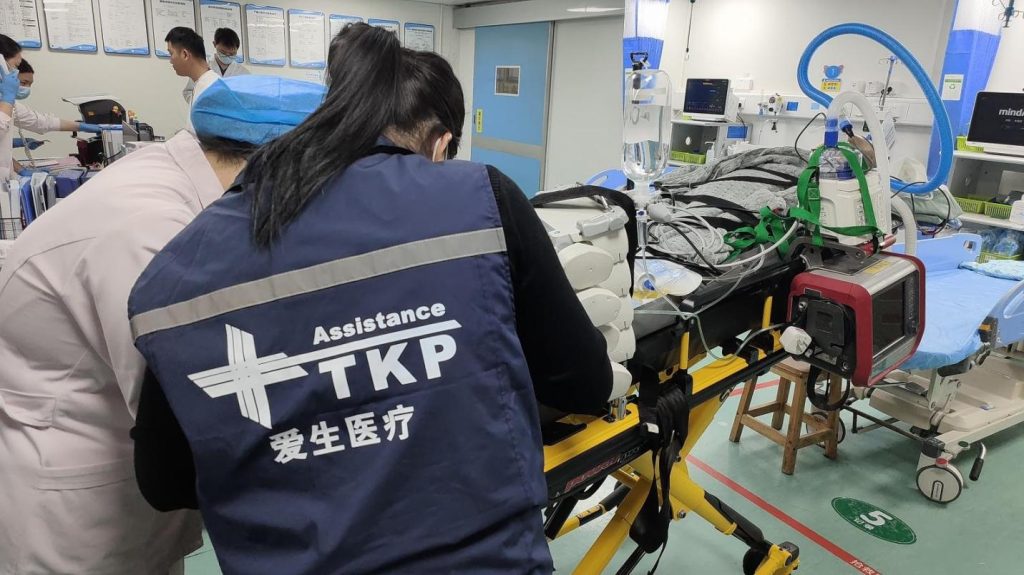
2. Transports Tailored to Medical Needs
• Commercial medical escort: A nurse or doctor accompanies the patient in a regular flight. This is the best option for a patient who is stable.
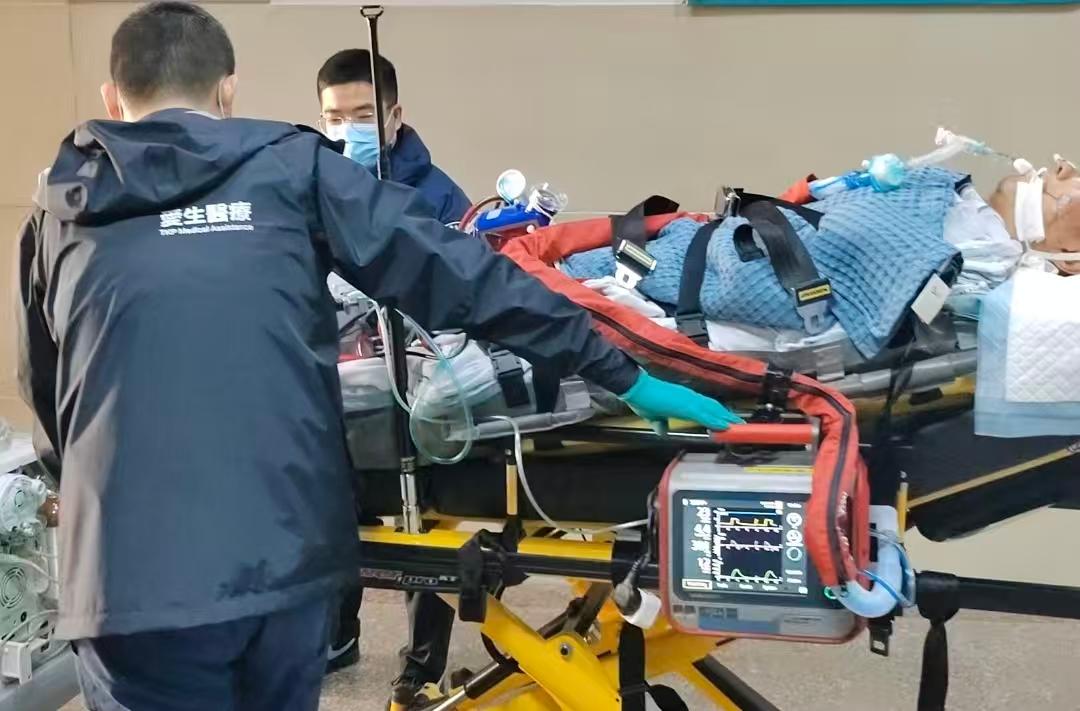
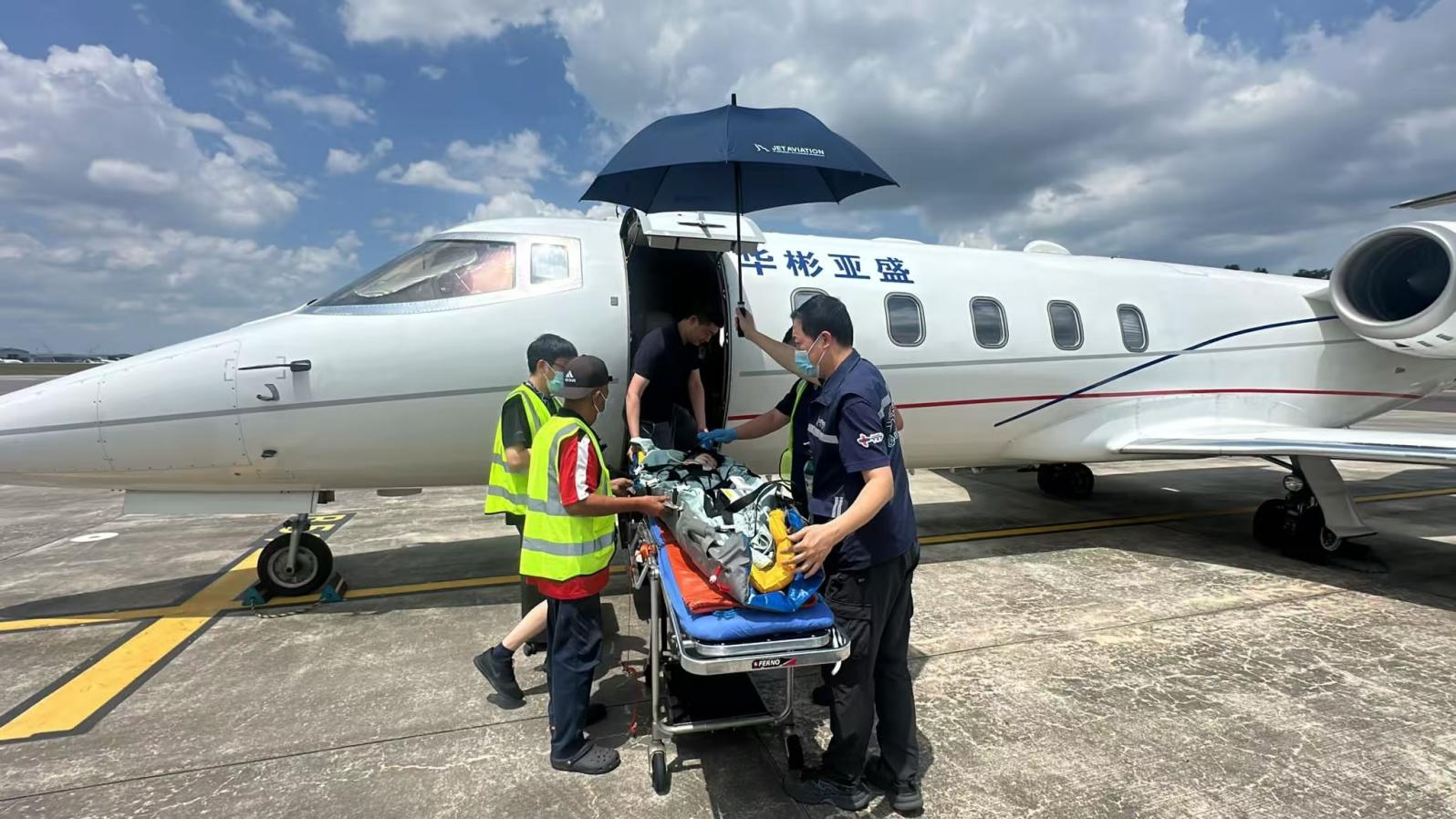
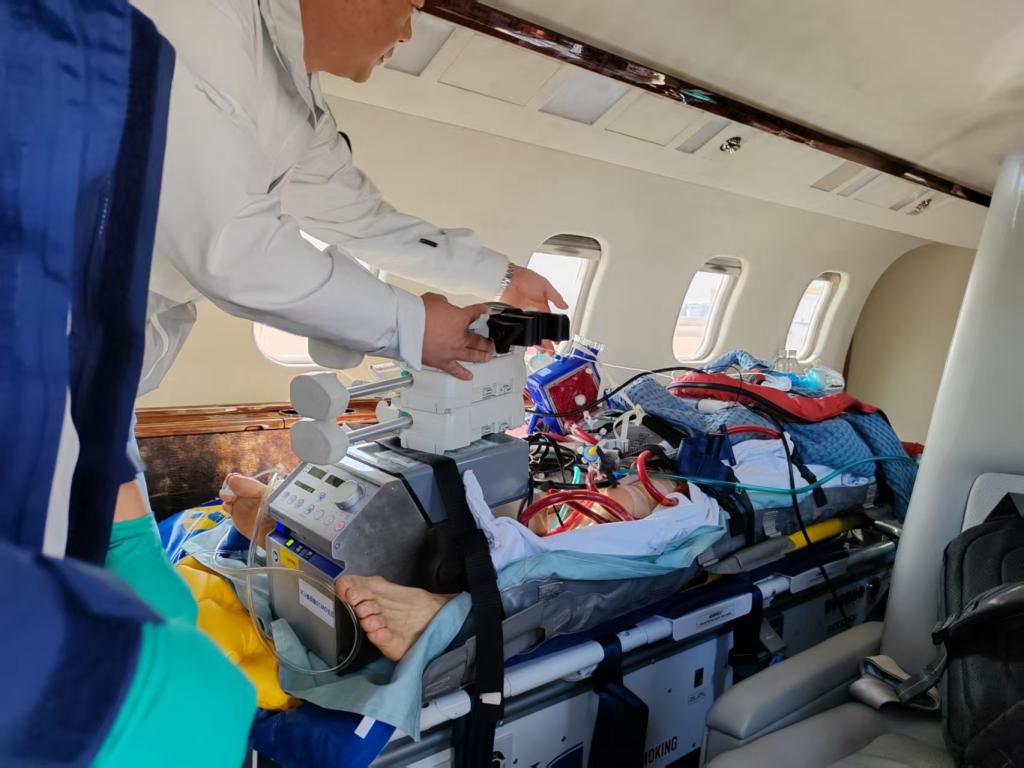
• Air ambulance: A medical airplane that is equipped with an ICU and an intensive care medical team. This is best for a patient who needs to be on a ventilator or requires lots of patient monitoring.
• Ground repatriation: This is for short distance cross-border transfers. An example of this is the distance from Canada to the US or from France to Germany.
TKP Medical Assitance assesses every patient on case by case basis. We don’t sell an air ambulance where a medical escort is the best option. This is to avoid over-charging patient families by thousands of dollars.
3. End-To-End Logistics And Paperwork Management
Medical Repatriation involves an intimidating amount of red tape:
• Exit permits from the treating country’s health ministry
• Overflight clearances for air ambulances
• Bed reservation at the receiving hospital
• Insurance pre-authorization and direct billing
A reputable provider handles all of this silently. TKP’s dedicated logistics team works 24/7 with embassies, airlines, and insurers so families focus only on their loved one.
How TKP Medical Assistance Stands Out in 2026
While many companies claim to offer Medical Repatriation, few have invested in the digital infrastructure and clinical rigor that 2026 demands.
Real-Time Case Visibility For Families
• Every family receives a secure online dashboard: See the patient’s location, vital signs (when available), and estimated arrival time.
• Direct chat with your case coordinator: No waiting on hold. No “let me check with another department.”
• Automated document collection: Passport, medical reports, and insurance cards are uploaded once and shared instantly with all involved parties.
AI-Optimized Provider Pairing
TKP devloped its own set of algorithms to find the safest and quickest paths:
• Examines all weather, airport, and hospital data from seven unique databases to find the best approach.
• Decreases time to make the decision from hours to 12 minutes.
• Identifies possible delays. (e.g. storm over the Atlantic) TKP suggests alternative paths.
Transparent, Fair Pricing
TKP works on fixed-case pricing with no hidden surcharges:
• Upfront quotation after the initial telemedical assessment.
• Direct billing to international health insurers including Allianz, AXA.
What to Do Right Now
Even healthy travelers should take three simple steps before their next trip:
• Check your travel or health insurance policy: Does it explicitly cover Medical Repatriation? Many “trip cancellation” plans do not. Look for terms like “emergency medical evacuation” or “repatriation of remains” (the latter is different from living-patient repatriation).
• Save TKP’s emergency number +86 755 83980108 in your phone and share it with a family member back home.
• Include with your passport a one-page medical summary with your blood type, allergies, chronic conditions, and medications. In case of an emergency, this can expedite the Medical Repatriation process by hours.
• TKP Medical Assistance provides a free pre-travel consultation for groups, corporate travelers, and expatriates. We define a repatriation plan for you and your specific health risks.
Final Thoughts: Medical Repatriaton Is Not a Luxury—It Is a Necessity
Who plans a medical emergency abroad? Either way, Medical Repatriation is vital. With competing demands on traveler volumes and medical infrastructures, your choice of partner will matter the most in 2026.
TKP Medical Assistance combines old-fashioned medical expertise with modern technology: telemedicine, AI routing, real-time dashboards, and 24/7 human coordination. We are not just a logistics company—we are the team that brings your family member back to your side.
Learn more about Medical Repatriation services at HERE. For immediate assistance, call our global hotline: +86 755 83980108. Wherever you are, we will bring you home.
Quick FAQs About Medical Repatriation
Q1: Air ambulance and Medical Repatriation… do they mean the same thing?
Not at all. The way you think about Medical Repatriation is through many transport options like Ground and Air ambulances and commercial medical escorts. TKP evaluates and determines the optimum transport option case by case.
Q2: Should I expect Medical Repatriation to be covered in my insurance?
No. Work on the coverage of the policy you are dealing with, as most do not offer coverage of Medical Repatriation. Instead, focus on getting “emergency medical evacuation” coverage with a cap of at least $100K. TKP expediently establishes insurance net benefits for most of the internationally-operating insurance companies.
Q3: How quickly can Medical Repatriation be initiated by TKP?
Average about 2-4 case approval hours, to telemedical evaluation, and logistics. Realistically, air ambulances can be ready to go in six hours, world-wide.
Q4: How about patients that are ground to near death? Are they transportable?
TKP physicians transporting patients are more like consultants. Ground transport, stabilize, consult.
Q5: Are family members included in Medical Repatriation of the patient?
Generally yes, and in commercial medical cases, family members are frequently included. Space constraints exist on air ambulances, and family members are provided transport to the destination of the patient.
Submit Your Request
Recent Posts
Tags
- Air Ambulance
- Bedside To Bedside
- Cross Border Aid
- Emergency Evacuation
- Global Medical Rescue
- How can I ensure the patient's stability while in the air?
- How do I request an air medical transport?
- How is it different from an air ambulance
- how to activate emergency aircraft service
- how to request an air ambulance
- Is air medical transport safe
- Is international transport possible
- Medical Rescue
- Medical Transport
- Patient Repatriation
- Remote Rescue
- Seamless Coordination
- Telemedicine Support
- Tourists And Expats Medical Escort
- What are the benefits of a cross-border medical transfer
- What are the different types of transfers
- What are typical use cases
- What documents do I need to prepare for a transfer?
- What does high-speed rail patient transfer stands for
- What is air ambulance
- What is air medical transport?
- What is cross-border medical transfer
- What is emergency aircraft
- what is high-speed rail patient transfer
- What is medical charter flight
- what is neonatal ICU transfer
- What is patient air transfer
- What medical equipment is available on board the aircraft
- What situations shouldn't use air medical transport?
- What types of air ambulance are there?
- What types of air ambulance exist
- What's the difference between international and domestic transfers?
- what’s the difference between air medical transport and regular ambulance?
- When is emergency air transport necessary
- Which patients require air medical transport?
- who is included in the medical team
- who needs an air ambulance