


Booking Air Medical Transport Services: A Step-by-Step Guide from First Call to Safe Patient Delivery


Booking air medical transport can be confusing and stressful. If you’re facing an emergency evacuation, transfer, or medical repatriation, being aware of all of the details involved can help alleviate this. This guide details what you can expect when booking air medical transport, from your first contact with the service to finally transporting the patient.
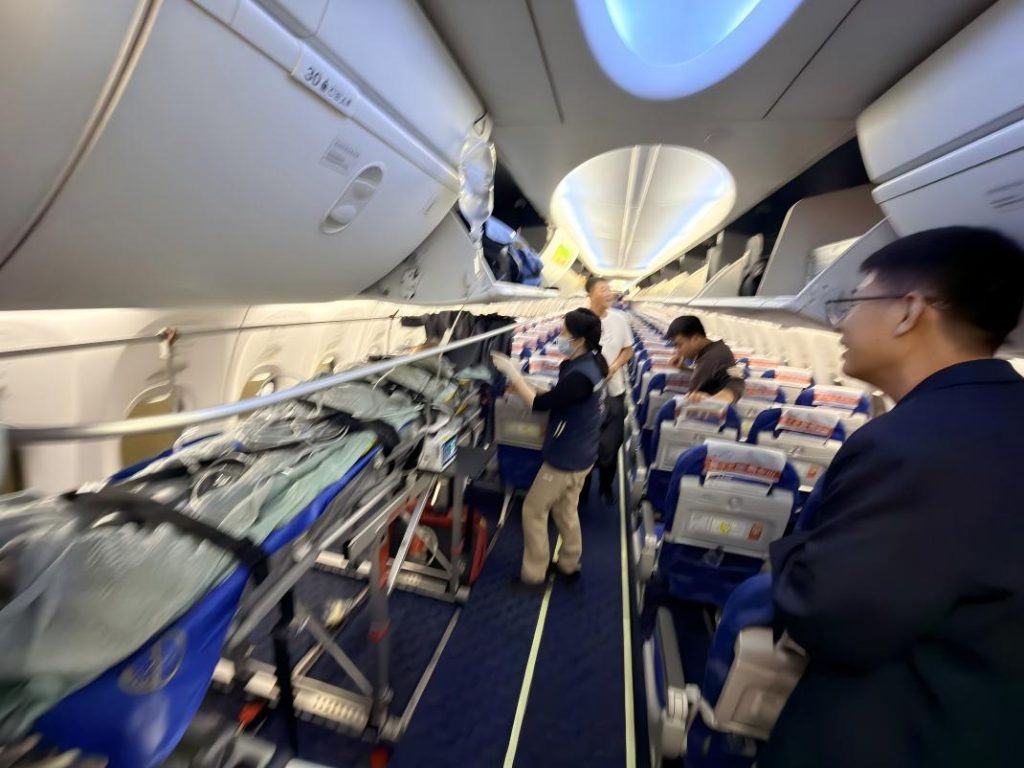
What is Air Medical Transport?
Air medical transport is the movement of patients on aircraft that have the capability of transporting an intensive care unit, as well as the staff needed to operate it. This is not a flight booking. Air medical transport requires a clinical assessment, control of the logistics involved, an understanding and compliance with the various regulations, and continual monitoring of the patient.
There are two main options when booking air medical transport:
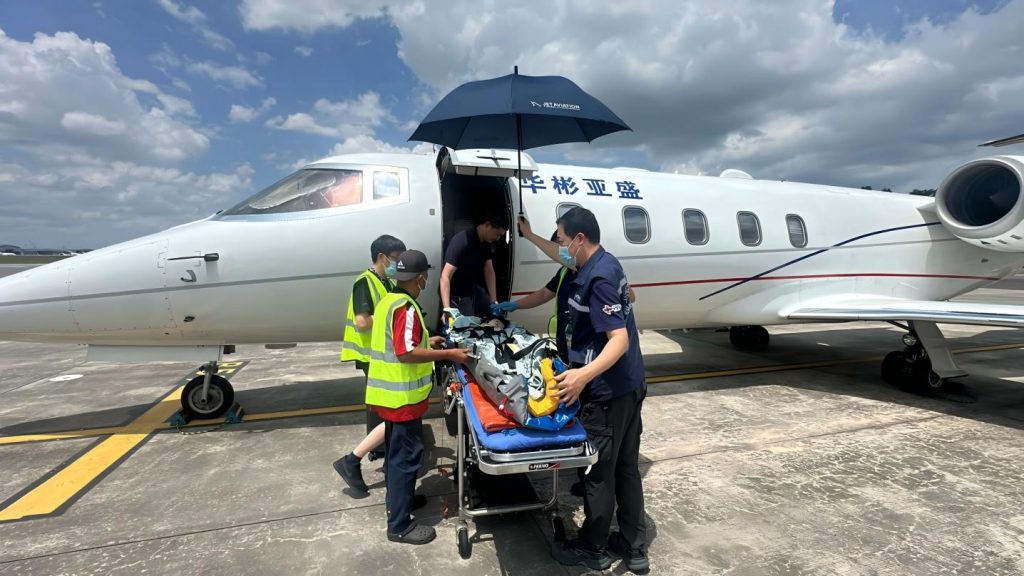
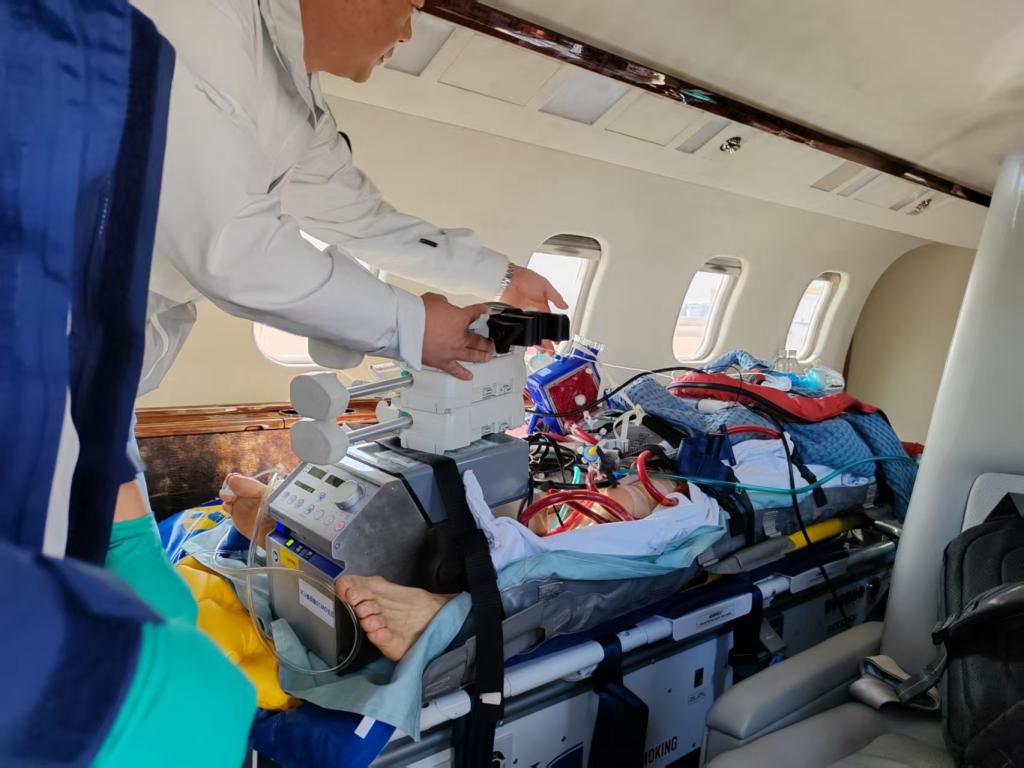
•A dedicated air ambulance is a private aircraft that is fully equipped with the capabilities of a flying ICU, and is staffed by physicians and nurses trained in critical care.
•A commercial stretcher transfer with medical escort is a more economical option for patients who are stable enough to be flown on a commercial flight in the company of a staff nurse.
Services like TKP Medical Assistance provide both options, and transport is designed as a clinical pathway with the clearest possible options and controlled clinical care.
Service Activation for Booking Air Medical Transport Services
Step 1: Receive Inquiry — Initial Contact
Every mission starts with a call, and in air medical transport, the call kickstarts the whole process.
Within the initial call, the following happens:
•Requests for transfers are recorded by a 24/7 unit
•Staff members take down the requestor’s name as well as the patient’s name, age, medical diagnosis, and current medical condition, as well as the current and future (destination) hospitals
•Names and contacts for the attending physician and relatives (most often the next of kin) are taken
•All special needs and requests, e.g., the need for transport of therapeutic oxygen, monitoring of cardiac functions, and control of pain, are captured
�� Important note: You enable speed of response by providing clinical details. Providers such as TKP Medical Assistance have 24/7 units to ensure no critical detail is captured.
Step 2: Clinical Review — Medical Necessity and Safety Assessment
Once the inquiry is captured, the call is reviewed clinically by a nurse or a physician.
Details of the clinical review:
•Appraisal of the patient’s present status, the care they require, and their general stability
•Estimation of their need for supplemental oxygen, mobility, the potential for opportunistic infection
•Appraisal of their tolerance of changes in cabin pressure and movement compared with that of the average passenger
•Identification of specialized equipment and personnel needed for a safe transport
•Verification of the patient’s status as “fit to fly,” a prerequisite for international medical transport.
The most important thing to remember about the clinical review is, unlike other aspects of the case, it is not a paper exercise. The clinical review directs important oxygen and monitoring decisions, the level of airway support, and the possible need for advanced systems. The ICU-led teams at TKP Medical Assistance go to great lengths to determine the exact level of transport a patient needs based on the patient.
Step 3: Safest Journey Route and Mode Selection
After defining the clinical requirements, the logistics team considers all the transport options to select the most optimal and most comfortable route.
The following are some of the components that go into route planning:
•Distance and the geography of the destination
•Patient stability and acuity
•Transit times and time zone changes
•Regulatory clearances and crossing borders
•Receiving facility and bed availability
•Transport mode options include the following:
•Dedicate air ambulance: For patients requiring an in-flight ICU
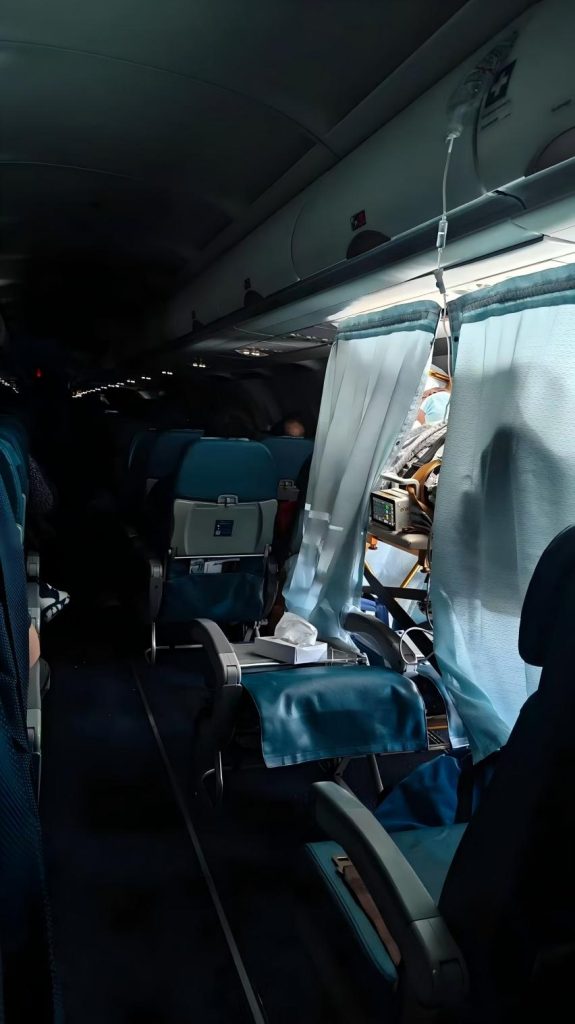
•Commercial stretcher with medical escort: For stable patients requiring a flat position and constant monitoring
•Integrated ground + high-speed rail + air: For routes where commercial air travel or available runways are a constraint
What does this mean?: TKP Medical Assistance combines global logistics expertise to develop bed-to-bed transport plans, meaning that the patient is supported and monitored all the way from the bed at the patient’s current hospital to the bed at the destination.
Step 4: Quotation and Consent – Costs and Approvals
No resources are committed until a clear price is provided and approval is granted.
What the quotation covers:
•Different aircraft and charter costs
•Medical teams made up of certain positions
•Various equipment, including but not limited to, ventilators and monitors
•Ambulance transfers from the original and final locations
•Various fees and surcharges
•International permits, along with customs
What has to be approved:
•Hospital release of a patient
•Insurance pre-approval (if needed)
•Consent from the patient or authorized representative
�� Key takeaway: All-inclusive quotes give no room for unexpected costs. TKP Medical Assistance offers quotes that cover all the logistics so families can have the coverage they need before they have to choose.
Step 5: Activate Resources — Mobilizing the Medical Team and Equipment
Once approval is given, the provider will activate their resources.
The activated resources will include:
•Flight team members who are nurses or attendants
•All needed equipment
•Ambulance team members who are needed for transport
•The aviation crew and pilots
�� Key take away: TKP Medical Assistance works directly for the client, which allows them total control and planning of the task with their own team.
Step 6: On-Site Pickup — Bedside Handover and Patient Stabilization
The transport team arrives at the original place of transfer with a specially equipped medical kit.
What occurs during a patient pickup from a sending medical team?
•The medical team conducts a bedside handover
•The patient is assessed, along with their medications and treatment plan
•The patient is prepared for transport
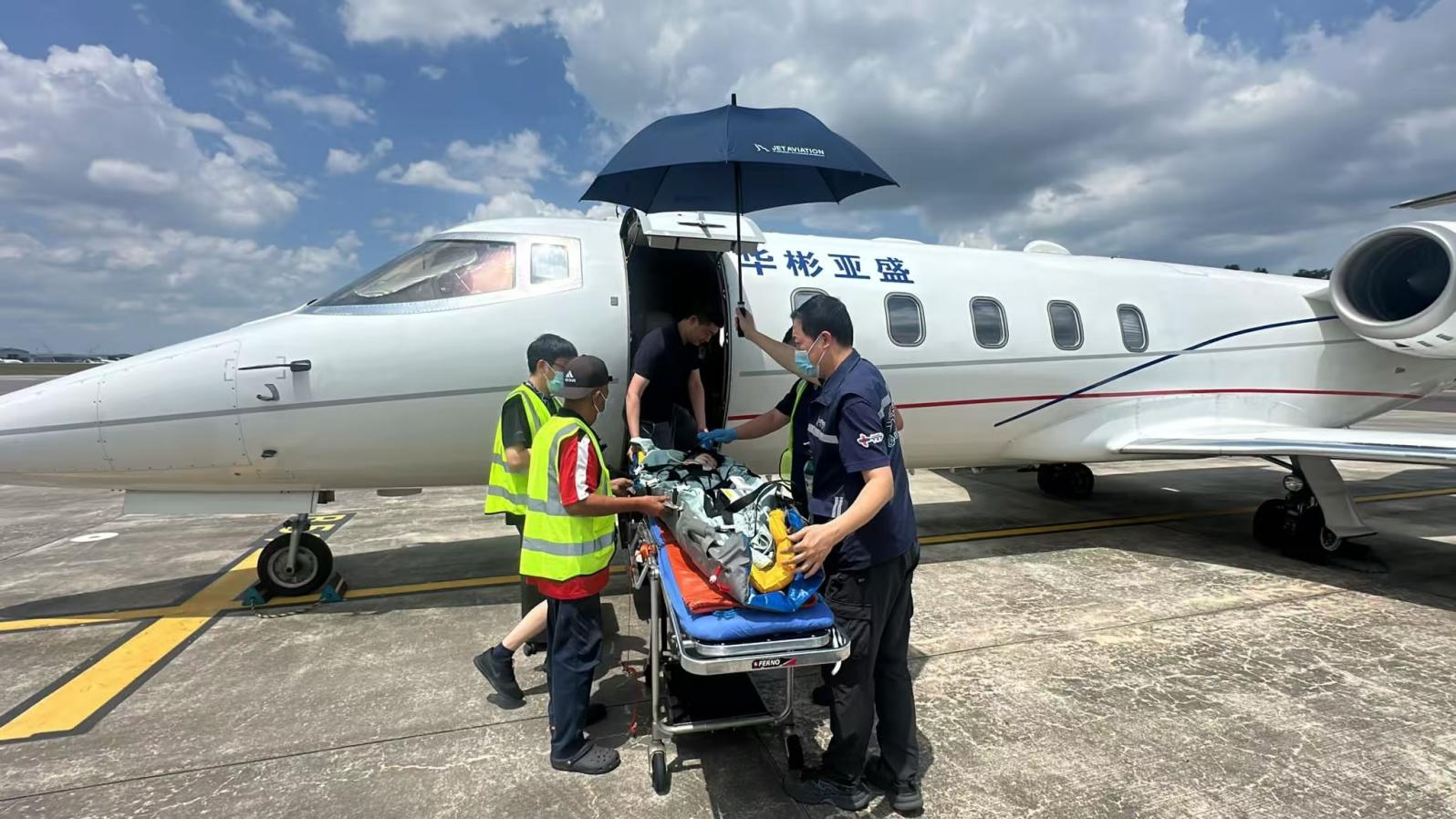
•The patient is loaded into a ground ambulance with close monitoring, driven to the airport, and boarded onto the airplane with continued assessment. The medical team connects the patient to the medical equipment on the airplane.
The most important point to remember is that patient care is constant and TKP Medical Assistance works with the sending clinicians to ensure that patient care is consistent and that the patient is stable during the transfer.
Step 7: In-Transit Care — Continuous Monitoring in the Air
Clinical staff will keep providing seamless care throughout the entire flight.
Some aspects of in-flight care are:
•Vital signs are monitored continuously
•Treatments and medications are given as necessary
•Life-support settings are adjusted to the needs of the patient
•Medical emergencies occurring during the flight are managed
•Contact is maintained with the patient’s family. They are given the latest updates regarding the patient’s condition.
�� Key takeaway: TKP’s air ambulances come with fully equipped ICU systems comprising ventilators and defibrillators with suction and advanced life support systems, and the teams are fully certified in ACLS and BLS. This means that the team is fully equipped and ready to respond if the patient’s condition changes during the flight at any point in time.
Step 8: Destination Handover — Seamless Transfer to Receiving Care
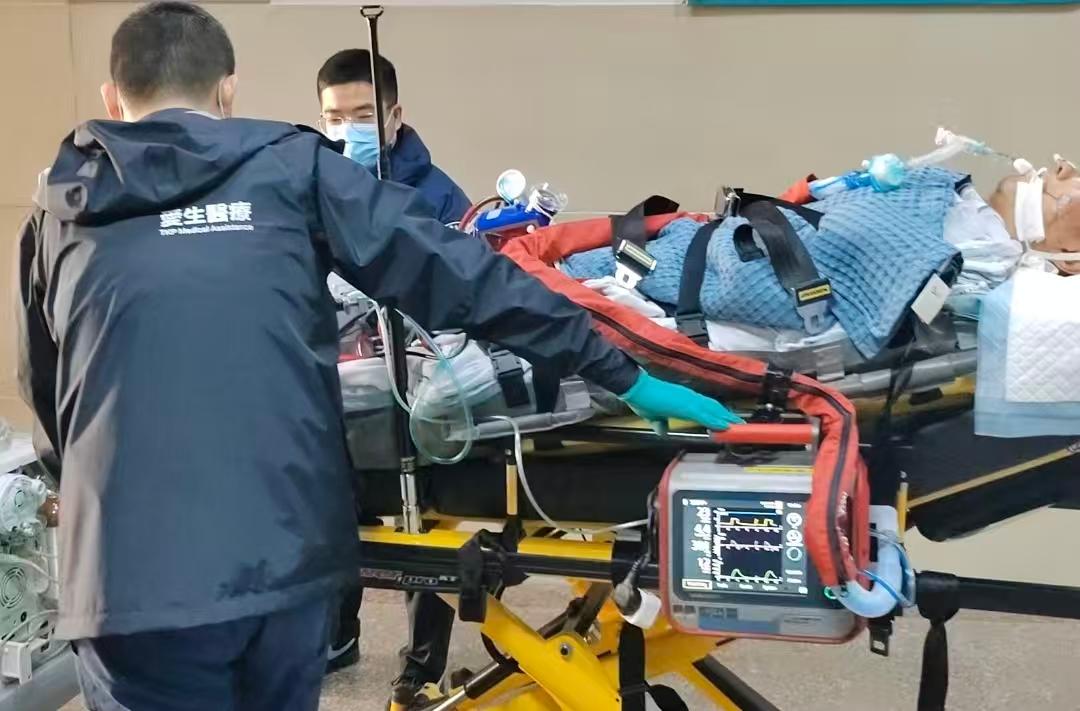
After landing, the patient is moved to a ground ambulance which is going to the receiving facility.
Elements of the handover process are:
• Formal transfer of the patient with a complete report of the patient’s medical history
• Hand off of transport equipment and briefing of the receiving medical team
• A review of the transport treatment
• Integration of the care plan is ensured.
�� Key takeaway: There has been continual transport update communication as the patient is being moved; because of this, the patient’s receiving medical team is fully prepared once the patient arrives. TKP is in direct communication with the receiving medical team ensuring that the medical process is started as soon as the flight ends.
Step 9: Follow-Up and Claims — Post-Transfer Support
The provider continues to be involved after the transfer is completed.
Post-transfer activities include:
• Surveys for patient satisfaction and outcomes
• Submission of bills and insurance claims
• Answering questions and providing support after the transfer
• Help in preparing the medical records for insurance reimbursement
Main point to remember: Integrated service providers like TKP Medical Assistance take care of all the administrative work for families, from the first quote to the final claim submission. Families can then concentrate on the patient’s recovery instead of all the transfer work.
What to Prepare Before Booking Air Medical Transport Services
The process becomes quicker with proper preparation. Below is the essential information that should be gathered in advance, both by the family and the transport coordinators:
Medical information:
• Current medical reports, discharge summaries, and current diagnosis
• Medical treatment plans and medication lists
• Details of the attending physician
• Clinical reviews will take less time if these are in English
Travel and ID documents:
• Passport and ID of the patient
• ID and visa of patient escort(s)
• For minors, the birth certificate or a legal consent letter
• All documents digitized for urgent processing
Transport payment guarantee:
• Insurance documents and contact information
• Insurance non-applicability guarantee documents
• If necessary, a financial guarantee
Power of attorney:
• Family member with legal documents authorizing them to make transport-related decisions and sign documents
• Secondary emergency contact
• Preferred hospital or country, if applicable
Special requirements:
• If supports are needed, specify the flow requirements
• Language or mobility supports
• Dietary supports
Visa assistance:
• A medical or humanitarian permit visa is required for most routes
• Invitation letters can be provided with a direct contact to the embassy
• Standard processing time is 24-72 hours
Why Choose a Direct Provider for Booking Air Medical Transport Services
When it comes to transport services, none are equal. The direct provider for air transport services matters greatly.
Advantages of using direct providers like TKP Medical Assistance:
• No Brokering: Since TKP runs its own teams for medical and operational support, they plan and implement missions and this brings down problems created via communication and raises accountability.
• Long History: 25+ years of operation and 10,000+ missions completed.
• International Ties: Working relationships with IPA, International SOS, Allianz and others.
• Many Options: Commercial stretcher approvals, air ambulances, high-speed rail, and ground ambulance integration.
• Around the Clock: Medical coordinators are available 24/7 to explain the process to families.
• Bed-to-Bed: Care continues from one hospital bed to the other.
Final Thoughts
Even though the process is complicated, air medical transport services are much simpler with the right professionals. The process is clear, timely, and as safe as possible for the patient.
Providers like TKP Medical Assistance make sure that air ambulances are ready when the patient is critical, and that commercial stretcher transfers with medical escorts are ready when the patient is stable, all while caring for the patient.
Contact TKP Medical Assistance:
�� Email: info@tkpma.cn
☎️ Tel: +86 755 83980108
For nearly three decades they have been the leaders in international medical transport.
Frequently Asked Questions (FAQs)
Q1: What is air medical transport?
A: Air medical transports are flights fully operated as a medical mission. Air medical transports use aircraft outfitted with advanced medical equipment and staffed with air medically trained personnel. In normal commercial airline operations, patients are not staffed and are not provided advanced medical care en route.
Q2: What do I need to prepare for booking?
A: You will need a copy of your most recent medical records, your passport or national identification card, insurance details, and in the case of international flights, a visa. Preparing scanned copies in advance is helpful.
Q3: What is the difference between a dedicated air ambulance and a commercial stretcher transfer?
A: A dedicated air ambulance is a private jet outfitted as an ICU for critical patients. A commercial stretcher transfer is a regular flight with a medical escort and is therefore cost effective for stable patients.
Q4: Is it safe for children or newborns to be transported by air?
A: Yes. Transport of children and newborns is safe and is often covered by specialized air transport services.
Q5: What should I do if an emergency happens while I am overseas?
A: Use the services of a 24-hour medical assistance company, such as TKP Medical Assistance.
Submit Your Request
Recent Posts
Tags
- Air Ambulance
- Bedside To Bedside
- Cross Border Aid
- Emergency Evacuation
- Global Medical Rescue
- How can I ensure the patient's stability while in the air?
- How do I request an air medical transport?
- How is it different from an air ambulance
- how to activate emergency aircraft service
- how to request an air ambulance
- Is air medical transport safe
- Is international transport possible
- Medical Rescue
- Medical Transport
- Patient Repatriation
- Remote Rescue
- Seamless Coordination
- Telemedicine Support
- Tourists And Expats Medical Escort
- What are the benefits of a cross-border medical transfer
- What are the different types of transfers
- What are typical use cases
- What documents do I need to prepare for a transfer?
- What does high-speed rail patient transfer stands for
- What is air ambulance
- What is air medical transport?
- What is cross-border medical transfer
- What is emergency aircraft
- what is high-speed rail patient transfer
- What is medical charter flight
- what is neonatal ICU transfer
- What is patient air transfer
- What medical equipment is available on board the aircraft
- What situations shouldn't use air medical transport?
- What types of air ambulance are there?
- What types of air ambulance exist
- What's the difference between international and domestic transfers?
- what’s the difference between air medical transport and regular ambulance?
- When is emergency air transport necessary
- Which patients require air medical transport?
- who is included in the medical team
- who needs an air ambulance