


Emergency Aircraft Guide: Types, Missions, And Key Capabilities


Emergency Aircraft are purpose-selected helicopters or fixed-wing planes used to move patients, medical teams, and critical equipment when time, distance, or access limits ground transport. This guide explains the main types, typical missions, and the capabilities that shape safety and outcomes. What families rarely see is how aircraft choice changes the entire transfer pathway.
1) What “Emergency Aircraft“ Means in Real Life
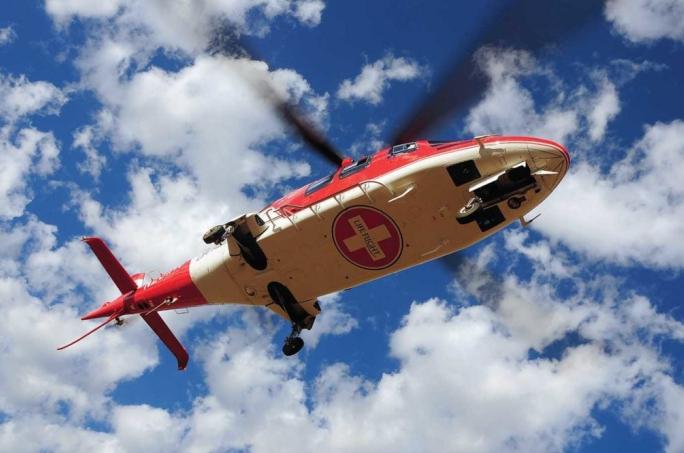
When we say Emergency Aircraft, we are usually talking about two main categories used in air medical transport: rotor-wing (helicopters) and fixed-wing (airplanes/jets). Clinical references describe air medical transport as using both aircraft types when ground transport is less effective—because of time, distance, terrain, or the patient’s clinical needs.
For families, the most helpful way to think about it is mission-first. The aircraft is chosen to match the patient’s condition, the distance, and the hospital network. A short hop from an accident scene to a trauma center is a different task than an international repatriation with oxygen support and continuous monitoring.
2) Emergency Aircraft Types: Helicopter Vs. Fixed-Wing
Helicopters: Fast Access When Roads Or Time Work Against You
Helicopters are often selected when access is difficult or when minutes matter in getting the patient to definitive care. They can land closer to the scene or a hospital helipad, reducing ground transfers. In practice, helicopter cruising speeds are commonly around 130 knots (about 150 mph) in medical helicopter service operations.
Helicopters are not “better” than airplanes. They are simply better for certain routes and scenarios—especially short-range, rapid access missions.
Fixed-Wing Aircraft: Efficient for Longer Distances and Hospital Transfers
Fixed-wing Emergency Aircraft (turboprops and jets) are commonly used for longer transfers, including intercity or international missions. Many operators use fixed-wing for longer distances (for example, over 150 miles is a commonly cited threshold in industry explanations), because they can fly faster and carry more equipment—while requiring airports rather than helipads.
In real planning, the deciding factor is not only miles. It is also runway access, weather, patient stability, and what level of clinical care must be provided continuously in flight.
3) Missions Families Commonly Face: What Each One Requires
Critical Time Transfers (Trauma, Stroke, Cardiac Events)
Some transfers are about reaching a capability—trauma surgery, stroke intervention, cardiac catheterization—that may not exist at the current facility. In these missions, we build a route and staffing plan to minimize “handoff time” between ambulances, airports, and receiving teams.
• Direct coordination with the receiving hospital bed/ICU team
• Aircraft selection that matches distance and urgency
• Medical configuration aligned to oxygen, ventilation, and monitoring needs
Hospital-to-Hospital ICU Transport
A patient may be stable enough for transfer but still needs ICU-level monitoring. This is common for complex cases that require specialist centers. The key is not speed alone—it is continuity of care. Families often assume the aircraft is the biggest factor, but in reality, the system matters more: medical crew readiness, documentation, medication planning, and clear clinical handover.
4) Key Capabilities That Actually Matter in An Emergency Aircraft
This is where families can make better decisions by focusing on capabilities—not marketing words.
Speed and Range (For Route Reality)
A practical way to compare options is: How far can the aircraft go comfortably, and how quickly, without creating extra transfers? For example, a commonly used turboprop platform such as a King Air B200 is often listed with cruising speeds around 255 knots (about 485 km/h) and a range around 1900 km (about 1100 NM) in medical aviation fleet specifications.
For longer missions, light jets used in many medevac roles can cruise much faster. A Learjet 35A is published with a maximum cruise speed around 518 knots and a range up to 2,789 nautical miles (specs vary by configuration and conditions).
Cabin Space and Medical Fit-Out (for Patient Stability)
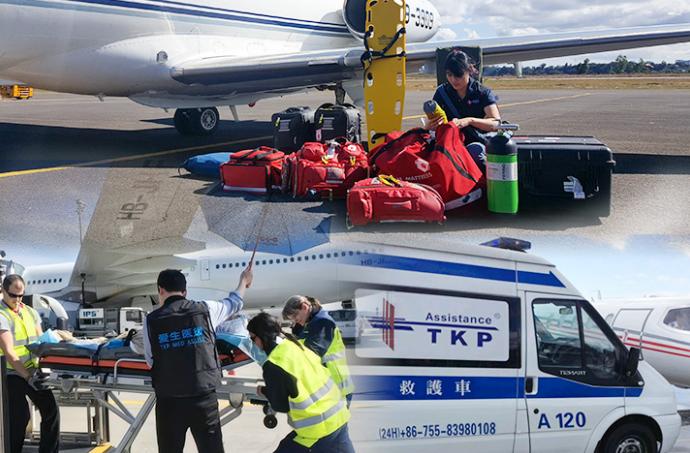
The cabin is not “just a seat.” For medical transport, it must accommodate patient positioning, equipment mounting, safe power supply, and clinician access. A good plan checks whether the cabin layout supports the patient’s condition: airway access, suction, oxygen delivery, and the ability to manage sudden changes without delay.
• Patient access from both sides where possible
• Secure mounting for monitors and pumps
• Oxygen planning for distance + clinical demand
5) How TKP Medical Assistance Plans a Safe Mission Step By Step
Families are often surprised that planning starts before the aircraft is confirmed. At TKP Medical Assistance, we treat the aircraft as one component of a complete pathway.
• Case Intake: diagnosis summary, stability, oxygen/ventilation needs, and mobility limits
• Route Design: airport/helipad access, ground ambulance legs, weather constraints, alternates
• Clinical Staffing: match crew level to risk (monitoring, airway, medication complexity)
• Receiving Coordination: confirm bed availability, specialty team, and acceptance timing
• Family Support: explain the plan in plain language, set expectations, and keep updates clear
This is also where we prevent common problems: overestimating speed, underestimating transfer time, or choosing an aircraft that forces unnecessary handoffs.
6) What Families Should Ask Before Approving an Emergency Aircraft Transfer
To protect your loved one and your budget, focus on questions that reveal operational readiness and clinical fit.
• What is the medical team composition, and what care level can they provide in flight?
• What is the door-to-door plan (ground legs + airport transfers + receiving handover)?
• What aircraft type is proposed, and why does it fit this distance and condition?
• How is oxygen and power planned for the full route (including delays/alternates)?
• What documentation is required for admission and continuity of treatment?
CTA (Call-to-Action):
If you need guidance on an Emergency Aircraft transfer—regional or long distance—reach out to TKP Medical Assistance with the patient’s current site, medical status summary, and preferred destination hospital. We will propose a practical rotor-wing or fixed-wing option, organize the transfer pathway, and present a clear plan that supports safe decision-making.
Submit Your Request
Recent Posts


Tags
- Air Ambulance
- Bedside To Bedside
- Cross Border Aid
- Emergency Evacuation
- Global Medical Rescue
- How can I ensure the patient's stability while in the air?
- How do I request an air medical transport?
- How is it different from an air ambulance
- how to activate emergency aircraft service
- how to request an air ambulance
- Is air medical transport safe
- Is international transport possible
- Medical Rescue
- Medical Transport
- Patient Repatriation
- Remote Rescue
- Seamless Coordination
- Telemedicine Support
- Tourists And Expats Medical Escort
- What are the benefits of a cross-border medical transfer
- What are the different types of transfers
- What are typical use cases
- What documents do I need to prepare for a transfer?
- What does high-speed rail patient transfer stands for
- What is air ambulance
- What is air medical transport?
- What is cross-border medical transfer
- What is emergency aircraft
- what is high-speed rail patient transfer
- What is medical charter flight
- what is neonatal ICU transfer
- What is patient air transfer
- What medical equipment is available on board the aircraft
- What situations shouldn't use air medical transport?
- What types of air ambulance are there?
- What types of air ambulance exist
- What's the difference between international and domestic transfers?
- what’s the difference between air medical transport and regular ambulance?
- When is emergency air transport necessary
- Which patients require air medical transport?
- who is included in the medical team
- who needs an air ambulance