


What A Flight Stretcher Includes: Medical Escort Support And Onboard Setup


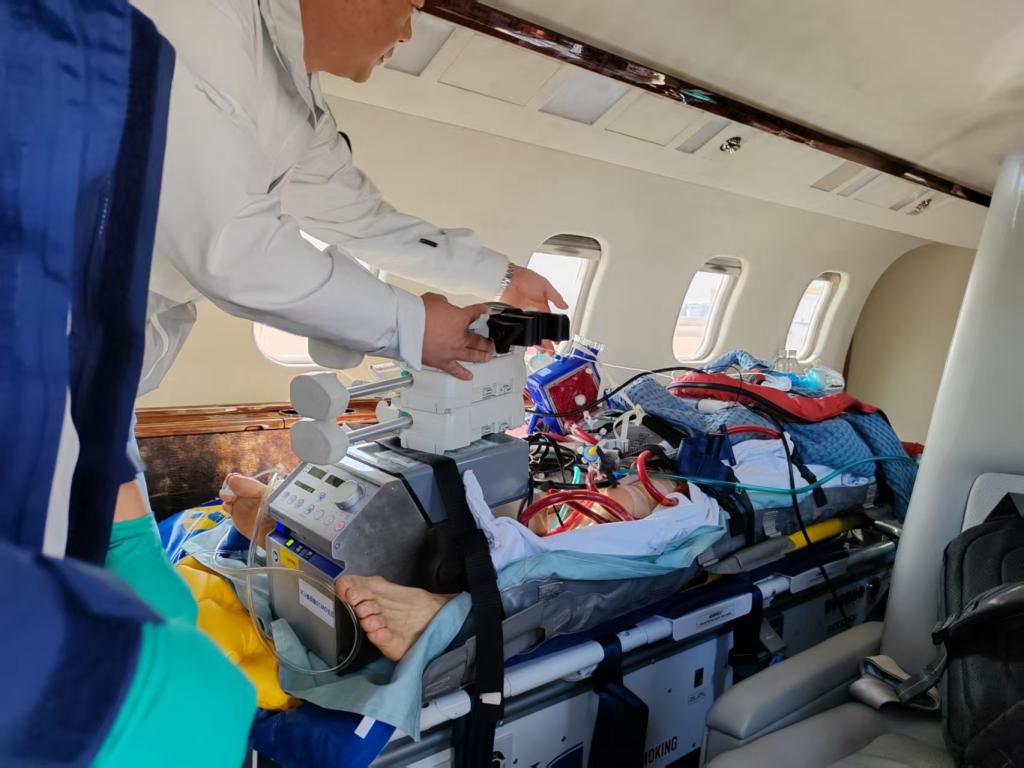
Flight Stretcher service is a practical way to move a bedridden patient on a commercial flight with airline approval, medical escort support, and an onboard lie-flat setup provided inside the cabin.
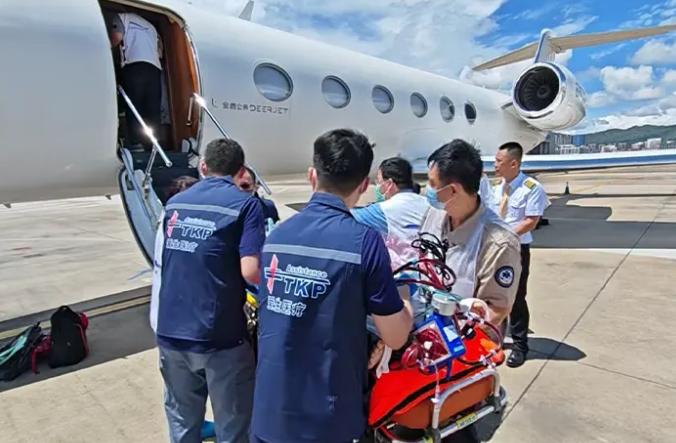
1) What a Flight Stretcher Really Is (And What It Is Not)
A Flight Stretcher is not a private jet, and it is not an ICU in the sky. It is a managed medical travel solution that uses a scheduled airline flight, then adapts a section of the cabin so the patient can remain lying down from takeoff to landing. In many cases, the airline blocks and reconfigures part of economy class to create space for the stretcher platform—often by removing or blocking multiple seats. Industry examples commonly describe about 6–9 seats being used to create the stretcher area, while other operators describe 6–12 seats depending on aircraft and airline rules.
From TKP Medical Assistance’s perspective, the key idea is simple: the Flight Stretcher option is designed for patients who are medically stable but cannot sit upright safely for long periods, or cannot meet takeoff/landing posture requirements without lying flat. It becomes a cost-smart alternative when air ambulance is not medically necessary, yet ground-only transport is too slow or physically stressful for the patient.
2) What‘s Included in the Onboard Setup
The onboard setup is the part families usually worry about most, because it affects dignity, comfort, and safety. While exact details vary by airline, a typical Flight Stretcher arrangement is built around three practical elements: space, securing, and privacy.
•Dedicated cabin space created by blocked seats (often several seats across one area) to fit a stretcher platform
•Safety restraints and stable positioning to keep the patient secure during turbulence and critical phases of flight
•A privacy solution (commonly described as curtains or partitioning in some commercial stretcher services) to reduce stress for the patient and other passengers
In real operations, “setup” is not only what you see on the aircraft. It also includes the planning that makes the cabin arrangement possible: choosing an airline and route that can support a Flight Stretcher request, coordinating with the airline’s medical desk, and ensuring ground handling is aligned with boarding and transfer steps.
At TKP Medical Assistance, we treat the onboard setup as a full journey design—not a single piece of equipment—so the patient experience stays consistent across airport arrival, boarding, inflight time, and arrival transfer.
3) Medical Escort Support: What the Escort Actually Does
Medical escort support is what turns a Flight Stretcher booking into a supervised medical journey. A medical escort generally means a licensed healthcare specialist who accompanies the patient on a commercial flight, helping maintain stability with monitoring and essential medical support.
In practice, escort responsibilities usually include:
•Pre-flight assessment alignment (reviewing the patient’s status and travel risks with the family and medical team)
•In-flight monitoring (watching comfort, breathing, and stability, and responding early if symptoms change)
•Basic care support such as hygiene assistance, medication timing, and oxygen oversight when needed
Families often ask, “What equipment will the escort bring?” It depends on the case and airline approvals, but common examples in medical escort services include oxygen, basic monitoring devices, and standard emergency readiness items.
What matters most is not the equipment list on paper, but whether the escort plan matches the patient’s real needs and the limits of a commercial cabin environment.
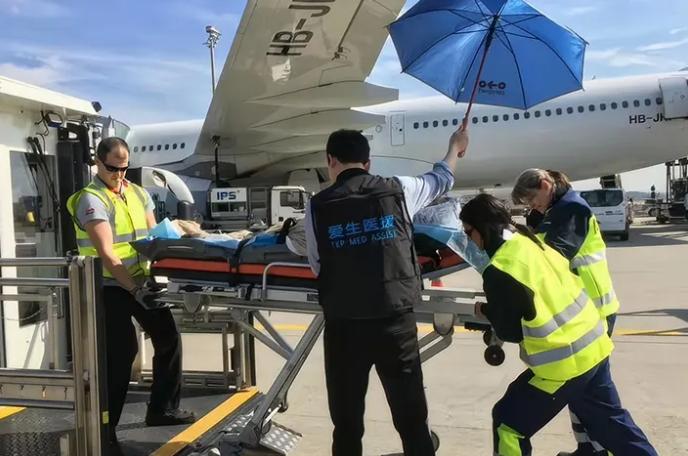
4) Airline Approval and Medical Forms: The Step Families Can‘t Skip
A Flight Stretcher is always conditional on airline medical clearance. Airlines generally require a medical information process so they can confirm fitness to fly and determine what onboard assistance is needed (including stretcher, oxygen, or medical escort). Many airlines use the MEDIF (Medical Information Form), commonly described as an IATA-approved format or aligned with IATA practice.
Some airline medical assistance forms explicitly list “stretcher” and ask about escort type (physician vs nurse/paramedic), which shows how directly airlines link stretcher approval with supervision requirements.
From a family education standpoint, the most helpful mindset is this: airline approval is not “red tape.” It is part of safety. It protects your loved one, and it ensures the crew and ground team know what to expect. When TKP Medical Assistance coordinates a Flight Stretcher case, our job is to reduce delays by preparing the right clinical summary, aligning the escort plan, and matching the route to an airline that can support the request.
5) What Families Should Prepare Before TKP Starts Coordination
You do not need to be medical experts to help the process. You just need to provide clear, practical information early. This prevents back-and-forth and lowers the risk of last-minute route changes.
•Recent medical summary (diagnosis, stability notes, key risks for flying)
•Mobility status (can the patient sit briefly, or must remain fully supine)
•Required support level (nurse/paramedic vs physician, based on clinical advice)
•Any known inflight needs (oxygen requirement, monitoring expectations)
•Destination plan (who receives the patient, and what ground transport is arranged)
A calm but honest note: commercial Flight Stretcher travel is built for stable patients. If a patient is highly unstable or time-critical, this option may not be appropriate because coordination and approvals can take time, and the cabin environment has limits compared with an air ambulance.
This is exactly why TKP Medical Assistance starts with fit-to-fly screening and route logic, before anyone commits to dates.
6) CTA: Plan a Flight Stretcher Journey With Clear Steps
If your family is considering a Flight Stretcher for cross-border or domestic travel, the best next step is a structured evaluation—not guesswork. At TKP Medical Assistance, we guide families through Flight Stretcher planning by confirming commercial eligibility, preparing airline medical clearance, and selecting the right medical escort support for the full journey.
•Share the patient’s current condition and “must-lie-flat” needs
•Tell us your origin, destination, and preferred travel window
•We will outline a practical route plan, escort scope, and onboard setup process based on airline approval requirements
Contact TKP Medical Assistance to start a Flight Stretcher assessment and receive a clear, family-friendly plan that prioritizes safety, dignity, and onboard stability.
Submit Your Request
Recent Posts
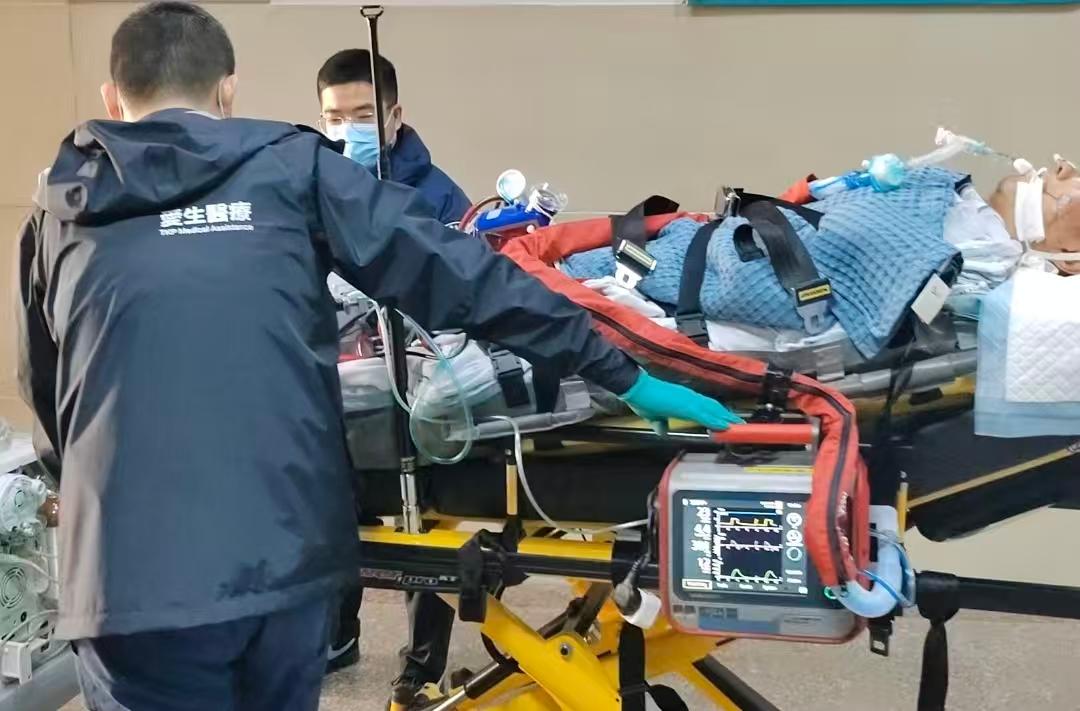
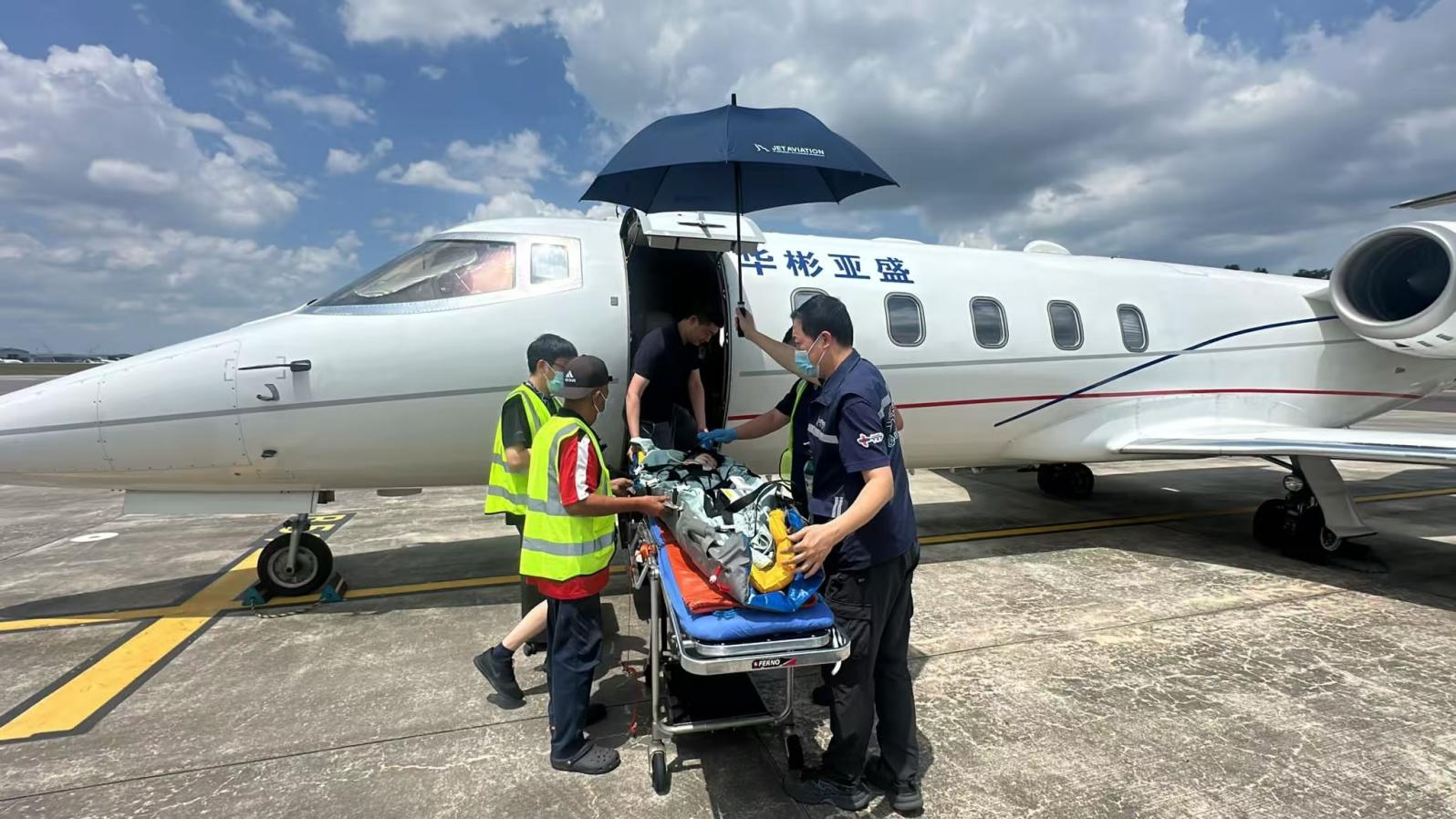
Tags
- Air Ambulance
- Bedside To Bedside
- Cross Border Aid
- Emergency Evacuation
- Global Medical Rescue
- How can I ensure the patient's stability while in the air?
- How do I request an air medical transport?
- How is it different from an air ambulance
- how to activate emergency aircraft service
- how to request an air ambulance
- Is air medical transport safe
- Is international transport possible
- Medical Rescue
- Medical Transport
- Patient Repatriation
- Remote Rescue
- Seamless Coordination
- Telemedicine Support
- Tourists And Expats Medical Escort
- What are the benefits of a cross-border medical transfer
- What are the different types of transfers
- What are typical use cases
- What documents do I need to prepare for a transfer?
- What does high-speed rail patient transfer stands for
- What is air ambulance
- What is air medical transport?
- What is cross-border medical transfer
- What is emergency aircraft
- what is high-speed rail patient transfer
- What is medical charter flight
- what is neonatal ICU transfer
- What is patient air transfer
- What medical equipment is available on board the aircraft
- What situations shouldn't use air medical transport?
- What types of air ambulance are there?
- What types of air ambulance exist
- What's the difference between international and domestic transfers?
- what’s the difference between air medical transport and regular ambulance?
- When is emergency air transport necessary
- Which patients require air medical transport?
- who is included in the medical team
- who needs an air ambulance