


Medical Evacuation Flights: Advanced In-Flight Equipment Protects Fragile Patients


Medical Evacuation Flights are often judged by speed, but for many families, the real question is more serious: can the patient stay medically protected from departure to hospital handover?
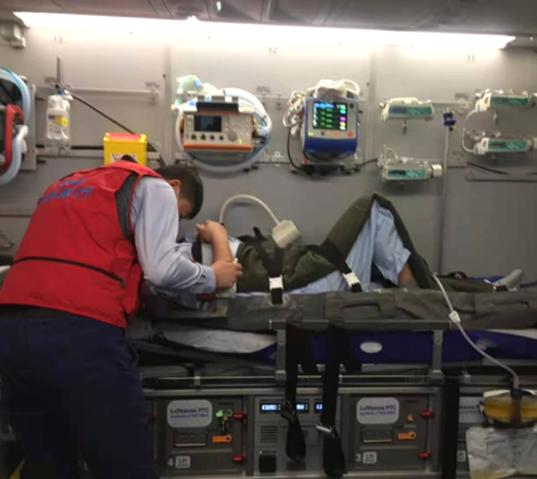
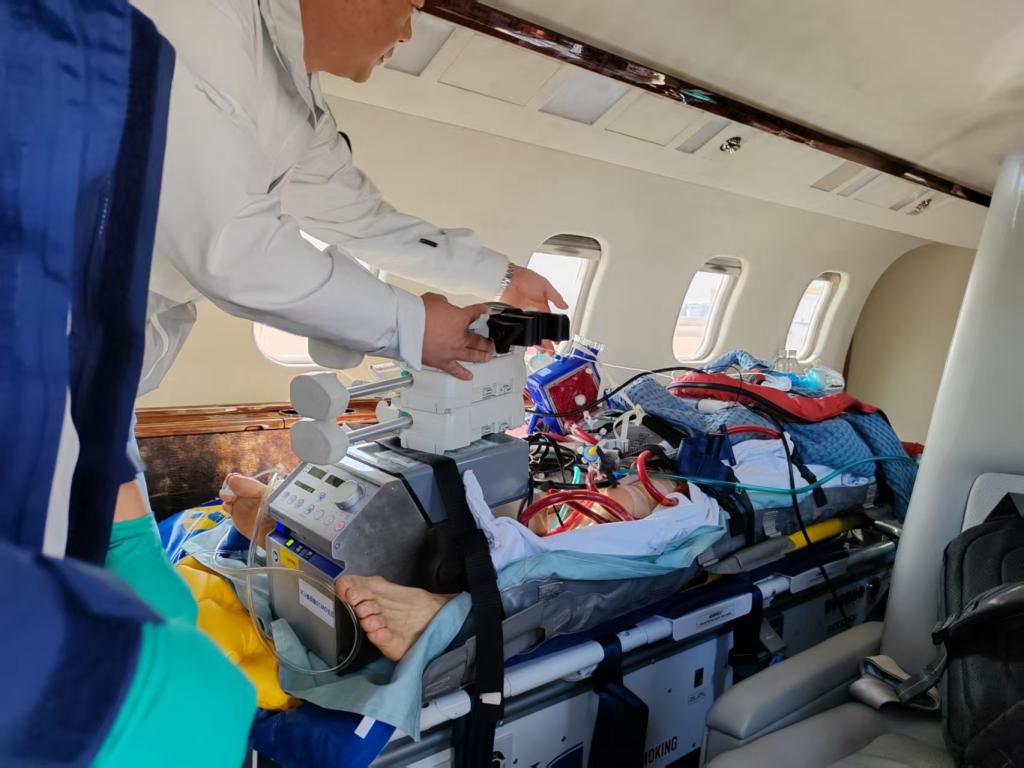
For patients who need oxygen therapy, ventilatory support, continuous monitoring, or even ECMO backup, the difference between a basic transfer and a properly equipped medical evacuation mission can be the difference between a manageable journey and a dangerous one. That is where TKP Medical Assistance brings clear value. Its Medical Evacuation Flights are designed around portable advanced life support capability, aviation-suitable ICU equipment, and a mission structure that can adapt to adult and pediatric needs.
The Stress Families Feel First
When a patient must cross cities or borders for treatment, repatriation, or specialist admission, the family is usually overwhelmed by one practical fear: what happens if the patient becomes unstable in the air or during ground transfer?
This concern is especially important in cases involving:
• Respiratory compromise
• Cardiac instability
• Neurological injury
• Pediatric critical care
• Post-surgical transfer
• High-dependency patients who are stable now, but still fragile
A routine travel arrangement cannot solve that problem. Even many standard medical escort models are not built for patients who may need multi-parameter monitoring, controlled oxygen delivery, ventilator management, or emergency escalation during transit.
Advanced Equipment Changes What a Flight Can Safely Do
The strongest Medical Evacuation Flights are not defined by aircraft alone. They are defined by whether the care environment can travel with the patient.
TKP Medical Assistance addresses this need by equipping missions with transport-ready medical systems such as:
• Portable ALS or ACLS capability
• ICU-grade monitoring devices
• Oxygen delivery systems
• Ventilators for patients needing respiratory support
• ECMO support when the mission requires it
• Configurations suitable for both adult and pediatric patients
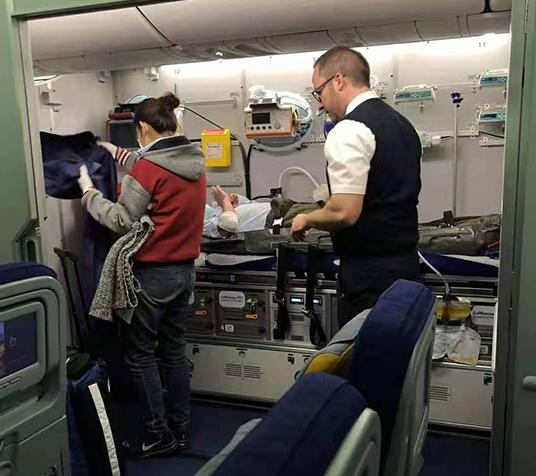
This matters because fragile patients do not pause their medical needs during transport. Their oxygenation, circulation, airway status, and vital signs still need to be observed and managed continuously. A well-equipped transfer reduces the risk that the aircraft journey becomes a gap in care.
The FAA’s air ambulance guidance reflects the same operational reality. It notes that aircraft and transport programs must account for installed and carry-on medical equipment used for patient monitoring and care during transport, including compatibility and testing considerations. In short, serious medical transport depends on more than bringing devices onboard. The equipment must be appropriate for aviation use and integrated into a safe transport system.
Why This Theme Matches Today‘s Medical Transfer Needs
Global healthcare systems are placing more attention on continuity, coordination, and safer transitions between care settings.
That trend matters for families because international patient movement is becoming more complex, not less. Patients are increasingly transferred for:
• Access to higher-level specialists
• Cross-border surgery or cancer care
• Repatriation after stabilization abroad
• ICU step-down movement between countries
• Urgent relocation from limited-resource environments
In all of these cases, families are not simply buying a flight. They are choosing a provider that can preserve clinical safety while conditions, airports, and transport segments change.
By focusing on advanced portable ICU and life-support capability, TKP Medical Assistance aligns with this market direction. It supports the growing expectation that a transport provider must do more than arrange logistics. It must deliver continuous medical readiness across the full journey.
Equipment Alone Is Not Enough
Families should also understand an important truth: advanced devices only create value when the mission is built around them properly.
A safer medical evacuation model usually includes:
• Pre-transfer clinical assessment
• Equipment matched to diagnosis and risk level
• Real-time monitoring during flight
• Coordination with sending and receiving hospitals
• Ground-to-air-to-ground continuity
• Contingency planning if the route or patient status changes
WHO’s patient handover guidance stresses that communication failures during transitions can harm patients, especially when current condition, recent changes, treatment status, and possible complications are not communicated clearly. That is why professional medical transport must combine equipment with disciplined coordination.
This is another reason TKP Medical Assistance can be presented as a modern provider rather than a simple transport broker. Its service logic is built around both medical capability and operational continuity.
What Families Usually Want to Know
For patient families reading about Medical Evacuation Flights, the most common questions are practical, not technical:
• Can My Family Member Be Monitored Like In A Hospital During Transfer?
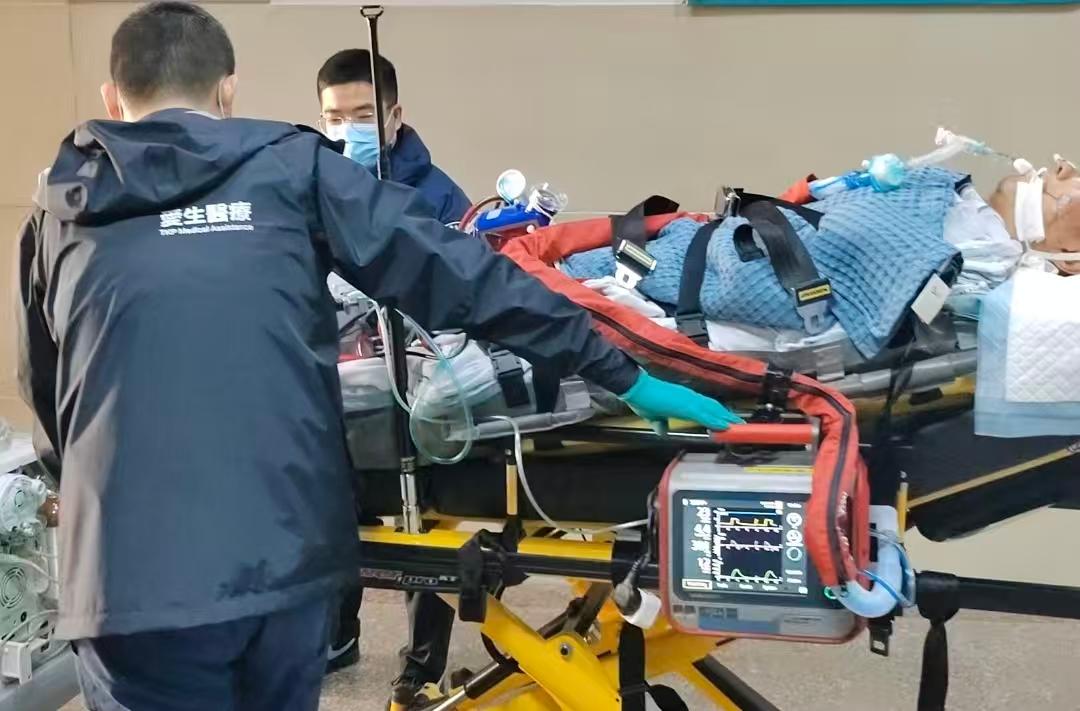
In many serious cases, that is exactly the goal. TKP Medical Assistance uses transport-ready monitoring and life-support equipment so vulnerable patients can remain under active medical observation rather than passive supervision.
• What If Oxygen Or Ventilator Support Is Needed?
This is where an advanced equipment model becomes essential. A properly planned mission can include oxygen supply and ventilator support matched to the patient’s condition, instead of relying on ordinary travel arrangements that were never designed for high-acuity care.
• Is this Only for Adults?
No. TKP’s equipment configuration can be set to either adult or pediatric patients, which is critical as children often have different transport considerations and monitoring thresholds.
• What If The Patient Is Extremely Critical?
For the most demanding cases, support such as ECMO may be required. Not every provider can organize this level of transport. When such capability is available, it significantly expands what can be transferred more safely across long distances.
A Better Way to Explain TKP Medical Assistance
The best way to position TKP Medical Assistance is not to say that it simply offers Medical Evacuation Flights. A stronger and more credible message is this:
TKP Medical Assistance provides Medical Evacuation Flights built around aviation-certified advanced medical equipment, continuous monitoring, and transfer coordination designed for patients who cannot tolerate an ordinary journey.
That message fits what families actually care about. They are not looking for impressive aviation language. They are looking for reassurance that the patient will remain protected when every hour, every handover, and every clinical detail matters.
Final Thought
Medical Evacuation Flights create real value when they close the gap between location and treatment without opening a new gap in patient safety.
That is why advanced in-flight equipment is such a powerful theme. It directly addresses the hardest question families face: can care continue even while the patient is moving?
For medically fragile patients, that answer needs to be yes. And that is exactly the kind of service standard TKP Medical Assistance is built to support.
Submit Your Request
Recent Posts
Tags
- Air Ambulance
- Bedside To Bedside
- Cross Border Aid
- Emergency Evacuation
- Global Medical Rescue
- How can I ensure the patient's stability while in the air?
- How do I request an air medical transport?
- How is it different from an air ambulance
- how to activate emergency aircraft service
- how to request an air ambulance
- Is air medical transport safe
- Is international transport possible
- Medical Rescue
- Medical Transport
- Patient Repatriation
- Remote Rescue
- Seamless Coordination
- Telemedicine Support
- Tourists And Expats Medical Escort
- What are the benefits of a cross-border medical transfer
- What are the different types of transfers
- What are typical use cases
- What documents do I need to prepare for a transfer?
- What does high-speed rail patient transfer stands for
- What is air ambulance
- What is air medical transport?
- What is cross-border medical transfer
- What is emergency aircraft
- what is high-speed rail patient transfer
- What is medical charter flight
- what is neonatal ICU transfer
- What is patient air transfer
- What medical equipment is available on board the aircraft
- What situations shouldn't use air medical transport?
- What types of air ambulance are there?
- What types of air ambulance exist
- What's the difference between international and domestic transfers?
- what’s the difference between air medical transport and regular ambulance?
- When is emergency air transport necessary
- Which patients require air medical transport?
- who is included in the medical team
- who needs an air ambulance