


Specialized Medical Air Services: Smarter Route Planning Brings Families Greater Peace Of Mind


Specialized Medical Air Services matter most when families need more than a flight. They need a transfer route that can support safe, continuous care from pickup to hospital handover. In international cases, the real challenge is often not the diagnosis, but the route itself: airport access, possible changes, handover coordination, and delay control.
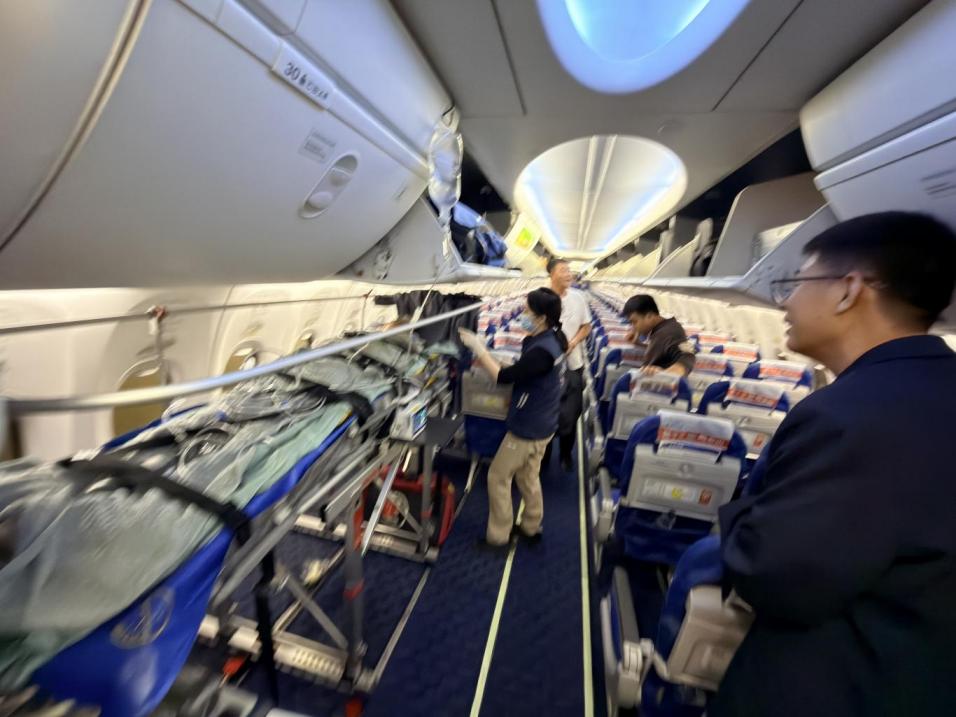
TKP Medical Assistance addresses this with flexible route planning and continuous clinical coordination, helping families manage complex transfers more safely and with greater clarity.
The Real Challenge Is Not Distance, But Transfer Complexity
When a patient needs cross-border movement, families often assume the main challenge is long-distance flying. In reality, the larger risk is fragmentation.
A transfer can involve:
• Bedside assessment and stabilization
• Airport or airfield feasibility
• Medical equipment matching
• Ground-to-air coordination
• Travel documentation and approvals
• In-transit monitoring
• Final handover to the receiving team
If any link fails, the family feels it immediately. Delays increase stress. Communication gaps create uncertainty. A route that looks efficient on paper may not be the safest one for the patient.
WHO materials on patient handovers and interfacility transfer stress that documentation, communication, and coordination are central to patient safety, not secondary administrative tasks.
Why Flexible Route Planning Has Become a Decisive Feature
TKP Medical Assistance addresses this challenge through a Transfer Route Map designed for real-world medical logistics, not generic travel convenience.
Its route planning model includes:
• Dynamic scheduling based on patient condition and urgency
• Domestic and international coverage
• Access through strategically selected airports, including those with limited infrastructure
• Route optimization to reduce unnecessary travel burden
• Coordination with hospitals, embassies, and operational partners
• Real-time monitoring with route adjustment when conditions change
For families, this means the transfer plan can match the patient, rather than forcing the patient to fit a rigid itinerary.
That matters in today’s healthcare environment. IATA also maintains guidance around health, medical review, and travel documentation, reflecting how medically sensitive journeys require structured preparation rather than ordinary passenger handling.
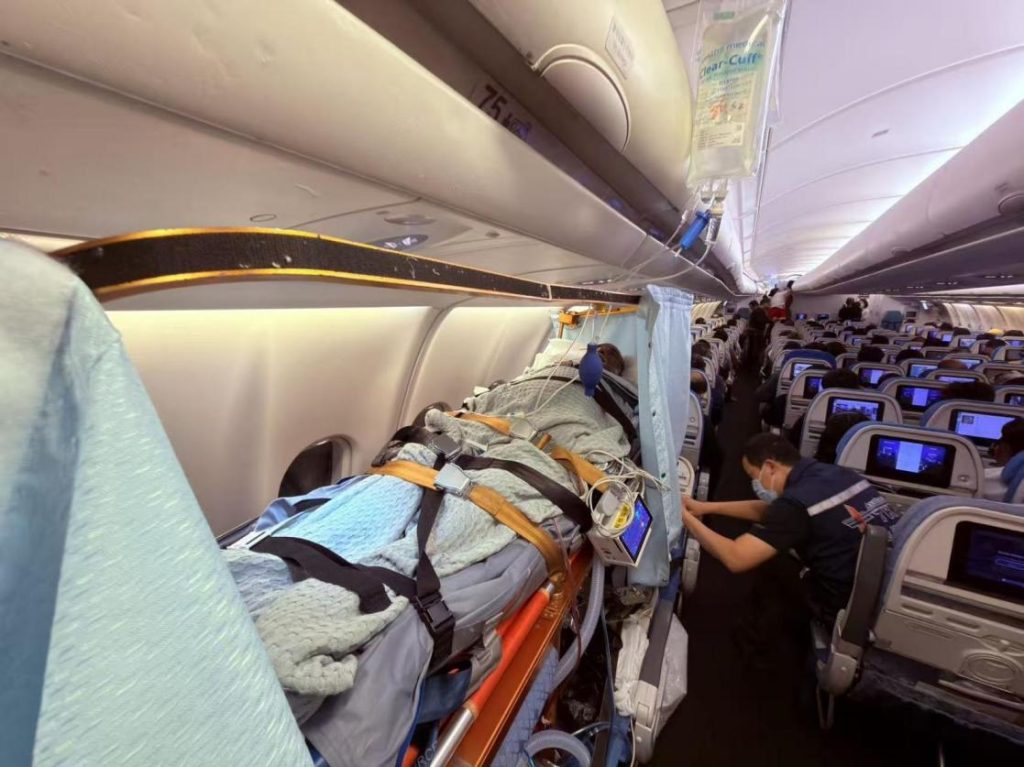
How TKP Medical Assistance Turns a Complex Transfer Into a Managed Process
A major reason families feel overwhelmed is that medical transport often appears opaque. TKP reduces that burden through a structured activation flow that gives each stage a clear purpose.
1. Inquiry And Data Capture
TKP’s 24/7 coordination center receives the case, collects patient information, schedule preferences, medical history, and insurance details, and makes sure the process starts with complete core data.
2. Clinical Review
A nurse or physician reviews the patient’s condition, treatment needs, and stability. This step helps determine the appropriate equipment, escort level, and transfer mode.
3. Route And Mode Planning
The team then evaluates air, ground, and rail combinations to build the most efficient and medically appropriate route. This is the time TKP’s routing flexibility is important.
4. Quotation, Consent, And Preauthorization
To avoid confusion, families are given a clear quotation while the approval and consent forms are completed.
5. Resource Activation
Upon approval, TKP activates flight nurses, medical escorts, critical care attendants, and specialized equipment.
6. Pickup, Transit, And Handover
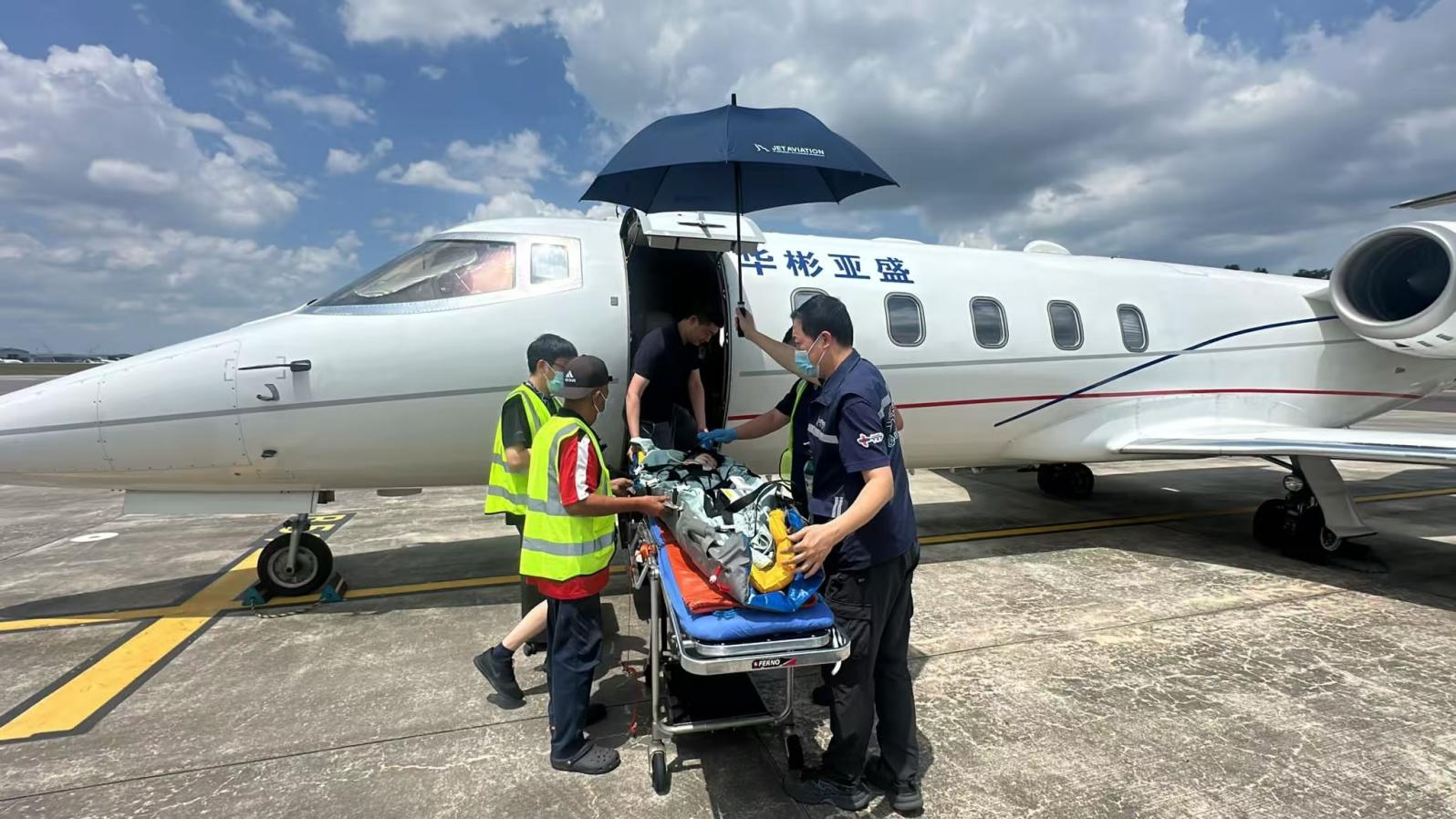
Service is designed to continuity from bedside pickup and in-transit monitoring to destination handover.
This kind of structured transfer pathway aligns well with WHO’s emphasis on checklists, handover quality, and continuity during referral and acute transfer.
Advanced Equipment Matters Only When It Fits The Mission
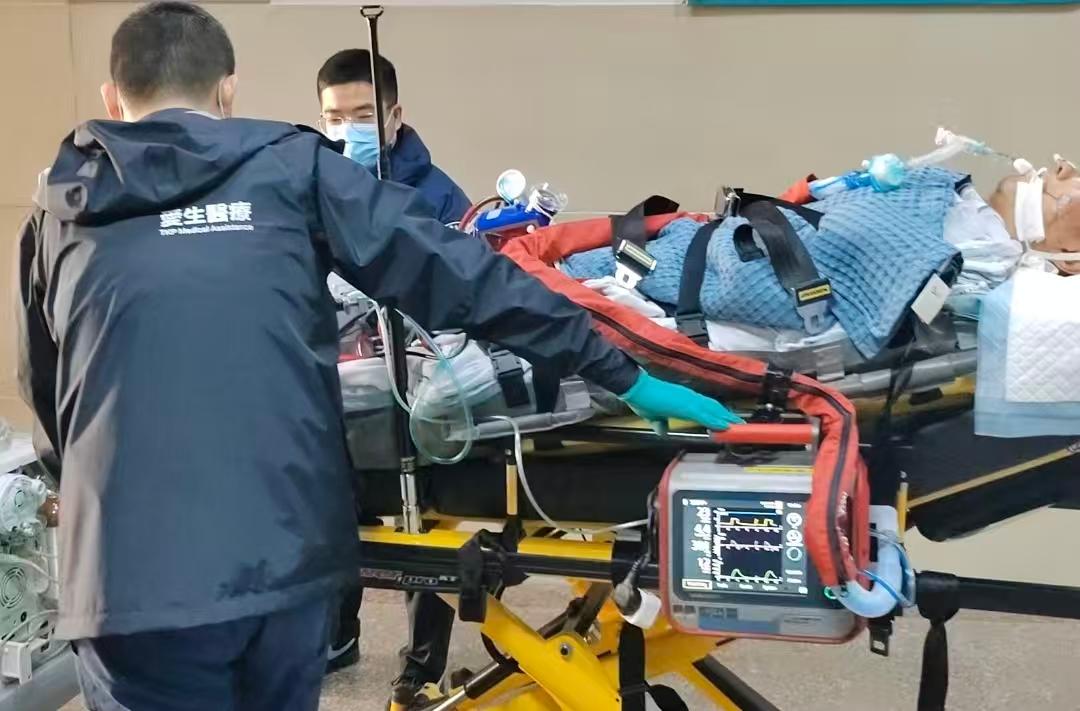
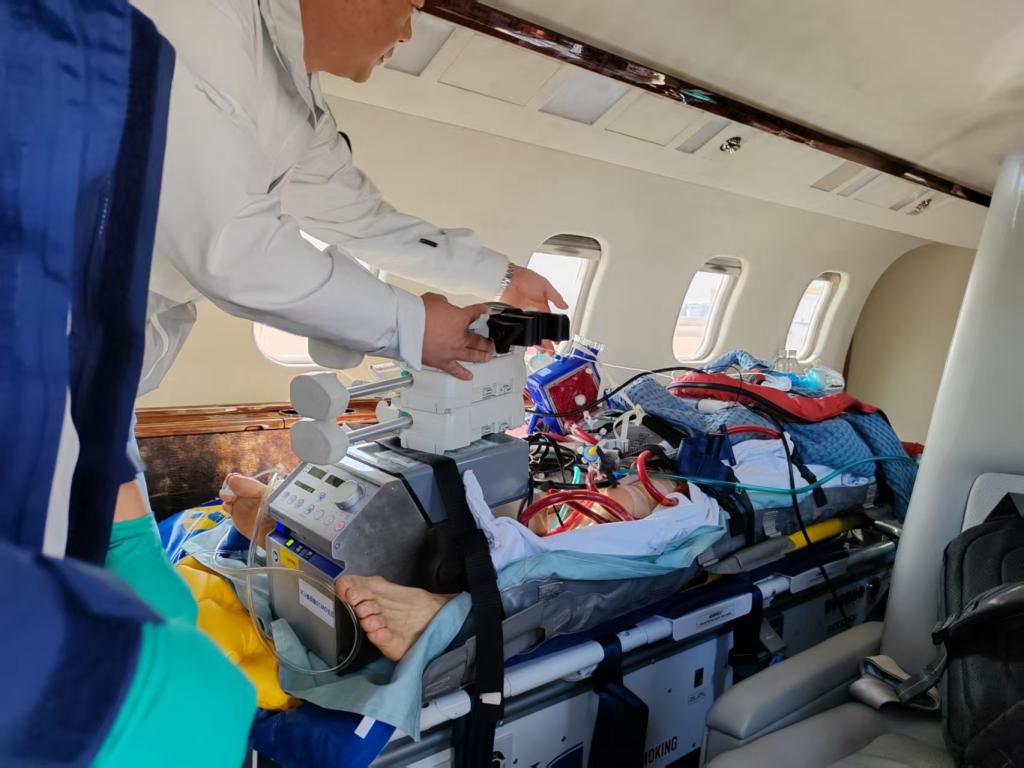
Another strength of TKP Medical Assistance is its mission-ready clinical setup. Each transfer can be equipped with portable ALS or ACLS systems, ICU transport monitors, oxygen, ventilators, and ECMO when required. Equipment is aviation-certified and adapted for both adult and pediatric cases.
That is important because families are not reassured by equipment lists alone. They want to know whether the equipment has been matched to the patient, tested before departure, and supported by trained staff throughout the journey.
TKP’s model connects equipment readiness with route planning and staffing. That makes the service feel less like transport procurement and more like an extension of supervised care.
A Provider Built For Modern Cross-Border Demand
Founded in 2001 and headquartered in Shenzhen, TKP Medical Assistance has more than 24 years of experience in cross-border medical evacuation and patient transfer. The company reports over 71,000 global consults, more than 10,000 handled cases, a 60+ member team, and a growing operational network supported by branch offices across major regions of China.
For families, scale matters when it improves response time and local coordination. In real-world terms, this translates to quicker activation, more routing alternatives, and enhanced assistance across various transfer points.
This is also how TKP stays aligned with current market expectations. Families and institutional clients increasingly want providers that can combine speed, transparency, clinical oversight, and route flexibility in one managed service. That shift reflects a broader healthcare trend: better outcomes depend not only on treatment, but also on safer transitions between care environments.
What Families Should Look for Before Choosing A Provider
When comparing providers, patient families should focus on a few practical questions:
• Can the route be adjusted for remote access or changing patient needs?
• Is there a formal clinical review before departure?
• Will one team coordinate hospitals, airports, and documents?
• Is advanced equipment available when medically required?
• Is destination handover treated as part of the service, not the end of the flight?
Those questions often reveal the difference between ordinary transport and true Specialized Medical Air Services.
Final Thought
For families under pressure, the most reassuring transfer is not always the fastest-looking one. It is the one that stays medically organized from beginning to end.
That is why TKP Medical Assistance stands out. By combining flexible route planning, structured activation, advanced onboard equipment, and coordinated handovers, the company delivers a model of Specialized Medical Air Services that fits the realities of modern cross-border care.
Submit Your Request
Recent Posts
Tags
- Air Ambulance
- Bedside To Bedside
- Cross Border Aid
- Emergency Evacuation
- Global Medical Rescue
- How can I ensure the patient's stability while in the air?
- How do I request an air medical transport?
- How is it different from an air ambulance
- how to activate emergency aircraft service
- how to request an air ambulance
- Is air medical transport safe
- Is international transport possible
- Medical Rescue
- Medical Transport
- Patient Repatriation
- Remote Rescue
- Seamless Coordination
- Telemedicine Support
- Tourists And Expats Medical Escort
- What are the benefits of a cross-border medical transfer
- What are the different types of transfers
- What are typical use cases
- What documents do I need to prepare for a transfer?
- What does high-speed rail patient transfer stands for
- What is air ambulance
- What is air medical transport?
- What is cross-border medical transfer
- What is emergency aircraft
- what is high-speed rail patient transfer
- What is medical charter flight
- what is neonatal ICU transfer
- What is patient air transfer
- What medical equipment is available on board the aircraft
- What situations shouldn't use air medical transport?
- What types of air ambulance are there?
- What types of air ambulance exist
- What's the difference between international and domestic transfers?
- what’s the difference between air medical transport and regular ambulance?
- When is emergency air transport necessary
- Which patients require air medical transport?
- who is included in the medical team
- who needs an air ambulance