


Aviation Stretcher For International Flights: A Trusted Option For Stable Patients Needing Extra Support


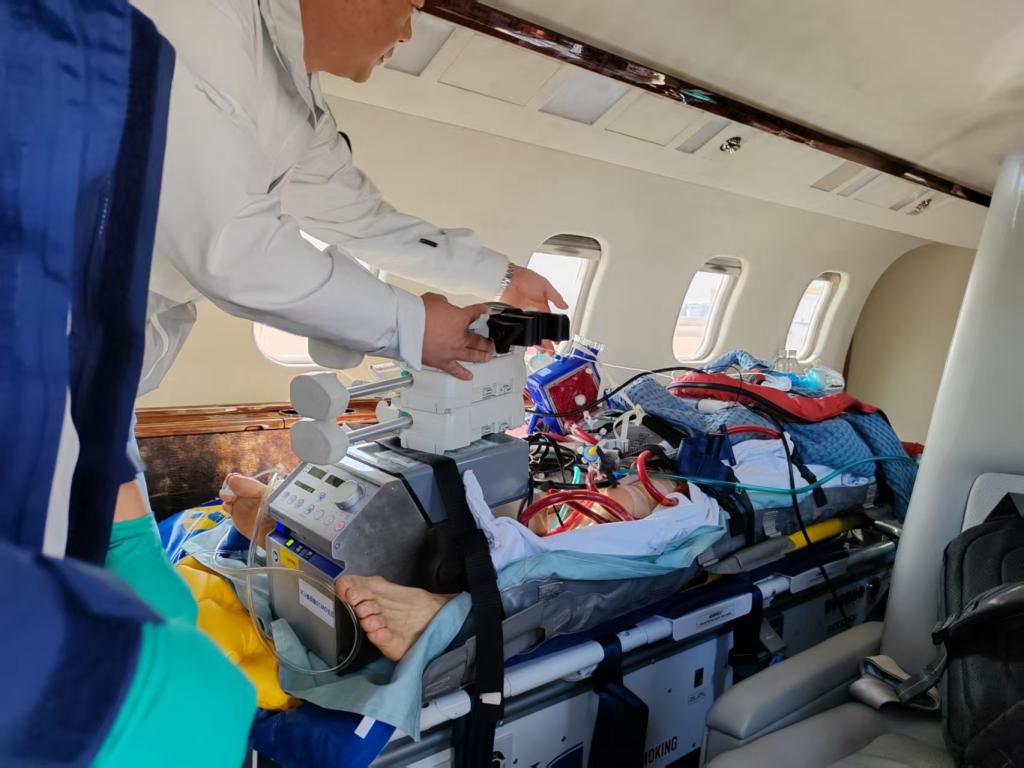
Aviation Stretcher For International Flights gives families a more practical way to move a bedridden but medically stable patient across borders when standard seating is not safe, yet a full air ambulance may be more than the case requires.
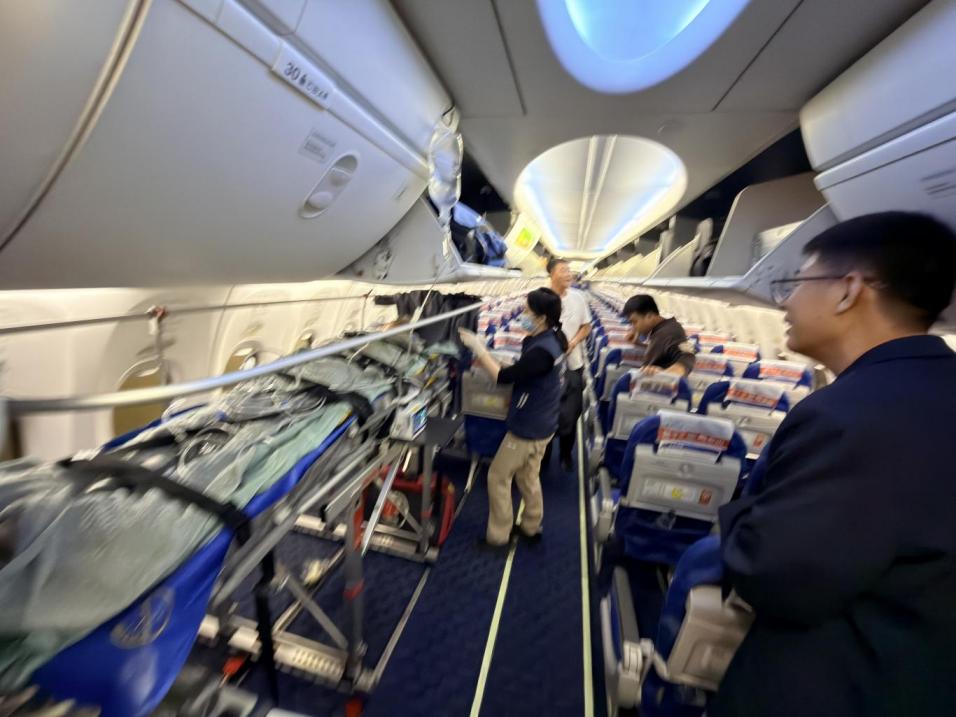
For many families, the hardest part is not deciding that a transfer is needed. It is understanding how to move a loved one safely without losing medical support, facing avoidable delays, or paying for a level of transport that may not be necessary. That is where TKP Medical Assistance creates real value. Its commercial stretcher service combines airline-approved stretcher arrangements, medical escort support, route planning, and ground ambulance coordination into one managed journey.
The Real Challenges for Families
When a patient cannot sit upright for a long flight, ordinary commercial travel often stops being realistic. At the same time, not every case needs a dedicated air ambulance. Families are often left between two difficult choices: an unsafe standard trip or a very high-cost charter option.
This gap matters because airlines usually require prior medical review for passengers whose condition could worsen during flight or who need special medical arrangements. Numerous carriers also request travel medical forms and prior travel clearance. For stretcher cases, some airlines limit routing and approval conditions even further.
That is why the strongest feature in this service category is not only the stretcher itself. It is coordinated approval and continuity from bedside to bedside.
Why Commercial Stretcher Transfer Is Still Highly Relevant
Healthcare systems today place more attention on safe transitions, handover quality, and continuity of care. The World Health Organization has long warned that poor communication during patient transfer can lead to medication errors, lost information, and care disruption. WHO materials on transitions of care also stress that transfer decisions should be clinically appropriate and supported by reliable coordination.
For families, that translates into a simple concern:
Will my loved one remain medically supported and properly handed over at every stage?
A well-run Aviation Stretcher For International Flights service answers that concern by connecting several moving parts:
• Airline medical clearance
• Fit-to-fly documentation
• In-flight medical escort
• Airport assistance
• Ground ambulance on departure and arrival
• Coordination with the receiving hospital or care team
This integrated approach is far more aligned with current patient transfer needs than treating transport as a basic flight booking.
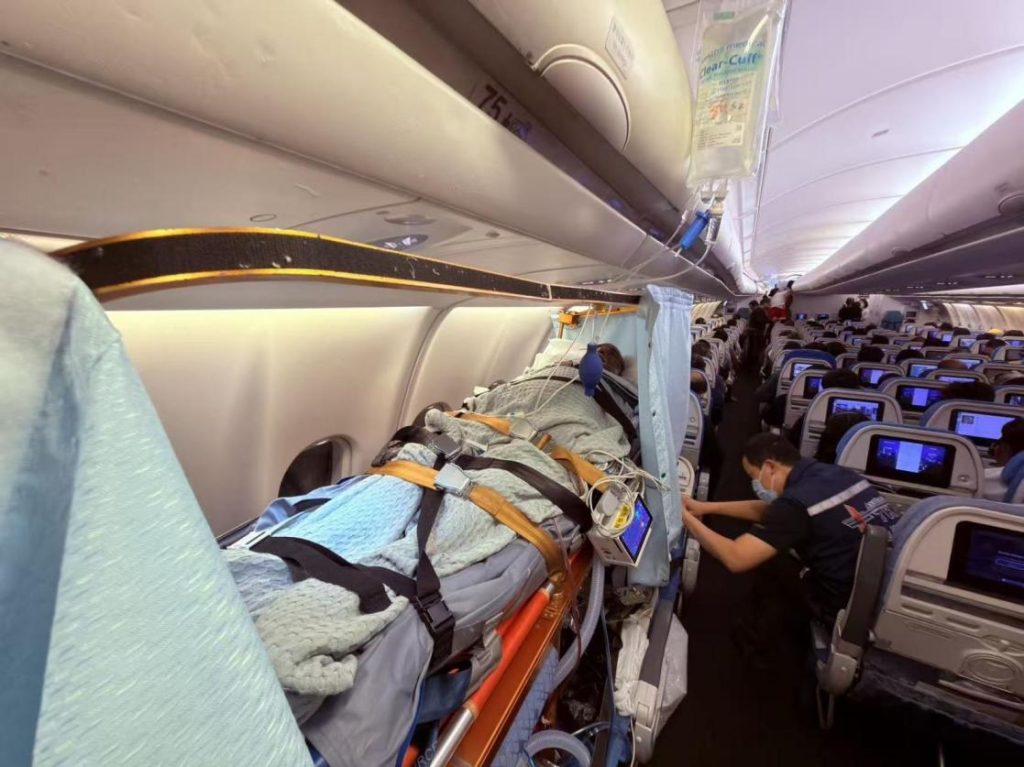
The TKP Medical Assistance Advantage
TKP Medical Assistance follows this modern service model by organizing commercial stretcher transfers as a managed medical journey rather than a single flight segment.
Its service is built around several strengths that families can understand quickly:
• Airline-Approved Stretcher Setups
Dedicated stretcher space is arranged on eligible commercial flights after airline approval.
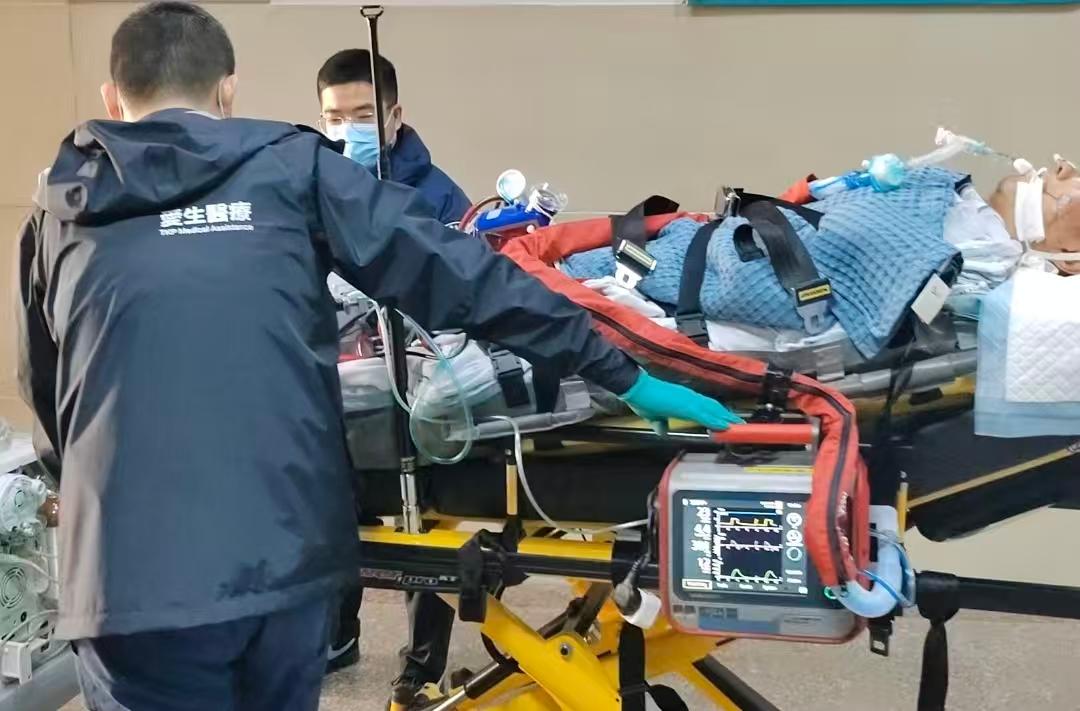
• Medical Escort Throughout The Journey
Patients travel with medical staff who monitor condition, support airway or respiratory needs when required, and help manage in-transit risk.
• Flexible International Route Planning
TKP plans routes based on urgency, patient stability, airport capability, and final hospital access rather than choosing flights on schedule alone.
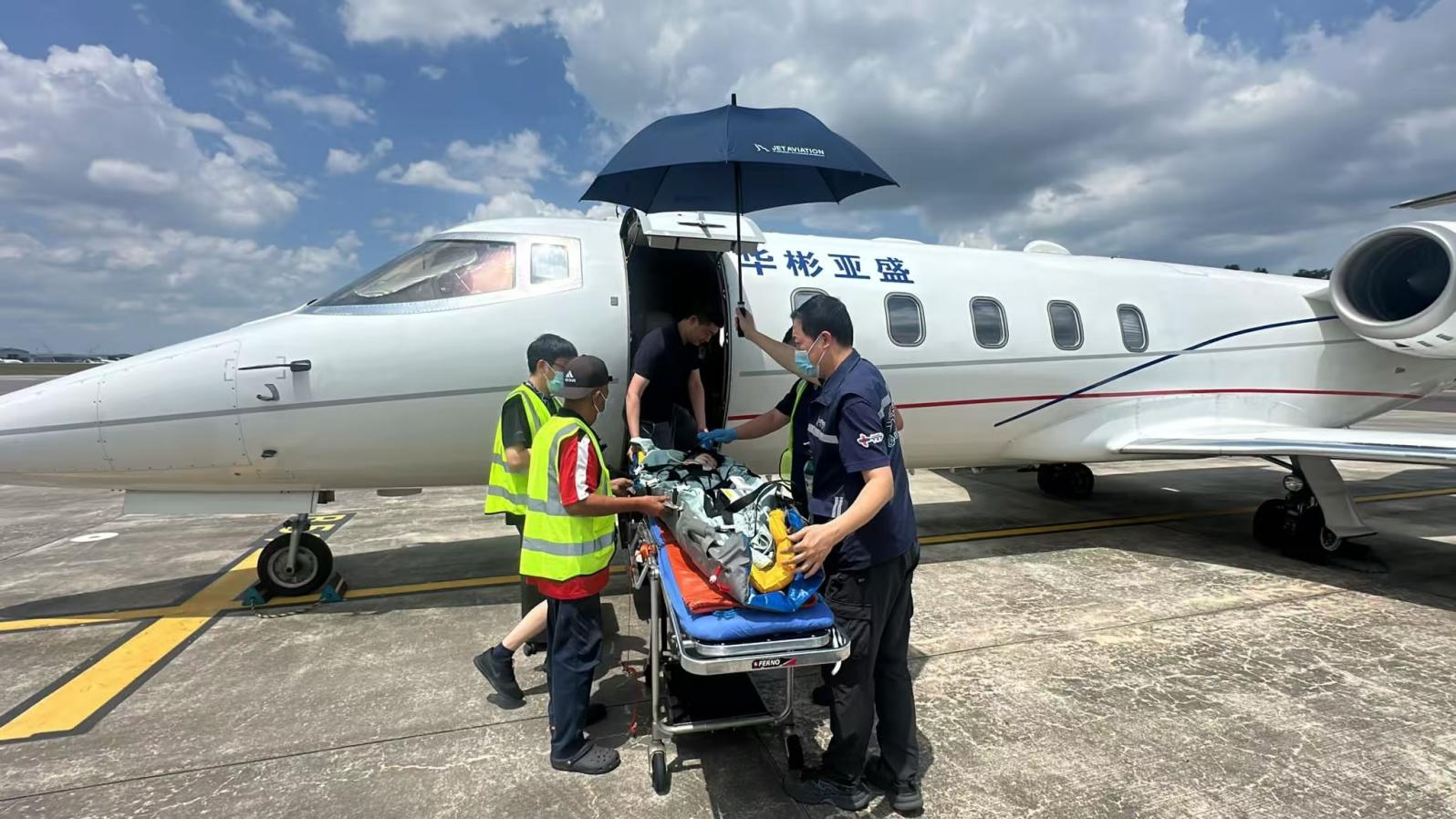
• Ground Ambulance Coordination
Airport-to-hospital and hospital-to-airport links are organized in advance so the patient is not left exposed during handover gaps.
• Real-Time Operational Oversight
Active monitoring allows route adjustments if delays, connection risks, or operational changes appear.
This matters because even strong airline medical approval is only one part of the process. Airlines themselves note that medical documentation may need to be submitted in advance and updated if the patient’s condition changes before departure.
A Route Example That Makes the Service Easy to Understand
One example is the Chengdu to Eastbourne transfer handled by TKP Medical Assistance.
• Route: Chengdu → Eastbourne
• Diagnosis: Post-spinal cord injury with tracheostomy and ventilator-assisted breathing
• Mode: Commercial flight stretcher service with ground ambulance coordination in Europe
This kind of case shows why careful routing matters. A patient with airway needs and assisted breathing support cannot be treated as a standard passenger. The journey depends on clinical assessment, airline acceptance, medical escort capability, and reliable ambulance coordination after landing.
For families, the lesson is clear: the safest cross-border move is usually the one that reduces weak links, not simply the one that departs fastest.
What Families Should Look For Before Booking
When comparing providers, families should focus on practical questions, not marketing language.
Look for a provider that can clearly explain:
• Whether the patient is suitable for commercial stretcher transport
• What medical documents are needed for airline approval
• Who manages communication with the airline and receiving side
• What happens if the route changes or a delay occurs
• How airport and ambulance handovers are protected
• Whether respiratory, tracheostomy, or monitoring needs can be supported in transit
These points are important because transfer safety depends heavily on documentation, communication, and preparation, not only transport hardware. Clinical literature and WHO guidance both emphasize that records, investigations, and handover communication are central to safe patient transfer.
A More Realistic Answer to Modern Cross-Border Care
Cross-border care is becoming more connected, but that does not make patient movement simple. Families still need an option that is medically responsible, internationally coordinated, and more cost-conscious than a full charter mission when the patient is stable enough for commercial transfer.
That is why Aviation Stretcher For International Flights remains an important solution. It fits the needs of many bedridden patients who require continuous support but do not necessarily need a dedicated air ambulance. With airline-approved stretcher arrangements, medical escorts, flexible route planning, and coordinated ground transport, TKP Medical Assistance offers a service model that matches today’s demand for safer transitions, better continuity, and more practical international patient movement.
Submit Your Request
Recent Posts
Tags
- Air Ambulance
- Bedside To Bedside
- Cross Border Aid
- Emergency Evacuation
- Global Medical Rescue
- How can I ensure the patient's stability while in the air?
- How do I request an air medical transport?
- How is it different from an air ambulance
- how to activate emergency aircraft service
- how to request an air ambulance
- Is air medical transport safe
- Is international transport possible
- Medical Rescue
- Medical Transport
- Patient Repatriation
- Remote Rescue
- Seamless Coordination
- Telemedicine Support
- Tourists And Expats Medical Escort
- What are the benefits of a cross-border medical transfer
- What are the different types of transfers
- What are typical use cases
- What documents do I need to prepare for a transfer?
- What does high-speed rail patient transfer stands for
- What is air ambulance
- What is air medical transport?
- What is cross-border medical transfer
- What is emergency aircraft
- what is high-speed rail patient transfer
- What is medical charter flight
- what is neonatal ICU transfer
- What is patient air transfer
- What medical equipment is available on board the aircraft
- What situations shouldn't use air medical transport?
- What types of air ambulance are there?
- What types of air ambulance exist
- What's the difference between international and domestic transfers?
- what’s the difference between air medical transport and regular ambulance?
- When is emergency air transport necessary
- Which patients require air medical transport?
- who is included in the medical team
- who needs an air ambulance