


Top 5 Injuries for Emergency Air Medical Transport: Golden Hour in Trauma, Stroke & Heart Attack


When a life-threatening condition strikes, every second counts. In many critical situations, ground ambulances are too slow – especially across long distances, mountainous terrain, or international borders. That is where Emergency Air Medical Transport becomes the thin line between survival and disability, or even death.
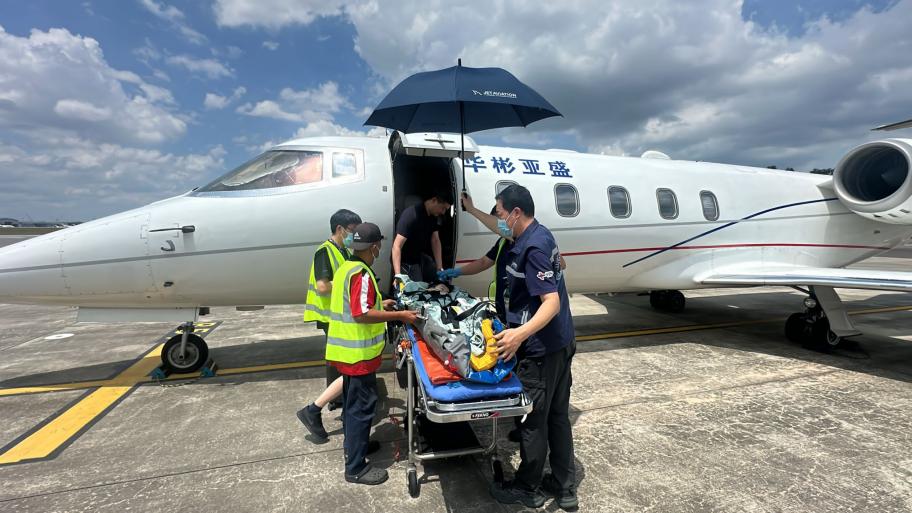
Certain injuries and acute illnesses have an extremely narrow window for definitive treatment. Missing that window can cause irreversible brain damage, organ failure, or fatal outcomes.
Below, we break down the most common medical emergencies that demand Global Medical Evacuation – and why choosing an experienced partner like TKP Medical Assistance can save precious minutes.
Why Emergency Air Medical Transport Saves Lives
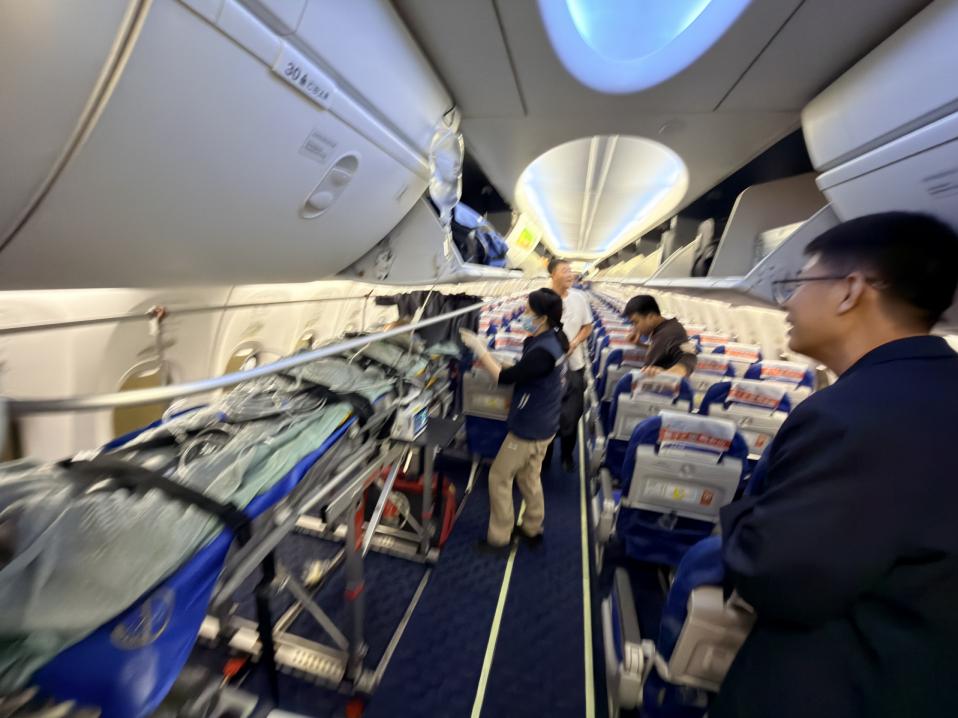
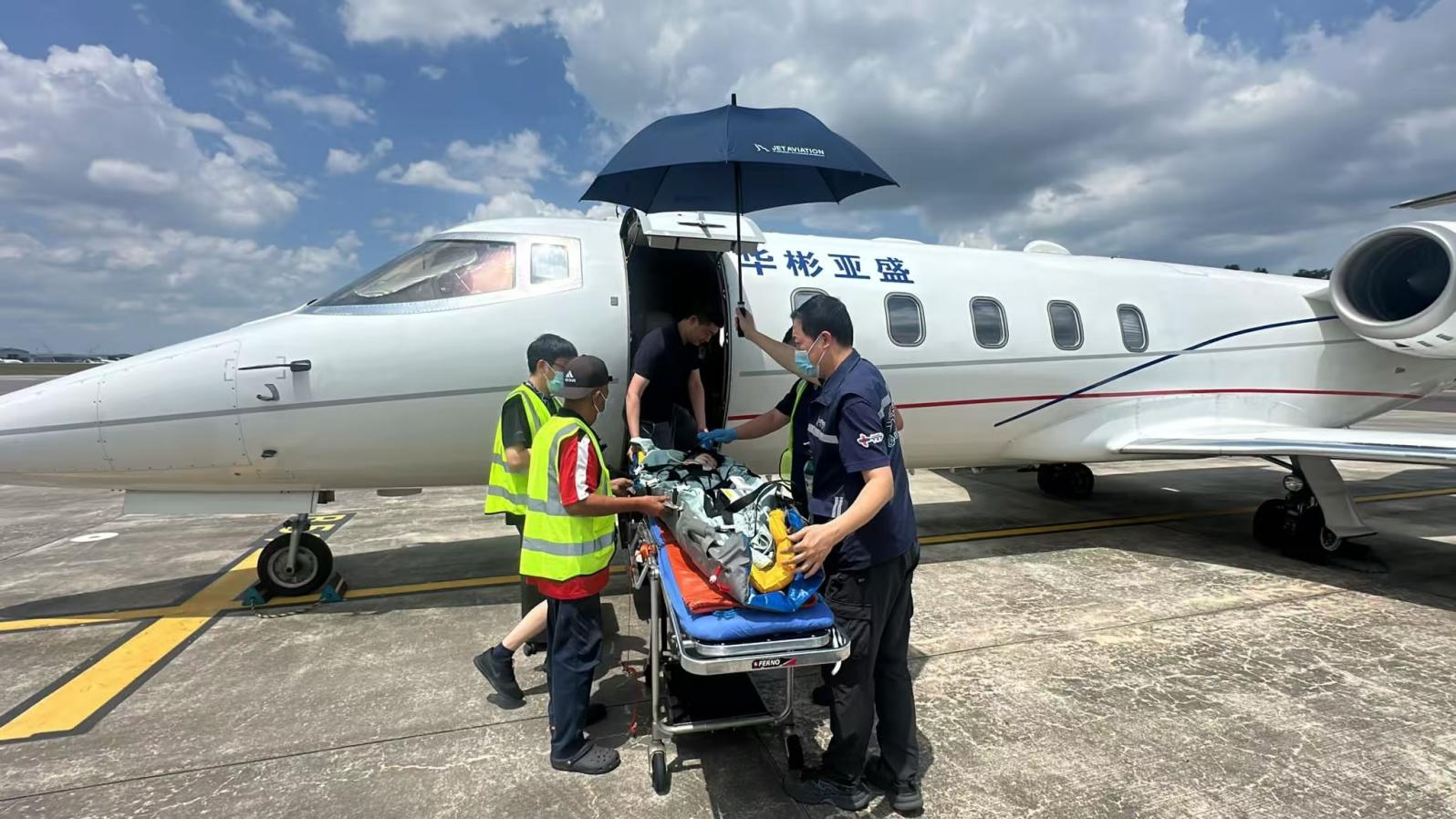
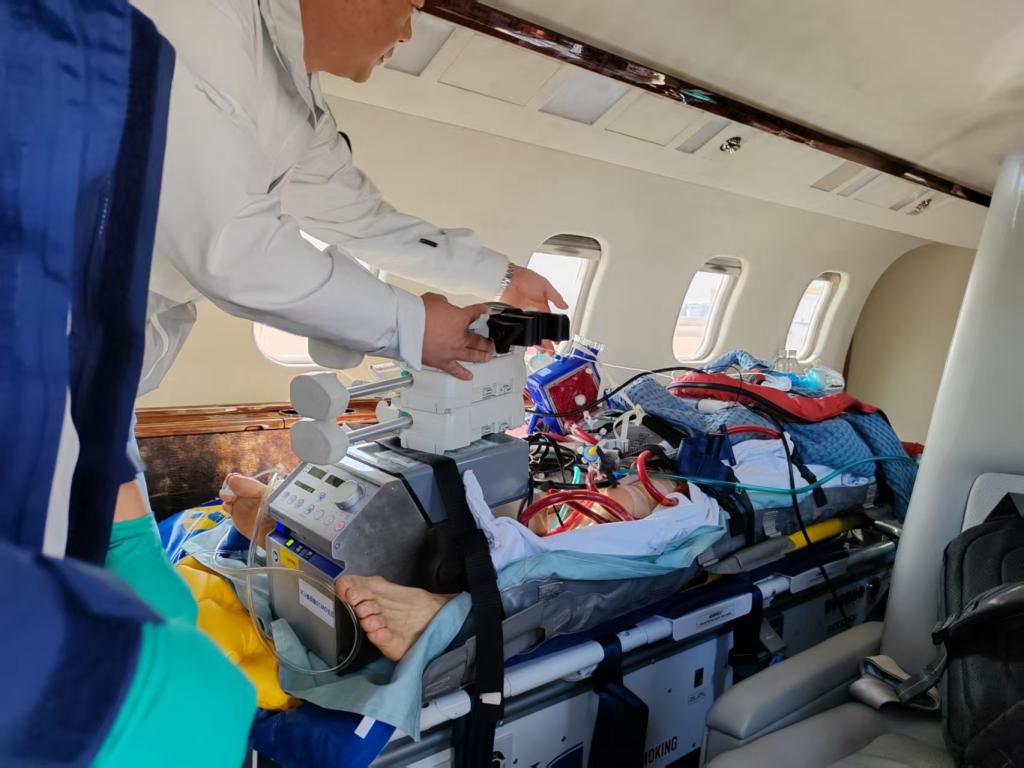
Unlike ground transport, air ambulances (helicopters and fixed-wing aircraft) operate at speeds of 150–500 mph, bypass traffic, and can reach remote or offshore locations. They also carry flying intensive care units – with ventilators, cardiac monitors, infusion pumps, and a specialized medical team on board.
For TKP Medical Assistance, established in 2001 and based in Shenzhen, China, the mission is clear: provide clinically guided, tailor-made Global Medical Evacuation solutions that cut transfer time while maintaining hospital-level care.
1. Severe Trauma – The “Golden Hour“
Trauma is the leading cause of death for people under 45. It includes car crashes, falls, gunshot wounds, industrial accidents, and natural disasters.
The Golden Hour Rule
The first 60 minutes after severe trauma – known as the golden hour – is when immediate surgical intervention (e.g., controlling internal bleeding or relieving brain pressure) most dramatically improves survival. After that, mortality rises steeply.
Why Air Transport is Crucial for Trauma
• Many trauma centers are regionalized; a ground ambulance may take 2–3 hours to reach a Level 1 trauma center.
• Helicopters can land at the accident scene or a nearby landing zone, reducing “scene-to-hospital” time by 50% or more.
Conditions that often require Emergency Air Medical Transport for trauma:
• Severe traumatic brain injury (TBI)
• Multiple long bone fractures with hemodynamic instability
• Penetrating injuries to chest or abdomen
• Major burns (>20% TBSA)
• Spinal cord injury needing neurosurgical intervention
TKP Medical Assistance has handled over 10,000 cases, including complex trauma evacuations from remote construction sites, offshore platforms, and highway accidents across Asia and beyond.
2. Acute Ischemic Stroke – Time is Brain
Stroke is a neurological emergency. In an ischemic stroke, a blood clot blocks an artery to the brain. The brain loses about 1.9 million neurons per minute until blood flow is restored.
The Therapeutic Window
• IV thrombolysis (clot-busting drug) must be given within 4.5 hours of symptom onset.
• Mechanical thrombectomy (catheter removal of clot) can be effective up to 6–24 hours, but earlier is always better.
When Air Evacuation Becomes Necessary
• Patient is in a rural or island hospital without a CT scanner or stroke team.
• The nearest comprehensive stroke center is >100 miles away.
• Patient requires transfer from a community hospital to a university hospital with interventional neuroradiology.
Signs of stroke (BE FAST):
• Balance loss
• Eye or vision change
• Facial droop
• Arm weakness
• Speech difficulty
• Time to call for Global Medical Evacuation
3. ST-Segment Elevation Myocardial Infarction (STEMI) – Heart Attack with Deadly Rhythm
A STEMI is a complete blockage of a coronary artery. Without rapid reperfusion (opening the artery), heart muscle dies and can lead to cardiogenic shock or sudden death.
The Golden Window for STEMI
• Door-to-balloon time (arrival to balloon angioplasty) should be ≤90 minutes.
• If the patient cannot reach a catheterization lab within 90 minutes by ground, Emergency Air Medical Transport is indicated.
Situations involving air medical evacuation for heart attacks include:
• Patient could be on a cruise ship or oil rig and has ECG evidence of STEMI.
• Patient is in a hospital that lacks an interventional cardiology unit or a cath lab that operates 24 hours a day.
• Transfer from a border town to a major cardiac center (e.g., from Laos or Myanmar to Bangkok or Kunming).
Key equipment on board TKP Medical Assistance flights:
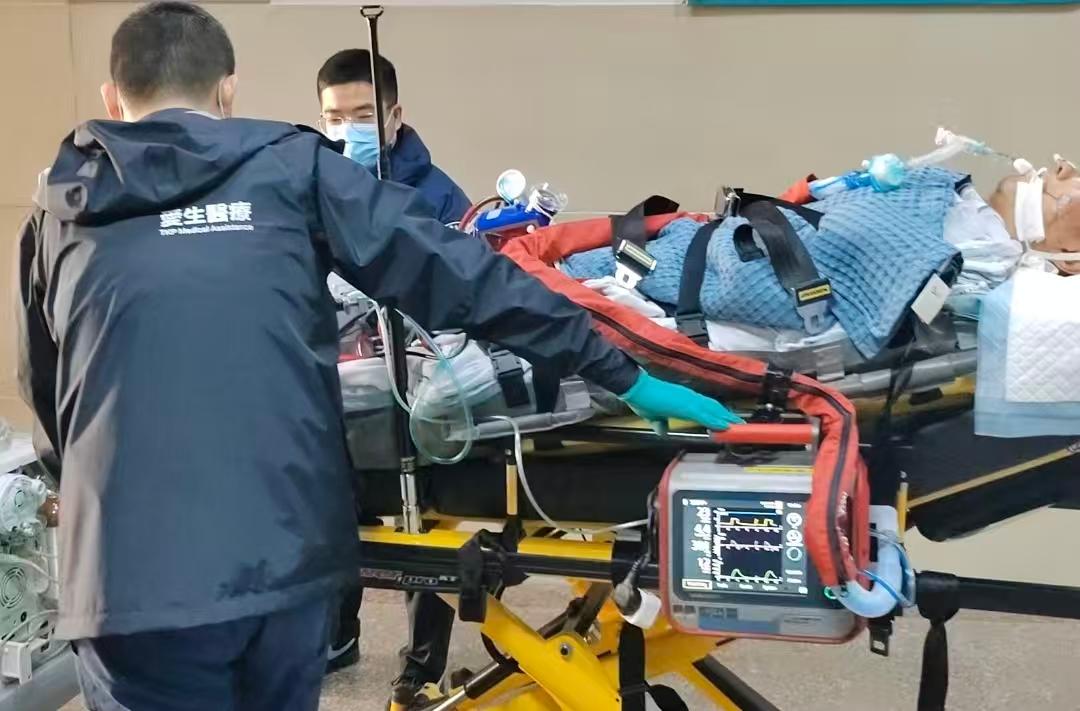
• Transport-ready cardiac monitor and defibrillator
• Advanced cardiac life support medications
• Ventilator and oxygen supply
• ECMO for the most critical cases
4. Other Time-Sensitive Emergencies
Generated 80% of the Global Medical Evacuation industry. Following trauma, stroke, and heart attack, the other top reasons are:
• Obstetric emergencies – Placental abruption, postpartum hemorrhage, or premature labor with need for neonatal ICU.
• Pediatric emergencies – Severe respiratory failure or meningitis in a child mandates transfer to a pediatric tertiary center.
• Organ transplantation – Retrieval and delivery of donor organs under strict cold ischemia time.
• Medical repatriation- Medical treatment of patients abroad followed by return to their country for further treatment or recovery. For instance, they can be recovering from a stroke during travel.
Why Choose TKP Medical Assistance for International Medical Evacuation?
Medical repatriation experience spanning 24 years gives us an edge in borderless patient transfer. Our head office in Shenzhen, China, along with additional six branches from South, East, Central, and Southwest China make TKP Medical Assistance an edge in swift, local response.
The Key Advantages
• 24+ years of operational experience
• 71,000+ global consultations
• 10,000+ cases successfully completed
• 60+ dedicated staff
• 20+ operational centers & partners across the globe
Strengths of TKP‘s Route Network:
TKP has a broad and adaptable network of flight paths that allow us to transfer patients from difficult, underserved, and/or emergency situations to leading hospitals worldwide. Route planning factors in:
• Flexible flight schedules that adjust according to a patient’s needs and the urgency of the case
• Airports with basic infrastructure, allowing entry to underserved regions
• Routes that optimize flight time and maintain the highest safety standards
• The ability to monitor flights and make changes to the route on-demand
On-board Medical Capability:
Portable ALS/ACLS systems, ICU/Transport monitors, oxygen and ventilation supplies, and ECMO offer advanced support on TKP Missions. All equipment is aviation-certified and customized for both adult and pediatric patients.
Conclusion: Don‘t Wait for the Golden Hour to Close
For trauma, stroke, or heart attack, the golden hour is real. Ground ambulances have limits. When distance or time threatens life, Emergency Air Medical Transport is a necessity, not a luxury.
TKP Medical Assistance offers decades of experience, a global network, and in-flight ICU capabilities for seamless Global Medical Evacuation – from scene response to international repatriation.
Need help? Contact TKP Medical Assistance, available 24/7.
FAQ – Quick Answers
Q1: Where would you consider an air ambulance as necessary?
A: If specialized medical care is required, as needed, and is not available in the surrounding or close regions, or in case the expected travel time using a ground ambulance exceeds 45 minutes.
Q2: Do air ambulances follow any medical program policies?
A: Transfer with a medical need will most of the time be paid for. We suggest speaking with your insurance and contacting TKP Medical Assistance to get more information.
Q3: What is the time duration for flight dispatch by TKP?
A: Dispatch is carried out in the range of 30 – 60 minutes after the medical team and the weather changes are cleared.
Q4: Are international transportation services available at TKP?
A: Yes, we are specialized in medical evacuations and medical repatriations beyond cross border.
Q5: What is the procedure for availing of TKP Medical Assistance?
A: Call our nonstop operations staff or make an online request. We will respond in no time.
Submit Your Request
Recent Posts
Tags
- Air Ambulance
- Bedside To Bedside
- Cross Border Aid
- Emergency Evacuation
- Global Medical Rescue
- How can I ensure the patient's stability while in the air?
- How do I request an air medical transport?
- How is it different from an air ambulance
- how to activate emergency aircraft service
- how to request an air ambulance
- Is air medical transport safe
- Is international transport possible
- Medical Rescue
- Medical Transport
- Patient Repatriation
- Remote Rescue
- Seamless Coordination
- Telemedicine Support
- Tourists And Expats Medical Escort
- What are the benefits of a cross-border medical transfer
- What are the different types of transfers
- What are typical use cases
- What documents do I need to prepare for a transfer?
- What does high-speed rail patient transfer stands for
- What is air ambulance
- What is air medical transport?
- What is cross-border medical transfer
- What is emergency aircraft
- what is high-speed rail patient transfer
- What is medical charter flight
- what is neonatal ICU transfer
- What is patient air transfer
- What medical equipment is available on board the aircraft
- What situations shouldn't use air medical transport?
- What types of air ambulance are there?
- What types of air ambulance exist
- What's the difference between international and domestic transfers?
- what’s the difference between air medical transport and regular ambulance?
- When is emergency air transport necessary
- Which patients require air medical transport?
- who is included in the medical team
- who needs an air ambulance