


International Medical Emergency Transfer: To Meet 2026 Healthcare Demands


International Medical Emergency Transfer has never been more critical. Millions of patients now cross borders each year for medical care—not only for cost savings but for quality, accessibility, and innovation.
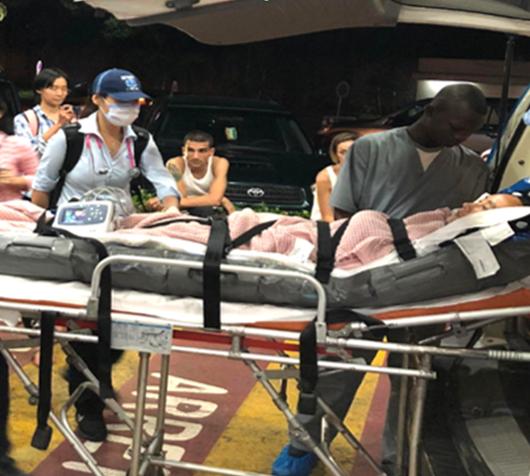
Yet when a health emergency strikes far from home—a stroke in a remote ASEAN village, a cardiac arrest on an Africa-bound business trip, a traumatic injury in the Middle East—families face a terrifying question: How do we get them to the right hospital in time?
The models used to evacuate patients by air are in dire need of reform. Outdated models, combined with fragmented handovers, language barriers, and governmental regulations, lead to subpar medical enlistment as patients are just transported via air. While they are still flown to and from medical facilities, this air transport may not yield optimal medical outcomes. This needs to change in 2026 with the air transport of patients becoming a medically controlled journey with care before, during, and after the flight.
This centrally controlled medically focused promise is the foundation of TKP Medical Assistance.
What Innovations Exist for International Medical Transfers?
Three cardinal signs point to innovations in international medical aid transport for this and the immediate future.
•Artificial Intelligence and Medical Transfers: patients will be flying to and from care, but that will not be the only service for care indicated by the air transport. This is due to the implementation of AI in almost half of the world’s international hospitals, and patient services over medical transport.
•Air Transfers and Continuous Medical Care: Appearing virtually not only permits for care to be ongoing before and after the flight, but it also allows continuous care to be monitored for the duration of the flight.
•Decreased Medical Care Professionals and Increased Use of Blockchain: Use of blockchain to maintain medical records and flight logs will streamline recordkeeping and will delay providing medical care by fewer than 60 minutes.
This will be the future of emergency transport services, providing care to patients as the service becomes focused on the coordination of care rather than the logistics of patient transport. TKP Medical Assistance has been diligently planning for almost a quarter of a century to cater to all the needs of this new system.
Dynamic Routes: Overcoming Geographic Barriers
It is widely known that there are no major international airports everywhere on the global map for every medical emergency. In that regard, there are critical patients located in remote clinics, underserviced locations, or crisis zones where there are no or very limited medical infrastructure. TKP Medical Assistance works to solve this issue by building an intelligent and flexible route network to bring every patient to the advanced medical assistance they need, wherever they are.
Our routes transfer map shows an intelligent and flexible network of routes to move patients to advanced medical assistance wherever they are. By selecting and using airports worldwide, including in underserviced airports, we provide fast and safe transfers of patients for the most advanced medical services and assistance despite the geographical limitations.
Our route planning includes the following capabilities:
•Dynamic flight scheduling: Patient condition is a top priority for advanced medical assistance and, therefore, in every case, the highest clinical stability is to be obtained.
•Our global route planning includes every place on the globe, and every place beyond that, including: Asia, Europe, and all of Africa.
•Flexibility to use runways: If a runway is available, we can transfer patients.
Safety and patient protection are the most important criteria considered when flying patients. Every route is the safest considering risks, the weather, and the medical resources available.
Our patients are our priority. Family is our priority. TKP Medical Assistance moves everything to provide patients safe and secure routes, takes the responsibility to deal with every visa and take every legal patient to his or her safe place of medical assistance and advıanced resources.
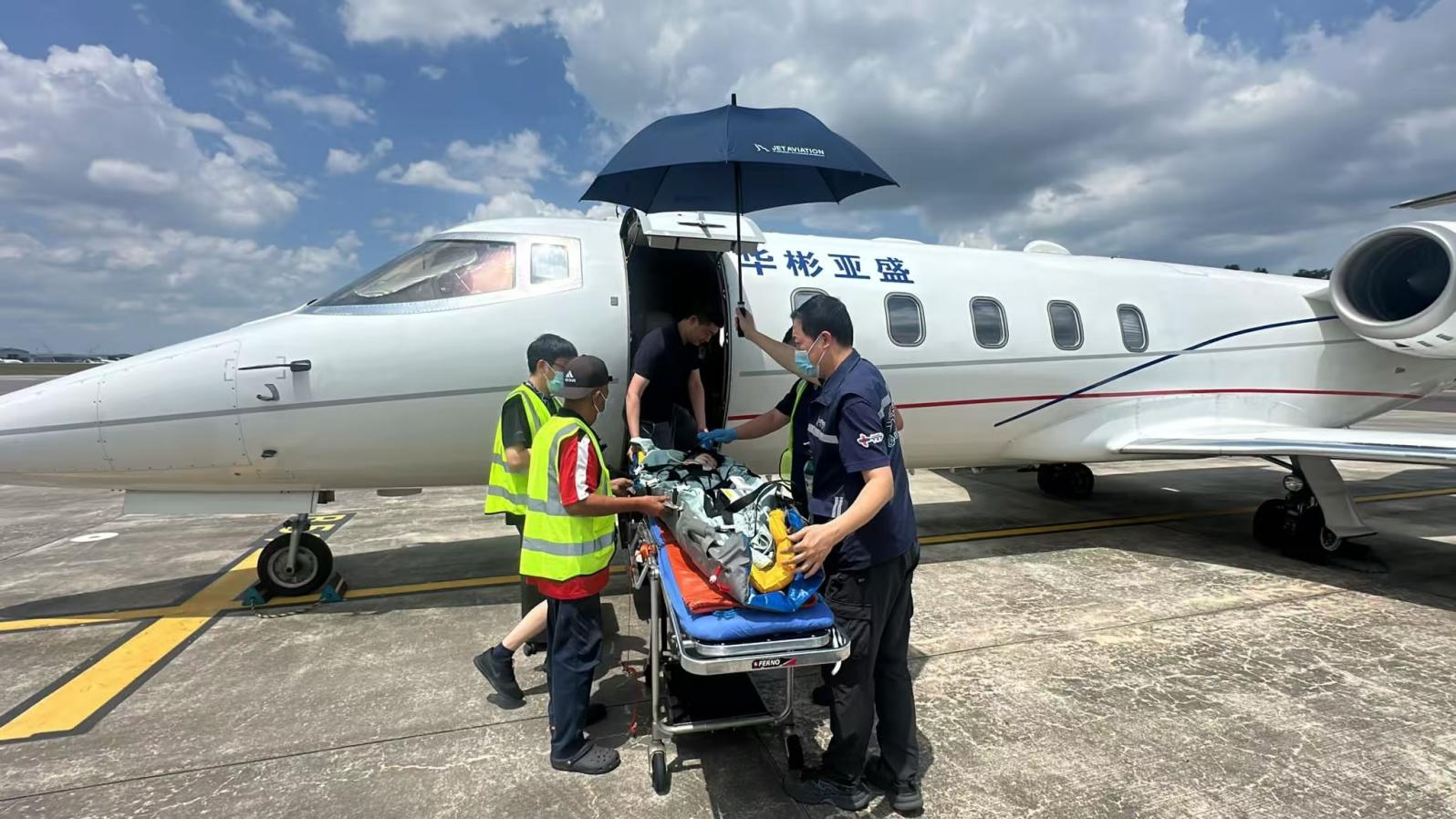
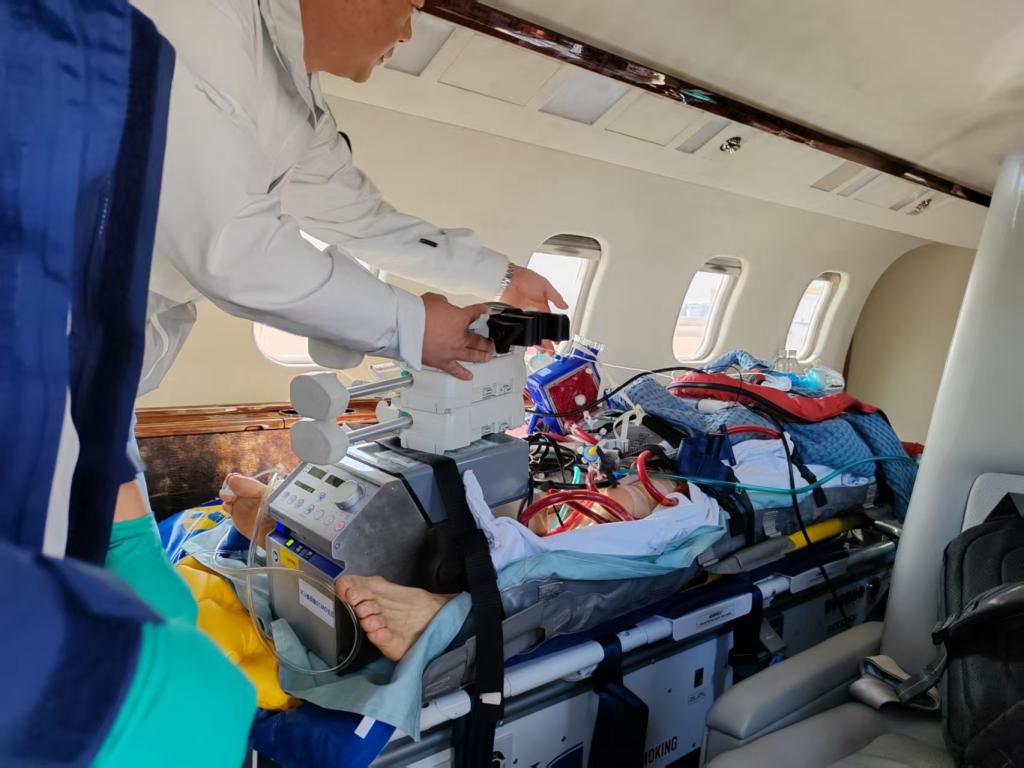
Our operations team actively monitors flights to ensure care is uninterrupted until arrival. Each TKP mission offers advanced life support systems, cardiac life support systems, advanced transport-ready ICUs, walkabout bios, oxygen, and ventilators, as well as ECMO furnaces. All of this is part of our aviation certified equipment for adult and pediatric patients.
Cooperation Beyond Borders
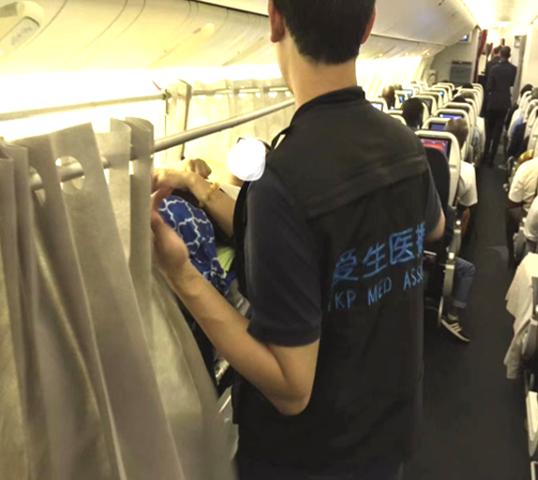
To illustrate true “seamless” care, here is one real example of a mission executed by TKP Medical Assistance.
•Date: September 14, 2017
•Route: Abidajan → Paris → Beijing
•Type: Triple flight commercial stretcher transport, two international flights with multiple ground transfers.
•Diagnosis: Patient induced coma due to post surgery cranial procedure.
Transfers occurred from Africa to Europe to Asia, and every segment required the use of multiple time, language, and legal frameworks. This mission had a 10 hour layover as a team of TKP faced one of the longest. For families, layovers mean waiting. However, a long layover is the most dangerous part of a mission. Unstable patients tend to deteriorate without continuous supervision.
We worked to stabilize the patient, to use the layover as a proper method of transport as opposed to an unstable step in the long mission. For the “micro-ICUs” we do not say a prayer and use the airport as a “good enough” environment, we plan and work. Seamless coverage is exactly that.
Key elements of this mission included:
•International collaboration: Building an accountable chain across intercontinental airlines, ground transport, and receiving hospitals.
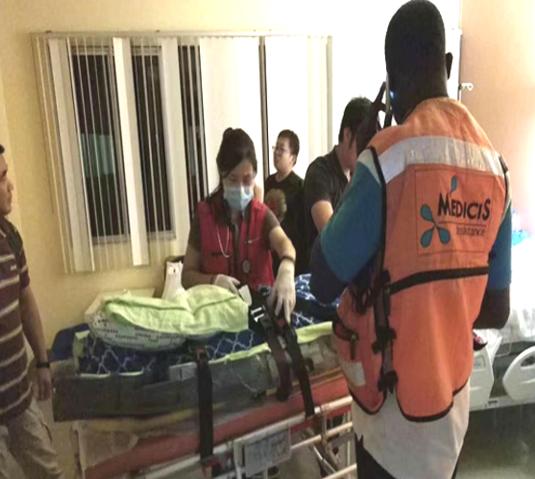
•Establishing an ICU at CDG Airport: Vital sign monitors, medications, and rest pathways for the layover.
•Final bedside assessment: Evaluating patient stability for a long-haul continental flight.
•30,000 feet: The patient utilized an in-flight stretcher for comfort as vitals were monitored.
ICU-Level Care In Transit
Between 2015 and 2021, BDMS Emergency Services became the second organization in Asia and the third globally to receive dual CAMTS and CAMTS EU certification, the highest global safety standards for patient transport. These standards encompass everything from infection control and aircraft maintenance to continuous training requirements for clinical teams. TKP Medical Assistance builds every mission to meet or exceed these internationally recognized benchmarks.
Our team has the following competencies:
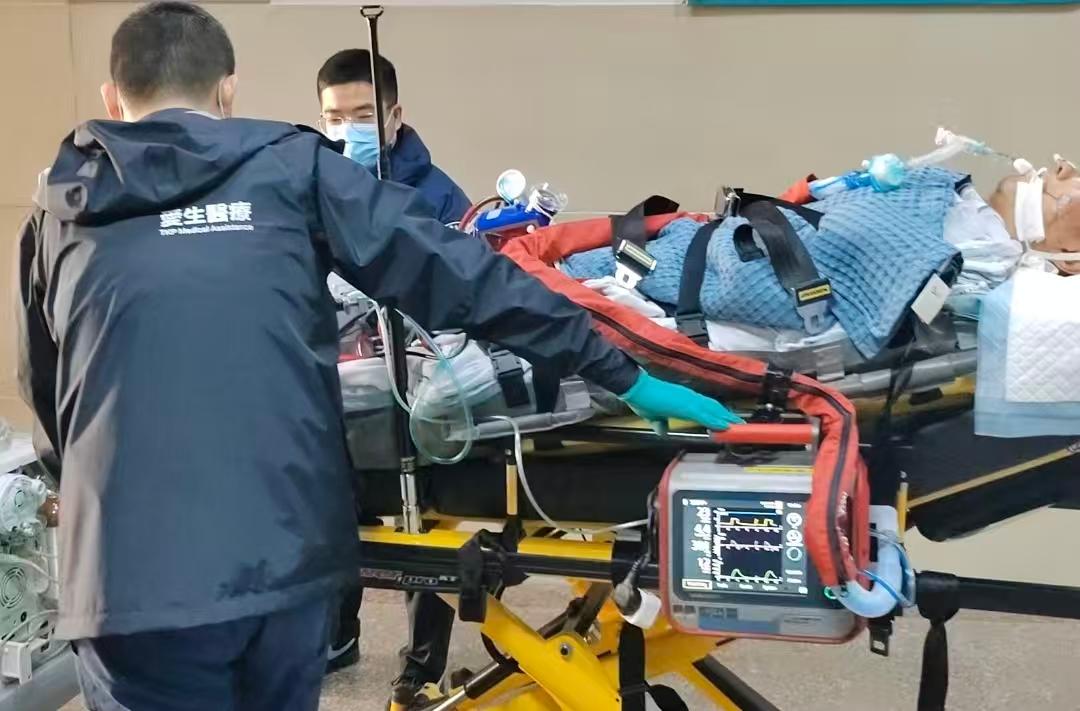
•Transport of Critical Patients with Portable ALS & ACLS: Critical care support becomes a must.
•Transport of ICU Monitors for Real Time Surveillance of Vital Signs: Our equipment is aviation-certified to withstand altitude and the motion of the aircraft.
•Transport of Critical Patients with Oxygen and Ventilators: For high-acuity cases, we deploy ECMO capable teams.
•Transport of Customized Equipment for Patients of All Ages: Isolette for infant transport, and vents and monitors for elderly with complex comorbidities.
TKP Medical Assistance: Your Need for 2026
TKP Medical Assistance has been a part of China’s National Health Commission’s foreign-related emergency response network for over 20 years, with more than 10,000 transport responses and 24/7 coordination for patient care in air ambulances, commercial flights, and high-speed rail, along with our six branch offices in China and partnerships in Hong Kong, Southeast Asia, and Europe.
We work with global insurance companies, government emergency services, our corporate clients, and we are honored to assist families in the days that are most difficult in their journey. What they all share is the need for one thing above all: certainty.
Certainty that the clinical team understands the diagnosis. Certainty that the route is safe and legal. Certainty that ground handovers will happen without gaps. Certainty that someone is responsible for the entire journey.
That is what TKP Medical Assistance delivers.
Final Word: When Every Moment Matters
In international medical emergency transfer, time is measured in minutes, distance in continents, and success in lives preserved. TKP Medical Assistance understands what is at stake because we have been at the bedside for 10,000+ missions—from West Africa to Beijing, from remote clinics to world-class ICUs.
You do not need a logistics coordinator. You do not need a flight broker. You need a trusted partner who can take clinical reality, family concerns, and geographic complexity and turn them into a single, seamless, medically intelligent journey.
That is what TKP Medical Assistance provides. Contact our 24/7 operations desk today.
Frequently Asked Questions
Q: What regions are included in TKP Medical Assistance?
A: We cover the entire world without exclusions (even in the most remote and underserved regions of Africa, Asia, Europe, and the Middle East).
Q: How quickly can you send out a medical transfer team?
A: Our operations team is available 24/7, and we can carry out medical transfers in a matter of hours, depending on the condition of the patient and clearance of flight.
Q: Do you offer commercial stretcher transfers and air ambulances?
A: Absolutely, we can take you on a full air ambulance and a commercial stretcher transfer with medical escort.
Q: What medical supplies do you take with you on every mission?
A: For each of our missions, we take with us with portable ALS/ACLS, ICU monitors, ventilators, and oxygen. We also take ECMO if required.
Q: What is the process for requesting an emergency transfer?
A: You can reach out to our coordination desk available 24/7. You can call, and you can use our online portal. A case manager will respond right away.
Submit Your Request
Recent Posts
Tags
- Air Ambulance
- Bedside To Bedside
- Cross Border Aid
- Emergency Evacuation
- Global Medical Rescue
- How can I ensure the patient's stability while in the air?
- How do I request an air medical transport?
- How is it different from an air ambulance
- how to activate emergency aircraft service
- how to request an air ambulance
- Is air medical transport safe
- Is international transport possible
- Medical Rescue
- Medical Transport
- Patient Repatriation
- Remote Rescue
- Seamless Coordination
- Telemedicine Support
- Tourists And Expats Medical Escort
- What are the benefits of a cross-border medical transfer
- What are the different types of transfers
- What are typical use cases
- What documents do I need to prepare for a transfer?
- What does high-speed rail patient transfer stands for
- What is air ambulance
- What is air medical transport?
- What is cross-border medical transfer
- What is emergency aircraft
- what is high-speed rail patient transfer
- What is medical charter flight
- what is neonatal ICU transfer
- What is patient air transfer
- What medical equipment is available on board the aircraft
- What situations shouldn't use air medical transport?
- What types of air ambulance are there?
- What types of air ambulance exist
- What's the difference between international and domestic transfers?
- what’s the difference between air medical transport and regular ambulance?
- When is emergency air transport necessary
- Which patients require air medical transport?
- who is included in the medical team
- who needs an air ambulance