


Medical Emergency Transfer Done Right: What Families Deserve in a Critical Moment


When a loved one falls critically ill far from home, families deserve more than fragmented logistics and phone transfers. They deserve a Medical Emergency Transfer that feels like one continuous ICU—not an unpredictable sequence of handoffs, delays, and anxious waiting.
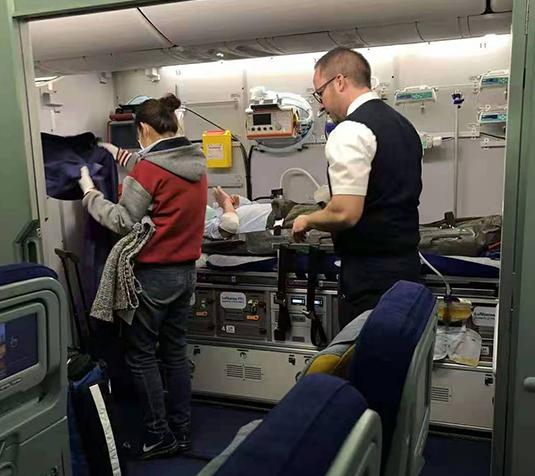
By 2026, healthcare transportation has transformed. The global market is set to reach 112.28 billion (5.864,036 million by 2032 (8.7% CAGR). Demand for specialized transport is accelerating—but growth alone doesn’t guarantee quality.
What does “done right” look like when a family’s world is upside down? Read on.
What Families Actually Face in a Medical Emergency Transfer
For most families, the crisis begins in a foreign hospital room, surrounded by unfamiliar faces and an alien healthcare system. The patient needs a higher level of critical care, repatriation to a home-country facility, or transfer to a specialized center. Then the confusion starts.
•Fragmented Vendors And Accountability Gaps: Families engage with multiple ground ambulance providers, airline medical desks, and overseas hospitals—with nobody in control of the journey.
•Delayed Airline Approvals And Missing Documentation: In 2026, even securing airline STCR approval involves multiple forms, oxygen, and medical fit-to-fly – all of which could be significant delays.
•Unmanaged Risks During Transfers: Experts say, Evacuation logistics in unpredictable environments involves many difficult evacuation logistics, which include dealing with local authorities, securing airspace, arranging receiving hospitals, and managing medical care enroute.
•Financial Uncertainty: With fuel surcharges and conflict driven rerouting, crisis medical evacuations are now in the region of USD 100,000 – 500,000.
This is already happening and families deserve better.
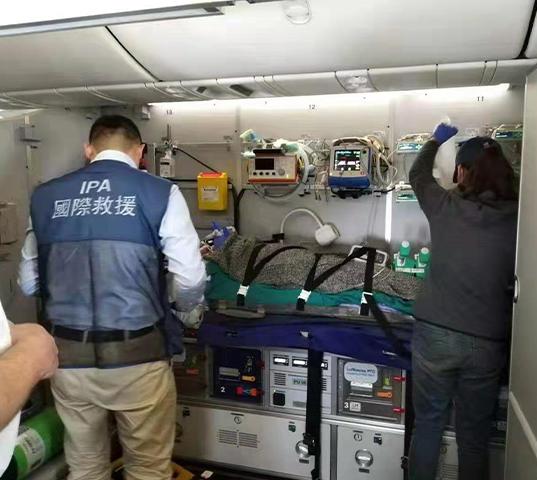
The 2026 Standard: Expectation for Patients and Families.
The standard for Medical Emergency Transfer has increased. The Global Adult Critical Care Transfer Service report indicates that 2026 will show the standardization of Adult Critical Care Transfer (ACCT), through the use of standard operating procedures/disruptive mandatory training for staff, and better hospital to transfer team integration. For families this will mean five non-negotiable elements:
•An End-to-End Clinical Owner: One team managing intake, transport, handover, and dealing with contingencies – No more calling.
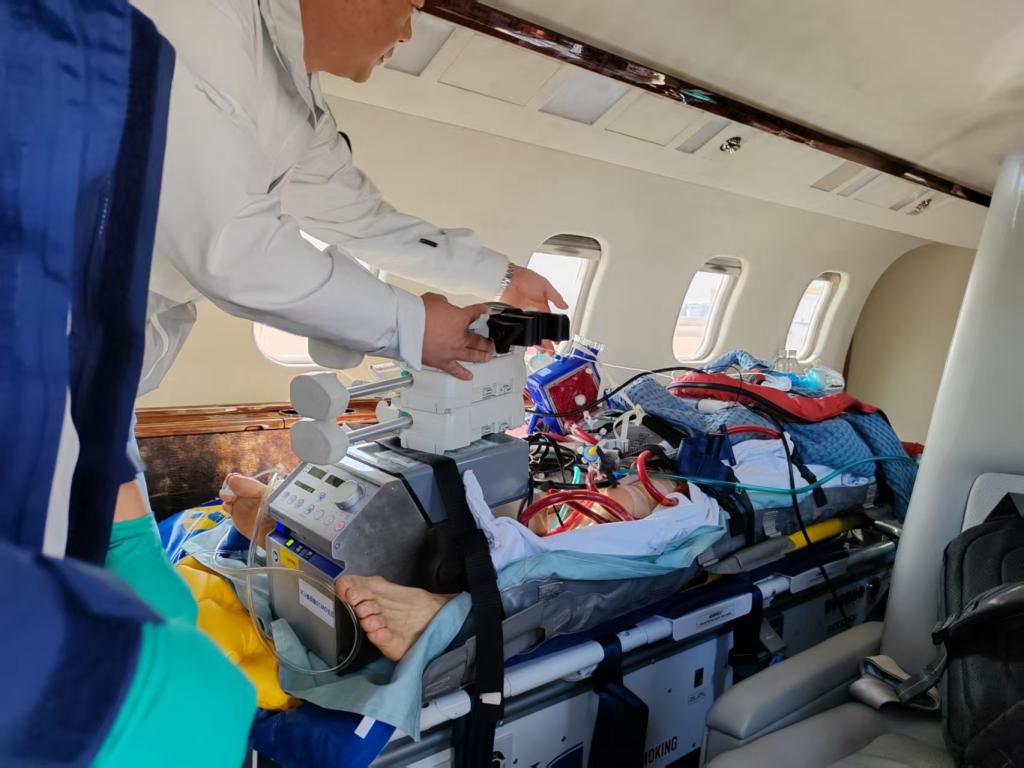
•ICU Level Clinical Continuity At Altimeter: Every critical mission takes along an ICU, Advanced Flying Vent, and Cardiac.
•Transparent, Step-by-Step Communication: Families regularly informed about the status of their patient, transport, and ETA. And, about the things that will not be done. Silence increases anxieties.
•Pre-Coordinated Customs And Hospital Handovers: No hours lost waiting for clearance. A medical corridor that moves the patient from bedside to bedside without gaps in care.
•Flexible Transport Options Matched To Clinical Reality: From priority Air Ambulance for unstable cases to Commercial Stretcher (STCR) for stable patients requiring continuous monitoring—the best solution is the safest one given the patient‘s condition, not the most expensive.
How TKP Medical Assistance Delivers “Done Right“?
With over 24 years of experience and more than 10,000 successful missions, TKP Medical Assistance has built its entire operational model around one commitment: treating every transfer as if it were their own family member on the stretcher.
Here is how TKP closes the gap between what families deserve and what most providers deliver:
•ICU-Grade Medical Transport, Not “Assisted Travel”
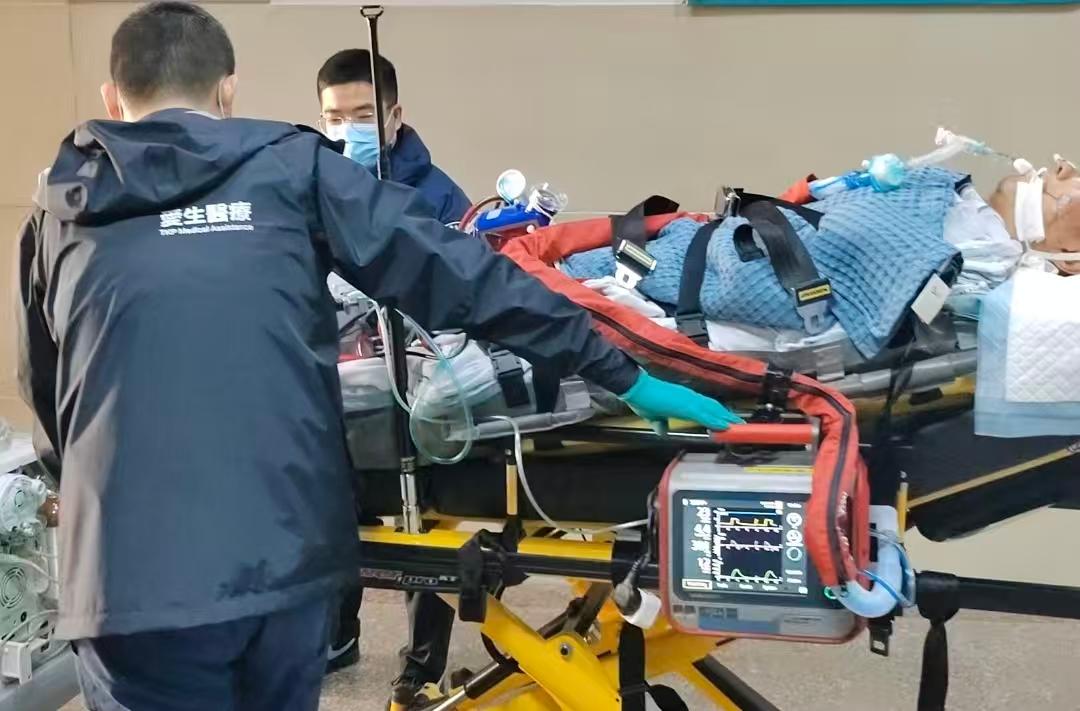
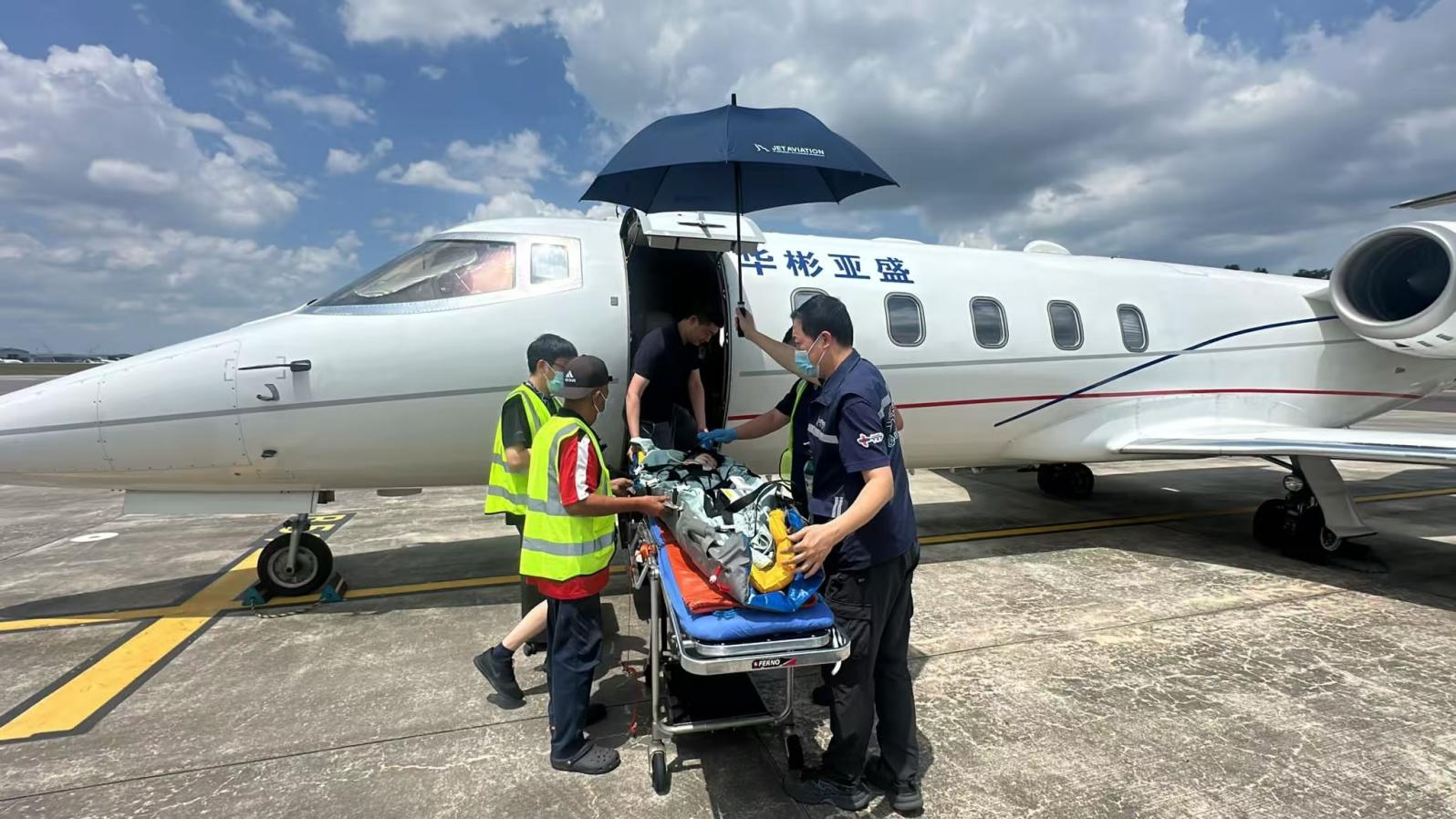
A Medical Emergency Transfer is not a flight with a stretcher. It is a mobile clinical environment. TKP builds missions around ICU-grade monitoring, ventilators, and life-support capability, supported by intensive care doctors and flight-trained nurses. The goal is clinical continuity from pickup to handover—not a pause in care.
•Commercial Stretcher (STCR): Affordable, Safe, ICU-Trained
When a patient is stable but cannot sit for takeoff and landing, Commercial Stretcher transfer with airline approval fills the gap. TKP designs, approves, and operates stretcher setups on scheduled airlines, installing dedicated stretcher compartments with privacy screening, power for monitors, and safe mounting points—all while an ICU-trained escort remains with the patient. This approach dramatically reduces cost compared to private air ambulances while keeping clinical control and comfort intact.
•Seamless Bedside-To-Bedside Coordination
From Chengdu to Eastbourne, Milan to Hong Kong—TKP orchestrates every handover. Securing airline approvals, aligning ambulance pickup times, pre-coordinating customs and immigration, and managing ventilator settings at altitude. The result is a transfer that feels like one continuous ward moving across continents.
•24/7 Global Operations Center
Round-the-clock coordination means the TKP team monitors every flight in real time. If weather or air traffic control creates issues, routings and ground links are adjusted immediately—so the schedule holds and families stay informed.
•Explicit Support For Italy–Hong Kong And Beyond
Whether evacuating from Italy‘s specialized medical centers to Hong Kong, or repatriating a patient from Southeast Asia to Europe, TKP‘s STCR capability bridges two excellent but disconnected healthcare systems directly. Ground ambulance connects to departing airport, commercial stretcher secures the long-haul flight, and a receiving team waits on the tarmac. No handoff, no surprise.
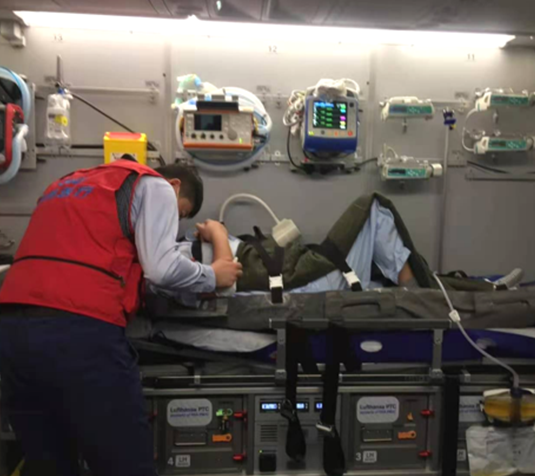
Trust That Matters When Minutes Count
The healthcare transportation market may be worth hundreds of billions, but in a moment of crisis families do not care about market size. They care about one thing: will my loved one arrive safely?
TKP Medical Assistance delivers that certainty through:
•Continuous clinical oversight on wings, rails, and roads
•Transparent processes from first call to final handover
•A single accountable team for every transfer—no outsourced links, no blame shifting
Your Family Deserves Better. TKP Delivers It.
When the unthinkable happens, do not settle for a Medical Emergency Transfer that adds stress to an already unbearable situation. Choose a partner who has done this thousands of times before—who treats every patient like family.
Contact TKP Medical Assistance today.
•Email: info@tkpma.cn
•Phone: +86 755 8398 0108
•Website: www.tkp-assistance.net
*Founded in 2001 | 10,000+ successful missions | Trusted partner in global medical transfers*
FAQs
Q1: What is the usual time-frame for an Urgent Medical Emergency Transfer?
If the patient is stable and approvals for the transfer are granted, an urgent transfer can be completed within 12–24 hours.
Q2: What is the main difference between an Air Ambulance and a Commercial Stretcher (STCR)?
An Air Ambulance transfer requires the full resources of an ICU plane. An (STCR) transfer is a more cost-effective option and entails the full resources of an ICU, and an economy Class Commercial Stretcher.
Q3: Do you handle all international documentation and customs?
TKP provides comprehensive flight support services for approval of flights, customs, and all ground transfers, including to/from hospitals.
Q4: Can you transfer a patient from Italy to Hong Kong?
Yes. TKP specializes in air medevac air ambulance move and STCR routes between the continents including Italy/Hong Kong.
Q5: Are you available for 24/7 emergency requests?
Yes. Our Global Operations Center is always open, 24/7, 365. Reach out through any contact method.
Submit Your Request
Recent Posts
Tags
- Air Ambulance
- Bedside To Bedside
- Cross Border Aid
- Emergency Evacuation
- Global Medical Rescue
- How can I ensure the patient's stability while in the air?
- How do I request an air medical transport?
- How is it different from an air ambulance
- how to activate emergency aircraft service
- how to request an air ambulance
- Is air medical transport safe
- Is international transport possible
- Medical Rescue
- Medical Transport
- Patient Repatriation
- Remote Rescue
- Seamless Coordination
- Telemedicine Support
- Tourists And Expats Medical Escort
- What are the benefits of a cross-border medical transfer
- What are the different types of transfers
- What are typical use cases
- What documents do I need to prepare for a transfer?
- What does high-speed rail patient transfer stands for
- What is air ambulance
- What is air medical transport?
- What is cross-border medical transfer
- What is emergency aircraft
- what is high-speed rail patient transfer
- What is medical charter flight
- what is neonatal ICU transfer
- What is patient air transfer
- What medical equipment is available on board the aircraft
- What situations shouldn't use air medical transport?
- What types of air ambulance are there?
- What types of air ambulance exist
- What's the difference between international and domestic transfers?
- what’s the difference between air medical transport and regular ambulance?
- When is emergency air transport necessary
- Which patients require air medical transport?
- who is included in the medical team
- who needs an air ambulance