


What Makes Medical Charter Flights Safer Than Long Haul Economy?


Medical Charter Flights may look like a luxury on the surface, but for many high-risk travelers they are actually a clinical safety choice, not an upgrade in comfort.
Why Long-Haul Economy Can be More than “Just Uncomfortable“
Most people think the worst part of a long flight is jet lag or bad food. In reality, the bigger danger can be something you don’t see at all: blood clots forming quietly in your legs while you sit still for hours.
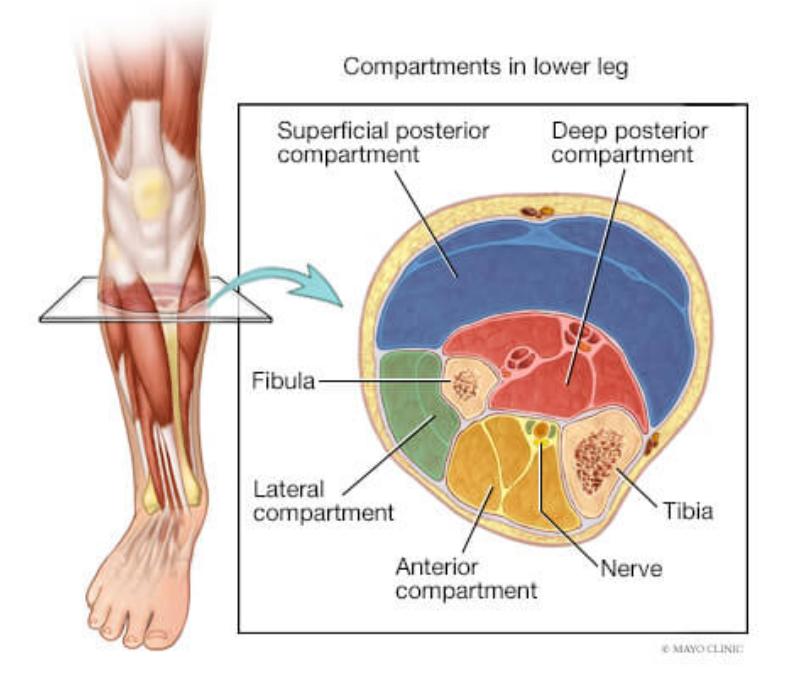
Doctors often call this economy class syndrome (ECS). Medically, it is closely linked to deep vein thrombosis (DVT) in the legs and, in more serious cases, pulmonary embolism (PE) when a clot moves to the lungs. On flights that last more than eight hours, several things happen at the same time:
•You sit in a cramped position with very little space to stretch
•Blood flow in the legs slows down as the veins are compressed
•The cabin environment encourages dehydration, which makes blood thicker
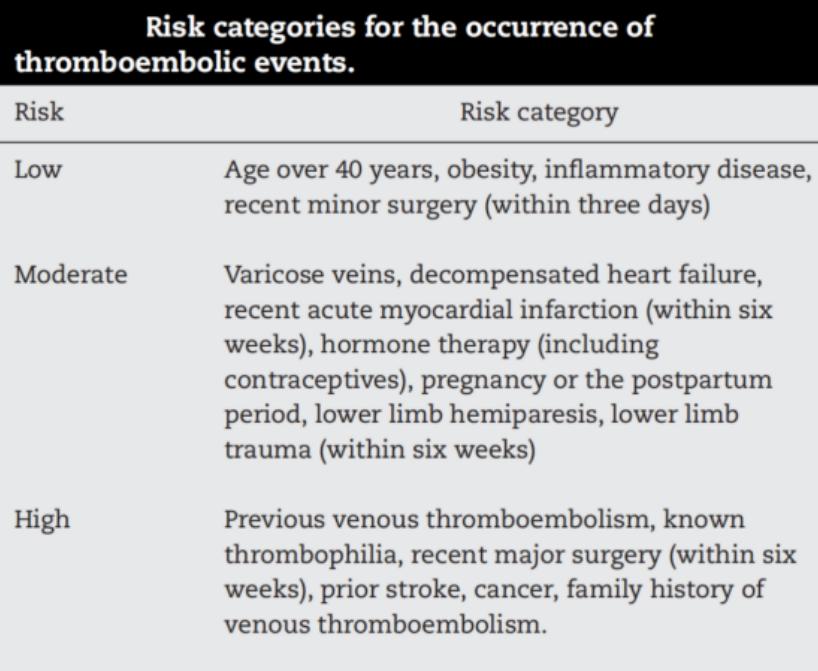
Research has shown that long-haul flights over eight hours can raise the risk of DVT by about 2 – 4 times, especially in passengers who already have health issues. These may include older age, obesity, pregnancy or postpartum status, cancer, recent surgery, heart disease, diabetes, rheumatic disease, kidney problems, high cholesterol, use of oral contraceptives, a history of DVT or PE, or severe varicose veins.
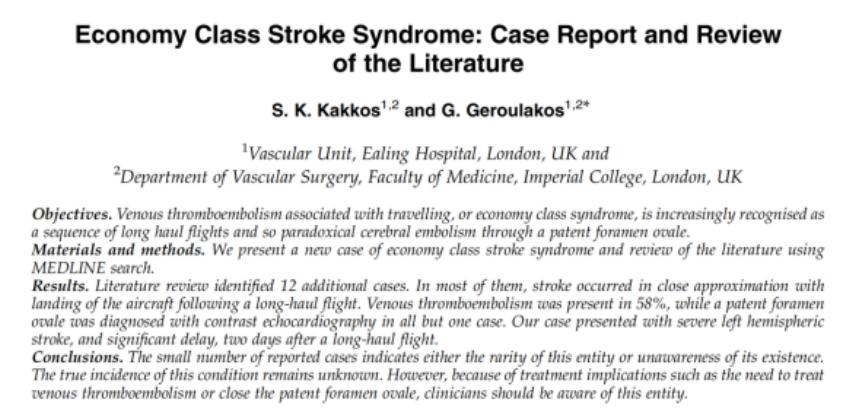
Now picture a real passenger. A 60-year-old woman who has lived in Europe for many years needs to fly back to China. Because of route changes, her trip stretches to around 19 hours with a connection. After about 13 hours in the air, she lands for transit, steps off the aircraft, suddenly feels crushing chest pain, struggles to breathe, and collapses. Imaging later shows extensive DVT in both legs and widespread pulmonary embolism. She goes straight to the ICU.
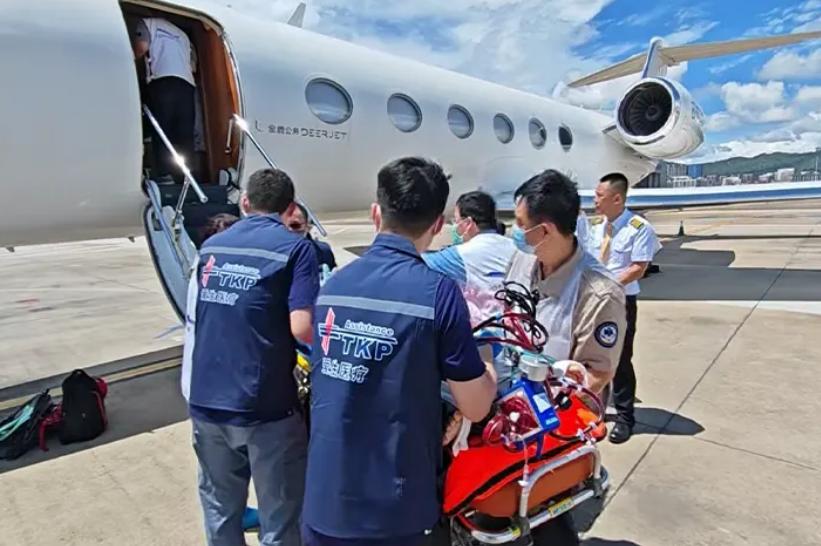
Cases like this are not rare at all in our line of work. At TKP Medical Assistance, we regularly receive calls after long-haul flights that started as “just a bit uncomfortable” and ended as a true medical emergency. For some passengers, a standard economy seat is not merely a bad travel experience – it is a genuine health risk.
Warning Signs You Should Never Ignore
For high-risk travelers, certain symptoms during or after a long flight should immediately raise concern:
✅New or worsening swelling, pain, or heat in one or both legs
✅Sudden shortness of breath, chest pain, or tightness
✅Unexplained cough, dizziness, or fainting episodes
In these situations, every extra hour without medical assessment increases the danger. This is one of the key reasons TKP Medical Assistance frequently recommends Medical Charter Flights or medically escorted transfers instead of regular long-haul economy travel for vulnerable patients.
How Medical Charter Flights Change the Risk Profile
Medical Charter Flights are built around the patient‘s needs, not around the airline’s seat map. The aim is simple: move the patient safely from bed to bed while actively managing medical risk throughout the journey.
In a typical economy cabin, flight attendants are trained for basic first aid and emergency procedures, but not for ongoing management of complex conditions or unstable patients. Medical equipment is limited, and access to the passenger is restricted by space.
With Medical Charter Flights and medically coordinated transports, the approach is completely different.
Clinical Advantages over Standard Economy Travel
Here is how Medical Charter Flights reshape safety in the air:
✅Space, Positioning, and Circulation
Patients can travel lying down rather than sitting upright for hours. The ability to elevate the legs, change position regularly, and receive assistance with simple circulation exercises helps maintain venous return and reduces the risk of blood pooling in the legs.
✅Real-Time Medical Monitoring
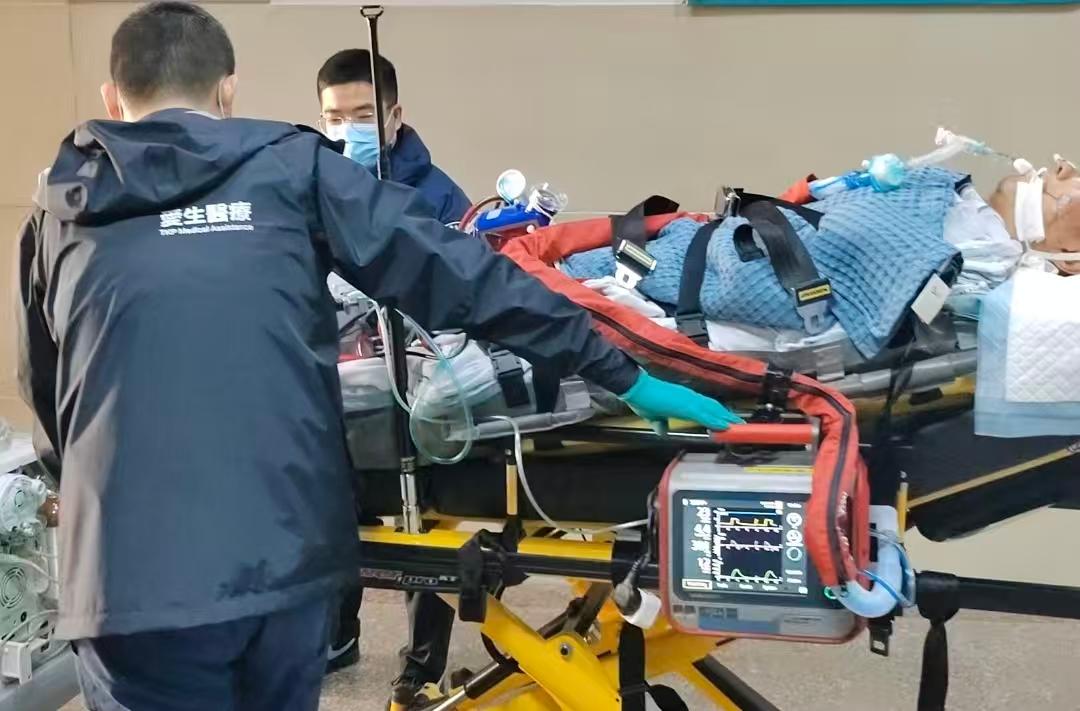
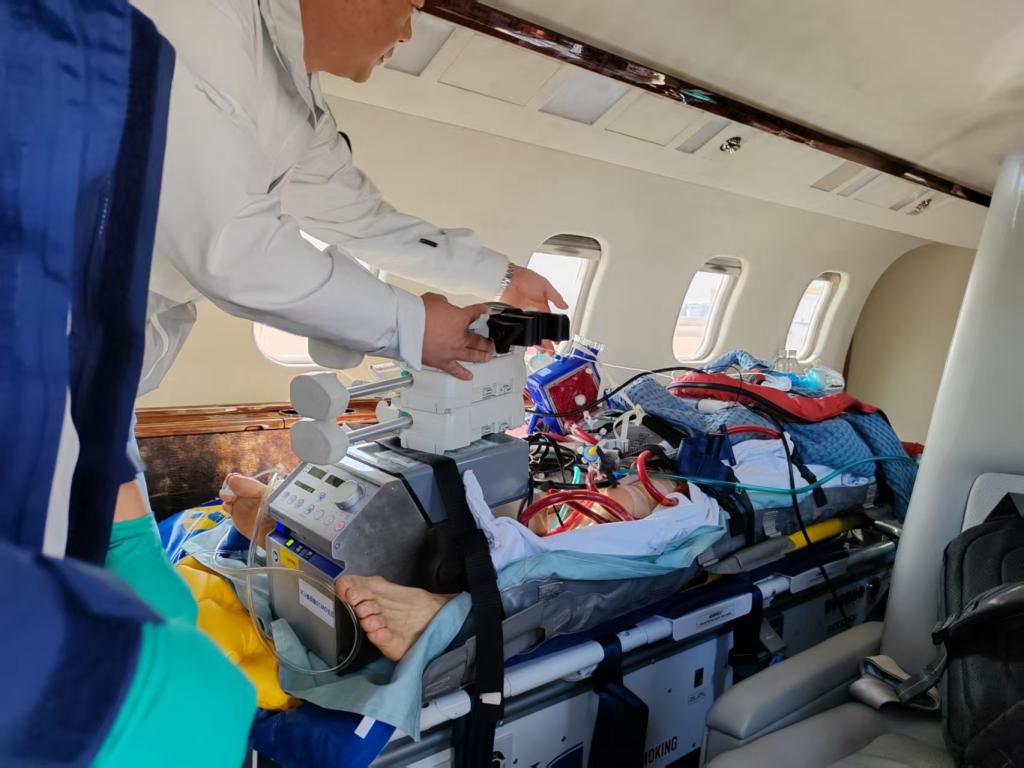
On air ambulance missions and commercial stretcher transfers, our teams use professional equipment such as monitors, oxygen systems, and, where needed, ventilators. Vital signs are tracked continuously. If a patient’s status changes, doctors and nurses can respond immediately instead of waiting for the flight to land.
✅Route Planning Based on Medical Needs
With Medical Charter Flights, the route is designed around the patient instead of the ticket price. TKP Medical Assistance evaluates medical stability, flight time tolerance, and the need for stopovers. We shorten transit time where possible, reduce the number of take-offs and landings, and avoid unnecessary layovers that may stress the patient.
✅Better Control of High-Risk Conditions
Older passengers, those who recently underwent surgery, febrile patients, or those with chronic disease require more than standard in-flight care. On board a medically organized flight, hydration is better supervised, medications are scheduled, and tools like medical compression stockings are used under professional guidance. This is particularly important for those already at risk of DVT or PE.
In other words, Medical Charter Flights convert travel from a passive activity (“sit still and hope nothing goes wrong”) into a managed medical process with clear protocols and rapid intervention capability.
What TKP Medical Assistance Actually Does for Your Journey
TKP Medical Assistance, founded in 2001 and based in Shenzhen, has more than 24 years of experience in cross-border medical evacuation and patient transfer. Our mission is straightforward: to make international travel safer for patients who cannot simply “book a flight and go.”
We support both emergency and non-emergency cases and offer several levels of service.
Commercial Stretcher Transport
For patients who are bed-bound but relatively stable, commercial stretcher solutions can be an efficient alternative to a dedicated air ambulance. With airline approval, we arrange a stretcher area within a regular commercial flight, often with a curtain for privacy. The patient travels lying down the entire way.
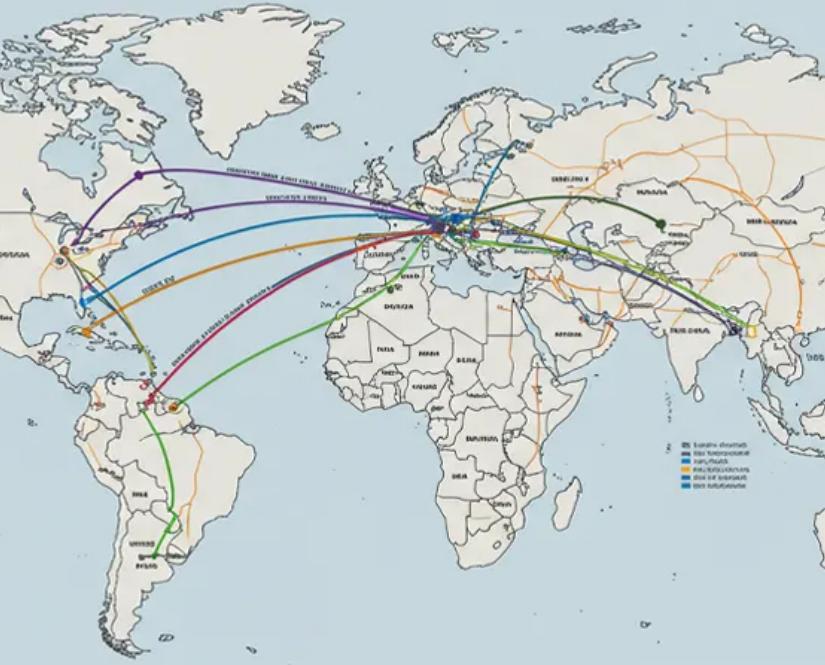
A dedicated medical escort team accompanies the patient from the sending hospital, through airport procedures, onto the aircraft, and into the receiving hospital. For many families and insurers, this type of Medical Charter Flight provides a balance: significantly safer than an economy seat, but more affordable than a fully private aircraft.
Air Ambulance and ICU-Level Transfers
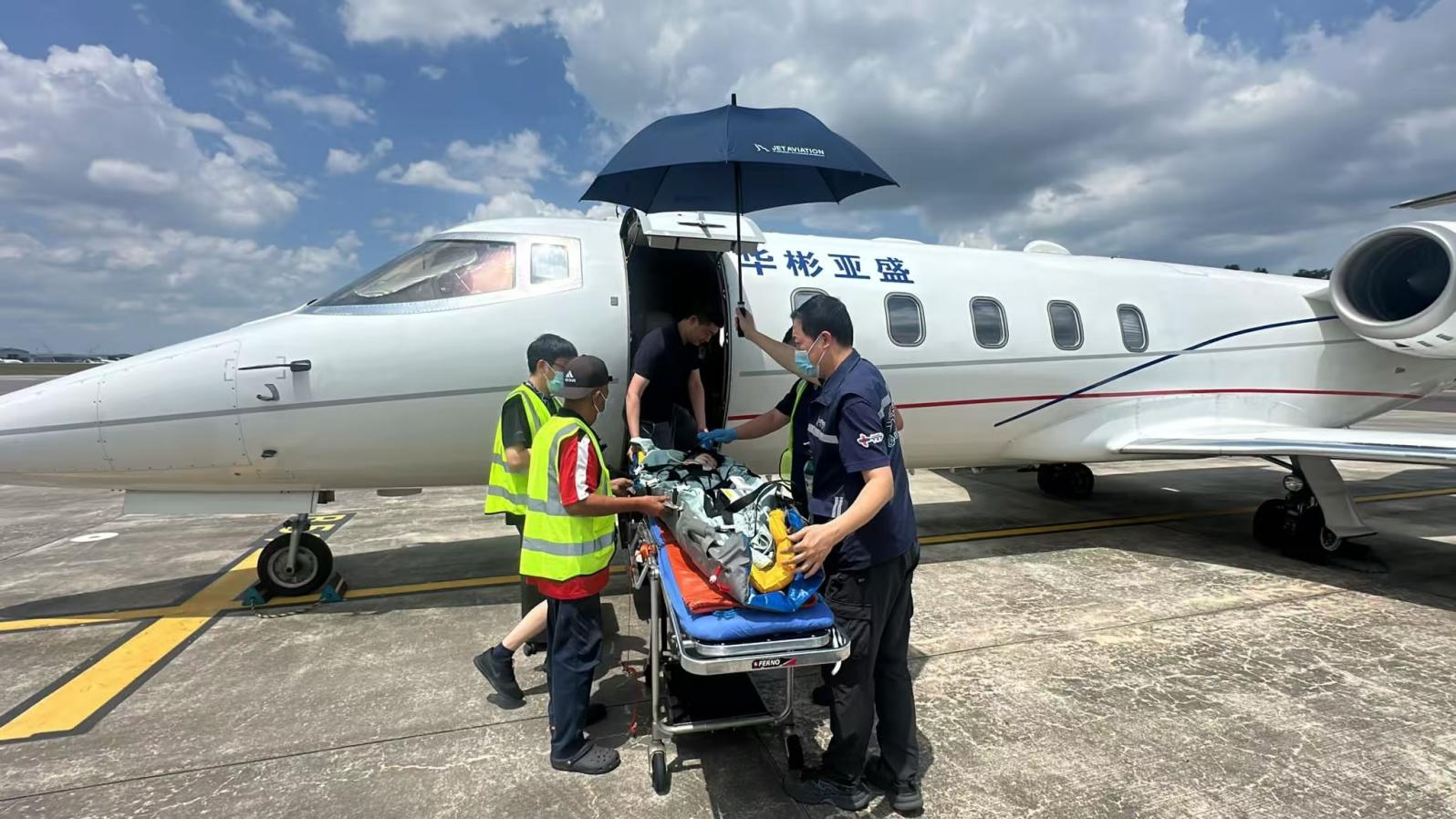
For critically ill patients or those at high risk of deterioration, TKP Medical Assistance operates air ambulance missions. These aircraft are configured like flying intensive care units, with monitoring systems, ventilators, infusion pumps, and life-support equipment on board.
Intensive care physicians and flight-trained nurses manage the entire journey. They coordinate with the sending hospital to stabilize the patient before departure, maintain clinical stability during the flight, and hand over directly to the receiving medical team on arrival. For patients with severe respiratory or cardiac problems, this level of care can be life-saving.
Integrated Transport: More than Just Plane to Plane
Many patients do not begin or end their journey at a major international airport. To bridge this gap, TKP Medical Assistance combines Medical Charter Flights with high-speed rail and ground ambulance services. This integrated network enables genuine bed-to-bed transfers, even from remote, rural, or medically underserved areas.
Our route planning team focuses on:
✅Dynamic scheduling tailored to the patient’s condition and urgency
✅Cutting total travel time and avoiding unnecessary layovers or transfers
✅Close coordination with hospitals, embassies, consulates, and insurers
✅Real-time monitoring of each mission, with the flexibility to adjust plans as needed
Supported by six branch offices across key regions in China, we can mobilize medical teams quickly, conduct on-site assessments, and build the safest transport plan – from commercial stretcher on a scheduled flight to a dedicated air ambulance mission.
You should seriously consider Medical Charter Flights or medically escorted options if:
- The flight duration is longer than eight hours
- The traveler is elderly or has multiple chronic diseases
- Surgery took place within the last month
- There is a known history of DVT, PE, or major varicose veins
- The passenger has ongoing fever, chest discomfort, or breathing issues before departure
In these situations, long-haul economy is not just an inconvenience. It can turn a manageable condition into a critical event.
Call to Action
If you, a family member, or an insured client is planning a long-distance trip with significant health risks, reach out to TKP Medical Assistance before buying a standard ticket. Our medical team can review the case, explain the risks clearly, and recommend the safest pathway – whether that is a Medical Charter Flight, a commercial stretcher solution, or an air ambulance transfer.
Travel should not be a gamble. With TKP Medical Assistance and carefully planned Medical Charter Flights, long-haul journeys can be safer, more controlled, and better aligned with the patient’s medical needs from take-off to final handover at the destination hospital.
Submit Your Request
Recent Posts
Tags
- Air Ambulance
- Bedside To Bedside
- Cross Border Aid
- Emergency Evacuation
- Global Medical Rescue
- How can I ensure the patient's stability while in the air?
- How do I request an air medical transport?
- How is it different from an air ambulance
- how to activate emergency aircraft service
- how to request an air ambulance
- Is air medical transport safe
- Is international transport possible
- Medical Rescue
- Medical Transport
- Patient Repatriation
- Remote Rescue
- Seamless Coordination
- Telemedicine Support
- Tourists And Expats Medical Escort
- What are the benefits of a cross-border medical transfer
- What are the different types of transfers
- What are typical use cases
- What documents do I need to prepare for a transfer?
- What does high-speed rail patient transfer stands for
- What is air ambulance
- What is air medical transport?
- What is cross-border medical transfer
- What is emergency aircraft
- what is high-speed rail patient transfer
- What is medical charter flight
- what is neonatal ICU transfer
- What is patient air transfer
- What medical equipment is available on board the aircraft
- What situations shouldn't use air medical transport?
- What types of air ambulance are there?
- What types of air ambulance exist
- What's the difference between international and domestic transfers?
- what’s the difference between air medical transport and regular ambulance?
- When is emergency air transport necessary
- Which patients require air medical transport?
- who is included in the medical team
- who needs an air ambulance