


When Do You Need Air Medical Transfer? A Race Between Speed and Life


In emergency medicine, minutes often separate survival from permanent disability — or life from death. Ground ambulances are important for local healthcare responses. There are, however, certain circumstances that are clinically complex, or where time and distance are factors, that call for air medical transfer due to a need for a more advanced solution.

Air ambulances are not your average road ambulances. This article explains the medical and scientific rationale for the need for various patients to be transported using air medical services. It also shows what factors TKP Medical Assistance considers when deciding whether to offer a faster and safer option.
What Is Air Medical Transfer?
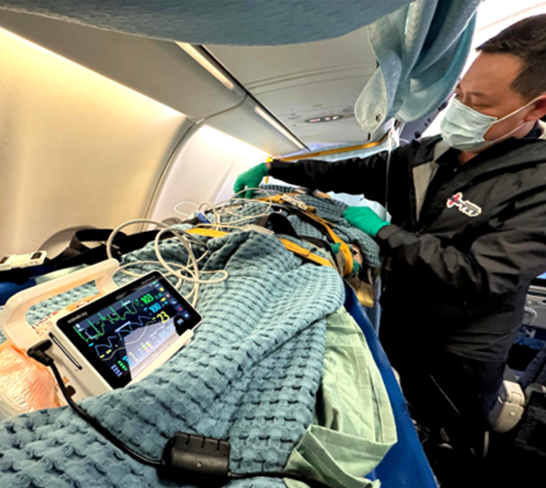
Air medical transfer refers to the transportation of patients via helicopter or planes that have been converted to flying ICUs. Ground medical services are incapable of traveling hundreds of miles in under an hour. Air medical services can reach remote and disaster-affected areas, and sustain classes of advanced life support for the entire duration of the flight.
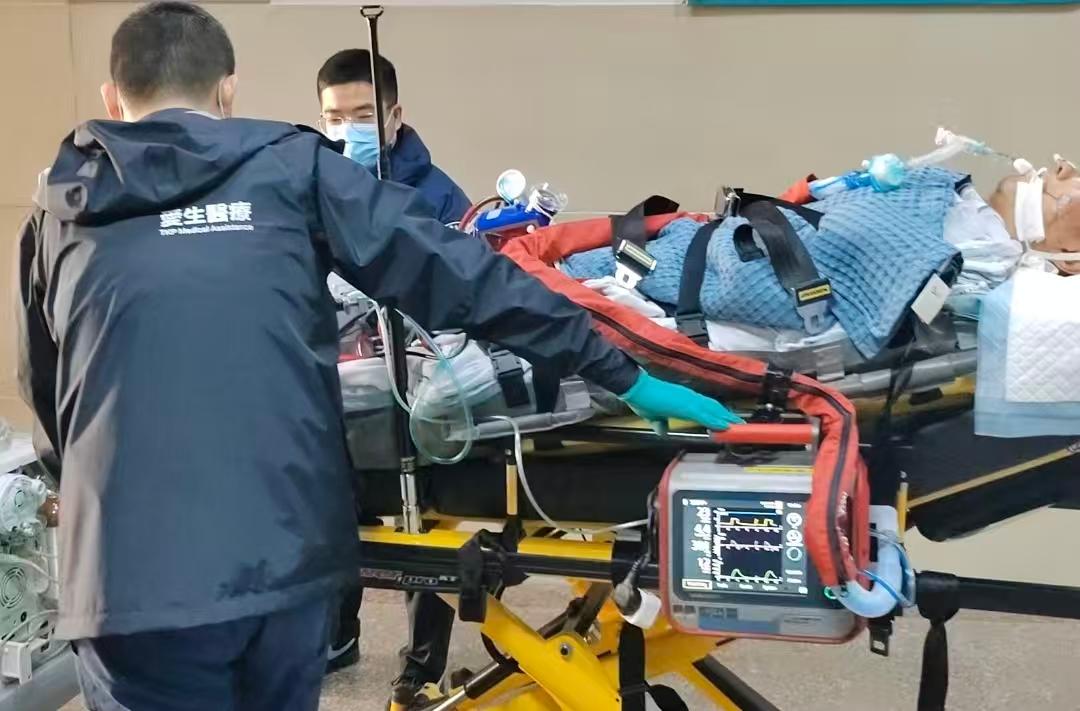
The aircraft alone do not make a comprehensive Medical Transfer Service. It is the thorough coordination of the equipment, critical care physicians, flight nurses, and advanced life support systems that bring hospital-level services to the skies.
When Is Air Medical Transfer Necessary? The Clinical Triggers
Not every single patient needs to be air transported. The patient’s level of medical instability, the time available to deliver the patient to the hospital, the distance to be covered, and the nature of the terrain are what influences the decision. Here are some of the most commonly seen scenarios where air medical transfer is the only remaining option.
1. Time-Critical Emergencies (The “Golden Hour“)
•Stroke (ischemic or hemorrhagic) – Air transport is the only available option to deliver a patient to a comprehensive center as certain thrombectomy or clot-busting drugs need to be delivered within a time window of under six hours.
•Acute myocardial infarction (STEMI) – Emergency angioplasties are time-sensitive. For patients in rural areas without catheterization laboratories, air ambulances can transport patients directly to cardiac hospitals, avoiding local Emergency Departments.
•Severe traumatic injury – Injuries due to polytrauma, intracranial bleeding, or unstable pelvic fractures. The use of helicopter transport significantly reduces prehospital time and is associated with a 30% increased likelihood of survival due to transport directly to a Level I trauma center.
2. Long-Distance & Cross-Border Transfers
•Repatriation from overseas – When a citizen becomes critically ill while away from home (e.g., travel for pleasure or work), treatment is initiated after transport back via a fixed-wing air ambulance.
•Transfer between specialized hospitals – When a patient requires a surgery that is not available in the local area, such as organ transplantation or neurosurgery, distance is not a transport barrier, and air transfer can occur.
3. Geographical Barriers & Logistical Gaps
•Remote or island locations – Where there is no road or surface transport that can meet transport times of less than three hours, helicopter transport can occur to beach land, helipads, or road shoulders.
•Hostile environments – It is the only practical evacuation transport from offshore oil rigs and mountain rescues and in conflict situations.
4. Other Special Patient Populations Requiring Continuous ICU Care
•Neonatal or pediatric ICU care – Incubators along with specialized ventilators and pediatric intensivists can only be transported via air medical teams.
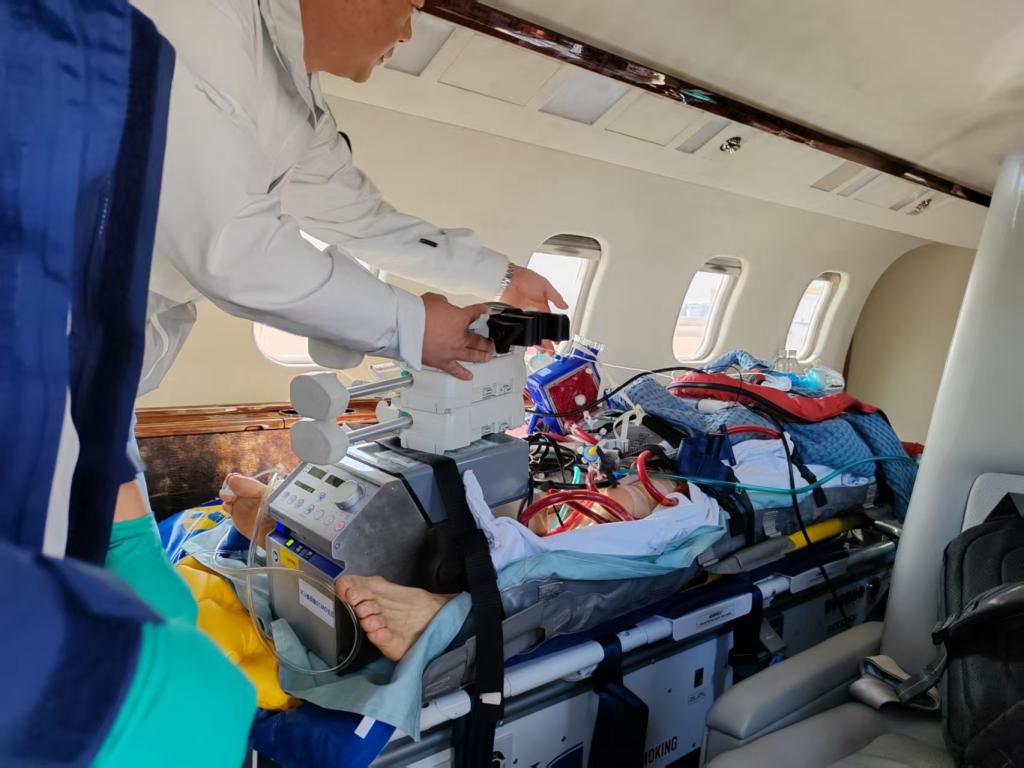
•Patients on ECMO or ventricular assist devices are not able to endure prolonged surface transport. Air ambulances are required that contain a power supply and weight capacity for substantial equipment.
Why Speed Matters: The Biology of Time
In a stroke, the brain loses 1.9 million neurons per minute of delayed treatment. For a massive heart attack, every 30 minutes of delay increases one-year mortality by 7.5%.
A ground ambulance may take 2–3 hours to drive 150 miles, while a helicopter covers the same distance in 45–60 minutes. That difference of 60–90 minutes can be the margin between full recovery and lifelong disability.
However, speed alone is useless without clinical precision. That is why a modern Medical Transfer Service must integrate rapid mobilization with in-flight ICU capabilities.
Ground vs. Air Medical Transfer: A Quick Comparison
| Feature | Ground Ambulance | Air Medical Transfer |
| Range | 50–150 miles optimal | 150–2,500+ miles |
| Speed (including ground time) | 30–60 mph average | 150–400 mph |
| ICU capability | Basic to advanced (BLS/ALS) | Full critical care (ventilator, monitor, infusion pumps) |
| Best for | Local emergencies, short hops | Long distance, time-critical, remote access |
Choosing the Right Medical Transfer Service: What Sets TKP Apart
Not all providers deliver the same level of safety or experience. When a family’s loved one is in the air, you need a partner with proven clinical excellence and global reach.
TKP Medical Assistance combines over two decades of frontline experience, medical precision, and operational reliability. They are not intermediaries — they plan, coordinate, and deliver each transfer with clinical expertise and compassion. Here are some of the pillars of trust that TKP services in Medical Transfer.
Clinical Precision and Safety
At TKP, medical ICU teams conduct the entire patient transfer process. During every step of the transfer, international clinical standards are observed. From the initial assessment before the start of the transfer to the handover, patients are monitored and care is provided during the entire process.
✅Over 24 years of transfer experience
✅Certified ACLS & BLS teams
✅Zero major transfer incidents
24/7 Global Coordination
Medical emergencies don’t follow business hours. TKP‘s global coordination center operates 24/7/365, with multilingual and multidisciplinary staff on standby at all times. They manage every aspect of the transfer with speed, accuracy, empathy, and cultural sensitivity — wherever you are or going.
✅Multilingual staff (English, Chinese, and others)
✅Direct operation – No middleman, no hidden delays
✅Real-time journey tracking & family updates
Comprehensive Medical Transport Services
TKP delivers safe and efficient cross-border emergency and non-emergency medical transfers via multiple modes, including:
✅Commercial stretcher transport with airline approval
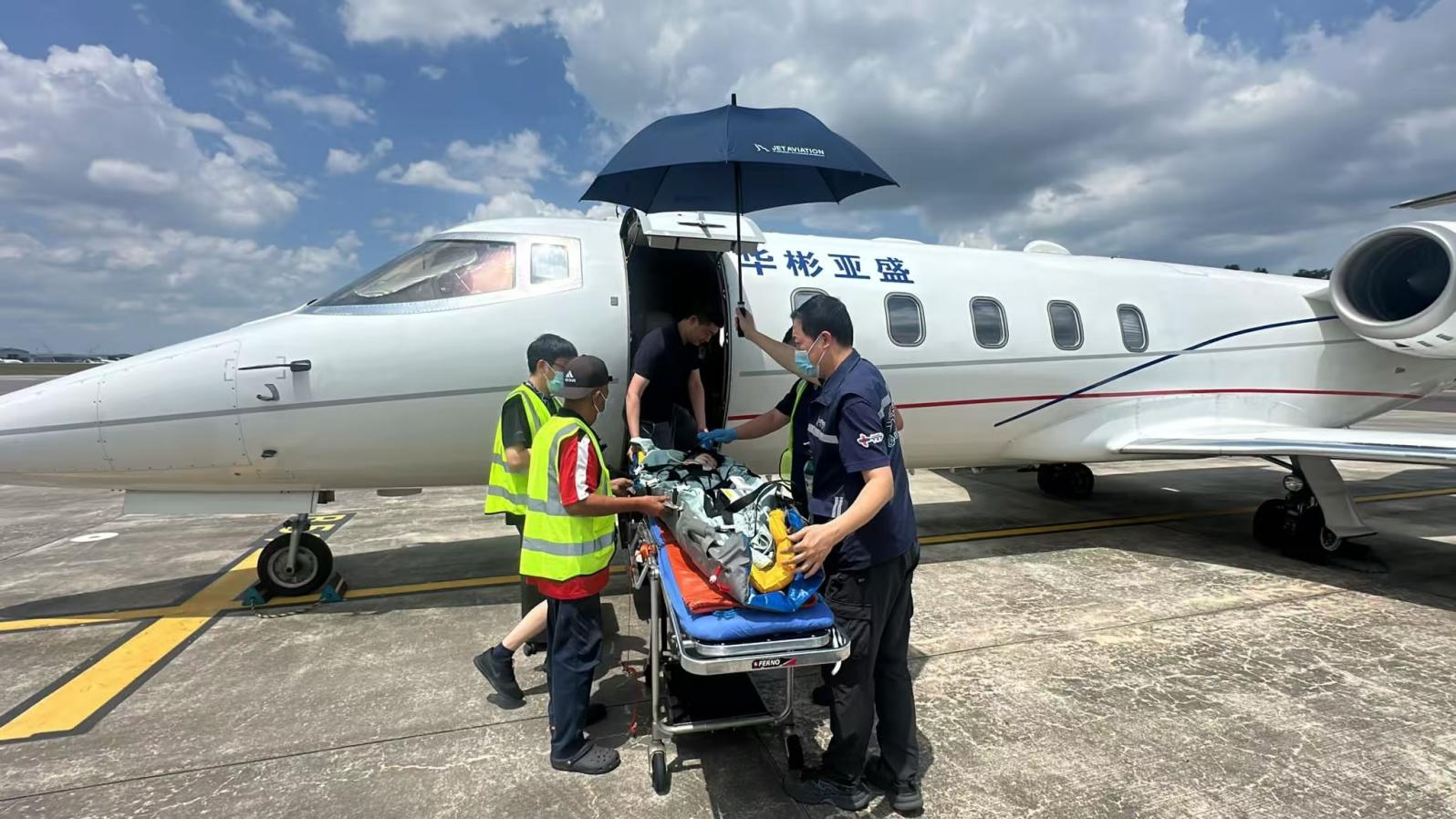
✅Air ambulance services with full onboard medical escort
✅Integrated transport via high-speed rail and ground ambulance
Their focus is on post-stabilization critical care transfers and time-sensitive medical evacuations, ensuring uninterrupted, high-quality care throughout the journey.
Intelligent Transfer Route Map
TKP’s transfer route map showcases a flexible and extensive network of flight paths that connect patients from remote, underserved, or emergency locations to leading medical facilities worldwide. Patient transfers take place safely and efficiently, even in the most remote locations, as long as the appropriate airports have been selected.
Some of the methods they use for route planning include:
•Flight schedules that adjust dynamically based on the patient’s condition and the urgency of the trips
•Comprehensive coverage on both domestic and international trips
•Accessibility to remote locations via airports that have only the most basic infrastructure
•Safety of the patients plugged into the shortest routes and flight times
•Smooth transfers coordinated among the medical facilities and the respective embassies
A unique aspect of their services is that the dedicated operations staff conducts flight monitoring in real time and is capable of modifying flight routes in order to maintain patient care and arrive on time.
Final Thoughts: When Speed Meets Precision
An air medical transfer is not simply a faster ambulance — it is a mobile ICU that brings life-saving care to the patient while racing the clock. Knowing when to request such a service can save a life.
If you or a loved one faces a time-sensitive condition, a distant specialized hospital, or a geographic barrier, do not hesitate to consult a professional Medical Transfer Service. With TKP Medical Assistance’s 24+ years of incident-free experience, global 24/7 coordination, and uncompromising clinical standards, you can trust that every second — and every decision — is handled with the utmost precision and dignity.
In the race between speed and life, choose a partner that masters both.
Frequently Asked Questions (FAQ)
Q1: How quickly can an air medical transfer be arranged?
A: TKP Medical Assistance is a professional Medical Transfer Service that allows the process to begin within minutes. TKP’s global coordination center operates 24 hours a day, 7 days a week, and is responsible for checking the condition of the patient. It generally takes 48 to 72 hours to apply for a MEDA for airline stretcher services, and flight route approval for air ambulances requires 12 to 24 hours.
Q2: Is air medical transfer covered by insurance?
A: Some of your travel or health insurance policies might include coverage for the use of an emergency air ambulance on the grounds of medical necessity. It would be improbable that an air ambulance flight would be covered on grounds of absence of medical necessity. If it is within your coverage, TKP’s Medical Assistance team offers the service of confirming your coverage and arranging a direct billing service to your insurance.
Q3: Can a family member accompany the patient on the air ambulance flight?
A: Usually, one family member is allowed to fly with the patient, as long as space and safety constraints allow it. TKP will make the arrangements for the family member and will explain what they can expect on the flight.
Q4: What is the difference between a helicopter air ambulance and a fixed-wing air ambulance?
A: If the travel is to an isolated destination, a helicopter will be the best option. If the travel is to an offshore destination or to a different country, a jet or propeller air ambulance is better because it is faster and can carry more medical equipment. Taking into account the patient’s situation and the distance involved, TKP will choose the best alternative.
Q5: After you land, will you receive support with the ground ambulance transfer from TKP?
A: Absolutely. TKP’s integrated service includes door-to-door coordination. After the air segment, a ground ambulance meets the patient at the arrival airport and continues medical monitoring all the way to the receiving hospital bed — no gaps in care.
Submit Your Request
Recent Posts
Tags
- Air Ambulance
- Bedside To Bedside
- Cross Border Aid
- Emergency Evacuation
- Global Medical Rescue
- How can I ensure the patient's stability while in the air?
- How do I request an air medical transport?
- How is it different from an air ambulance
- how to activate emergency aircraft service
- how to request an air ambulance
- Is air medical transport safe
- Is international transport possible
- Medical Rescue
- Medical Transport
- Patient Repatriation
- Remote Rescue
- Seamless Coordination
- Telemedicine Support
- Tourists And Expats Medical Escort
- What are the benefits of a cross-border medical transfer
- What are the different types of transfers
- What are typical use cases
- What documents do I need to prepare for a transfer?
- What does high-speed rail patient transfer stands for
- What is air ambulance
- What is air medical transport?
- What is cross-border medical transfer
- What is emergency aircraft
- what is high-speed rail patient transfer
- What is medical charter flight
- what is neonatal ICU transfer
- What is patient air transfer
- What medical equipment is available on board the aircraft
- What situations shouldn't use air medical transport?
- What types of air ambulance are there?
- What types of air ambulance exist
- What's the difference between international and domestic transfers?
- what’s the difference between air medical transport and regular ambulance?
- When is emergency air transport necessary
- Which patients require air medical transport?
- who is included in the medical team
- who needs an air ambulance