


Cross-Border Patient Transfer: How ICU-Level Continuity Reduces Family Stress


Cross-Border Patient Transfer is especially challenging when a patient is too fragile for ordinary travel. For families, the main concern is not only the flight, but also approvals, ground transport, in-transit monitoring, airport waiting time, documents, and coordination with the receiving hospital. That is why ICU-level continuity of care matters so much.
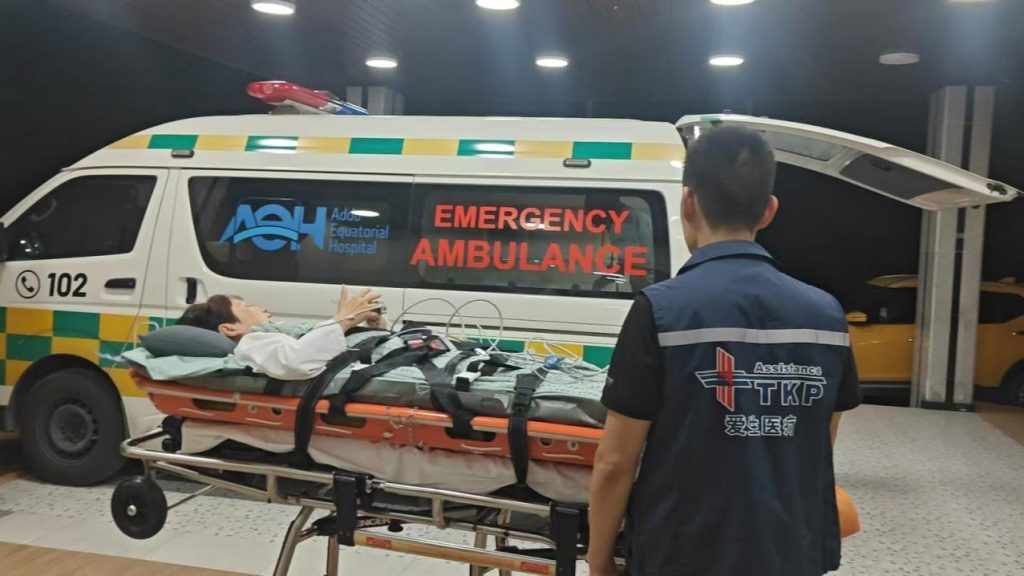
TKP Medical Assistance manages the full journey through coordinated commercial stretcher, air ambulance, high-speed rail, and ground ambulance services, helping families move patients across borders with greater safety, continuity, and peace of mind.
The Real Pain Point Families Face
When a loved one needs repatriation or transfer for specialist care, families often assume the hardest part is finding an aircraft. In reality, the hardest part is maintaining stability during a long, multi-stage journey.
A patient with traumatic brain injury, respiratory compromise, or post-stabilization critical care needs may face risks from:
• Delayed medical clearance
• Poor handover between teams
• Limited monitoring during airport layovers
• Inadequate oxygenation or sedation support
• Weak communication across languages, countries, and time zones
• Gaps between flight and ground segments
These are not small details. WHO materials on patient handovers and transitions of care make clear that when information, treatment plans, and monitoring do not move smoothly with the patient, the risk of harm rises.
For families, this means reassurance does not come from hearing that transport has been booked. Reassurance comes from knowing the patient will remain medically protected from bedside to bedside.
Why ICU-Level Continuity Matters More Than Speed Alone
Fast transport is important, but speed without continuity can create new risk. A medically fragile patient may remain stable in hospital, then deteriorate during transfer if monitoring, airway support, oxygen delivery, sedation, or clinical communication is not maintained.
That is why ICU-style transfer capability has become such a valuable service standard. In high-risk transport, experienced teams rely on meticulous planning, redundant equipment, continuous monitoring, and real-time clinical adjustment. Even in highly complex ECMO transport literature, safe transfer is consistently linked to experienced personnel, preparation, and organized logistics rather than transport speed alone.
For families comparing options, this changes the decision. The question is no longer, “Which route is available first?” It becomes, “Which provider can keep my loved one safe through every hour of the journey?”
A Real Case: Milan to Eastbourne With PTC Support
One case from TKP Medical Assistance shows why this matters.
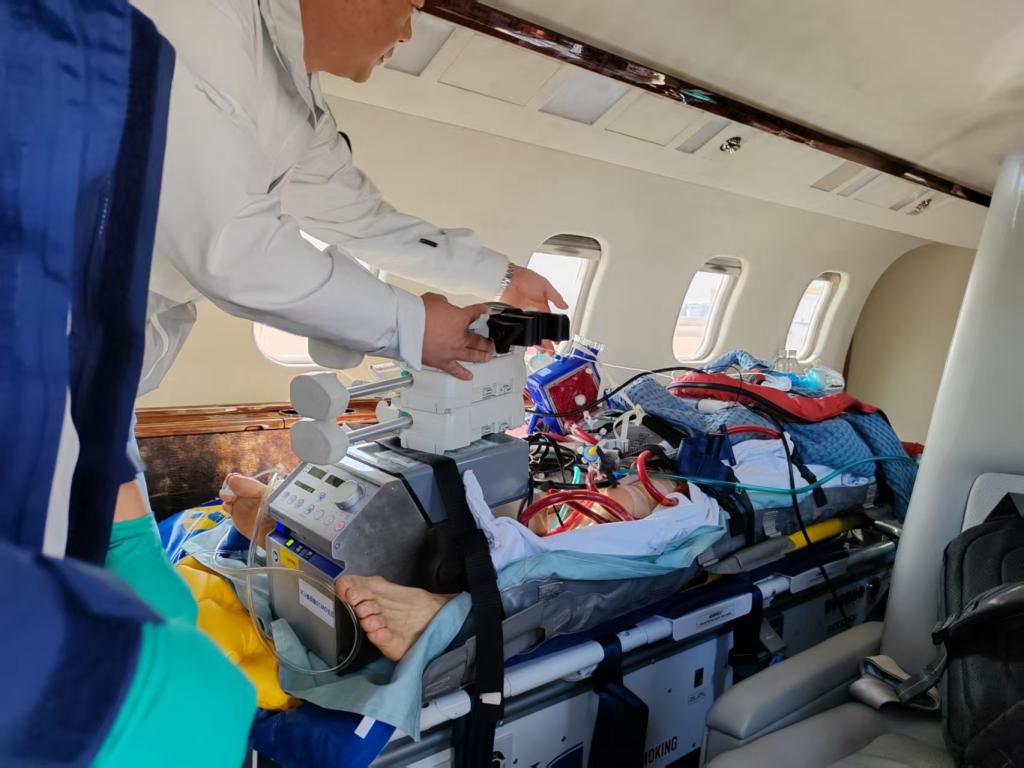
On February 14, 2019, TKP coordinated a transfer involving a patient with traumatic brain injury using a Patient Transport Compartment (PTC) solution. The case required meticulous cross-border coordination, including international medical support, intercontinental stretcher planning across airlines, and a 10-hour airport transfer ICU setup at Charles de Gaulle Airport for blood gas monitoring and vital-sign adjustment.
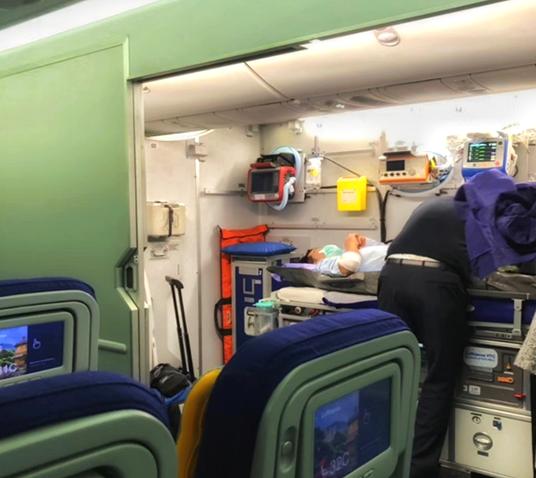
This case highlights an important reality in Cross-Border Patient Transfer: long-distance medical movement is rarely just “airport to airport.” It often involves multiple medical and logistical environments, each of which must be managed as part of one continuous care pathway.
During the transfer, the patient was safely secured inside the PTC, connected to monitoring devices, supported with oxygenation and sedation, and closely observed throughout the journey. For families, that kind of setup matters because it reduces uncertainty at the most vulnerable stages of travel.
How TKP Medical Assistance Matches Today‘s Needs
Healthcare systems are placing more emphasis on integrated emergency and critical care pathways, including transport, early inpatient care, and better coordination across settings. The emergency care framework developed by the WHO integrates transport into the system of emergency care, rather than viewing it merely as a logistical consideration.
TKP’s service model aligns well with that direction.
Multi-Modal Planning
TKP provides:
• Commercial stretcher transport with airline approval
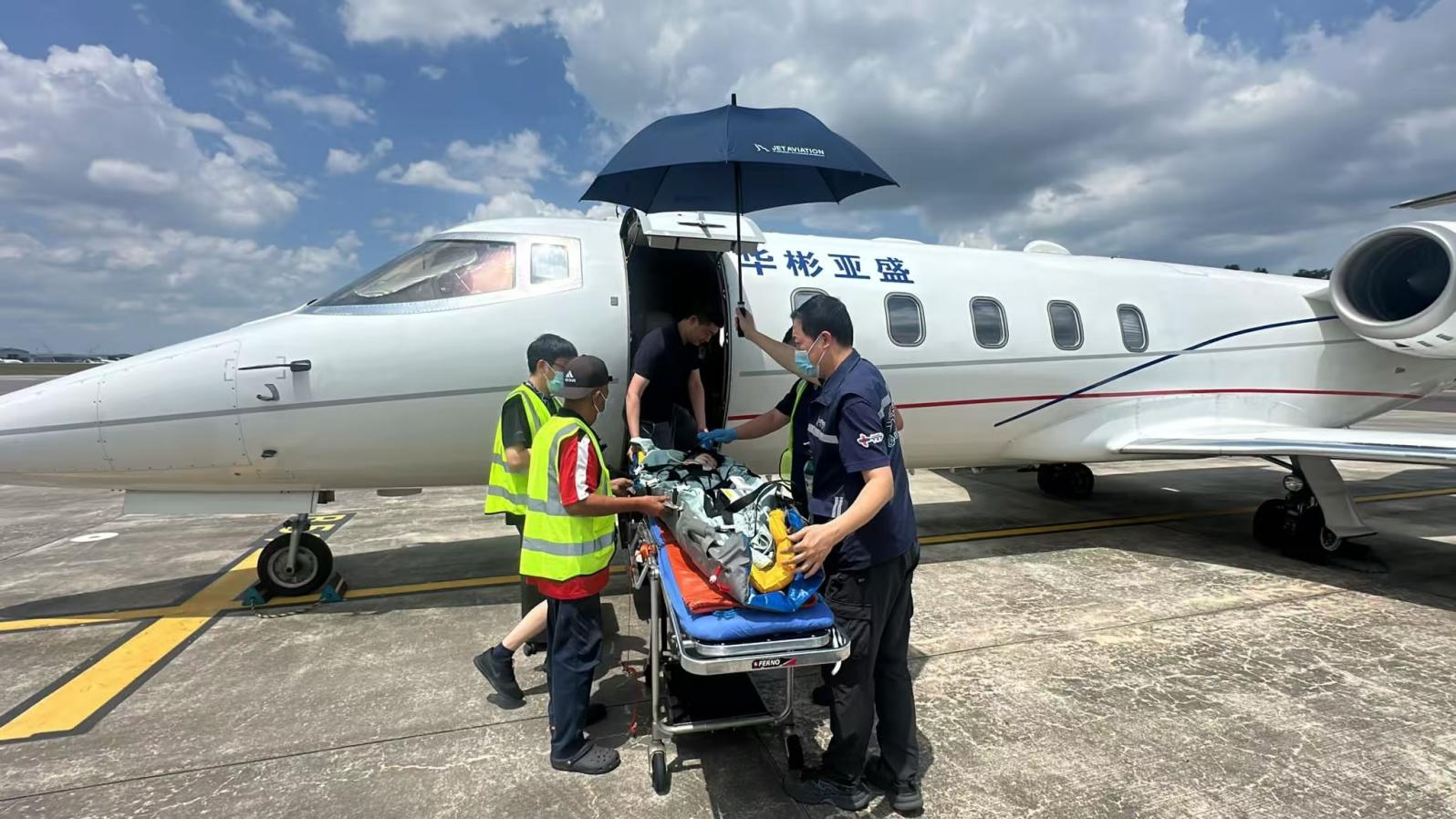
• Air ambulance with full onboard medical escort
• Integrated high-speed rail and ground ambulance transfer
• ICU and post-stabilization critical care transfer support
• Time-sensitive international medical evacuation
This matters because not every patient needs the same transport model. Some need a fully equipped air ambulance. Others may be stable enough for commercial stretcher transfer, but still require close monitoring and professional escort. A provider with multiple transport modes can match the mission to the clinical need, timeline, and budget more precisely.
Advanced Equipment Ready for Transport
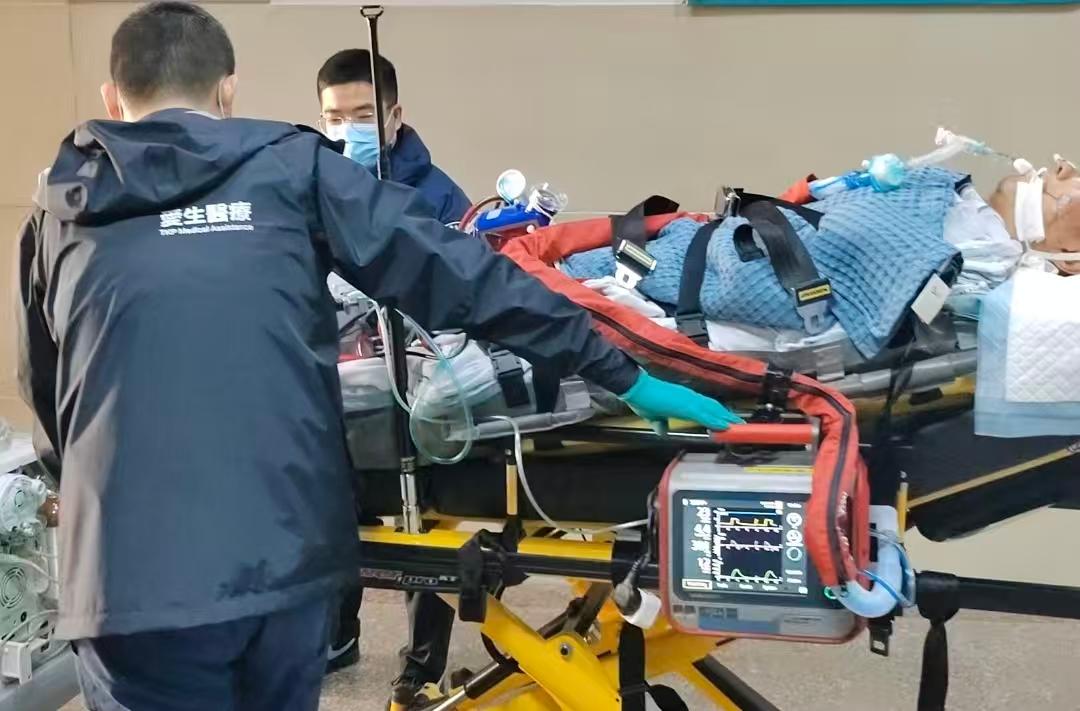
Every mission can be equipped with portable ALS/ACLS systems, transport-ready ICU monitors, oxygen supply, ventilators, and ECMO when required. For families, this is one of the clearest indicators of seriousness. It means the transfer is built around the patient’s condition rather than around the convenience of the transport method.
Global Coordination That Reduces Delays
TKP also emphasizes route flexibility, real-time operations monitoring, and close coordination with hospitals and embassies. That is especially important when families are dealing with different visa rules, language barriers, receiving-hospital arrangements, and changing patient status.
Airline medical travel itself often requires structured clearance processes and specialized handling for medical passengers, including stretcher cases. Industry guidance from IATA reflects how important proper medical clearance and coordinated passenger support are in these situations.
What Families Should Prepare Early
A smoother transfer usually starts with better preparation. Families should try to organize:
• Recent medical records and diagnosis summaries
• Current medication list and treatment plan
• Attending physician contact details
• Passport, visa, and ID documents
• Insurance information or payment contact
• One authorized family representative for decisions
• Preferred receiving hospital, if already known
• Special requests such as oxygen, language help, or mobility support
This early preparation can shorten approval and coordination time, which is especially valuable in urgent cases.
A Trusted Option for International Medical Movement
Founded in 2001, TKP Medical Assistance has completed more than 10,000 missions, including air ambulance, commercial stretcher, and high-speed rail transfers. With headquarters in Shenzhen, six branch offices across China, and coordination links in Hong Kong, Southeast Asia, and Europe, TKP presents itself as a provider built for modern regional and international medical mobility.
For patient families, the value is simple: when a loved one must travel across borders for treatment, repatriation, or higher-level care, safe transfer depends on more than transport availability. It depends on whether medical protection continues without interruption.
That is why Cross-Border Patient Transfer today is best judged by one core standard: can the provider maintain ICU-level continuity from first contact to final hospital handover? In that respect, TKP Medical Assistance offers a model that is practical, medically focused, and aligned with the way international patient transport is evolving.
Submit Your Request
Recent Posts
Tags
- Air Ambulance
- Bedside To Bedside
- Cross Border Aid
- Emergency Evacuation
- Global Medical Rescue
- How can I ensure the patient's stability while in the air?
- How do I request an air medical transport?
- How is it different from an air ambulance
- how to activate emergency aircraft service
- how to request an air ambulance
- Is air medical transport safe
- Is international transport possible
- Medical Rescue
- Medical Transport
- Patient Repatriation
- Remote Rescue
- Seamless Coordination
- Telemedicine Support
- Tourists And Expats Medical Escort
- What are the benefits of a cross-border medical transfer
- What are the different types of transfers
- What are typical use cases
- What documents do I need to prepare for a transfer?
- What does high-speed rail patient transfer stands for
- What is air ambulance
- What is air medical transport?
- What is cross-border medical transfer
- What is emergency aircraft
- what is high-speed rail patient transfer
- What is medical charter flight
- what is neonatal ICU transfer
- What is patient air transfer
- What medical equipment is available on board the aircraft
- What situations shouldn't use air medical transport?
- What types of air ambulance are there?
- What types of air ambulance exist
- What's the difference between international and domestic transfers?
- what’s the difference between air medical transport and regular ambulance?
- When is emergency air transport necessary
- Which patients require air medical transport?
- who is included in the medical team
- who needs an air ambulance