


Patient Air Transfer: How Multi-Modal Flexibility Improves Cross-Border Medical Transport


Patient Air Transfer has become more demanding because cross-border medical travel rarely depends on one transport method alone. For hospitals, insurers, assistance companies, and families, the challenge is choosing the right combination of transport options to match the patient’s condition, distance, timing, and budget without adding risk or delay.
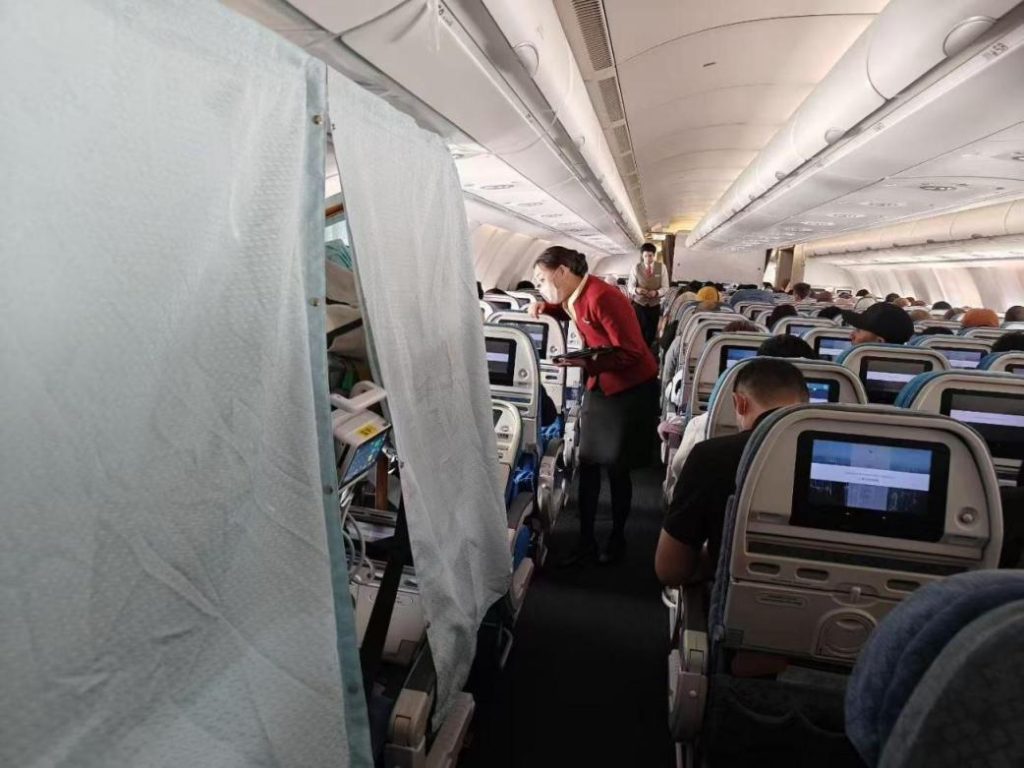
TKP Medical Assistance meets this need through one coordinated framework that includes commercial stretcher transfer, air ambulance, high-speed rail, and ground ambulance support, making flexibility a practical advantage in modern medical transport.
Cross-Border Transfers Rarely Fit One Standard Model
In real-world international medical transport, no two cases look exactly the same.
One patient may be stable after surgery but unable to sit upright for a long commercial journey. Another may need urgent evacuation with advanced monitoring and life-support support. A third may only require a short local ambulance ride to connect with a longer international transfer route. For buyers managing these cases, the difficulty often comes from trying to fit a complex medical situation into a single transport format.
That approach creates problems. It may increase cost, reduce efficiency, or introduce avoidable operational pressure. A chartered air ambulance may be more than a stable patient actually needs. A commercial flight with escort may not be suitable for a more fragile case. Ground transport alone may not meet the timing requirement. The real procurement issue is not whether transport is available. It is whether the provider can design the right transport pathway.
This is why multi-modal planning is becoming more important in international patient movement.
Multi-Modal Flexibility Is the Service Feature That Matters
The strongest theme for this article is simple: transport flexibility improves case suitability.
TKP Medical Assistance does not rely on one fixed model. Instead, it evaluates each case and helps determine whether the best solution should involve:
• Ground ambulance for bedside pickup or airport transfer
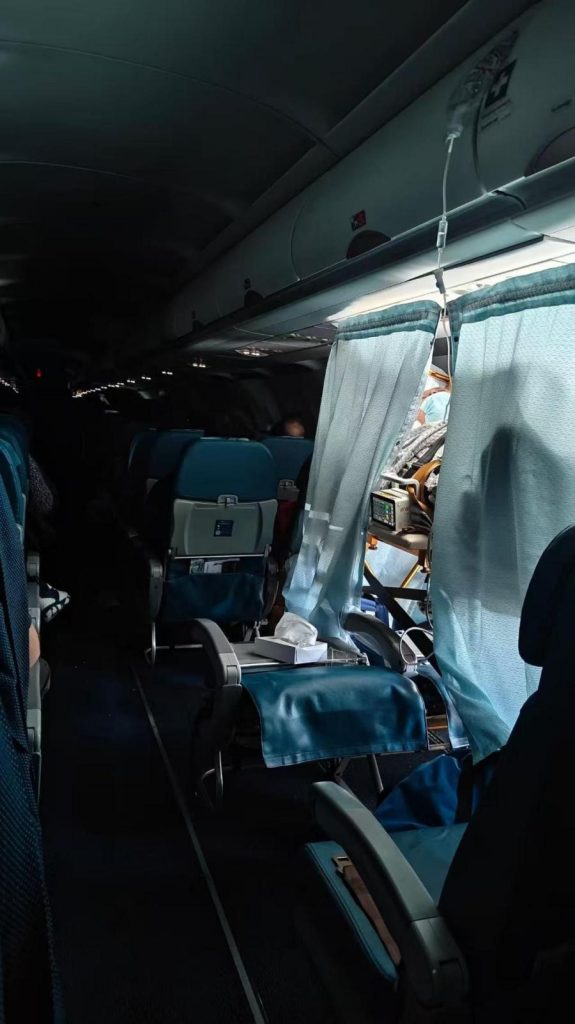
• Commercial stretcher service for bedridden but stable patients
• Medical escort on a scheduled commercial flight
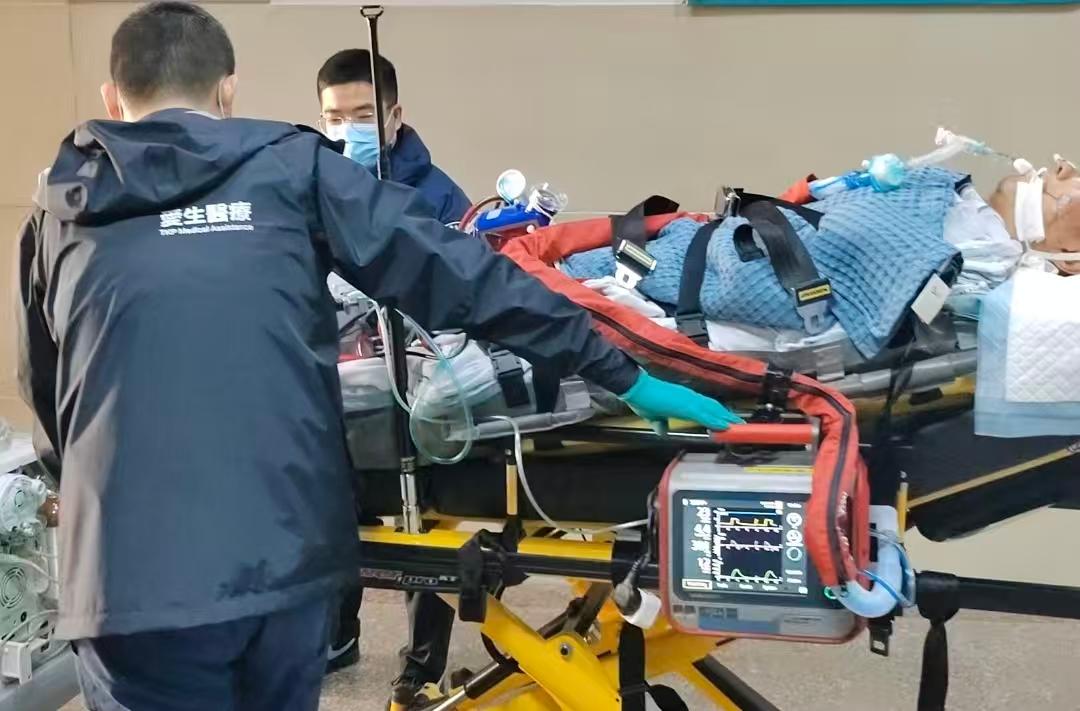
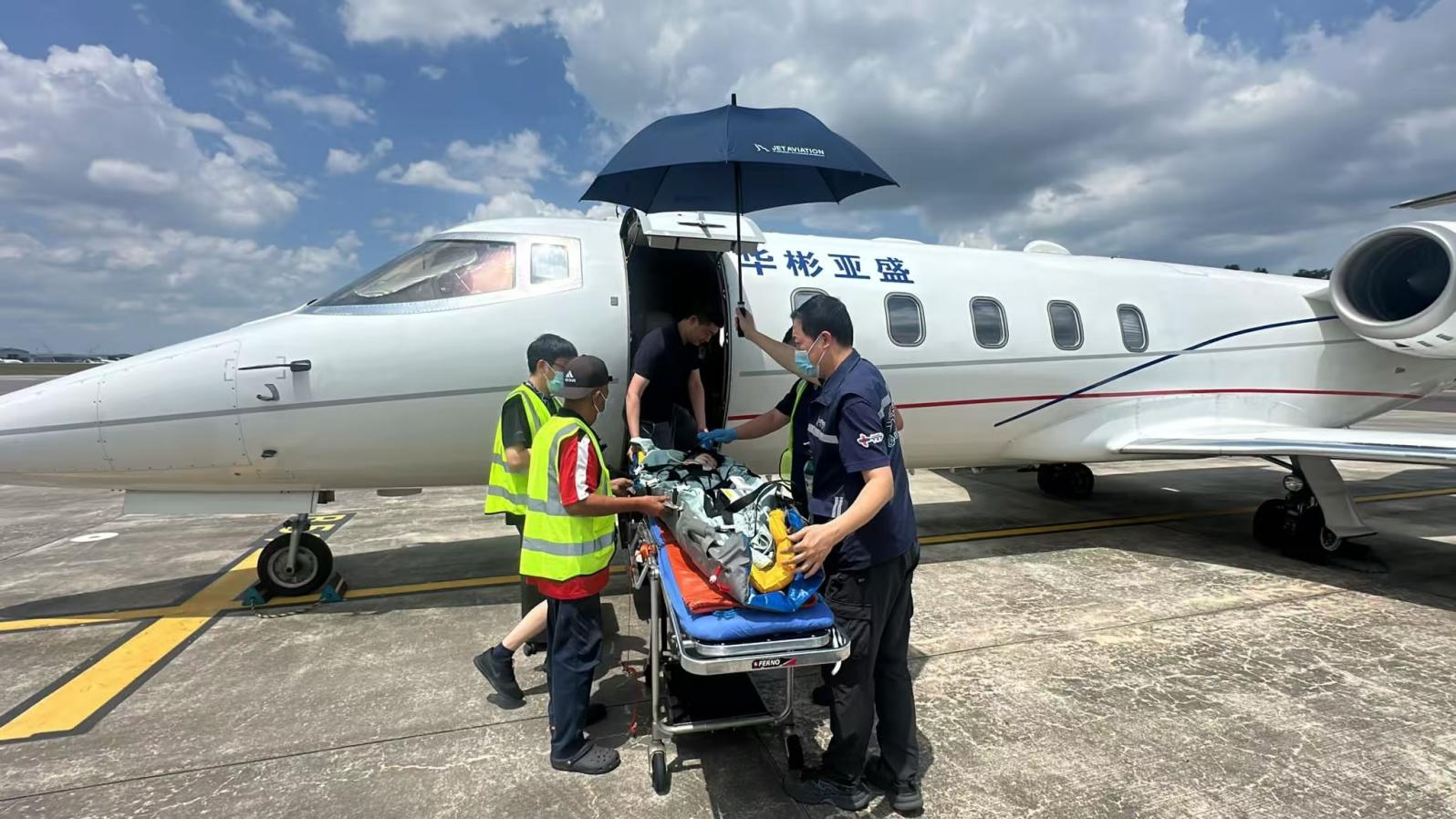
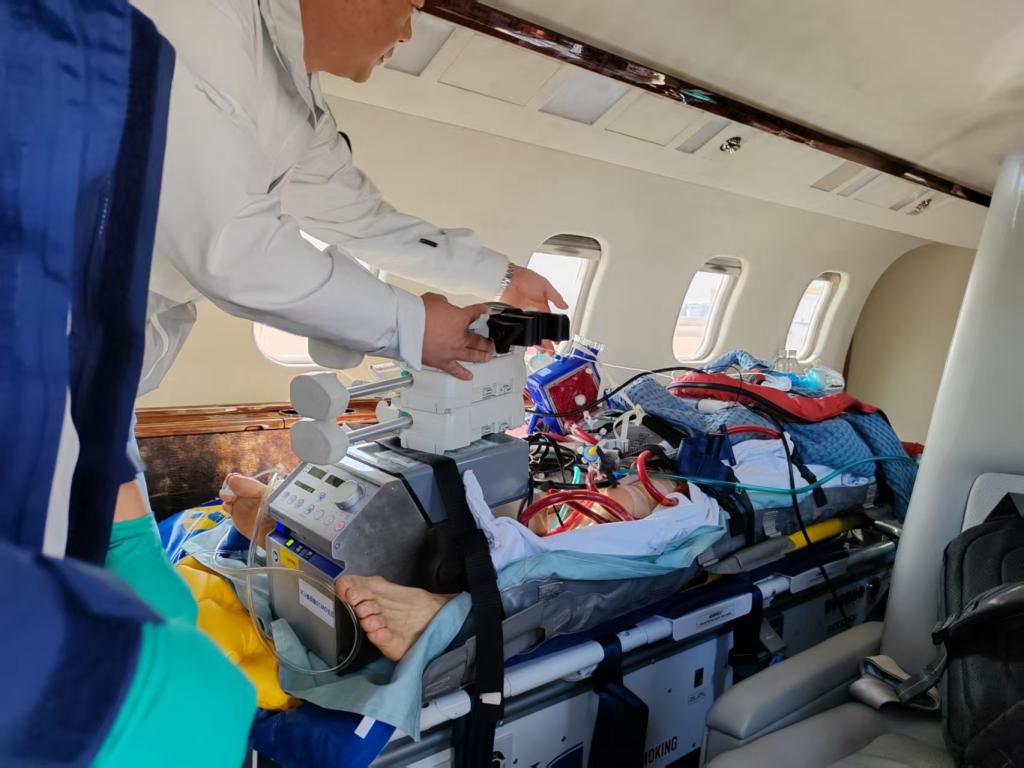
• Air ambulance for urgent or high-acuity missions
• High-speed rail for selected regional transfer scenarios
This flexibility matters because the best transfer solution should always be based on the patient rather than on the transport provider’s limitations.
For overseas partners, that creates three important advantages:
• Better matching between patient condition and transport method
• More control over total transfer cost
• Greater operational efficiency across borders
In procurement terms, this makes TKP Medical Assistance easier to work with because the service can adapt to different medical and commercial realities.
Why Buyers Are Looking for More Flexible Medical Transport Solutions
The demand for flexible international medical transport is increasing because patient movement is becoming more varied.
Hospitals refer patients to specialist centers in other countries. Insurers handle repatriation requests with different urgency levels. Assistance companies coordinate medical travel under strict time pressure. Families seek safer transfer options after stabilization abroad. In all of these situations, the transport plan must support both clinical safety and practical delivery.
This is where rigid service design becomes a weakness.
If a provider only offers one mode, the client may be pushed toward a solution that is either too expensive, too limited, or too slow. By contrast, TKP Medical Assistance supports a broader service model that can respond to different transfer profiles. That is especially valuable in cases involving:
• Post-stabilization hospital discharge
• International repatriation
• Non-emergency long-distance transfer
• Time-sensitive medical evacuation
• Bedridden patients requiring escorted travel
• Cross-border referral to another medical facility
A flexible transport platform is more aligned with how the market now operates. Buyers want solutions that are medically appropriate, logistically realistic, and commercially manageable.
TKP Medical Assistance Builds the Route Around the Case
A major strength of TKP Medical Assistance is that its workflow is designed to turn a complex case into a clear operational pathway.
Its activation process includes inquiry intake, clinical review, route and mode planning, quotation, resource activation, pickup, in-transit care, destination handover, and follow-up. This structure is important because flexibility only creates value when it is supported by professional coordination.
For example, a patient may require:
• A local ambulance from hospital to airport
• A commercial stretcher cabin arrangement on an international flight
• Medical escort support during flight
• A destination-side ambulance to the receiving hospital
Another patient may require a much faster air ambulance mission with full onboard monitoring.
These are very different profiles, but both can be handled more effectively when the provider has access to multiple transport methods and can integrate them into one service plan. That is the difference between simply offering transport and delivering a professional transfer solution.
Commercial Stretcher Transfer Adds Practical Value
Among TKP Medical Assistance’s service options, commercial stretcher transfer deserves special attention because it addresses a very common market need.
Many international patients are not in immediate life-threatening condition, but they are also not suitable for standard seated airline travel. In such scenarios, balanced alternatives such as commercial stretchers can be arranged.
For partners, this option offers several practical benefits:
• More economical than a full air ambulance in suitable cases
• Better suited to stable bedridden patients
• Supports long-distance international travel
• Can be integrated with ground ambulance and medical escort services
This makes commercial stretcher transfer a strong example of how multi-modal flexibility can directly improve service value. Instead of using an all-or-nothing approach, TKP Medical Assistance offers a more tailored path.
A More Modern Standard for Patient Air Transfer
The future of Patient Air Transfer is not defined by one vehicle or one route type. It is defined by how effectively a provider can combine clinical judgment, transport options, and cross-border coordination into one dependable service.
That is why multi-modal flexibility is a strong theme for TKP Medical Assistance.
It reflects what modern buyers are actually looking for: a provider that can respond to different levels of acuity, different transport distances, different regulatory environments, and different budget realities without losing control of quality. For overseas hospitals, insurers, and medical assistance partners, this is more than a logistics advantage. It is a purchasing advantage.
TKP Medical Assistance meets that expectation by combining medical review, structured workflow, and multiple transport methods into one coordinated offering. In a market where no two transfer cases are exactly alike, that kind of flexibility is not optional. It is what makes cross-border medical transport more workable, more scalable, and more relevant to current international demand.
Contact TKP Medical Assistance
Need urgent or planned medical transport support across borders? TKP Medical Assistance is ready to help coordinate safe and efficient transfer solutions.
• Email: info@tkpma.cn
• Tel: +86 75583980108
Submit Your Request
Recent Posts
Tags
- Air Ambulance
- Bedside To Bedside
- Cross Border Aid
- Emergency Evacuation
- Global Medical Rescue
- How can I ensure the patient's stability while in the air?
- How do I request an air medical transport?
- How is it different from an air ambulance
- how to activate emergency aircraft service
- how to request an air ambulance
- Is air medical transport safe
- Is international transport possible
- Medical Rescue
- Medical Transport
- Patient Repatriation
- Remote Rescue
- Seamless Coordination
- Telemedicine Support
- Tourists And Expats Medical Escort
- What are the benefits of a cross-border medical transfer
- What are the different types of transfers
- What are typical use cases
- What documents do I need to prepare for a transfer?
- What does high-speed rail patient transfer stands for
- What is air ambulance
- What is air medical transport?
- What is cross-border medical transfer
- What is emergency aircraft
- what is high-speed rail patient transfer
- What is medical charter flight
- what is neonatal ICU transfer
- What is patient air transfer
- What medical equipment is available on board the aircraft
- What situations shouldn't use air medical transport?
- What types of air ambulance are there?
- What types of air ambulance exist
- What's the difference between international and domestic transfers?
- what’s the difference between air medical transport and regular ambulance?
- When is emergency air transport necessary
- Which patients require air medical transport?
- who is included in the medical team
- who needs an air ambulance