


What Happens During an Emergency Patient Transfer? Inside the “Mobile ICU” Ambulance


During an Emergency Patient Transfer, the ambulance is far more than transport—it is a Mobile ICU, maintaining ICU-level care within a confined space despite vibration and traffic. Understanding this carefully orchestrated journey helps families, patients, and providers appreciate its complexity.
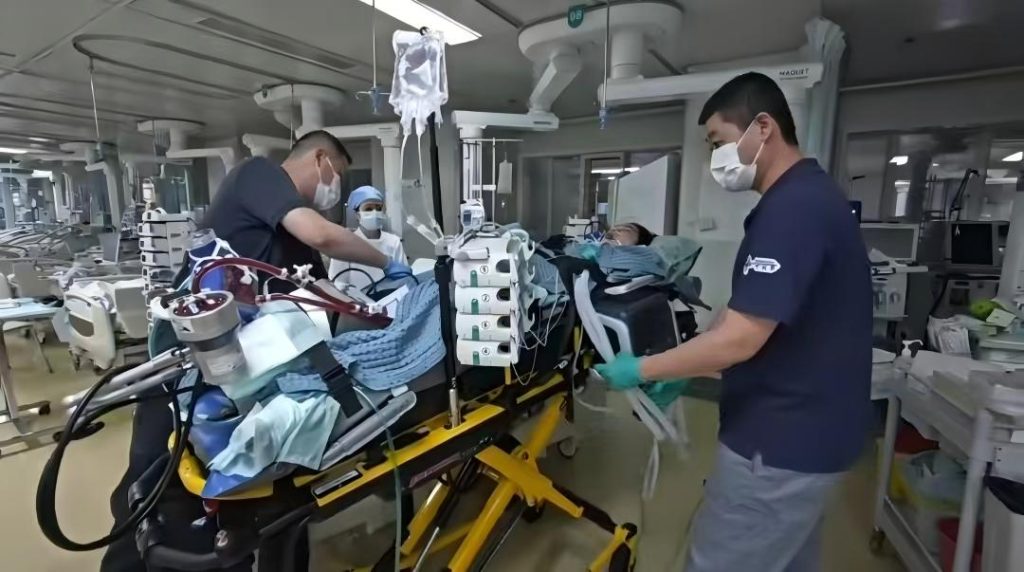
TKP Medical Assistance, a cross-border transfer leader since 2001, has completed over 10,000 air ambulance, stretcher, and rail missions, all rooted in clinical continuity from bed to bed. This guide takes you inside the Mobile ICU to reveal what truly happens.
What Is a “Mobile ICU”? Redefining the Emergency Patient Transfer Vehicle
A Mobile ICU is a specially designed ambulance for the transport of critically ill patients, capable of providing intensive care unit-level treatment inside the vehicle. The goal of standard ambulances is to quickly transport and stabilize patients. Mobile ICUs are designed to sustain patients’ lives during long, extensive trips.
•ICU Care in Transit — Mobile ICUs provide the same level of care, monitoring, and support ventilation and life services as a hospital-based unit.
•Designed for long trips — Mobile ICUs have large systems that provide oxygen and the necessary advanced life support for long transfers.
•Transport multiple patients — Mobile ICUs are able to transport one stretcher patient along with three other patients in wheelchairs.
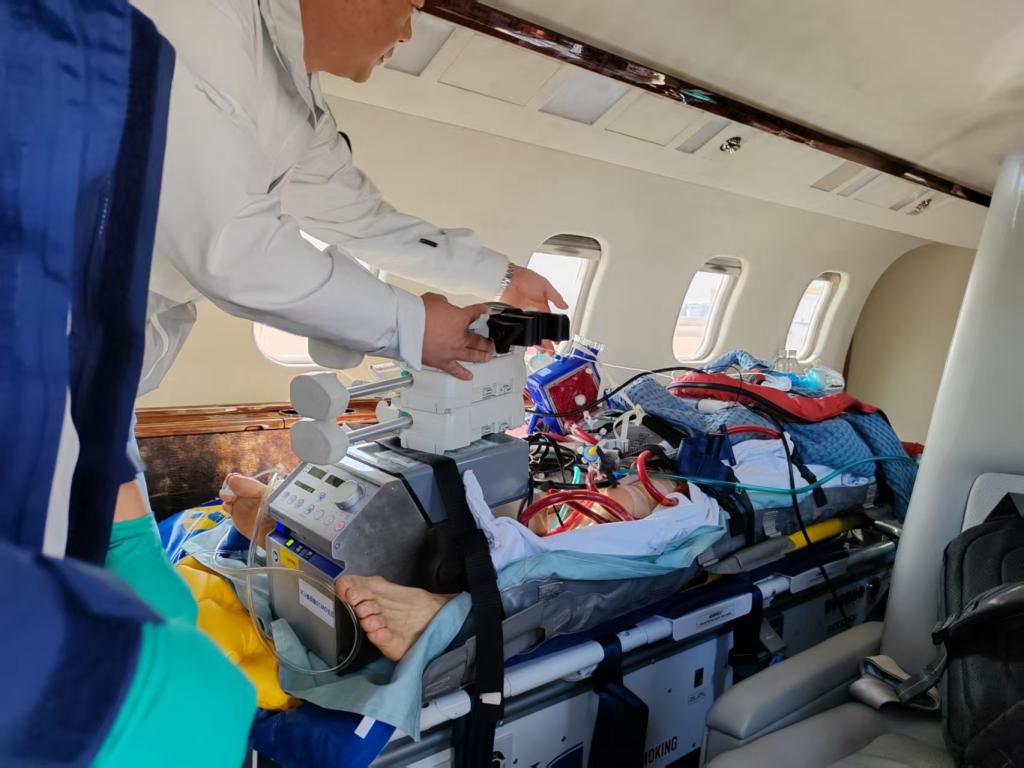
•Complete ICU Equipment Integration — Mobile ICUs are equipped with cardiac monitors, ECMO systems, invasive and non-invasive ventilators, and the complete life-support systems.
•Constant Availability — Mobile ICUs offer Emergency Patient Transfer and Inter-hospital Transfer Services 24 hours a day.
Inside the Mobile ICU: Equipment that Makes Emergency Patient Transfer Possible
Mobile ICUs are equipped to give patients a high level of care from the moment they are picked up until they are delivered to the next facility. Proper Emergency Patient Transfer vehicles are equipped to perform a variety of functions.
Monitoring and Diagnostic Equipment
•ICU transport monitors — These monitors provide real-time coverage and displays of a patient’s heart rate, blood pressure, blood gases, and pulse oximetry, along with continuous information for the medical staff.
•Multi-parameter monitoring – Advanced monitors provide a full clinical picture during Emergency Patient Transfer. They measure ECG, invasive blood pressure, end-tidal CO₂, and temperature.
•Tele-ICU connectivity – 5G smart ambulances allow real-time remote ICU monitoring on the ground. This allows intensivists to see and advise during the transport.
•Defibrillator with monitoring – Portable defibrillators with built-in monitors are always available during transfer.
Respiratory and Ventilatory Support
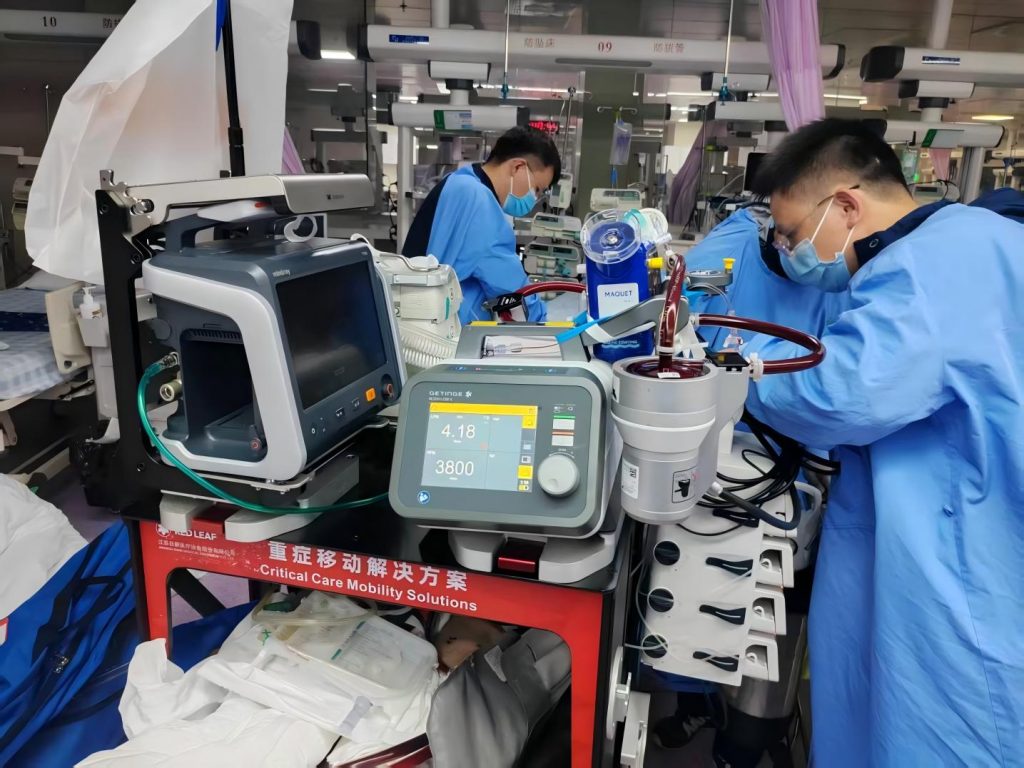
•Transport Ventilators – These Ventilators can provide O2 and utilize a spectrum of Ventilation from totally controlled IPPV, to assistance modes of Ventilation such as SIMV, BIPAP, CPAP with pressure support.
•Ventilator-Monitor Combos – For seamless transfer from the ambulance to ICU Ventilators, Advanced Transport Ventilators can integrate with Monitor Systems.
•Multiple Oxygen Supplies: For your standard O2 supply, Transport Ventilators can be linked to O2 tanks in the ambulance. More tanks might accompany for supplemental Emergency Patient Transfer.
•Vacuum and Airway Management: In Airway management and Airway protection, Vacuum Suction and Bag-Valve-Masks with O2 tubing are also included.
Medication and Infusion Management
•Infusion Pumps: In Emergency Patient Transfer, IV Pumps are used in Emergency Patient Transfer to control the rate of infusion of sedatives and/or medications.
•Multiple IV Access Points – Emergency Patient Transfer routinely provides multiple IV access lines for continuous medication.
•Pre-positioned Emergency Medications – Pre-arranged, identified, and secured vasopressors, hemostatic agents, and other medications of sedation and resuscitation provide rapid access to emergency medications.
Specialized Life-Support Systems
•ECMO Capability – During transport, Mobile ICU’s can provide ECMO and Transport Designed ECMO Systems are contained within the ICU.
•Transport Incubators – Specialized Incubators designed for Emergency Patient Transfer, maintain temperature and humidity for premature and neonatal patients.
•In-flight advanced cardiac support devices are external pacemakers and defibrillators to assist patients with irregular cardiac rhythms.
The Emergency Patient Transfer Team: Who Rides in the Mobile ICU?
A Mobile ICU is only as effective as the team that operates it. Emergency Patient Transfer requires highly trained personnel who can function in the confined, moving environment of the ambulance.
•ICU-trained Physicians – Senior ICU physicians with longstanding experience in High-Acuity Critical Care cover all High-Acuity Emergency Patient Transfer missions.
•ICU Specialist Nurses – ICU Nurses travel with the patient and are responsible for the management of Ventilation, Monitoring, Medication, and Records.
•Pre-Hospital Emergency Personnel – An Emergency Team along with Transport personnel perform driving duties, manage equipment, and take charge at the scene.
•CCT Paramedics – Each CCT Unit, at the least, employs one CCT Paramedic.
•Multilingual Coordination – In line with the characteristics of Cross-border Emergency Patient Transfers, Multilingual (Mandarin, Cantonese, English, Russian, Spanish) personnel are employed to facilitate communication with the families and cooperating entities.
•Continuous Shift Coverage – The same clinical team is responsible for the patient throughout the Emergency Patient Transfer.
What Happens During the Emergency Patient Transfer Journey: A Step-by-Step Look
Before Departure: The Pre-Transfer Assessment
The Emergency Patient Transfer process begins prior to the closing of the ambulance doors. The clinical team does one last bedside assessment to ensure the patient is still stable.
•Stability Confirmation – The team checks the status of the transfer patient’s Ventilator settings, and the status of any required Vasoactive medications along with the patient’s Hemodynamic status.
•Equipment Checklist – The Clinical team ensures that all required equipment is present, and that the required levels of Oxygen along with any needed backup equipment are confirmed.
•Escort Level Defined – Based on patient acuity, the team makes the determination regarding the need for an ICU-trained Doctor, Nurse, or both.
•Established Medication Plan — All required medications are prepared, labeled, and positioned for easy access during the Emergency Patient Transfer.
Moving: The Mobile ICU in Motion
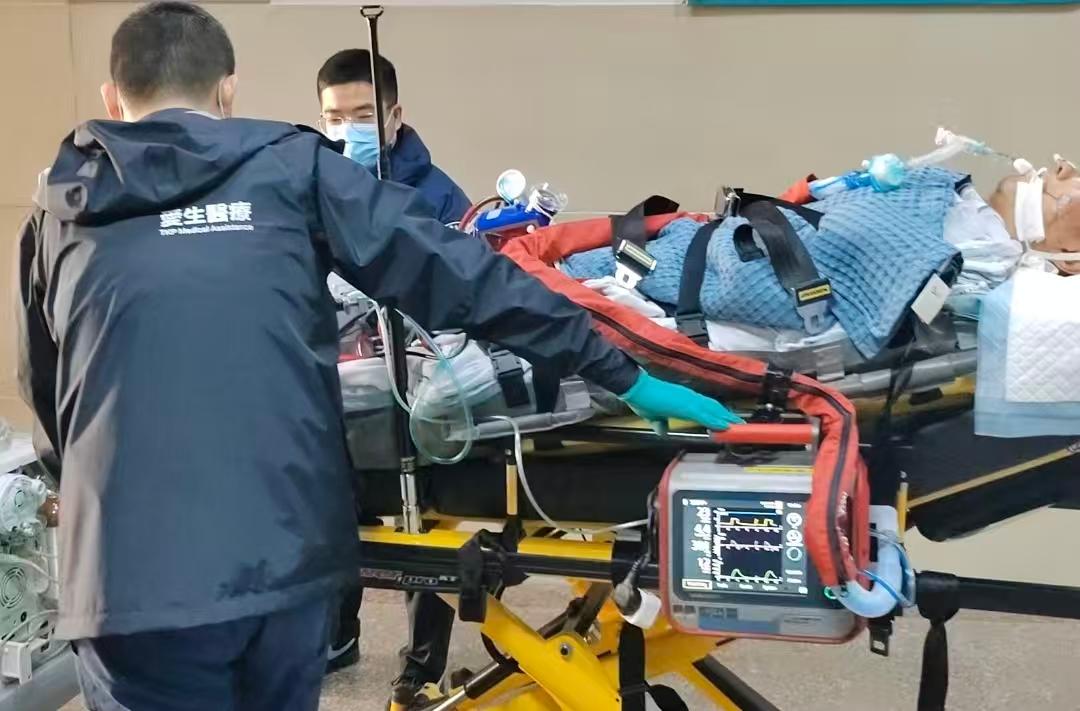
Once the vehicle begins moving, the Emergency Patient Transfer is at its most dynamic — providing continuous care within a dynamic environment.
•Continuous monitoring of vital signs — Vital signs are recorded in a manner which allows a full trace and a trend be documented, as opposed to an isolated deposit.
•Movement of the Ventilator — The clinical staff have to adjust the Ventilator throughout as the vehicle moves to account for the vibrations and the shift in the positioning of the patient.
•Management of the airway — In the case of a patient requiring a Tracheostomy and/or a Ventilator, humidifying and airway management of pressure injury are sustained.
•Management of sedation and analgesia — The balance of IV infusions of sedation, as well as the transfer, are documented throughout the Emergency Patient Transfer.
•Monitoring of risk — Regular monitoring for clinical risks, such as hypotension and desaturation, is performed throughout the transfer.
•Real time documentation — The immediate transfer of vital signs, medication, and interventions is documented immediately, as opposed to after.
The Transfer: Finalizing the Emergency Patient Transfer
The Emergency Patient Transfer is complete only after the patient is physically transferred to the receiving team.
•Total clinical handover — The escort team provides a complete verbal report covering the patient’s status, all interventions performed, and observed changes during the transfer.
•Transfer of documentation — All documentation, the patient’s medication lists, and treatment plans are transferred with the patient.
•Equipment transition — The escort team ensure each piece of equipment is safely disconnected and transported; maintaining the continuity of care.
•Family update — Families are notified the patient has arrived safely and informed on the next steps in the patients care.
Real-World Emergency Patient Transfer
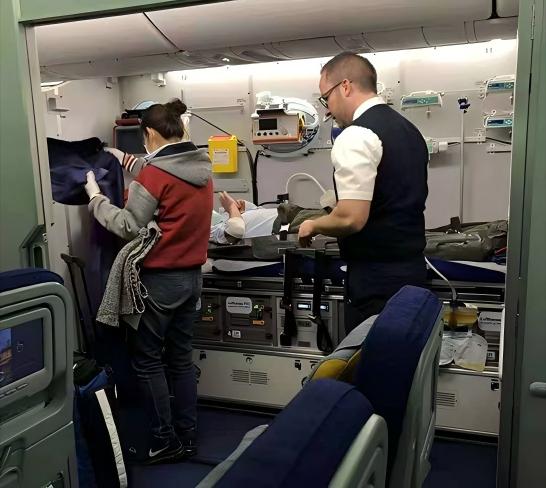
Date: September 14, 2017 | Route Transfer: Abidjan → Paris → Beijing
The following mission performed by TKP Medical Assistance is a great example of what Emergency Patient Transfer looks like:
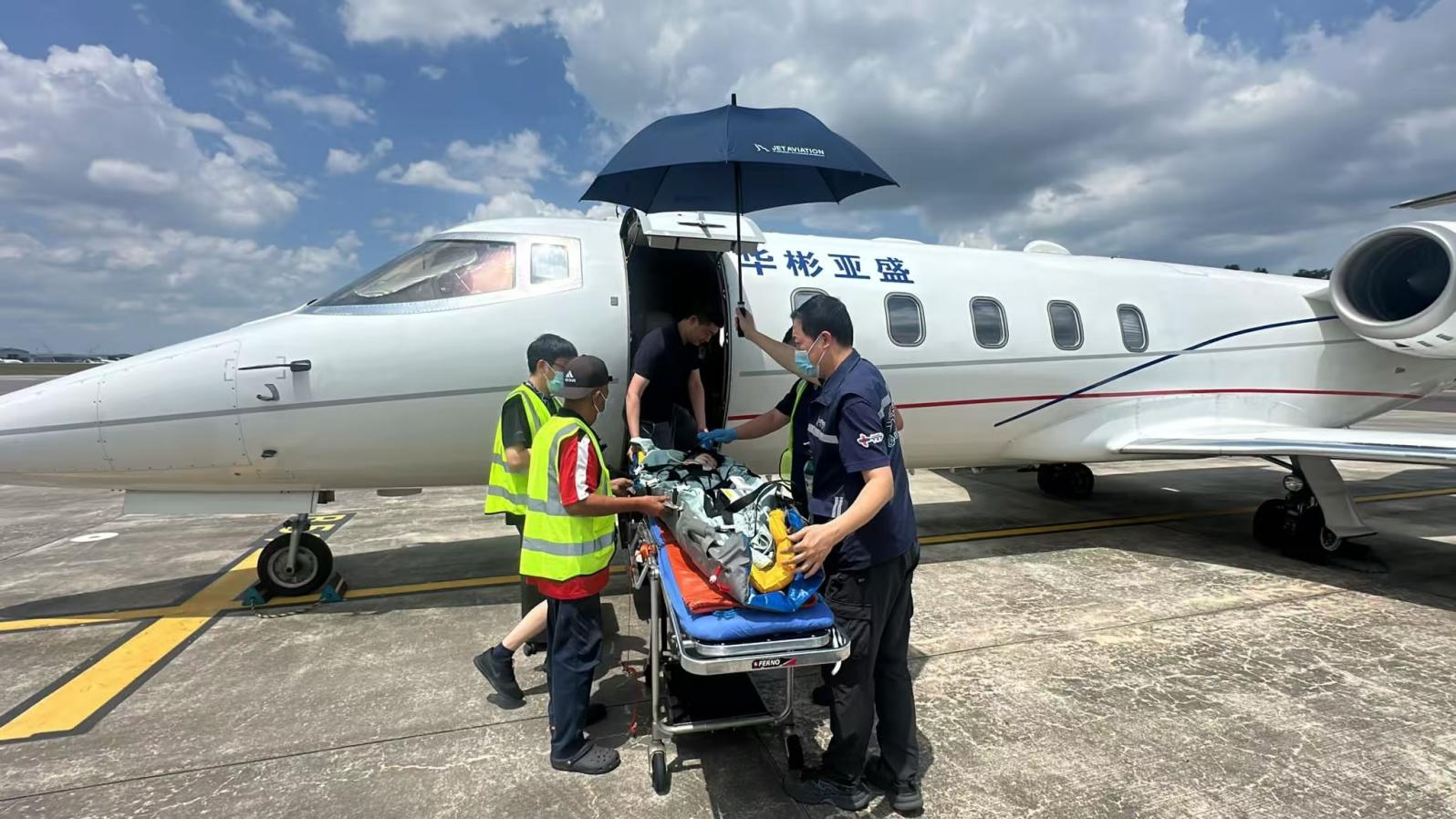
•Method – Multi-segment commercial stretcher transfer involving two international flights and several ground transfers
•Patient Condition – Comatose state after having undergone a post-cranial surgery
•Coordinated, seamless, cross-borders effort – Our team dealt with multiple time zones and language barriers to contact and negotiate with hospitals, airlines, and authorities on three continents.
•10-hour layover in Paris with the patient in situ in the ICU — During the layover in Paris, TKP was able to secure ICU-level support and stabilization for the phase of the journey that posed the greatest risk.
•Bed-to-bed transport — From the referring hospital in Abidjan to the receiving hospital in Beijing, the clinical standards and care escort team we provided were the same.
•Zero complications — Because of the extensive planning and attention to every operational detail, the patient arrived in Beijing healthy and stable.
Why Trust TKP Medical Assistance?
With more than 10,000 missions and more than 24 years of experience, TKP Medical Assistance is a leader in borderless medical evacuation and patient transfer.
•ICU/ER-trained medical escorts — All escorting personnel have a minimum of five years experience working in ICU and/or ER and are absolutely competent to care for patients en route.
•Full support of advanced life sustaining systems — TKP bears the full responsibility of the operation for the entire transport of ECMO, IABP, ventilators, and all other systems and surgical equipment that are life sustaining measures.
•Specialized neonatal and pediatric transport — Teams in these units offer support to pre-term babies, post-operative neonates as well as pediatric patients with complicated issues.
•Multilingual coordination — The team offers coordination in Mandarin, Cantonese, English, Russian and Spanish.
•24/7/365 global coordination — A coordination center staffed around the clock, multidisciplinary staff are always ready.
•Direct operation — no middleman — TKP takes charge of each mission it carries out with direct involvement, accountability, and no gaps in communication.
•Zero major transfer incidents — Decades of experience and zero major transfer incidents demonstrate our commitment to upholding clinical and safety standards.
What’s Next for the Mobile ICU?
Developments in low altitude network, AI and 5G for ambulances are changing emergency patient transfer. TKP Medical Assistance stays dedicated to safety and efficiency with uninterrupted care from the first call to the final transfer.
FAQs
Q1. What exactly constitutes a Mobile ICU?
Mobile ICUs are essentially ambulances, but instead of the usual equipment, they carry ICU-grade life support systems and transport care professionals in order to provide ICU care en route.
Q2. Who accompanies the patient during an Emergency Patient Transfer?
Normally, an ICU-trained doctor, a specialist nurse, and a paramedic, all of whom have a background in critical care, as well as in-flight/roadside emergency care.
Q3. What are the usual items in a Mobile ICU?
Ventilators, multi-parameter transport monitors, defibrillators, infusion pumps, suction units, oxygen supplies, and in some cases, ECMO or a neonatal incubator.
Q4. What measures does TKP have in place to guarantee continuity of care?
The company provides a medical coordinator to carry out clinical handovers and communicate updates in order to ensure the same care team and medical plan is in place along the patient transfer route.
Q5. Are transfers of patients on ECMO support possible?
Yes, TKP has significant expertise of ECMO supported transfers, including portable ECMO and specialty ICU teams to facilitate transfers during a flight.
Submit Your Request
Recent Posts
Tags
- Air Ambulance
- Bedside To Bedside
- Cross Border Aid
- Emergency Evacuation
- Global Medical Rescue
- How can I ensure the patient's stability while in the air?
- How do I request an air medical transport?
- How is it different from an air ambulance
- how to activate emergency aircraft service
- how to request an air ambulance
- Is air medical transport safe
- Is international transport possible
- Medical Rescue
- Medical Transport
- Patient Repatriation
- Remote Rescue
- Seamless Coordination
- Telemedicine Support
- Tourists And Expats Medical Escort
- What are the benefits of a cross-border medical transfer
- What are the different types of transfers
- What are typical use cases
- What documents do I need to prepare for a transfer?
- What does high-speed rail patient transfer stands for
- What is air ambulance
- What is air medical transport?
- What is cross-border medical transfer
- What is emergency aircraft
- what is high-speed rail patient transfer
- What is medical charter flight
- what is neonatal ICU transfer
- What is patient air transfer
- What medical equipment is available on board the aircraft
- What situations shouldn't use air medical transport?
- What types of air ambulance are there?
- What types of air ambulance exist
- What's the difference between international and domestic transfers?
- what’s the difference between air medical transport and regular ambulance?
- When is emergency air transport necessary
- Which patients require air medical transport?
- who is included in the medical team
- who needs an air ambulance