


Medical Emergency Transfer vs Non-Emergency Transport


When needing to relocate a patient, be it an inter-city transfer or an inter-country transfer, the transport solution will be different based on the condition of the patient. Differentiating between Medical Emergency Transfer and Non-Emergency Transport is more than just semantics. It will impact the care the patient receives, the type of transport solution employed, the personnel, and more importantly, the safety of the patient. This document outlines the various differences, the use cases for the different types of transport, and the characteristics of a transport solution partner in whom you can be confident.
1. Description of the Two Classes
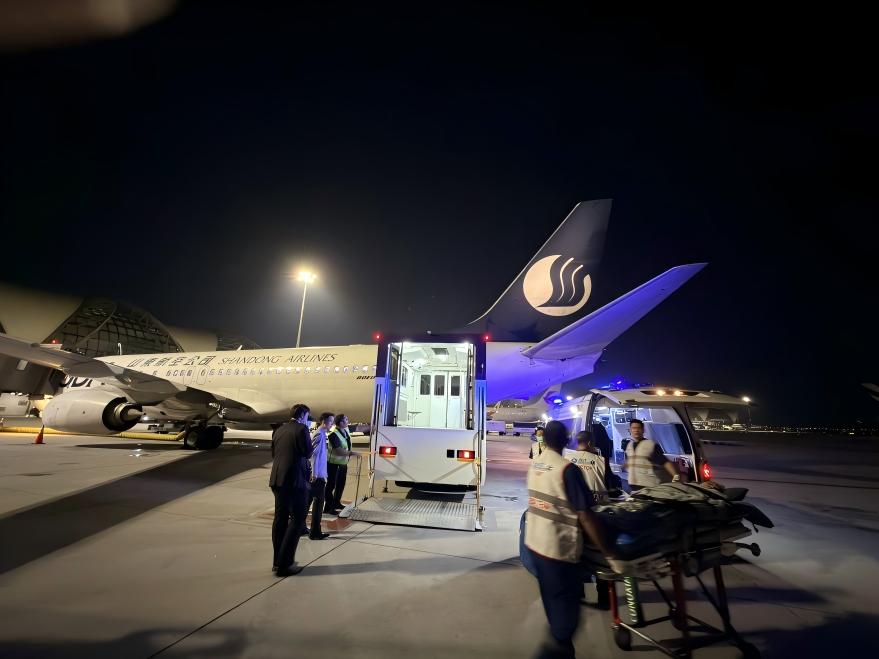
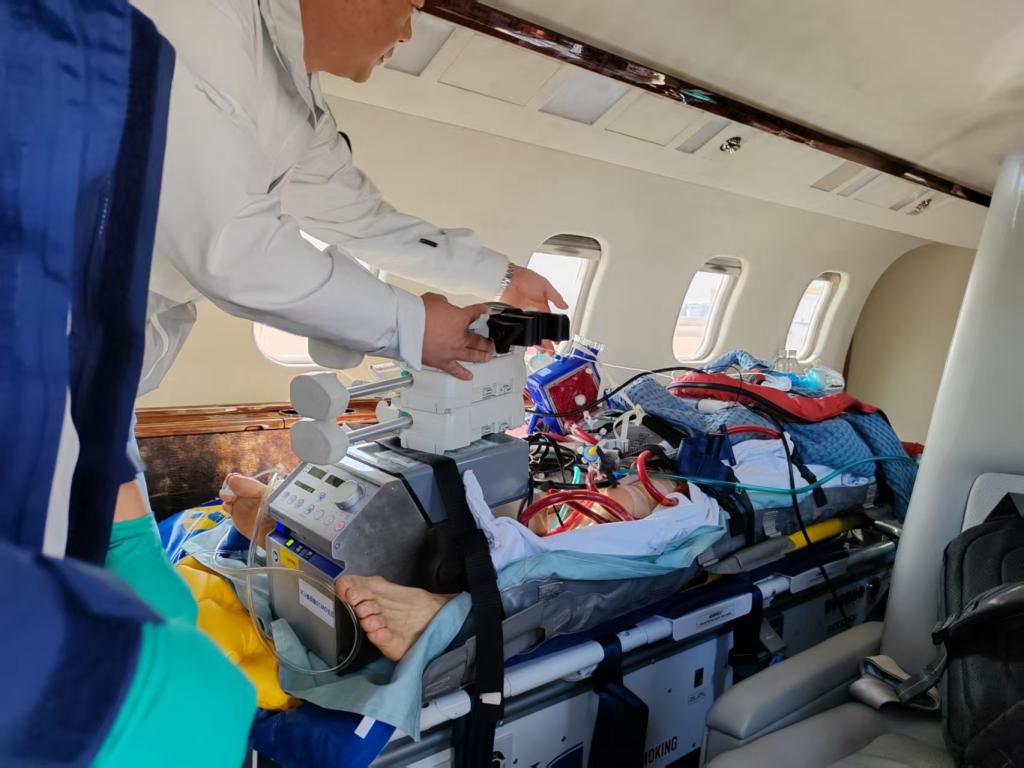
Medical Emergency Transfer describes the transfer of an patient whose condition is, at the time of transfer, unstable or is imminently life threatening. Examples of such transfers would be the transport of a patient in an unstable condition from a hospital to an advanced care hospital after a time-critical intervention, e.g., trauma, a stroke, cardiac arrest, or decompensated respiratory failure. Staff and equipment for mobile emergency transfers include an advanced life support system, a mobile intensive care unit, and emergency medical staff.
Non-Emergency Transport describes a transport service that is scheduled in advance and whose condition at the time of transfer is stable and not life threatening. Examples would be transport to an elective procedure, the transfer of a repatriated and stabilized patient, or the transport to a rehabilitation center after a discharge from a hospital.
2. Key Differences at a Glance
| Aspect | Medical Emergency Transfer | Non-Emergency Transport |
| Urgency | Immediate response is within minutes | Scheduled; hours or even days in advance |
| Patient Condition | Critically injured/ill and unstable | Not acutely ill, ambulatory or bedridden and stable |
| Crew Composition | Physicians and critical care nurses trained in ER/ICU | Medical attendants and nurses/paramedics |
| Equipment | Suite of ICU with ALS/ACLS with supportive and transport ventilators and monitors | Comfort measures with basic oxygen and monitoring |
| Mode of Transport | Helicopter transfer, ICU ground transport, and air ambulance | Standard ambulances, high speed rail, and commercial stretchers |
| Coordination | Integrated real-time emergency dispatch | Contract and trust with airlines and the hospital for the logistics |
3. Which Situations Satisfy the Need for Emergency Transfer?
Emergency transfer is warranted when a patient’s condition is unstable and likely to deteriorate further. The following examples would satisfy the condition:
•Neurological emergencies: Stroke, brain Bleeds, and trauma involving the spine that necessitates immediate surgery on the brain.
•Cardiac emergencies: Myocardial infarction, aortic dissection, and shock.
•Respiratory emergencies: Patients who will need support of a ventilator and/or ECMO during transport.
•Trauma: Multiple injuries effected by falls or other accidents.
•Pediatric and neonatal: Post-operative neonates, premature infants, and children with congenital heart defects who need advanced interventions.
The transport team assumes responsibility for the airway, breathing, circulation, and monitoring for the duration of transport which will occur in the rapidly changing and confined altitudes of varying airline cabins.
4. What Patients Are Acceptable for Non-Emergency Transport?
The acceptability of a larger group of patients is warranted for non-emergency transport. Some examples include:
•Transport for necessary procedures: The planned and scheduled transport of stable patients for the performance of surgery or other procedures.
•Transport to rehabilitative care: The planned and scheduled transport of stable patients to their home country after travel of a planned and scheduled nature.
•Post-discharge transport: Transport for stable patients from a hospital to rehabilitation centers, nursing facilities, or home.
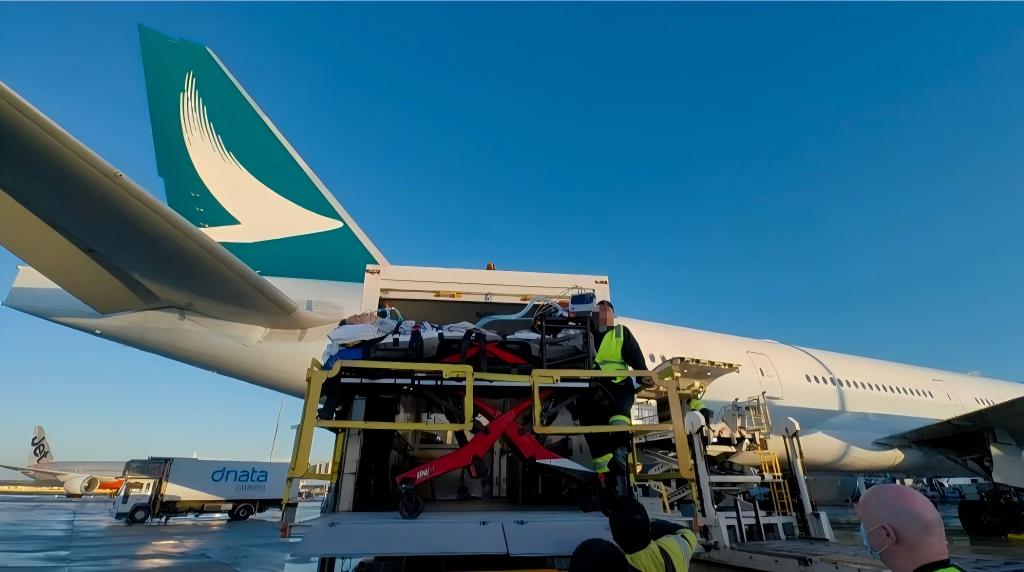
•Transport of bedridden patients using commercial stretcher transport for long travel when road transport is not feasible.
For all the transport listed above, transport team members are needed to attend to the patient, as the patient may have IVs, be on oxygen, or need mobility aids.
5. The Clinical Expertise Behind Safe Transfers
The professional care team is crucial for determining both emergency and non-emergency transport care. The best providers, like TKP Medical Assistance, staff physicians and critical care nurses who have spent five or more years working in frontline ICU or ER positions. This extensive experience allows for the safe management of complicated medical conditions while being transported.
Some of the clinical capabilities are:
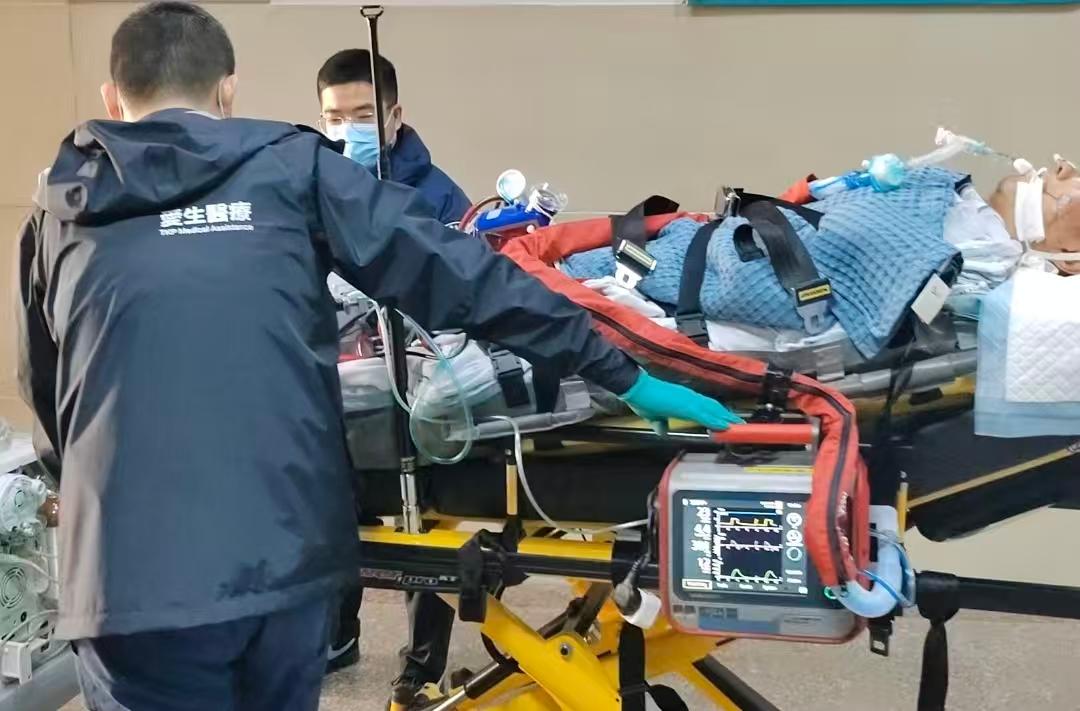
•Advanced life support: Every single TKP mission comes with portable ALS or ACLS systems, transport ready ICU monitors, and oxygen and ventilator supplies. All ALS gear is aviation certified. Customization is available for both adult and pediatric patients.
•ECMO and neonatal transport: TKP handles transport for ECMO patients and neonatal and pediatric missions with an incubator, pediatric trained personnel, and more.
•Stretcher flight protocols: The team has over 24 years of experience with cross border aero-medical missions. They are experts with stretcher flight protocols and clinical handoffs along with all international (even Out of Country) documentation.
•Cultural sensitivity: Several of TKP’s staff have spent over 2 years working abroad. This provides the best understanding and flexibility to meet varied patient desires.
6. The Importance of Coordination for Managing Cross-Border Transfers
One of the most complex operations in healthcare is the transfer of patients between countries. This is because of the need to get international agreements, medical clearances for the transportation, documentation for the transfer, and continuous communication and coordination of the hospitals and doctors with the medical flight team.
TKP Medical Assistance was established in 2001, in Shenzhen. They have carried out more than 10,000 medical flight missions in China and the Greater Bay Area. They have six branch offices and partner with several organizations in Hong Kong, Southeast Asia, and Europe to cover the area with 24/7 medical flight coverage.
TKP uses an integrated support model, which is a distinctive trait of the company. This includes:
•Medical coordinators, who take care of all documentation, scheduling, and communication with the hospitals.
•Aviation advisors who guarantee the reservations meet all the necessary regulations for compliant stretchers and air ambulances.
•Multilingual staff who can conduct dialogues with the family, the hospital, and foreign associates in Mandarin, Cantonese, English, Russian, and Spanish.
•Comprehensive case management with a medical coordinator responsible for case oversight from pre-flight medical evaluation through to the destination.
7. The Appropriate Transport Method
The choice of whether to use emergency or non-emergency transport and what type of transport to use (i.e., air ambulance, commercial stretcher, or ground ambulance) should be made on the basis of the clinical requirements of the transport and not convenience or cost.
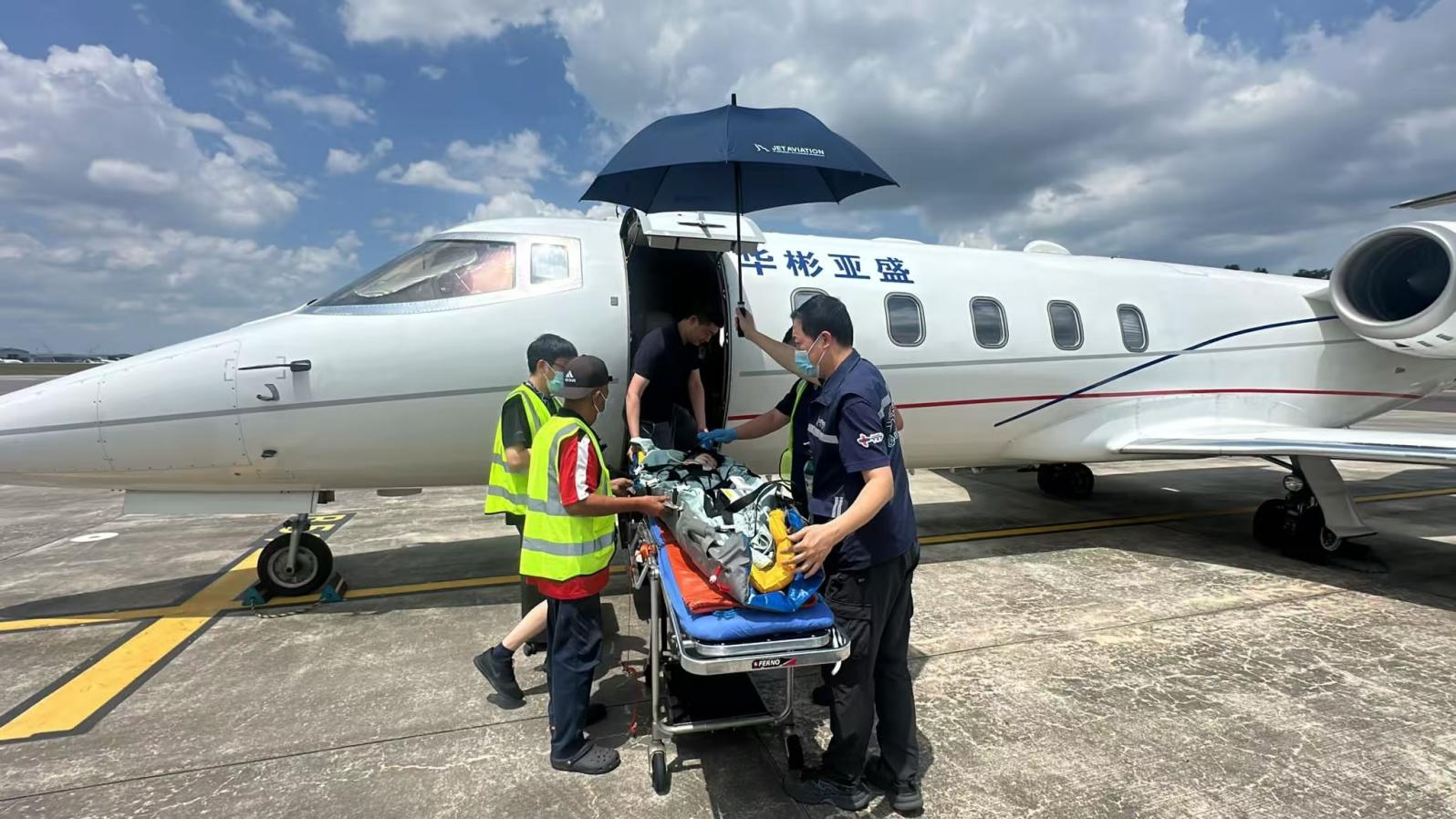
•The air ambulance is the most appropriate means of transport for patients who are critically ill.
•The commercial stretcher is appropriate for patients who are stable, bedridden, and able to travel with a medical escort.
•Where air travel is not ideal, ground travel is best for inter-city travel.
TKP Medical Assistance has all the described means of transport with the inclusion of the clinical need and condition of the patient in the transport planning.
8. Conclusion: Safety, Expertise, and Trust
It is important for patients, families, and health care givers to understand the distinction between Medical Emergency Transfers and Non-Emergency Transport. Non-Emergency Transport is characterized by impressive dignity and comfort, while Emergency Transfers are synonymous with the preservation of life. All forms of transport require a skilled professional to oversee the operation, appropriate equipment, and logistical support.
With more than 24 years of experience and over 10,000 completed missions, TKP Medical Assistance has a fully vested cadre of cross-border medical evacuation and patient transfer services. TKP Medical Assistance provides the highest level of care during ECMO Air Evacuations, Commercial Stretcher Repatriations, as well as the support of multilingual professionals and complete logistical support.
FAQs
Q1. What is the difference between emergency transport and non-emergency transport?
Transport designated emergency is for the transport of patients requiring ICU care en route due to the development of an unstable and life-threatening condition. Transport classified non-emergency is for the transport of patients who are stable and are not in the process of an acute deterioration of their condition and who may require some degree of assistance and/or monitoring.
Q2. What equipment is use in an emergency air ambulance?
All the equipment found in an ICU: ventilators, monitors, oxygen, suction, and IV pumps and most likely to have ALS/ACLS kits; ECMO and incubators are usually in special cases.
Q3. How does TKP Medical Assistance ensure patient safety during long haul transfers?
All the life support equipment are certified for use in air transit; every mission has an air chartered medical coordinator to oversee the entire process and air transport certified MCD to facilitate the handover from the point of origin to the destination; the medical team is made up of an air chartered flight physician and an ER/ICU flight nurse.
Q4. What languages are supported for communication with Families and Hospitals?
The staff of TKP Medical Assistance has staff on hand who speak Mandarin, Cantonese, English, Russian, and Spanish.
Q5. Can TKP do neonatal or ECMO supported transfers?
Yes. TKP has incubators and ECMO teams and has pediatric training for full staff support.
Submit Your Request
Recent Posts
Tags
- Air Ambulance
- Bedside To Bedside
- Cross Border Aid
- Emergency Evacuation
- Global Medical Rescue
- How can I ensure the patient's stability while in the air?
- How do I request an air medical transport?
- How is it different from an air ambulance
- how to activate emergency aircraft service
- how to request an air ambulance
- Is air medical transport safe
- Is international transport possible
- Medical Rescue
- Medical Transport
- Patient Repatriation
- Remote Rescue
- Seamless Coordination
- Telemedicine Support
- Tourists And Expats Medical Escort
- What are the benefits of a cross-border medical transfer
- What are the different types of transfers
- What are typical use cases
- What documents do I need to prepare for a transfer?
- What does high-speed rail patient transfer stands for
- What is air ambulance
- What is air medical transport?
- What is cross-border medical transfer
- What is emergency aircraft
- what is high-speed rail patient transfer
- What is medical charter flight
- what is neonatal ICU transfer
- What is patient air transfer
- What medical equipment is available on board the aircraft
- What situations shouldn't use air medical transport?
- What types of air ambulance are there?
- What types of air ambulance exist
- What's the difference between international and domestic transfers?
- what’s the difference between air medical transport and regular ambulance?
- When is emergency air transport necessary
- Which patients require air medical transport?
- who is included in the medical team
- who needs an air ambulance