


Key Trends in International Patient Transport Services in 2026


International Patient Transport Services are increasingly evaluated as complete clinical pathways rather than simple travel arrangements. Families, hospitals, insurers and assistance companies must decide whether a patient is fit to travel, which transport mode provides the required level of care, and who remains responsible when the route or clinical condition changes.

In 2026, the strongest industry trends concern clinical triage, multimodal planning, portable intensive care, regulatory coordination and transparent procurement.
Trend 1: Medical Fitness Is Becoming the First Decision Gate
A patient described as “stable” in hospital is not automatically fit to fly. Hospital stability may depend on fixed oxygen supplies, wall power, immediate laboratory testing and rapid access to specialists. Those resources are limited during transport.
Before arranging International Patient Transport Services, the medical team should review:
•Diagnosis, recent procedures and current complications
•Respiratory rate, oxygen saturation and oxygen prescription
•Blood pressure, heart rhythm and neurological status
•Ventilator settings, infusions and drainage systems
•Ability to sit, remain supine or tolerate repeated transfers
•Risk of deterioration during delays or cabin-pressure changes
Lower cabin pressure can reduce available oxygen and expand trapped gas. This is particularly relevant to patients with untreated pneumothorax, recent abdominal or thoracic surgery, bowel obstruction or significant respiratory disease.
The clinical assessment should therefore determine the minimum safe transport conditions before price or flight availability is considered.
Trend 2: Bed-to-Bed Time Is Replacing Flight Time as the Critical Metric
A four-hour flight does not mean four hours of medical support. The real mission includes hospital preparation, ambulance transfers, airport handling, security procedures, possible technical stops and final hospital admission.
A practical calculation is:
Total mission time = hospital preparation + ground transfers + airport time + flight time + stops + final handover
This total affects:
•Oxygen quantity and reserve
•Ventilator and monitor battery capacity
•Medication and infusion requirements
•Staff duty time
•Patient positioning and pressure-area care
•Food, hydration and hygiene planning
International Patient Transport Services should calculate resources for the entire bed-to-bed journey and include a realistic contingency margin. Planning supplies for the scheduled flight time alone creates an avoidable safety gap.
Trend 3: Multimodal Planning Is Replacing the Air-Ambulance-Only Approach
No single transport mode is suitable for every patient. The most appropriate solution depends on clinical severity, position, distance, route availability and approval time.
| Transport option | Suitable patient | Main limitation |
| Fixed-wing air ambulance | Critical, ventilated or time-sensitive patient | Higher cost and airport transfers |
| Commercial flight stretcher | Stable patient who must remain lying down | Airline approval and limited clinical workspace |
| Seated medical escort | Stable patient able to sit for the journey | Restricted equipment and treatment capability |
| Ground ambulance or rail combination | Suitable regional routes and stable conditions | Longer travel time and road or border disruption |
A commercial stretcher may be appropriate for a stable, bedridden patient, while a ventilated patient receiving vasoactive medication may require a fixed-wing aircraft configured as a mobile ICU. Selecting a cheaper mode without defining the required clinical envelope can expose the patient to unsupported deterioration.
Trend 4: Portable ICU Capacity Is Being Matched to the Route
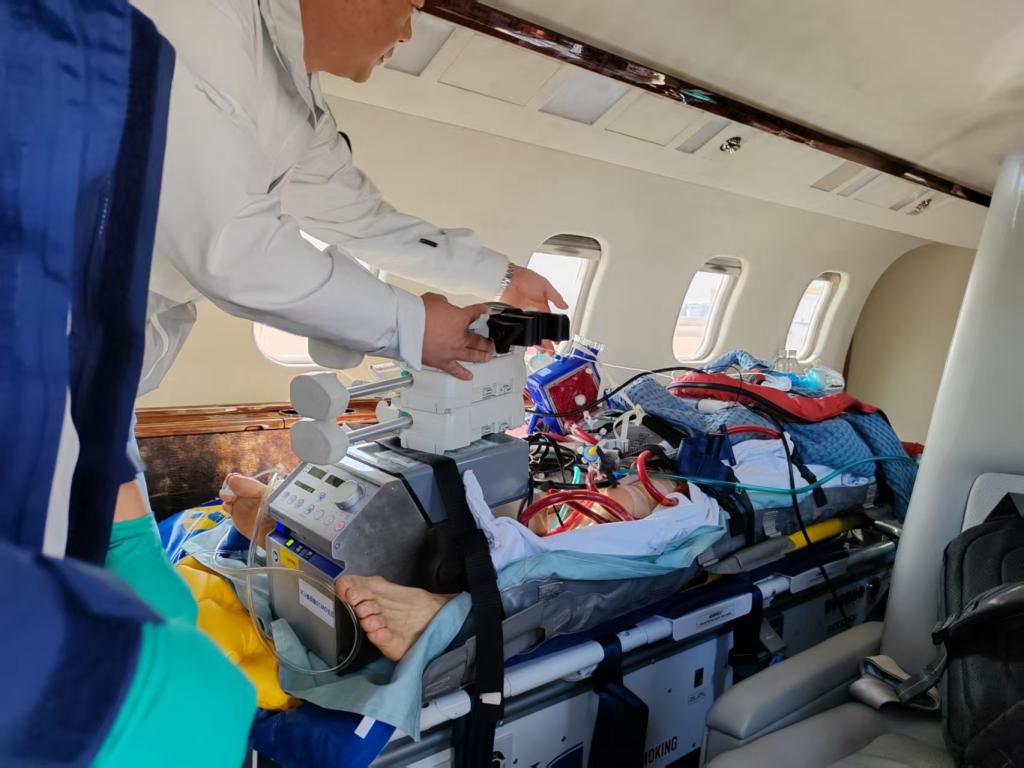
The term “ICU transport” should describe an operational capability, not merely the presence of a monitor and oxygen cylinder.
System matching should connect the patient’s likely complications with the team, equipment and route:
| Clinical requirement | Team or equipment implication |
| Invasive ventilation | Transport ventilator, airway equipment, oxygen reserve and trained critical-care staff |
| Continuous infusions | Secured pumps, spare batteries, medication reserve and compatible access |
| Cardiac instability | ECG, blood pressure and oxygen monitoring with emergency medication |
| Pediatric or neonatal care | Age-specific equipment, medication calculations and specialist personnel |
| Infection risk | PPE, isolation measures, waste handling and route-specific approval |
The medical crew should be selected according to interventions that may realistically be required. More personnel do not automatically produce a safer mission; the relevant issue is whether the team has the correct critical-care, pediatric or other specialist competence.
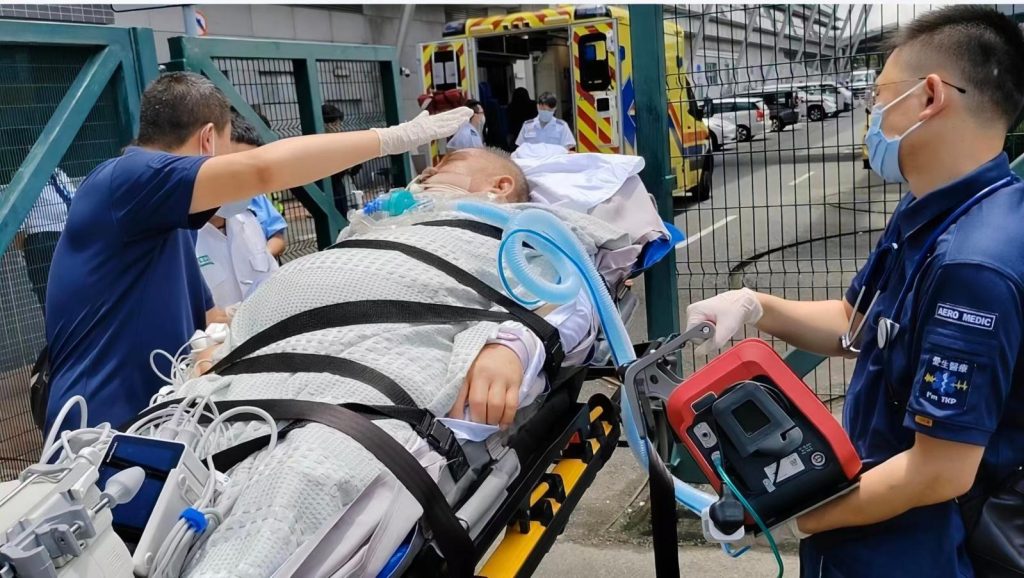
Trend 5: Equipment Deployment and Handover Are Becoming Quality Indicators
For International Patient Transport Services, “installation and maintenance” mean safely deploying medical systems across ambulances, airports and aircraft.
Pre-departure checks should confirm:
•Equipment mounting and access to the patient
•Oxygen capacity, connectors and backup supply
•Battery runtime and charging arrangements
•Ventilator circuit integrity
•Medication labeling and temperature control
•Spare equipment and failure procedures
Risk often rises during handovers. Moving a patient from hospital bed to ambulance stretcher, aircraft stretcher and receiving bed can interrupt ventilation, monitoring or infusion therapy. A formal handover should record current observations, medication rates, airway status, remaining oxygen and any clinical changes.
Trend 6: Cross-Border Approval Becomes Part Of The Critical Path
For commercial flights, an airline-specific MEDIF form may be necessary. An international transfer may also necessitate a visa, receiving hospital acceptance, medical reports, and approval for import of the medicine or the medical equipment.
The revised WHO International Health Regulations have been in effect for most States Parties since September 2025, but the measures and controls regarding infectious diseases are being implemented at the national level. Airlines also implement their own medical acceptance procedures based, in part, on aviation medical advice
Buyers should check:
•Airline medical clearance
•Clinical requirements for entry and transit
•Confirmation of receiving bed
•Licensing of ground ambulances
•Qualifications of medical staff
•Authorization of aircraft operator
•Records of equipment maintenance
•The validity and extent of CAMTS Global or EURAMI accreditation
Accreditation of a profession may assist in the assessment of quality, but it should not replace the approval required for flight and medical credentials.
Trend 7: Buyers Are Comparing Responsibility, Not Only Price
A procurement-ready quotation for International Patient Transport Services should identify the transport mode, medical team, equipment, oxygen, ground ambulances, airport handling, documentation, stops, exclusions and cancellation conditions.
It should also answer three contingency questions:
•What happens if the patient deteriorates before departure?
•Who acts if equipment fails during transport?
•Who pays if the flight, route or receiving hospital becomes unavailable?
The lowest headline price may exclude essential parts of the journey. Comparing scope, clinical capability and responsibility produces a more reliable procurement decision.
Final Words: Making a Safer International Transfer Decision
In 2026, effective International Patient Transport Services depend on matching clinical risk with the complete route—not simply booking the fastest available flight. Medical assessment, multimodal comparison, resource calculations, handover control and verified credentials should all be completed before authorization.
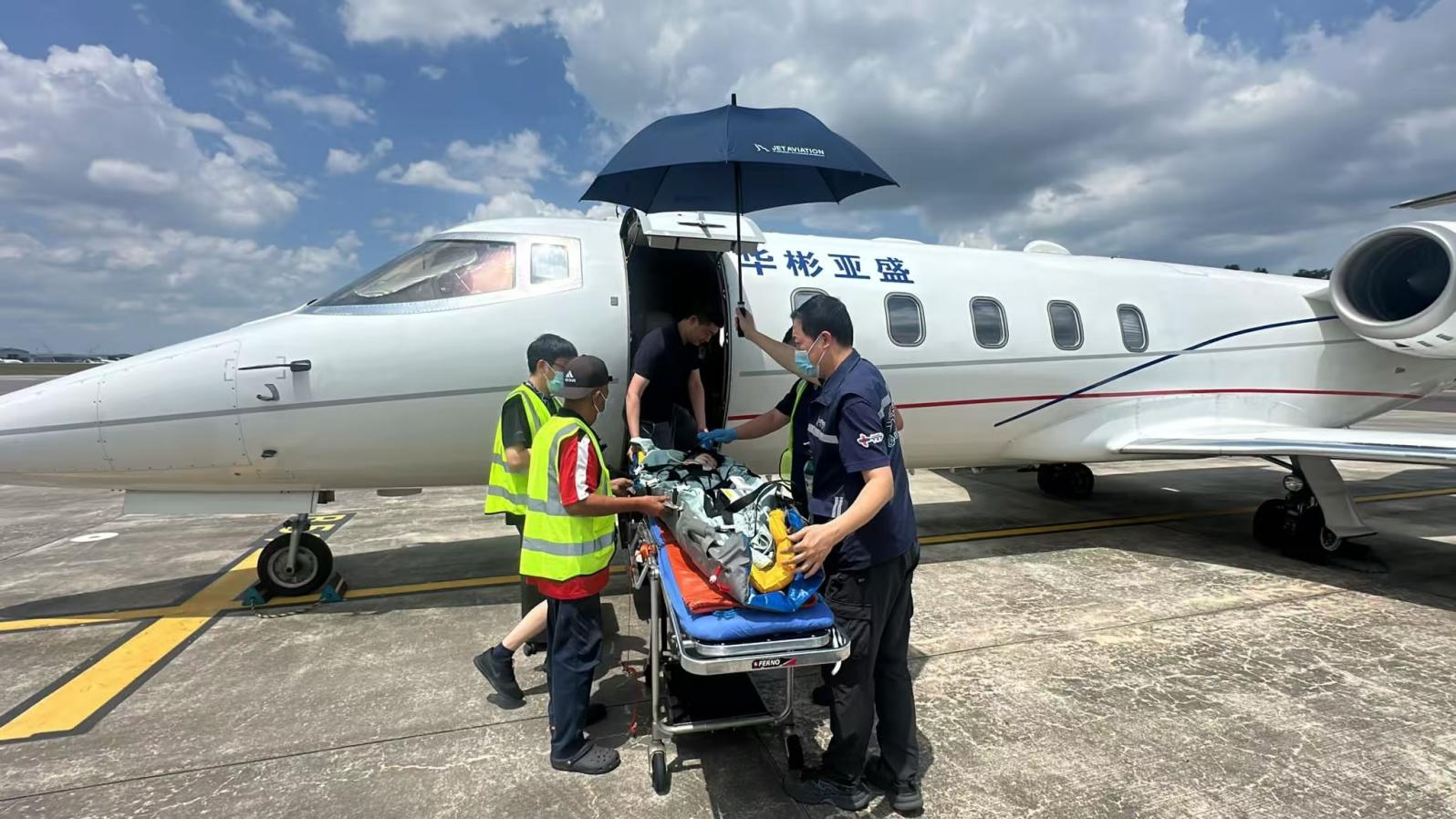
TKP Medical Assistance coordinates fixed-wing air ambulance, commercial stretcher, medical escort, ground ambulance and rail-based transfers. Families, hospitals and assistance companies can contact TKP to review a patient’s clinical information and develop a bed-to-bed transfer plan suited to the route and required level of care.
FAQs
Q1. What International Patient Transport Services does TKP Medical Assistance provide?
TKP Medical Assistance coordinates fixed-wing air ambulance, commercial flight stretcher, seated medical escort, ground ambulance and rail-based medical transfers. The selected method depends on the patient’s clinical condition, position, route and required level of care.
Q2. Can TKP Medical Assistance transport critically ill patients?
Yes. TKP can arrange ICU-level transfers with appropriate medical personnel, monitoring, oxygen, ventilators, infusion pumps and emergency equipment. Each case requires a clinical review before the team and equipment are confirmed.
Q3. How does TKP determine the right transport method?
TKP reviews the diagnosis, vital signs, oxygen requirements, mobility, treatment dependencies, route and destination hospital. Clinical safety is assessed before comparing transport availability and cost.
Q4. Does TKP provide bed-to-bed patient transport?
Yes. Bed-to-bed coordination can include pickup from the sending hospital, ground ambulance transport, airport handling, the main travel segment, destination ambulance service and formal handover to the receiving hospital.
Q5. Can TKP arrange a commercial flight stretcher?
TKP can coordinate airline-approved commercial stretcher transport for stable patients who must remain lying down. Availability depends on the airline, aircraft, route, medical clearance and advance preparation time.
Submit Your Request
Recent Posts

Tags
- Air Ambulance
- Bedside To Bedside
- Cross Border Aid
- Emergency Evacuation
- Global Medical Rescue
- How can I ensure the patient's stability while in the air?
- How do I request an air medical transport?
- How is it different from an air ambulance
- how to activate emergency aircraft service
- how to request an air ambulance
- Is air medical transport safe
- Is international transport possible
- Medical Rescue
- Medical Transport
- Patient Repatriation
- Remote Rescue
- Seamless Coordination
- Telemedicine Support
- Tourists And Expats Medical Escort
- What are the benefits of a cross-border medical transfer
- What are the different types of transfers
- What are typical use cases
- What documents do I need to prepare for a transfer?
- What does high-speed rail patient transfer stands for
- What is air ambulance
- What is air medical transport?
- What is cross-border medical transfer
- What is emergency aircraft
- what is high-speed rail patient transfer
- What is medical charter flight
- what is neonatal ICU transfer
- What is patient air transfer
- What medical equipment is available on board the aircraft
- What situations shouldn't use air medical transport?
- What types of air ambulance are there?
- What types of air ambulance exist
- What's the difference between international and domestic transfers?
- what’s the difference between air medical transport and regular ambulance?
- When is emergency air transport necessary
- Which patients require air medical transport?
- who is included in the medical team
- who needs an air ambulance