


Medical Charter: How Real-Time Monitoring Keeps Transfers On Track


Medical Charter transfers feel overwhelming when you are a patient’s family member, because every minute matters and every handoff can change outcomes. At TKP Medical Assistance, we explain the process in plain language and manage the details with clinical discipline—so you can focus on the patient, not the logistics.
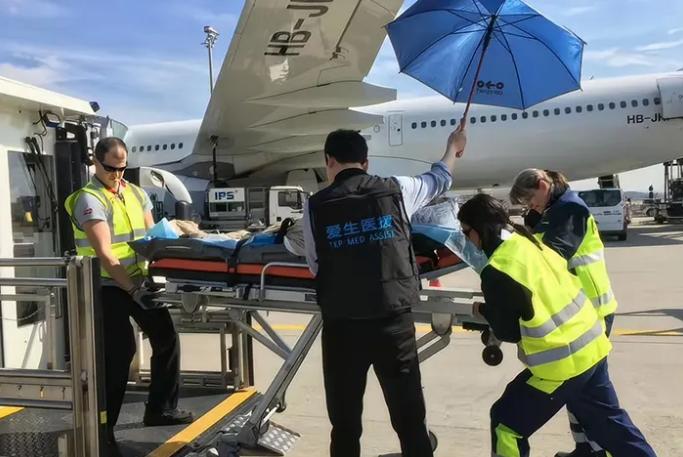
Why Real-Time Monitoring Matters in a Medical Charter
A Medical Charter is not “just a flight.” It is a moving ICU with changing conditions: weather, airport constraints, airspace routing, and the patient’s vital signs can shift fast. Real-time monitoring is the system that keeps the entire transfer stable. It connects the flight crew, medical team, ground ambulance, and receiving hospital into one live decision loop.
When monitoring is done well, families gain two practical benefits. First, it reduces uncertainty. You are not waiting for scattered updates from different parties. Second, it reduces delay risk. If a route change is needed, the operations team can respond early, not after time has already been lost.
At TKP, we run a dedicated operations team that monitors missions in real time and can adjust routes promptly when required. This is how we keep transfers on track—even when geography is difficult or the case is urgent.
How TKP Plans Routes From Remote and Underserved Locations
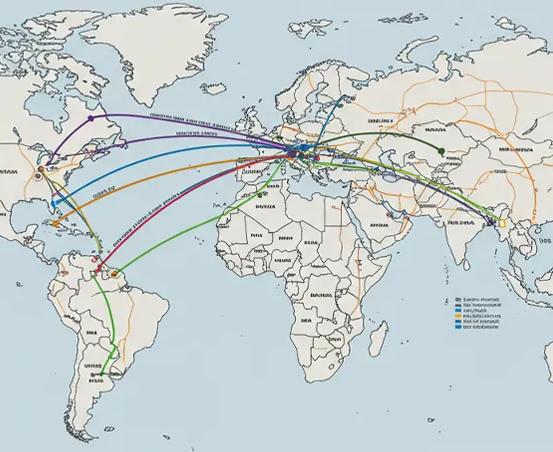
Families often worry about distance: “We are far from major cities—can a Medical Charter still reach us?” The answer is yes, if route planning is built for real-world conditions. TKP maintains a transfer route map designed to connect patients from remote, underserved, or emergency locations to leading medical facilities worldwide.
We do not rely only on large international hubs. Instead, we use strategically selected airports, including airports with limited infrastructure, when that choice shortens the chain from bedside to aircraft and reduces ground travel time.
Here is what that means in practical terms:
• Remote access options when local airports have minimal infrastructure
• Flexible routing to move patients toward the right clinical destination, not just the nearest airport
• Fewer unnecessary handovers, which helps protect continuity of care and reduces stress on the patient
Route planning is also a safety tool. A direct “straight line” route is not always best if it creates operational risk. Our goal is an optimized route that protects patient stability while reducing total transfer time.
Dynamic Scheduling: Matching the Flight to the Patient, Not the Clock
A Medical Charter should follow the patient’s condition, not a fixed timetable. This is why TKP uses dynamic flight scheduling tailored to clinical urgency. In simple terms, it means the plan can be built around what the patient needs right now—and can be adjusted if the situation changes.
For families, dynamic scheduling reduces two common problems:
• Waiting for a “standard slot” that does not match the patient’s timeline
• Last-minute disruption because the plan was not designed around clinical reality
If the patient’s needs change, our team can update the flight plan and supporting resources accordingly. Real-time monitoring is what makes these adjustments safe: decisions are informed by live status, not assumptions.
What Real-Time Monitoring Looks Like During a Medical Charter Mission
Many families imagine “tracking” as a simple map update. In medical transport, real-time monitoring is broader. It is the continuous awareness of the mission status, plus the ability to respond.
At TKP, our coordination center operates 24/7/365, with multidisciplinary staff ready to act. We provide real-time journey tracking and family updates, so you are not left guessing where things stand.
During a typical mission, monitoring supports:
• Live flight oversight with the ability to adjust routes if conditions shift
• Continuous care continuity, so the medical plan stays aligned across air and ground legs
• Fast communication among aircraft, ground teams, and receiving facilities
• Family-facing updates, delivered in clear language rather than technical codes
This is also where language support matters. TKP offers multilingual coordination (EN/CH/CN), which helps reduce misunderstandings during high-pressure moments—especially when hospitals, embassies, or cross-border procedures are involved.
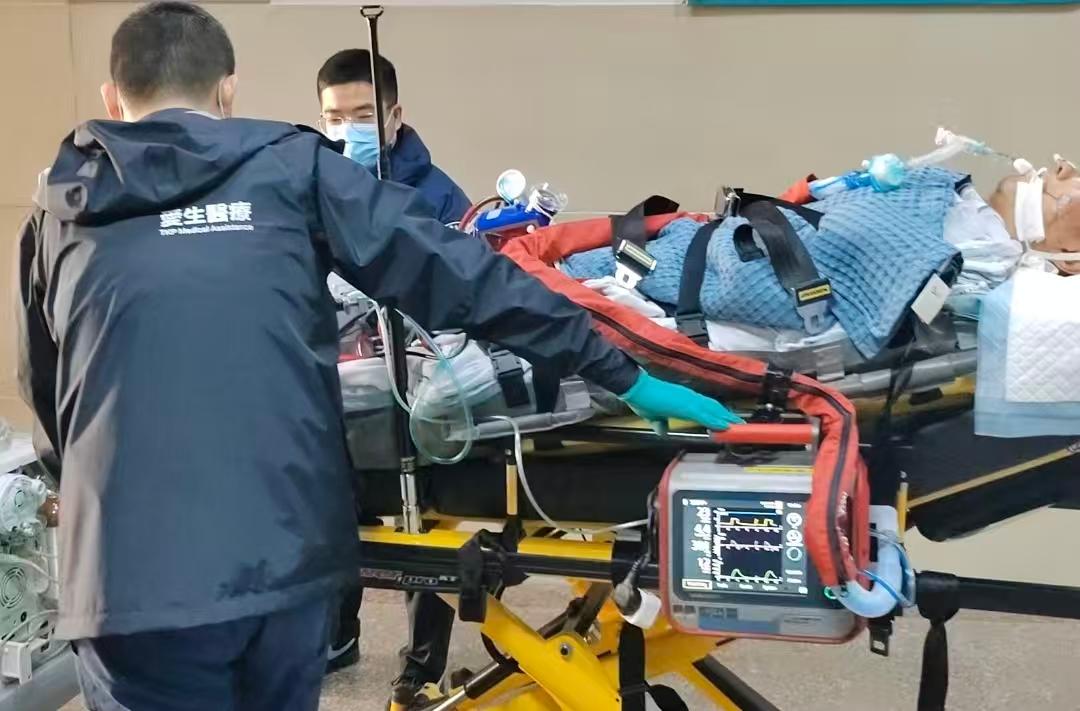
ICU-Level Care in the Air: Equipment and Clinical Teams That Travel With the Patient
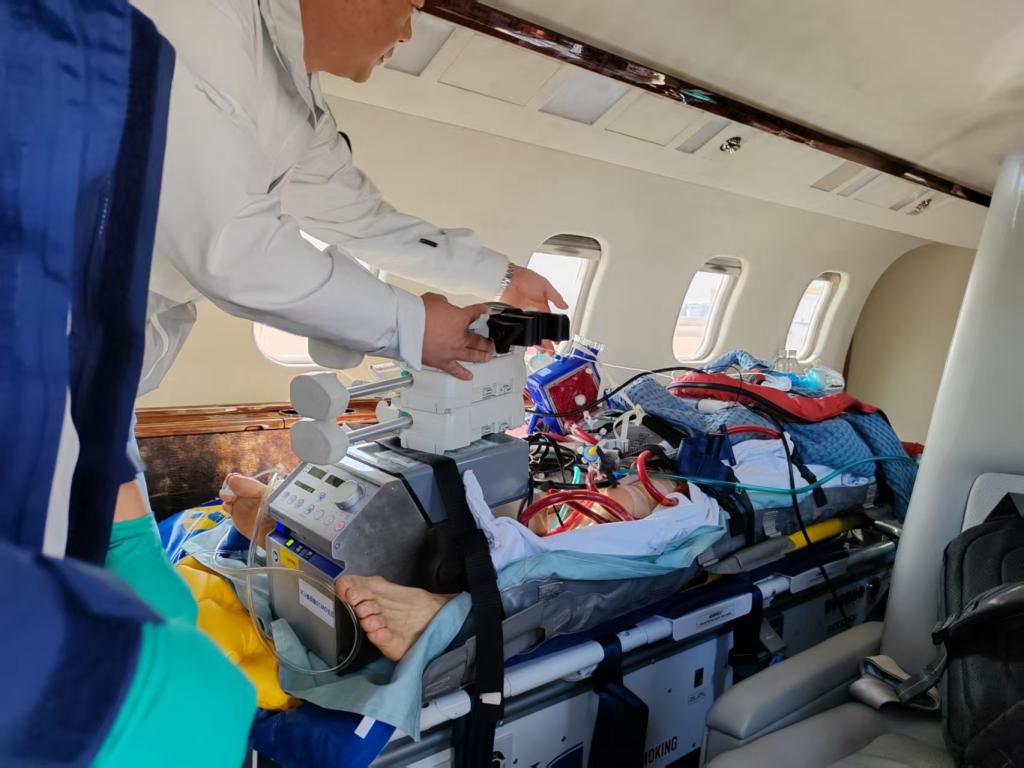
Monitoring is only meaningful if the medical team can act on what they see. TKP missions are equipped with portable ALS or ACLS systems, transport-ready ICU monitors, oxygen supply, ventilators, and ECMO when required. Equipment is aviation-certified and customized for adult and pediatric patients.
From a family perspective, this translates into practical protection:
• Early detection of changes through ICU-style monitoring, not basic observation
• Immediate intervention capability because trained clinicians and critical equipment are already onboard
• Fewer risky transitions, since the patient does not depend on “finding care later” after landing
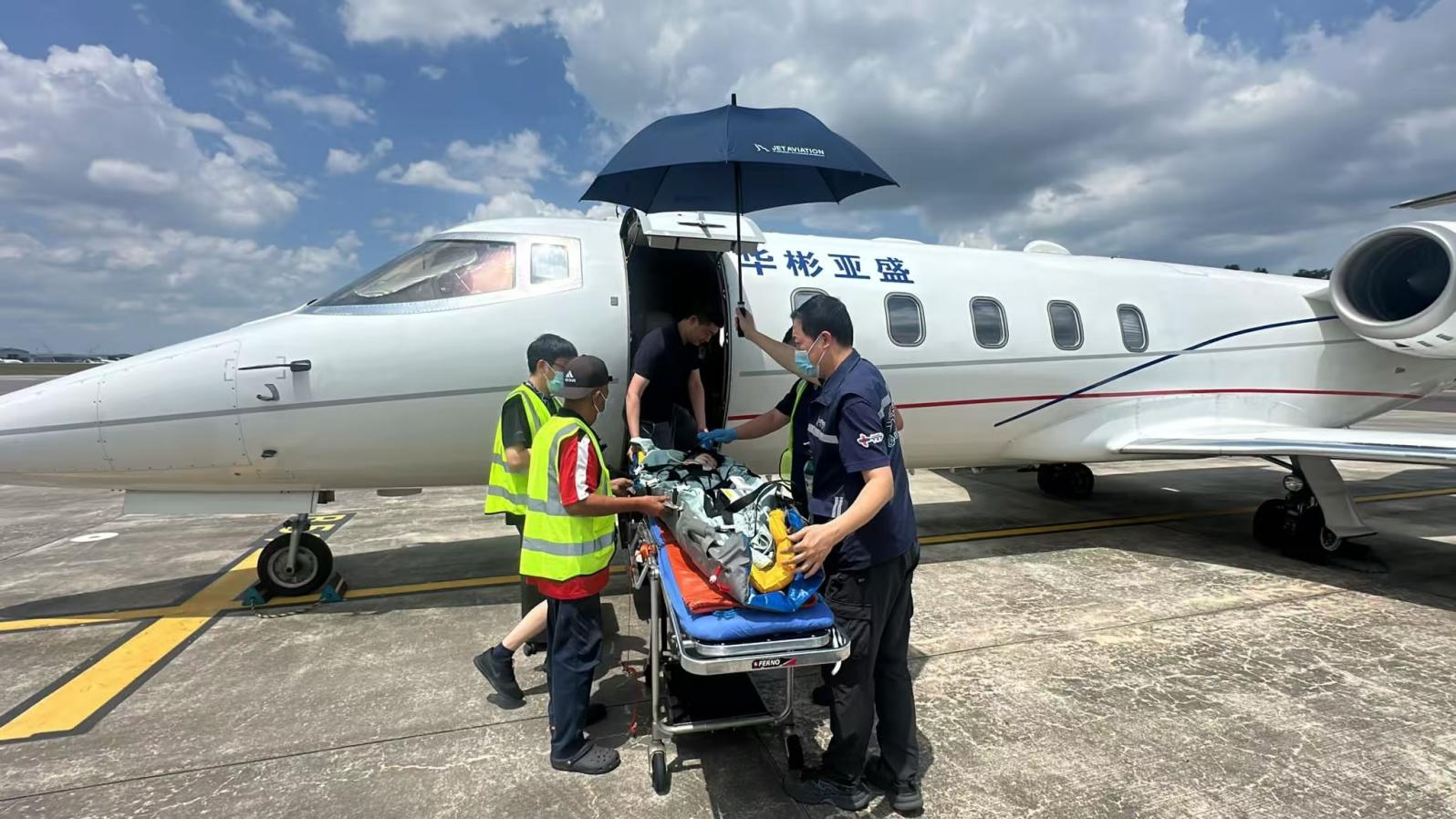
TKP is led by experienced ICU medical teams. Each medical escort is ICU/ER-trained, with in-flight emergency experience. Transfers follow international clinical standards from pre-assessment to final handover, with continuous monitoring throughout the journey.
We also highlight measurable reliability where it matters to families: over 24 years of transfer experience, certified ACLS & BLS teams, and zero major transfer incidents. These points do not guarantee outcomes in medicine, but they do show a consistent safety culture and disciplined operations.
A Simple Family Checklist and a Clear Next Step
If your loved one may need a Medical Charter, decisions feel heavy. A helpful approach is to organize the case around three questions: where the patient is now, what level of care they need during transport, and where the receiving team can deliver the best treatment.
Here is a family-friendly checklist you can prepare:
• Patient diagnosis summary and current stability (what doctors are concerned about today)
• Current location and nearest usable airport options (including smaller regional airports)
• Preferred receiving hospital and any physician contact points
• Passport/ID details if cross-border transfer may apply
• One family contact for updates and decision confirmation
CTA (Call-to-Action):
If you are considering a Medical Charter for a family member—especially from a remote area or across borders—contact TKP Medical Assistance with the patient’s condition, location, and preferred destination. Our team will build a personalized critical transport plan, explain the route logic in plain language, and provide real-time monitoring with timely family updates from departure to handover.
When real-time monitoring, ICU-level escort care, and global coordination work as one system, a Medical Charter becomes more than transportation. It becomes a controlled, medically guided pathway—built to keep the transfer stable, on schedule, and centered on dignity.
Submit Your Request
Recent Posts
Tags
- Air Ambulance
- Bedside To Bedside
- Cross Border Aid
- Emergency Evacuation
- Global Medical Rescue
- How can I ensure the patient's stability while in the air?
- How do I request an air medical transport?
- How is it different from an air ambulance
- how to activate emergency aircraft service
- how to request an air ambulance
- Is air medical transport safe
- Is international transport possible
- Medical Rescue
- Medical Transport
- Patient Repatriation
- Remote Rescue
- Seamless Coordination
- Telemedicine Support
- Tourists And Expats Medical Escort
- What are the benefits of a cross-border medical transfer
- What are the different types of transfers
- What are typical use cases
- What documents do I need to prepare for a transfer?
- What does high-speed rail patient transfer stands for
- What is air ambulance
- What is air medical transport?
- What is cross-border medical transfer
- What is emergency aircraft
- what is high-speed rail patient transfer
- What is medical charter flight
- what is neonatal ICU transfer
- What is patient air transfer
- What medical equipment is available on board the aircraft
- What situations shouldn't use air medical transport?
- What types of air ambulance are there?
- What types of air ambulance exist
- What's the difference between international and domestic transfers?
- what’s the difference between air medical transport and regular ambulance?
- When is emergency air transport necessary
- Which patients require air medical transport?
- who is included in the medical team
- who needs an air ambulance