


Oversea Patient Transfer Seamless: Global Network Coverage


Oversea Patient Transfer is not “just a flight”—it is a tightly controlled medical journey that must stay stable across borders, airports, and handovers. For a patient’s family, the hardest part is often uncertainty: Who is actually responsible at each step? What happens during a long layover? How do you prevent small issues from becoming critical mid-route?
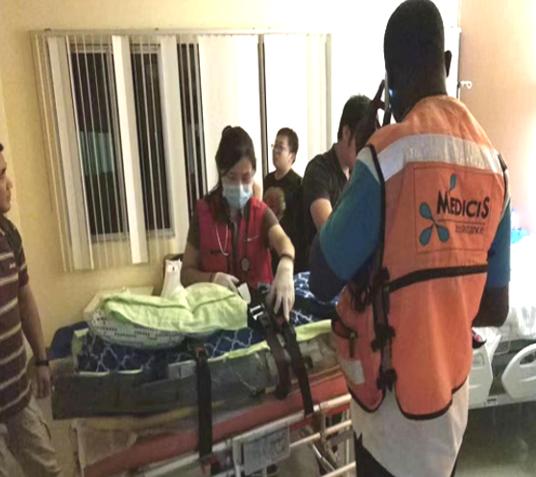
At TKP Medical Assistance, we built our service around one simple promise: seamless global network coverage that protects continuity of care, even when a transfer crosses multiple countries and carriers. Founded in 2001, TKP has completed 10,000+ missions across air ambulance, commercial stretcher, and high-speed rail transfers, supported by 24/7 coordination and six branch offices across China with trusted partners in Hong Kong, Southeast Asia, and Europe.
Below is a practical, family-friendly guide to how global coverage truly works—and what to look for when your loved one’s condition is complex.
Why Global Network Coverage Matters in Oversea Patient Transfer
When a patient is stable in a hospital bed, safety is built into the environment: full staff, full equipment, and immediate escalation pathways. During Oversea Patient Transfer, the environment changes repeatedly—ambulance, airport, aircraft cabin, transfer vehicles, and receiving hospital. Each switch is a risk point unless one team controls the overall plan.
True global coverage means more than “having contacts.” It means the provider can coordinate clinical decisions and logistics as one continuous system, across time zones and languages, without losing accountability. Families benefit in three direct ways:
• Fewer delays that can worsen condition or extend stress
• Faster access to the right escort level (ICU/ER-trained)
• Clear communication across hospitals, airlines, and family members
A Real Cross-Continental Case: West Africa → Paris → Beijing
To show what “seamless” looks like, here is one real mission TKP supported:
• Date: September 14, 2017
• Route: Abidjan → Paris → Beijing
• Mode: Multi-leg commercial stretcher transfer (two international flights + multiple ground segments)
• Diagnosis: Post-cranial surgery patient in a comatose condition
This type of post-cranial surgery transport is high-acuity. The clinical objective is not only “arrive safely,” but also “arrive without deterioration.” That requires stable airway/oxygen strategy, tight monitoring, medication readiness, and decision-making capacity in transit.
How TKP Managed a 10-Hour ICU Setup During a Layover
A critical detail in this case was a 10-hour layover in Paris (CDG). Many families assume a layover is “waiting time.” Clinically, a long layover can be the most fragile part of the journey.
TKP coordinated an ICU-level stabilization setup at the airport so the patient was continuously supported while waiting for the next international leg. That is what seamless network coverage enables: instead of hoping the airport environment is “good enough,” you build a controlled micro-ICU plan for the time window you cannot avoid.
• Continuous vital sign monitoring with transport-ready ICU standards
• Real-time stabilization plan during the extended layover window
• Clear responsibility for escalation decisions if instability appears
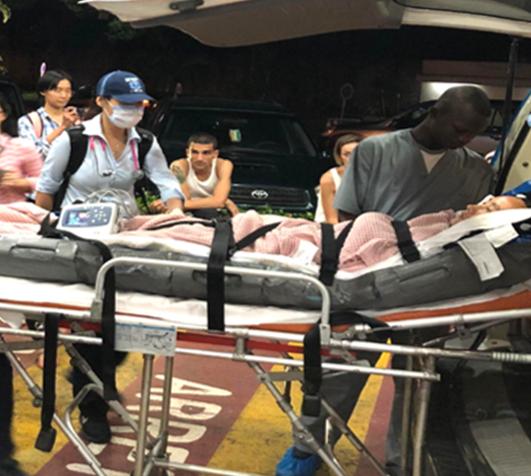
What Families Should Expect Before Departure: Pre-Assessment and Fit-for-Flight
A safe Oversea Patient Transfer starts before anyone reaches the airport. The most professional providers treat departure as a clinical checkpoint, not a logistical milestone.
At TKP, the pre-departure phase typically includes:
• Final bedside assessment to confirm the patient is stable enough for the long-haul segment
• Clear definition of escort level (ICU-trained doctor/nurse when needed)
• Review of diagnosis and risks (for example, post-cranial surgery patients may need strict monitoring and rapid intervention readiness)
• Plan for medications and contingency actions during cabin time
Families should also expect a simple explanation in plain language: what the team will monitor, what “warning signs” exist for this diagnosis, and how decisions will be made if something changes mid-route.
This is where specialized teams matter. TKP’s medical escorts are ICU/ER-trained, with experience in emergency and in-flight care. For families, that translates into a practical benefit: the escort can manage clinical changes without panic or guesswork, because this is their core training—not an occasional assignment.
What Happens in the Air: ICU-Level Escort Care on a Commercial Stretcher
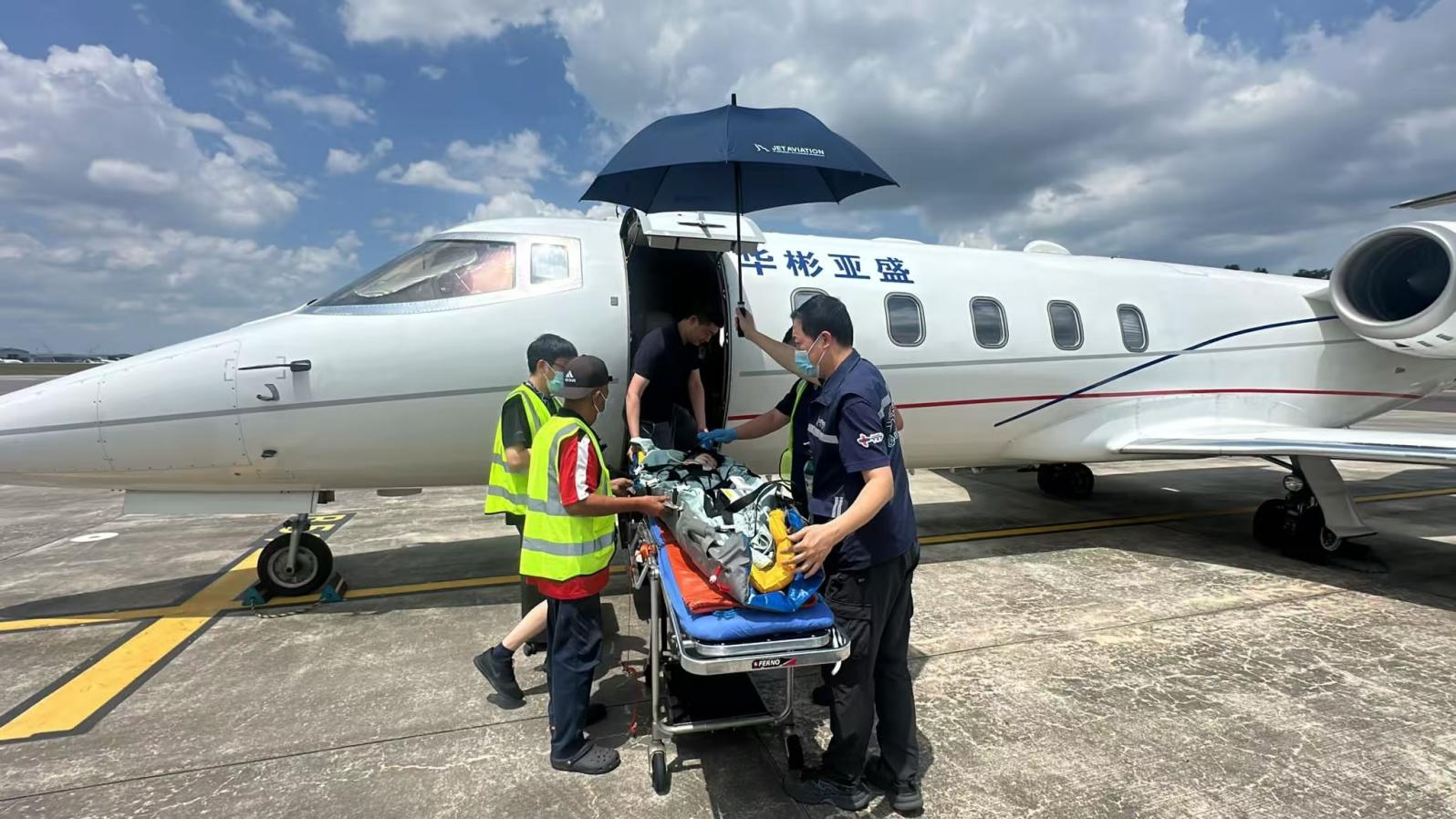
Many people hear “air ambulance” and assume it is the only safe option. In reality, some cases can be managed effectively on a commercial stretcher system—if the provider has the clinical skill, equipment, and airline coordination to make it safe.
During flight, a patient is essentially under a controlled “mobile ICU mindset.” As the cabin reaches cruising altitude, TKP’s team focuses on:
• Close vital sign observation and trend tracking
• Airway and oxygen strategy supported by aviation-suitable systems
• Medication readiness for high-acuity scenarios
• Comfort and dignity measures—because patient care is not only numbers
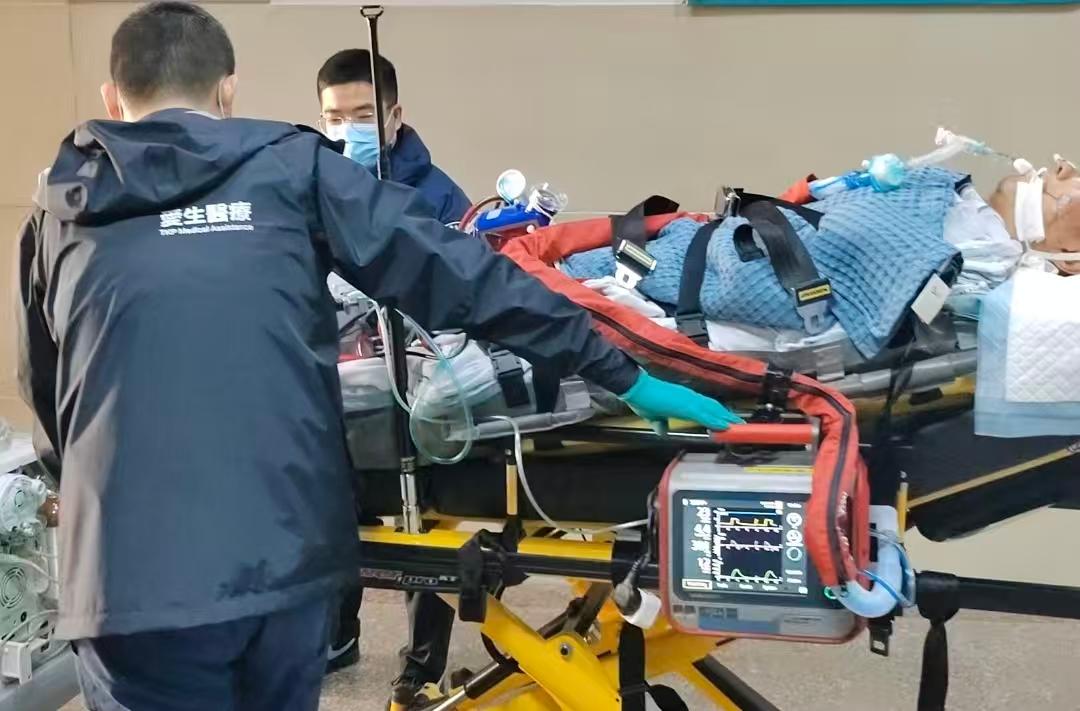
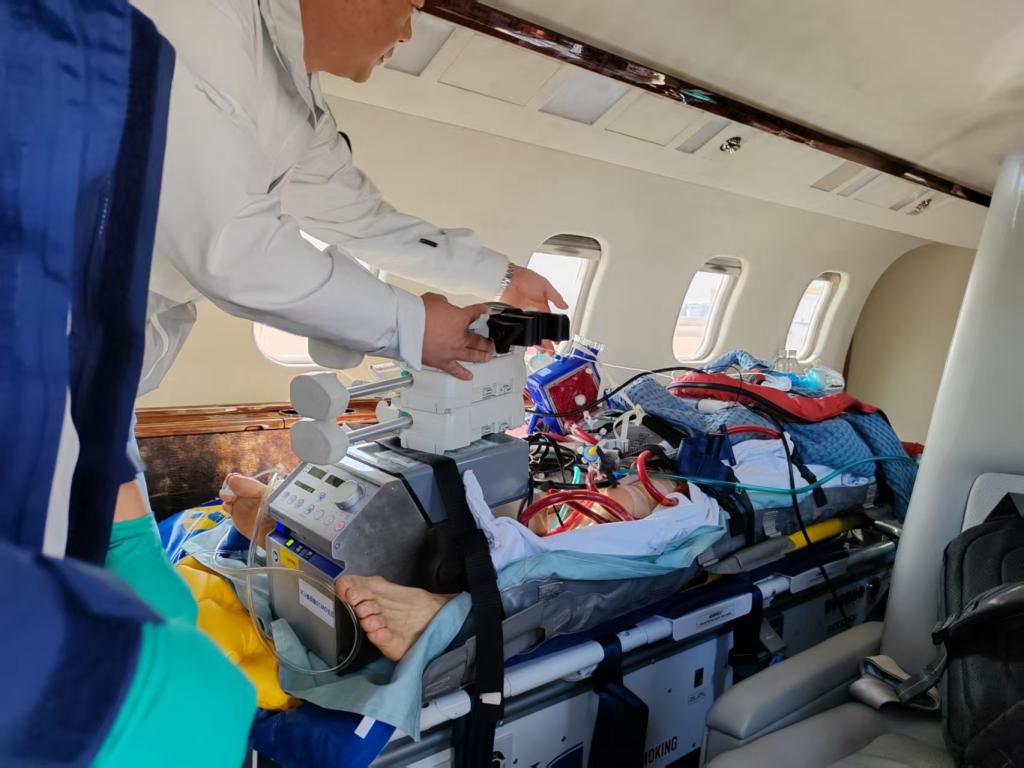
TKP missions are equipped with aviation-certified systems appropriate to the patient’s condition, including ALS/ACLS capability, transport-ready ICU monitors, oxygen supply, ventilators, and ECMO when required. Families do not need to memorize equipment names; what matters is the outcome: the escort team can deliver ICU-grade decision-making with transport-ready tools.
What Makes TKP Different: One Team Owns the Whole Journey
In cross-border transfers, families often suffer from “handover confusion”—one party books flights, another arranges an ambulance, another supplies a nurse, and nobody truly owns the full chain. TKP’s model is different: direct operation, no middleman, with one team responsible for planning, coordination, and clinical delivery.
Here is how that becomes practical value for families:
• One-stop case oversight: fewer gaps, fewer repeated explanations, fewer missed details
• Multilingual case coordination: Mandarin, English, and Cantonese support, reducing misunderstandings with hospitals and relatives
• Seamless coverage footprint: from mainland China to Southeast Asia, Europe, and North America through established coordination pathways
• 24/7 global coordination: always-on response when time zones shift and situations change
TKP also emphasizes consistent safety culture. With over 24 years of transfer experience, TKP reports zero major transfer incidents, and operates with certified clinical standards such as ACLS & BLS team capability. For families, this is not a slogan—it is a signal of repeatable systems: protocols, checklists, escalation rules, and experienced leadership.
CTA: How to Start a Safe Oversea Patient Transfer Plan With TKP
If your loved one needs an Oversea Patient Transfer and you are worried about continuity of care across airports and borders, the fastest way to reduce risk is to begin with a structured case review.
Contact TKP Medical Assistance with the following information, and our team will build a personalized critical transport plan:
• Current hospital location and target destination city/hospital
• Diagnosis and current condition (for example: post-cranial surgery, coma status)
• Key medical needs (oxygen, ventilator, ICU-level monitoring, special medications)
• Preferred timeline and any known travel constraints
• Family language preference (Mandarin/English/Cantonese)
From there, we will recommend the safest transfer mode (air ambulance, commercial stretcher, or combined solutions), assign the appropriate ICU/ER-trained escort level, and coordinate the journey end-to-end—so the handovers feel like one continuous medical plan, not a chain of disconnected steps.
When families choose TKP, they are not hiring an intermediary. They are choosing the team that plans, coordinates, and delivers—with clinical expertise, operational reliability, and global reach focused on one goal: a safe, seamless, dignified transfer from bedside to bedside.
Submit Your Request
Recent Posts
Tags
- Air Ambulance
- Bedside To Bedside
- Cross Border Aid
- Emergency Evacuation
- Global Medical Rescue
- How can I ensure the patient's stability while in the air?
- How do I request an air medical transport?
- How is it different from an air ambulance
- how to activate emergency aircraft service
- how to request an air ambulance
- Is air medical transport safe
- Is international transport possible
- Medical Rescue
- Medical Transport
- Patient Repatriation
- Remote Rescue
- Seamless Coordination
- Telemedicine Support
- Tourists And Expats Medical Escort
- What are the benefits of a cross-border medical transfer
- What are the different types of transfers
- What are typical use cases
- What documents do I need to prepare for a transfer?
- What does high-speed rail patient transfer stands for
- What is air ambulance
- What is air medical transport?
- What is cross-border medical transfer
- What is emergency aircraft
- what is high-speed rail patient transfer
- What is medical charter flight
- what is neonatal ICU transfer
- What is patient air transfer
- What medical equipment is available on board the aircraft
- What situations shouldn't use air medical transport?
- What types of air ambulance are there?
- What types of air ambulance exist
- What's the difference between international and domestic transfers?
- what’s the difference between air medical transport and regular ambulance?
- When is emergency air transport necessary
- Which patients require air medical transport?
- who is included in the medical team
- who needs an air ambulance