


The Complete Guide to Medical Transfer Services: Types, Processes, and Who Needs Them


Medical Transfer Services are essential for patients needing transfers to new medical care facilities. Medical Transfer Services are critical when local hospitals lack the necessary specialized treatments, when patients need to return home after becoming unwell while traveling, and when critical care needs to be coordinated across time zones.
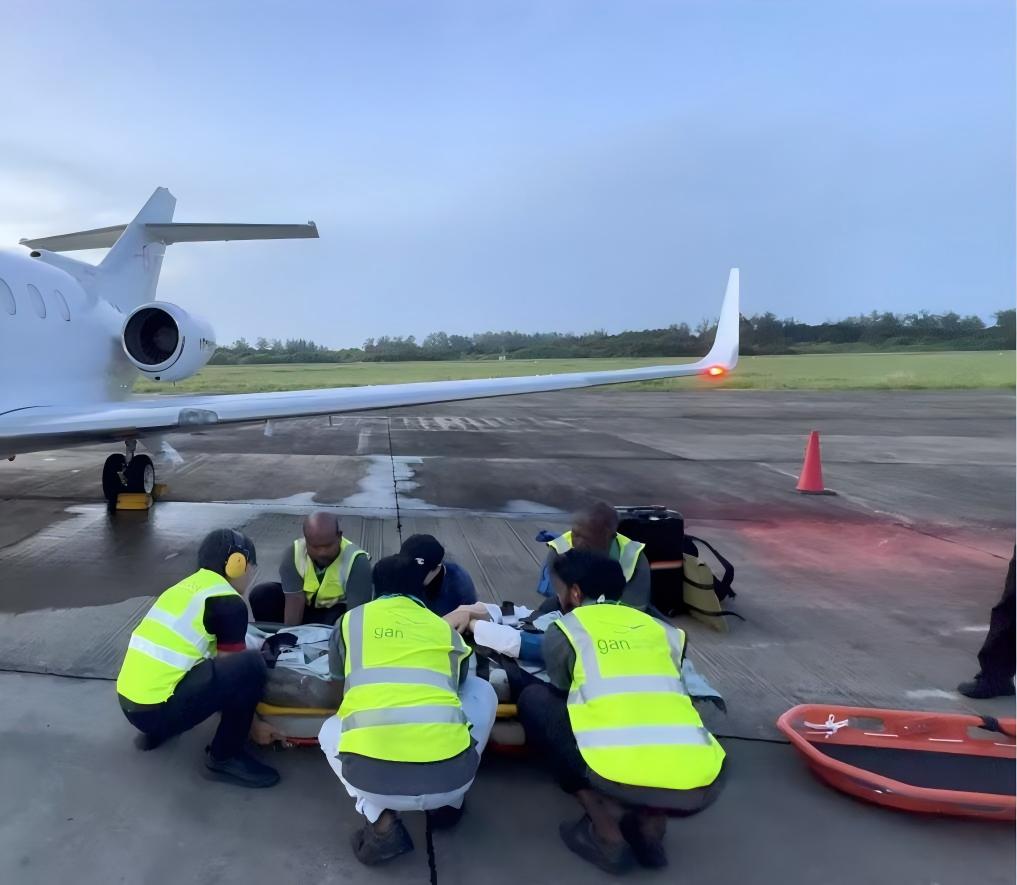
Medical Transfer Services should be distinguished from standard ambulance services as they incorporate the full medical needs of a patient in transit, requiring clinical assessments, specialized transport, trained staff, and coordination between the sending and receiving medical facilities.
What are Medical Transfer Services?
Medical Transfer Services involve the transportation of patients from one medical facility to another. Transportation for patients may be from locations of accidents to hospitals, and may involve crossing international borders for the purposes of repatriation. Medical Transfer Services are commonly broken into two categories:
1. Emergency Medical Transport: Transport requiring a rapid response due to the existence of a life-threatening condition. Services in this category may involve the use of a standard ambulance, air ambulances, or helicopter evacuations.
2. Non-Emergency Medical Transport (NEMT): This category involves the transport of patients who are stable, and in a supervisory medical/nursing needed condition, but who are not transporting in a critical condition. This may include transfers from one hospital to another, transport to rehabilitation centers, and return of patients from medical treatments.
Medical Transfer Services include many modes of transport within both of the above categories, as needed to meet the varying needs of patients.
Types of Medical Transfer Services
1. Ground Ambulance Transfers
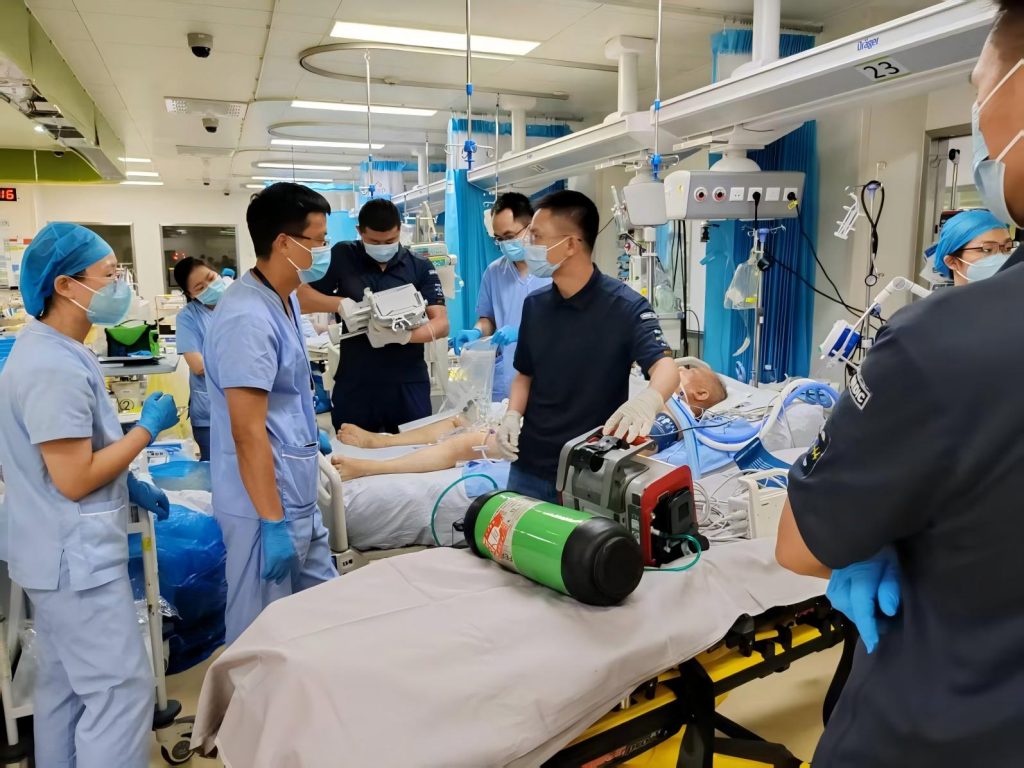
Ground ambulances are the most frequently utilized Medical Transfer Service. Basic Life Support (BLS) ambulances are available to transfer stable patients; while Mobile Intensive Care Units (MICUs) are equipped with ventilators, cardiac monitors, and ICU-level equipment, and are used to transfer critically ill patients. Ground transfers are preferred for short-to-medium distance, inter-hospital transfers that are either city- or region- based, and for the first and last mile of a longer transfer.
2. Air Ambulance (Medical Charter Flights)
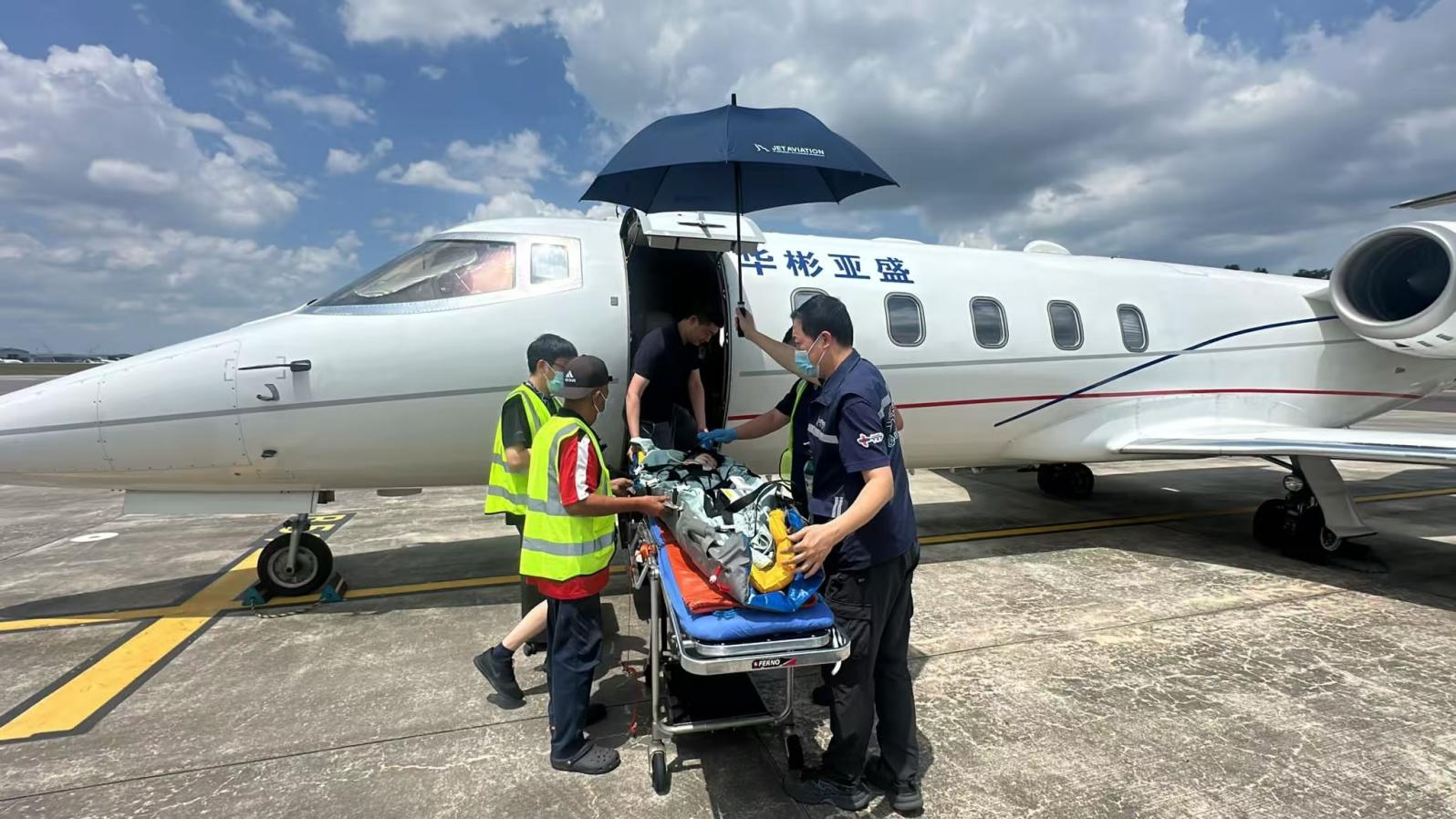
Although air ambulances utilize aircraft, they are much more than airplanes. Air ambulances are a flying ICU. For air ambulances, the transport of critically ill patients is a complex operation, as air ambulances are equipped with the full array of medical equipment that are found in a stationary ICU.
Air ambulance services are typically utilized for:
•Critically ill patients that are in too fragile a condition to be the subject of lengthy ground transport
•The transfer of patients to care facilities that are beyond the scope of the local community in a more timely manner than is ordinarily available
•International medical evacuations from a disaster zone or a location that is not accessible by road
3. Commercial Stretcher Transfers
For stable patients that require ongoing monitoring while remaining in a recumbent position, Commercial Stretcher Transfers are a considerably less expensive alternative to full air ambulance services. For these transfers, a stretcher is secured on a scheduled commercial flight, with medical escorts accompanying the patient for the entire journey.
4. High-Speed Rail Medical Transfers
High-speed rail is a strong candidate for inter-city Medical Transfer Services. Transporting a patient via ground transfer may take too long, even if the patient is stable. Rail transfer is a faster, more comfortable transfer method, and when a transfer is too long for the patient to be comfortable, rail transport can easily be supplemented with ground ambulance transport.
5. Integrated Multi-Modal Transfers
Most Medical Transfer Services use the combination of several of the above modes. Most cross-border transfer scenarios involve ground ambulance transport to the departure hospital, then transport via an air ambulance or (in some cases) a commercial flight with a stretcher, then a final ground ambulance transfer to the receiving hospital. This process is often called “bed-to-bed,” meaning that there has been no interruption in care along the entire route.
The Medical Transfer Process: Step by Step
The structured process used by professional Medical Transfer Services is clinically driven. Here’s an example of a transfer.
Phase 1: Initial Contact and Assessment
The process is initiated after a patient, a patient’s family member, a member of the hospital staff, or someone from the patient’s health insurance company contacts the Medical Transfer Services. This service provider will gather the following information:
Where is the patient currently located? What is the patient’s current state of health? What is the patient’s diagnosis? What is the patient’s treatment status? What is the patient’s medical history? What is the patient’s destination? Does the situation have an urgency level where it is an emergency? Who will pay for the transfer (insurance data)?
Phase 2: Clinical Assessment and Transport Logistics
The medical records will be examined to determine if the patient:
•Is Assessable for Transport.
•Will require special transport (e.g. a vent, incubator, isolation pod, etc.).
•Will require special staff (e.g. nurse and/or doctor from the ICU, RT, etc.).
•What transport will be the safest and most appropriate.
This phase will create the outline for the medical transport plan for that patient and define the special needs the patient will require during transport.
Phase 3: Logistics Coordination
Following the approval of the clinical plan, the coordination team manages the following:
•Booking aircraft, rail, or ground transport
•International transfers require overflight and landing permits
•Ambulance transports are arranged at both departure and arrival locations
•Customs and immigration, along with all necessary paperwork, are managed
•Coordination with sending and receiving hospitals is completed
Phase 4: Execution and In-Transit Care
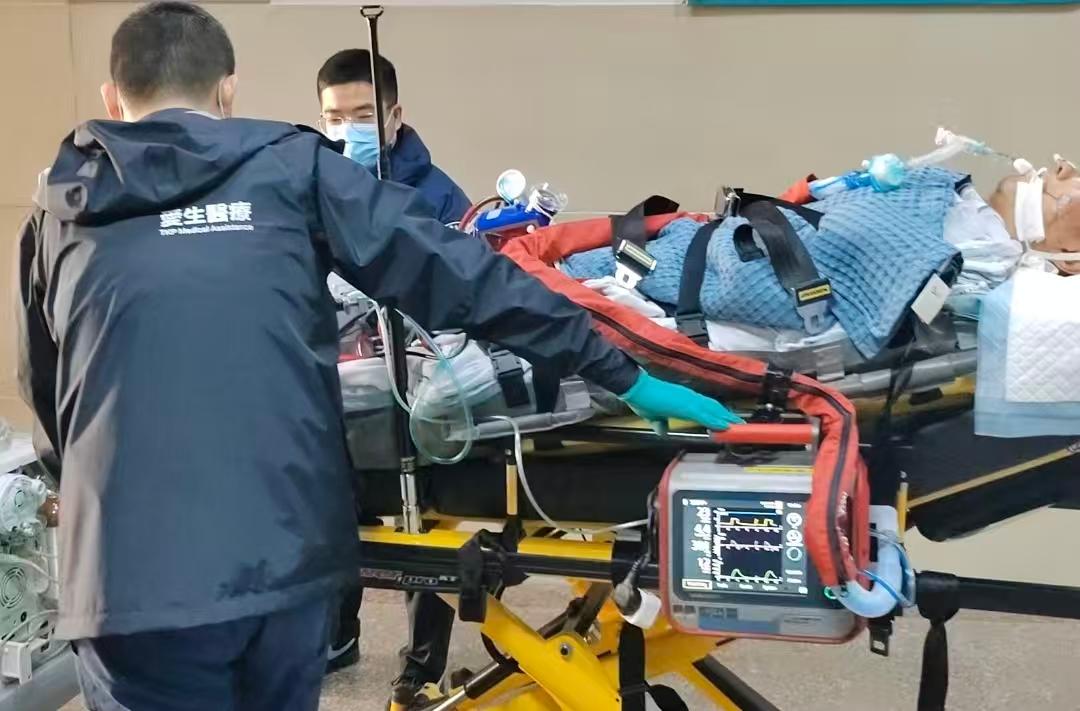
The patient is transferred from their bed at the departure location to the transport vehicle and then to the arrival facility. During the transport:
•Vital signs are monitored
•Oxygen and necessary interventions are administered
•The medical team addresses any clinical issues or emergencies that arise
•The family of the patient is provided updates during the transport
Phase 5: Handover and Admission
After the transporting team arrives at the receiving facility, a complete handover is completed which includes:
•A transfer of the patient from bedside to bedside
•All medical records, medications, and treatment plans are transferred
•A verbal report is provided regarding the patient’s status while in transport
Who Needs Medical Transfer Services?
Medical Transfer Services are for:
•Critical Care Patients: Patients on ventilators or in need of support are transported in an ICU setting.
•Patients needing support for situations where a local hospital does not have the capability to provide care such as advanced cardiac services, organ transplantation, or complex neurosurgery.
•Patients that are ill or injured while traveling abroad.
•Expatriates needing support for traveling to their home country for care.
•Post Surgery and Rehabilitation Patients: Ready to move out of acute care hospitals and into rehab facilities, skilled nursing facilities or even their homes.
•Organ Transplant Patients and Donors: Transfers that are time sensitive.
•Remote or Underserved Patients: Patients from an underserved area that are hard to access.
TKP Medical Assistance: Professionals in Worldwide Medical Evacuations
The essentials in International Medical Transfer Services are Trust and Experience. Having launched its service in this sector in 2001, TKP Medical Assistance has completed over 10,000 missions, not only in China and the Greater Bay Area, but also internationally.
What Sets TKP Apart
1. Clinical Excellence at Every Step
•Every medical escort is ICU/ER-trained with 5+ years of experience.
•Zero major incidents over decades of operations.
2. Diverse and Flexible Solutions
•Offers commercial stretcher, air ambulance, high-speed rail, and ground ambulance.
•All transfers include critical medications and trained staff.
3. Bed–to–Bed
•Single coordinator manages a closed-loop model from pre-assessment to handover.
•Ensures uninterrupted monitoring and clinical care throughout.
4. Global Reach, Local Expertise
•Headquartered in Shenzhen with 6 offices and partners in Asia/Europe.
•Chooses optimal airports (even undeveloped ones) to shorten travel time.
•Recognised unit of China’s National Health Commission emergency network.
5. Multilingualism and Cultural Awareness
•Proficient in Mandarin, Cantonese, English, Russian, and Spanish.
•Well-developed adaptability due to work and life overseas.
6. Advanced Medical Equipment
•Adult and pediatric ALS, ACLS systems certified for aviation equipped with:
•ventilators, monitors, and life-support.
A Real World Example
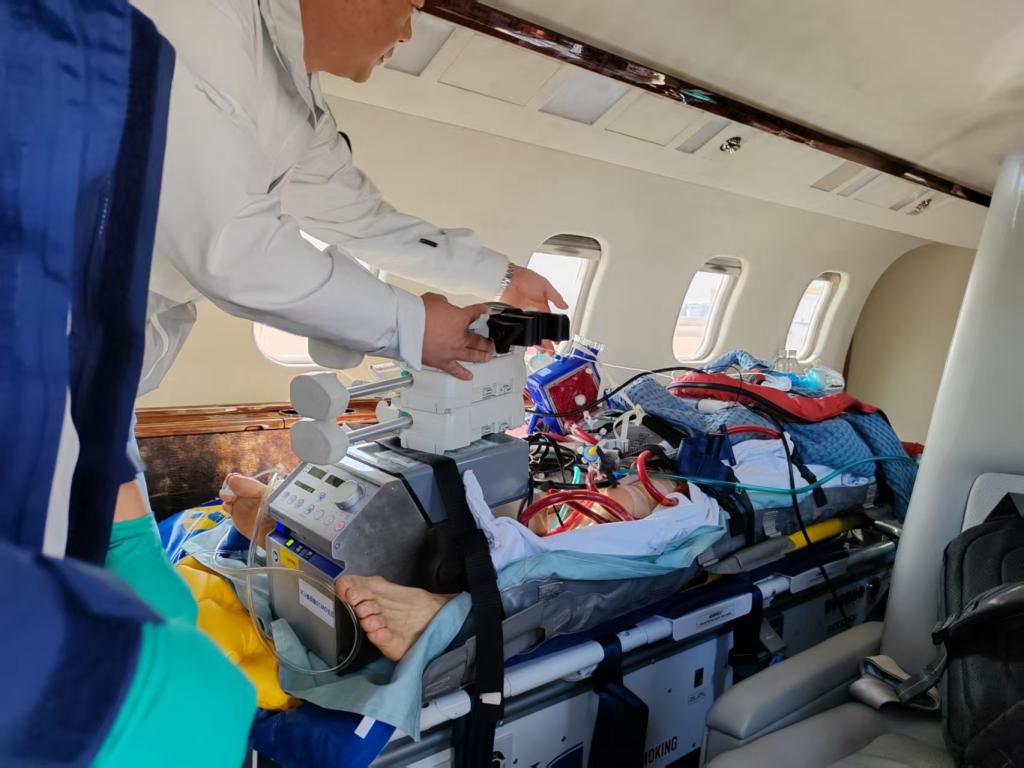
An ECMO and IABP dependent patient with a serious pulmonary infection was transferred on a mission via air ambulance from Xiamen to Seoul on March 14, 2025. A specialist doctor and an ICU nurse flew alongside this patient and mobile power was utilized to maintain uninterrupted medical support during this transfer. TKP’s exemplary ability to manage a seamless and uninterrupted transfer across multiple borders ensured that the patient was stable during the entire journey.
•Diagnosis: Severe pulmonary infection with ECMO + IABP support
•Team: Specialist doctor and ICU nurse
•Equipment: Mobile power supply, smooth ECMO transition to onboard systems
•Outcome: Zero interruption, stable arrival in Seoul
Final Words
Medical Transfer Services are a transportation network, but they offer valuable, long-range healthcare solutions. If you are a family member with an unexpected medical crisis abroad, a hospital with a specialized patient transfer, or an insurer with a policyholder in a medical crisis, it is helpful to know the multiple types of services, the steps, and the options.
Known professionals in a field, like TKP Medical Assistance among many others, offer cumbersome and expensive, but worldwide services with clinical excellence and a high degree of global outreach. With their 24/7, multilingual personnel, and a strong commitment to bed-to-bed services, they ensure that no patients are left behind anywhere, at any time.
FAQs
Q1: Who needs medical transfer services?
A: Several types of patients can be included such as organ transplant patients, expatriates needing repatriation, certain critically ill patients needing specialized care, and post-operative patients needing transfer to a rehabilitation center.
Q2: How is an air ambulance different from a commercial stretcher transfer?
A: Air ambulance services are dedicated flying ICUs and include medical staff and all equipment, whereas commercial stretcher transfers are used for stable patients and include a flight with medical escorts.
Q3: What is included in the medical transfer service in terms of ground ambulance?
A: Most providers give “bed-to-bed” service, which includes ground transfers for takeoff and landing to provide uninterrupted care.
Q4: What type of medical equipment do you bring?
A: You can expect a range of medical equipment including cardiac monitors, infusion pumps, and ventilators, as well as oxygen and suction equipment, and sometimes incubators and ECMO.
Q5: What documents are essential for an international medical transfer?
A: A medical report, treatment records, passport and visa, and possibly customs clearance for medical tools and medicines.
Submit Your Request
Recent Posts
Tags
- Air Ambulance
- Bedside To Bedside
- Cross Border Aid
- Emergency Evacuation
- Global Medical Rescue
- How can I ensure the patient's stability while in the air?
- How do I request an air medical transport?
- How is it different from an air ambulance
- how to activate emergency aircraft service
- how to request an air ambulance
- Is air medical transport safe
- Is international transport possible
- Medical Rescue
- Medical Transport
- Patient Repatriation
- Remote Rescue
- Seamless Coordination
- Telemedicine Support
- Tourists And Expats Medical Escort
- What are the benefits of a cross-border medical transfer
- What are the different types of transfers
- What are typical use cases
- What documents do I need to prepare for a transfer?
- What does high-speed rail patient transfer stands for
- What is air ambulance
- What is air medical transport?
- What is cross-border medical transfer
- What is emergency aircraft
- what is high-speed rail patient transfer
- What is medical charter flight
- what is neonatal ICU transfer
- What is patient air transfer
- What medical equipment is available on board the aircraft
- What situations shouldn't use air medical transport?
- What types of air ambulance are there?
- What types of air ambulance exist
- What's the difference between international and domestic transfers?
- what’s the difference between air medical transport and regular ambulance?
- When is emergency air transport necessary
- Which patients require air medical transport?
- who is included in the medical team
- who needs an air ambulance